Ostrov
(the royal city since 1268)
15,680 inhabitants
Karlovy Vary Region, Karlovy Vary District
Historical milestones
1268: King Přemysl Otakar II elevates the local settlement to the status of a royal town, which soon acquires stone walls. It becomes a bastion of royal power against the influential lords of Riesenburg.
1331: King John of Luxembourg confirmed Ostrov’s town charter.
1434: Emperor Sigismund of Luxembourg grants the town as a pledge to the Šlik family.
1622: The Šlik family lost the town in the post-White Mountain confiscations, and Duke Julius Henry of Saxony-Lauenburg became its new owner. At that time, the castle was rebuilt and an extensive residential complex, including a Piarist monastery, was constructed.
1655: Ostrov lost its status as a royal town and became a serf town.
1690: Through marriage, the Ostrov estate passed into the hands of the Margraves of Baden, who resided in Rastatt, Germany. Ostrov lost its status as a residential centre.
1795: The town was struck by a devastating fire.
1871: Ostrov was connected to the railway line from Karlovy Vary to Prunéřov.
1873: The renowned Puls porcelain factory is founded in the town.
1938: Under the terms of the Munich Agreement, the town became part of the Third Reich and the Czech population was expelled from it.
March 1939: The Nazis established the first concentration camp on Czechoslovak territory in the chateau.
From 1945: Uranium ore has been mined in the vicinity of Ostrov.
1956: Trolleybuses for the entire socialist bloc are manufactured in the town.
1992: The historic town centre was granted the status of an urban conservation area.
2006: Trolleybus production in the Vykmanov district came to an end.
2019: As part of the cross-border Krušnohoří/Erzgebirge mining region, the Red Tower of Death was also inscribed on the UNESCO World Heritage List for its significance as a mining monument.
Interesting facts about the city
Ostrov, formerly known as ‘nad Ohří’, is the second-largest urban area in the Karlovy Vary district, situated directly beneath the highest peaks of the Krušné mountains (Erzgebirge). It likely derived its name from its elevated position above the river Bystřice, which flows through it.
Like the nearby town of Jáchymov, it gained notoriety for the devastating post-war mining of uranium ore. In the 1950s, political prisoners worked in the local mines on the very fringes of society and under inhumane conditions. Following this difficult period, the Red Tower of Death, which once served as a uranium ore sorting plant, remains standing on the outskirts of the town. It was here that the hardest manual forced labour took place, carried out without any protective equipment against radiation. Being assigned to work in this tower was tantamount to a death sentence. It was the dominant feature of the Vykmanov II labour camp. The camp was not closed until 1956, and for a full fifty years thereafter, trolleybuses were manufactured on the site. The preserved tower was given the name ‘Red’ due to its unplastered red bricks and in reference to the era of terror characterised by the bloody Soviet practices in what was then Czechoslovakia.
Those looking for a bit of nature can visit the small zoo in the modern Ostrov eco-centre near the town’s so-called Sacred Precinct. More than 100 species of smaller animals live here, including reptiles and rodents.
The biggest tourist attractions
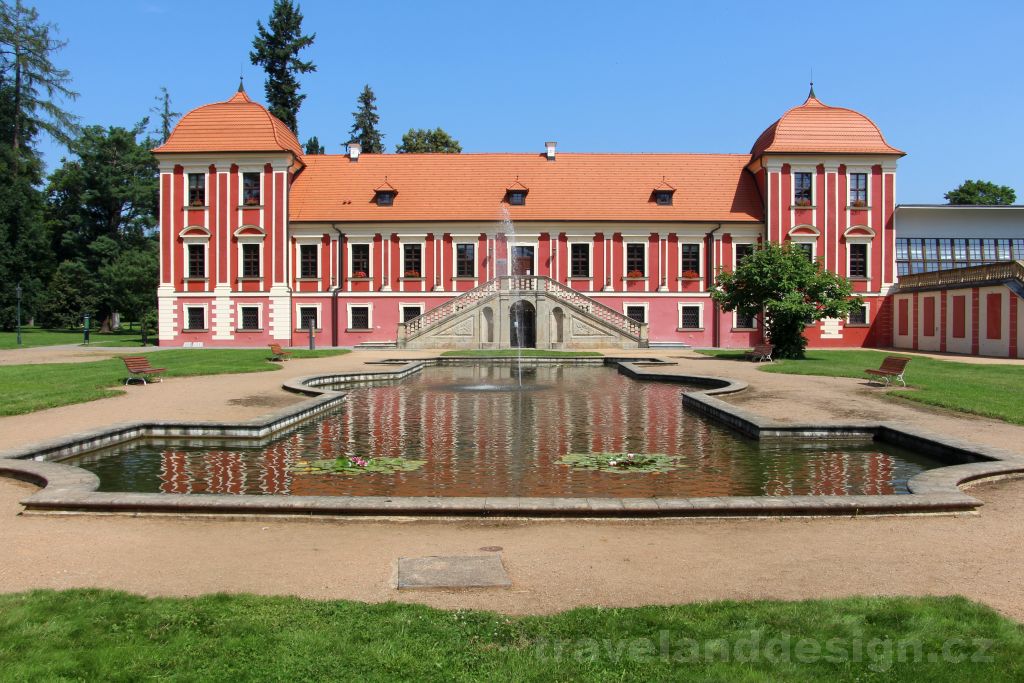
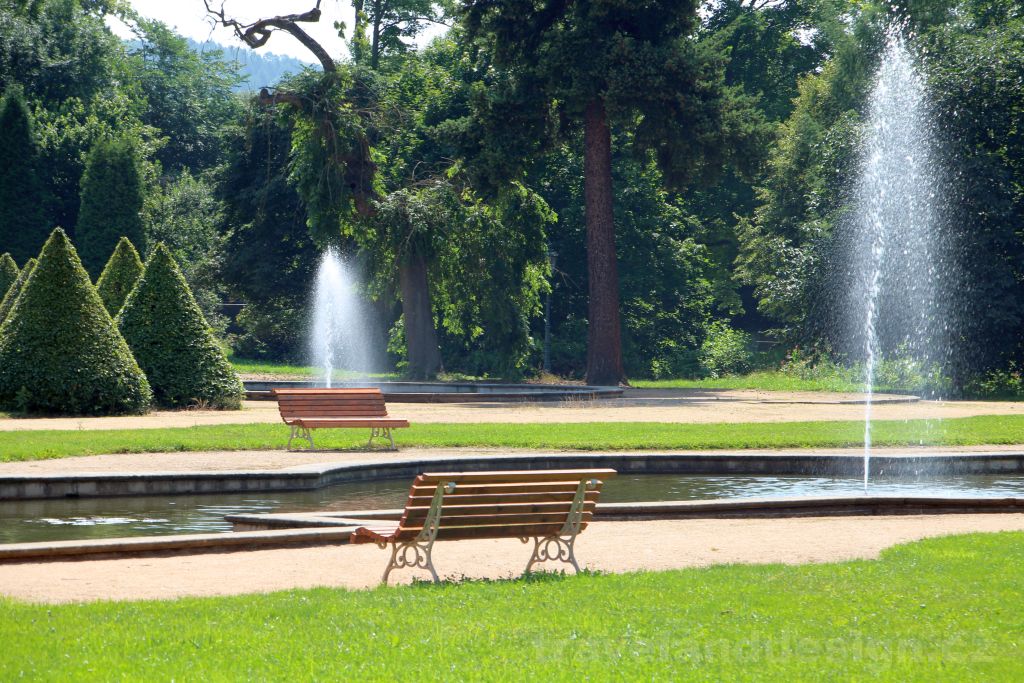
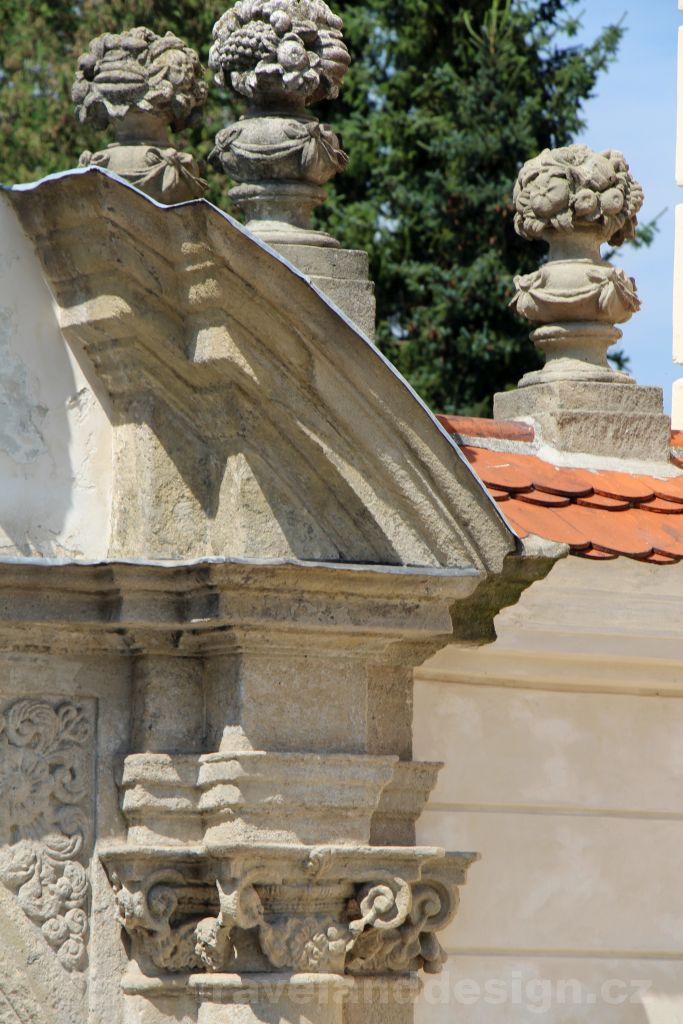
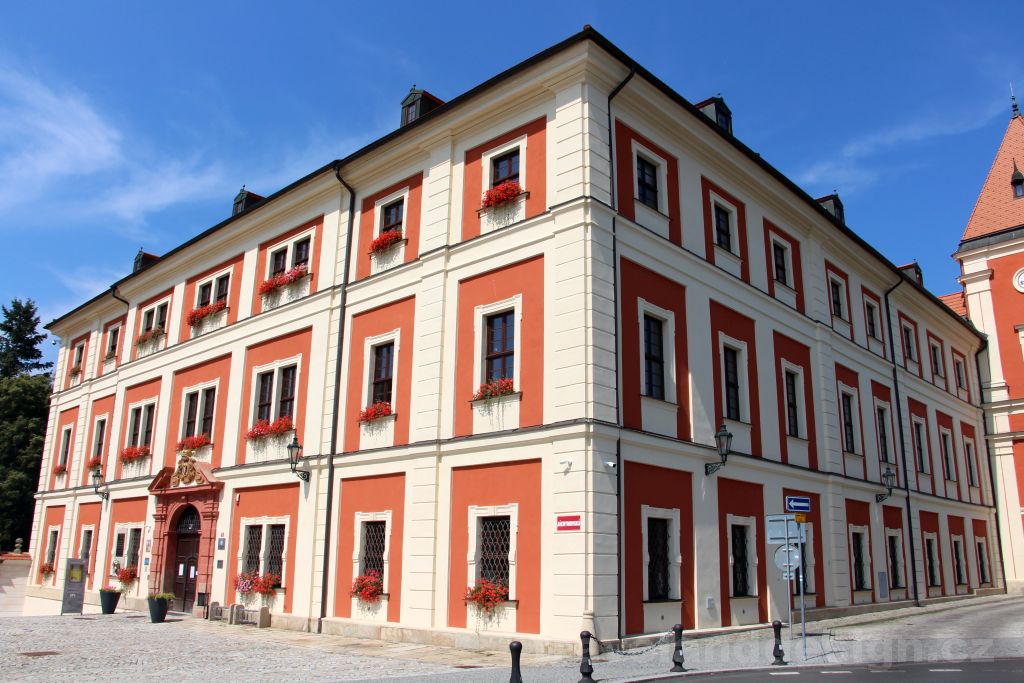
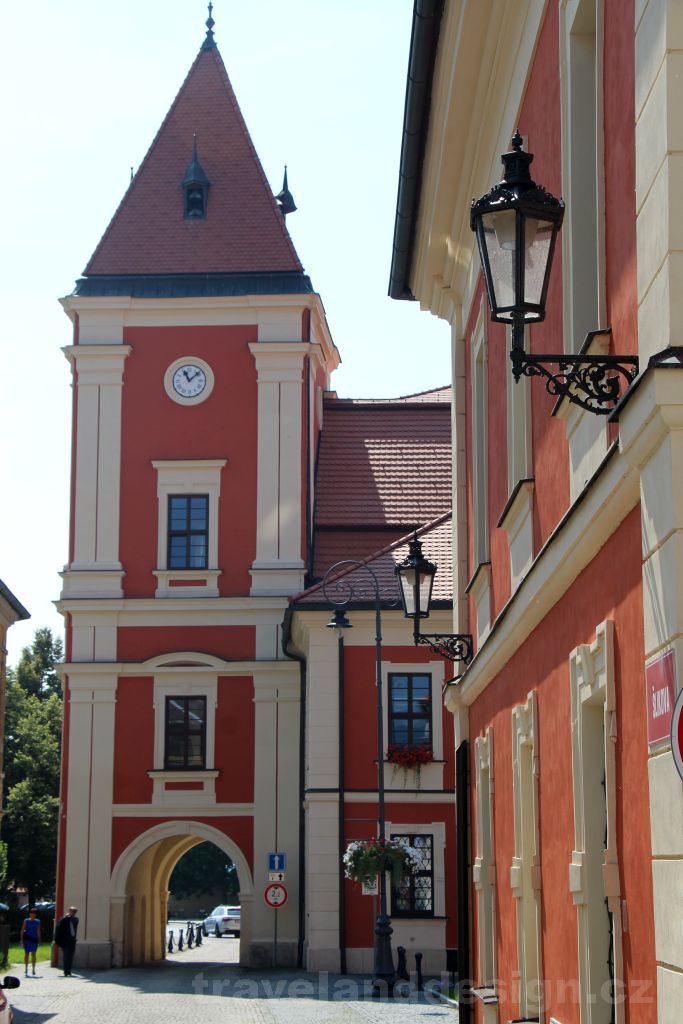
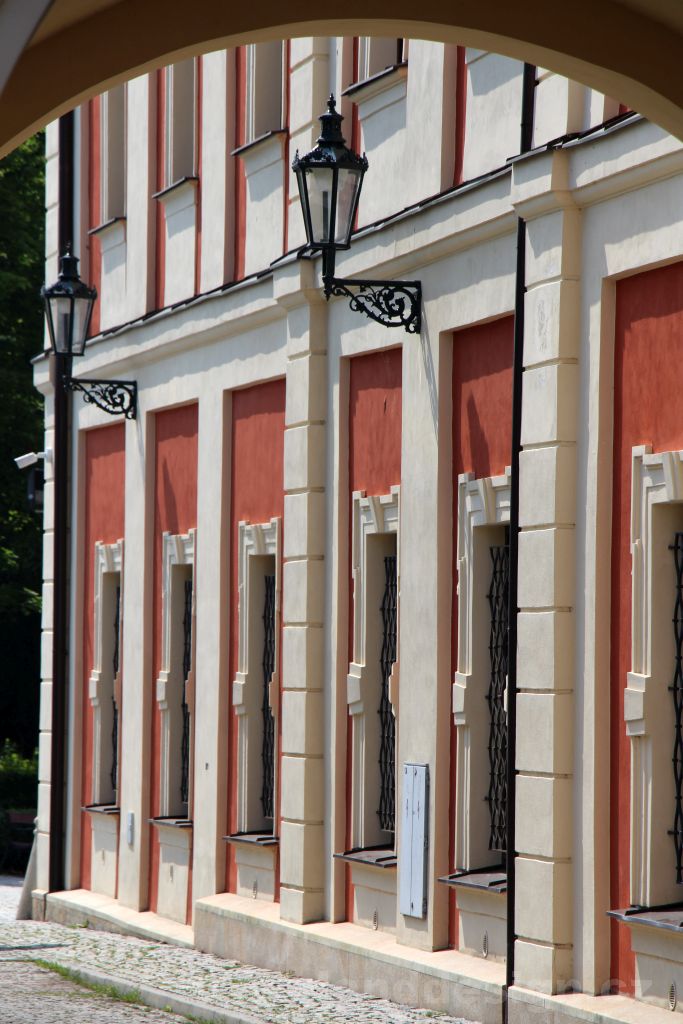
Ostrov is particularly remarkable for its utterly unique and exceptionally well-preserved complex of three baroque palaces with extensive landscaped grounds, which was regarded as the eighth wonder of the world in the 17th century. The capital of the Dukes of Saxe-Lauenburg, situated right in the centre, is enriched by the baroque complex of the town palace, a former 13th-century gothic castle. It is open to the public as a significant example of baroque architecture, designed with the involvement of famous baroque architects such as Kryštof Dietzenhofer and Giulio Broggio. Along the main axis, the town palace is complemented by the Princes’ Palace with its famous White Gate, whilst the Summer House, with its typical early baroque structure dating from 1673–83, occupies a central position in the park. Today, it houses a branch of the Karlovy Vary Gallery. This interesting central building was designed by the architect Abraham Leuthner.
Of the original gothic town fortifications, only the lower part of the Prague tower and one of the two gates – the Lower Gate – remain; the latter was preserved following a baroque reconstruction after the town fire of 1765. By contrast, all that remains of the Upper Gate today is its ground plan marked out in the town’s paving.
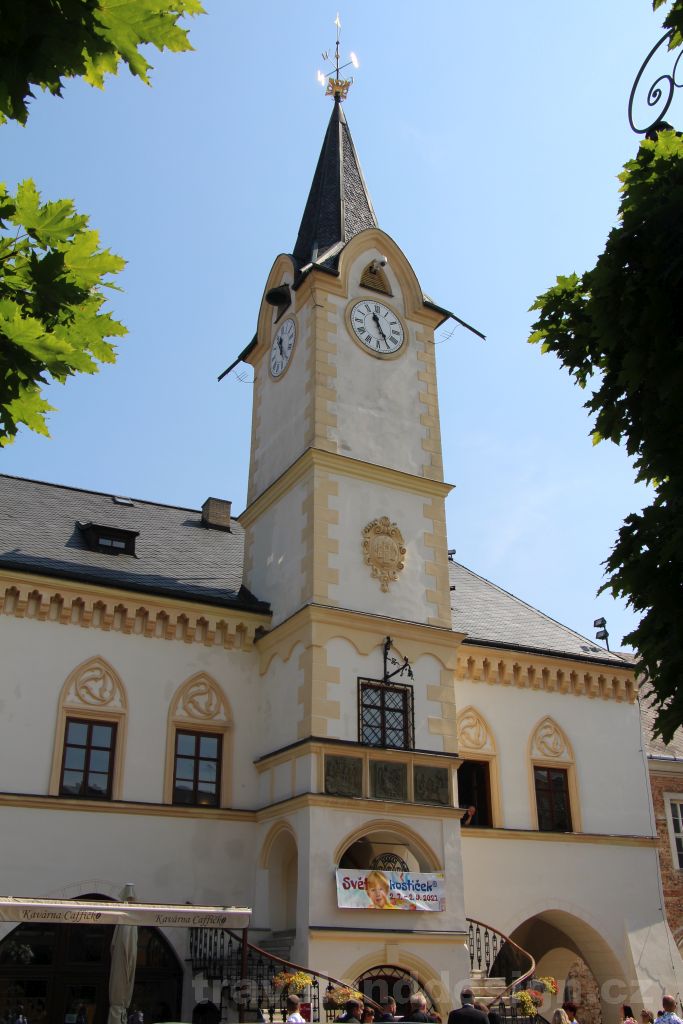
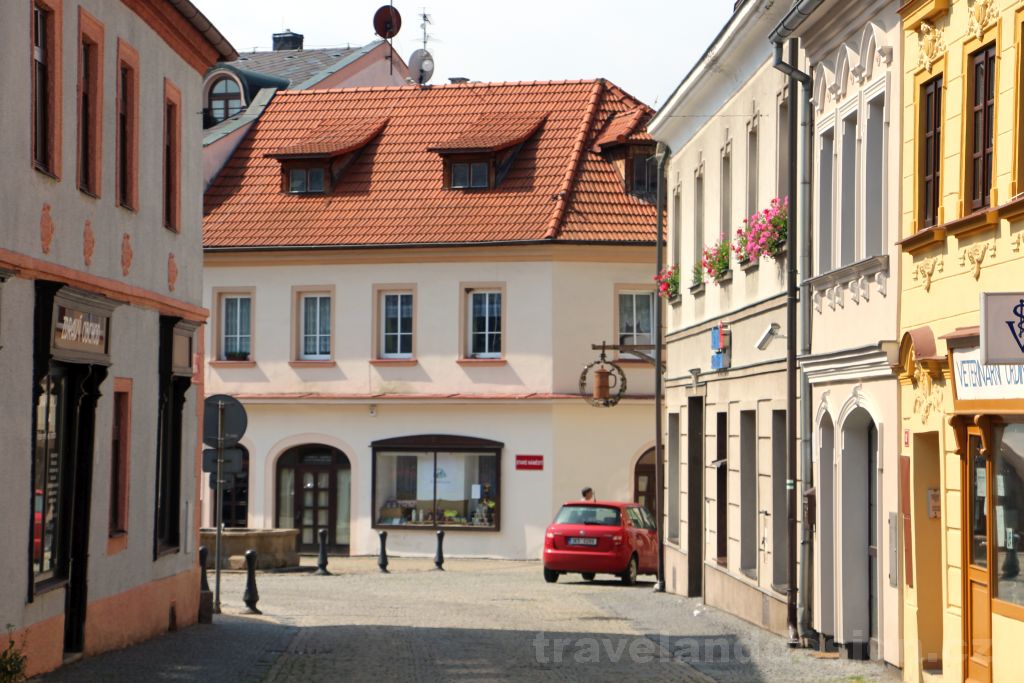
On the elongated Peace Square, on the site of a 14th-century gothic town house, stands the originally renaissance town hall dating from the mid-16th century. However, it was damaged by fire in 1795 and subsequently underwent first a baroque and then, in 1866, a neo-gothic reconstruction. In front of the town hall stands a baroque plague column dating from 1685. Another significant landmark of the historic town centre is the ‘U černého orla’ coaching inn. Its appearance was also altered by a classicist-style reconstruction at the end of the eighteenth century.
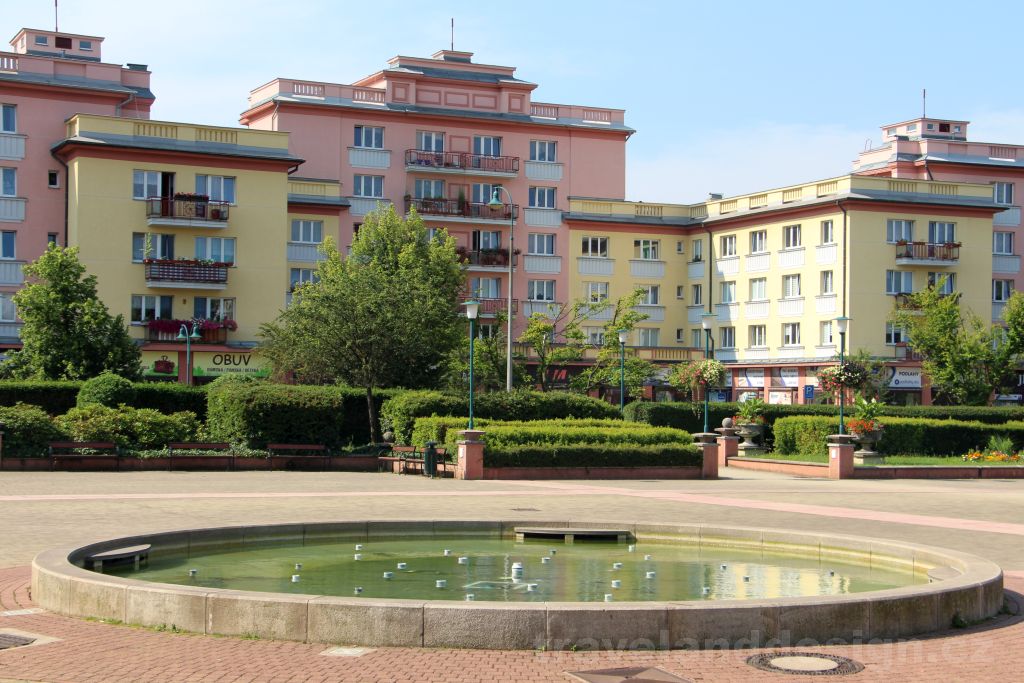
For connoisseurs, we recommend visiting the cohesive part of the town built in the 1950s in the style of socialist realism, with numerous references to renaissance architecture. This outstanding example of the urban planning of that era is a listed building, dominated by the House of Culture with its two cinema auditoriums, which dates from 1955. It hosts the annual Ota Hofman Children’s Film Festival. The tall gables of the Poliklinika building are also well worth seeing.
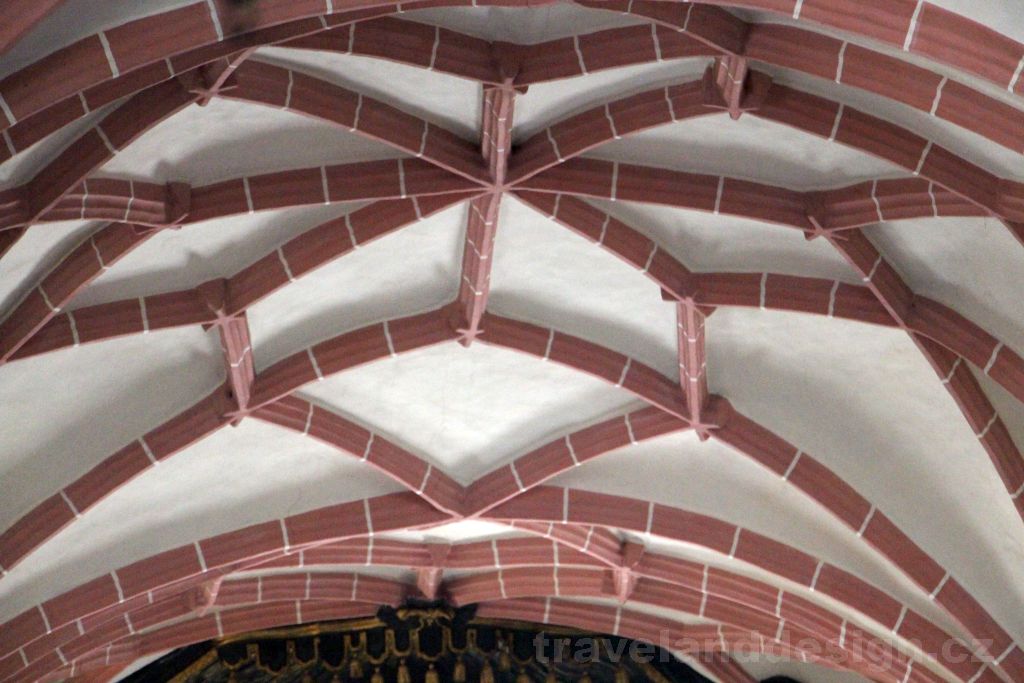
Among the town’s religiou monuments, the cemetery church of St. James the Greater is particularly noteworthy. This relatively modest structure dates back to the early days of the town’s settlement and displays elements of the late romanesque style. It stands here as the town’s oldest building, dating back to 1226. The parish church of St. Michael in the relocated town centre has not survived in its original gothic form from the second half of the thirteenth century, as it underwent renaissance and baroque alterations during the 16th and 18th centuries. Particularly striking is its three-nave hall with renaissance tombs of members of the Šlik noble family.
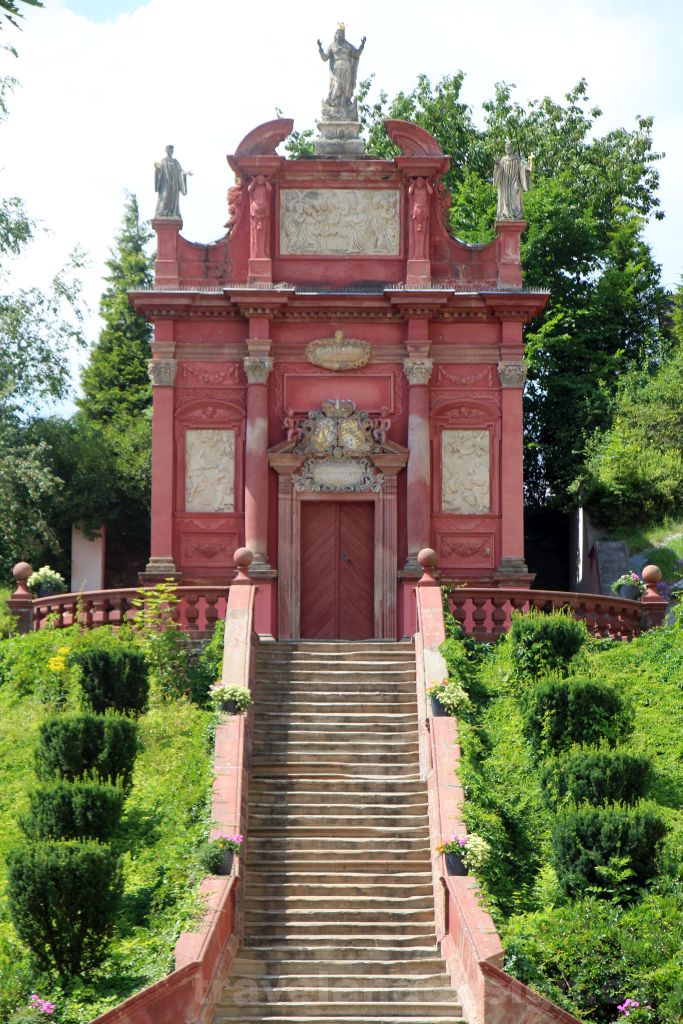
A monument that has literally risen from the ashes is the early baroque Piarist monastery with the Church of the Annunciation of the Virgin Mary and the chapels of St. Florian and St. Anne. All these buildings have stood here since the mid-17th century as a testament to the region’s harsh re-catholicisation. In the first two decades of the eighteenth century, the complex of this so-called ‘Sacred Precinct’ was complemented by the Einsiedeln Chapel, situated in a commanding position. The inspiration for this monument, with its flamboyant exterior and very modest interior, can be found as far away as Switzerland. This entire unique complex was devastated over many decades during the communist era by the Czechoslovak People’s Army. Fortunately, it has now been restored, along with the monastery garden.
Famous people from Ostrov
Jáchym Ondřej Šlik, leader of the Estates (*1569)
Vilma Cibulková, actress (*1963)
Horst Siegel, footballer (*1969)
Lukáš Bauer, cross-country skier (*1977)