Pelhřimov
(the royal city since 1596)
16,200 inhabitants
Vysočina Region, Pelhřimov District
Historical milestones
1144: Old Pelhřimov was founded as the property of the Prague bishopric around St. Vitus Church.
Around 1260: Due to a shortage of water, Prague Bishop Jan III of Dražice founded the new town of Pelhřimov in its present location and settled it with German colonists.
1289: After the town was burned down by Vít of Krumlov, Pelhřimov was rebuilt and surrounded by palisades, which were replaced during the 14th and 15th centuries by double stone walls with six bastions.
1422: The town is administered by Hussite governors.
1434: After the Battle of Lipany, the town passed into the hands of the Trčka of Lípa family and was annexed to Červená Řečice.
1446-1450: Provincial assemblies were held in the town with the participation of George of Poděbrady.
1550-1551: The Renaissance castle of Adam of Říčany was built in Pelhřimov.
1561: The town burned down and was subsequently rebuilt in the renaissance style.
1572: Pelhřimov bought its freedom from serfdom.
1596: Emperor Rudolf II of Habsburg elevated Pelhřimov to the status of a royal town.
1646: A great fire in the town triggered its baroque reconstruction.
1766: Another great fire burned down most of the town.
1850: Pelhřimov became a district town.
1883: The town was connected to the railway network and began its industrial boom.
1969: The town centre was declared a municipal heritage reserve.
1994: The Museum of Records and Curiosities was founded in Pelhřimov.
Interesting facts about the town
The town of Pelhřimov is popularly known as Pejr. According to legend, however, the town’s name was derived from the name of the Prague bishop Peregrin. The historic centre of the town, located on the Bělá River, is protected as an urban conservation area due to its value and preserved medieval layout.
The town is one of the largest in the Czech Republic in terms of area, as the incorporation of surrounding villages has increased its administrative area to a total of 95 km².
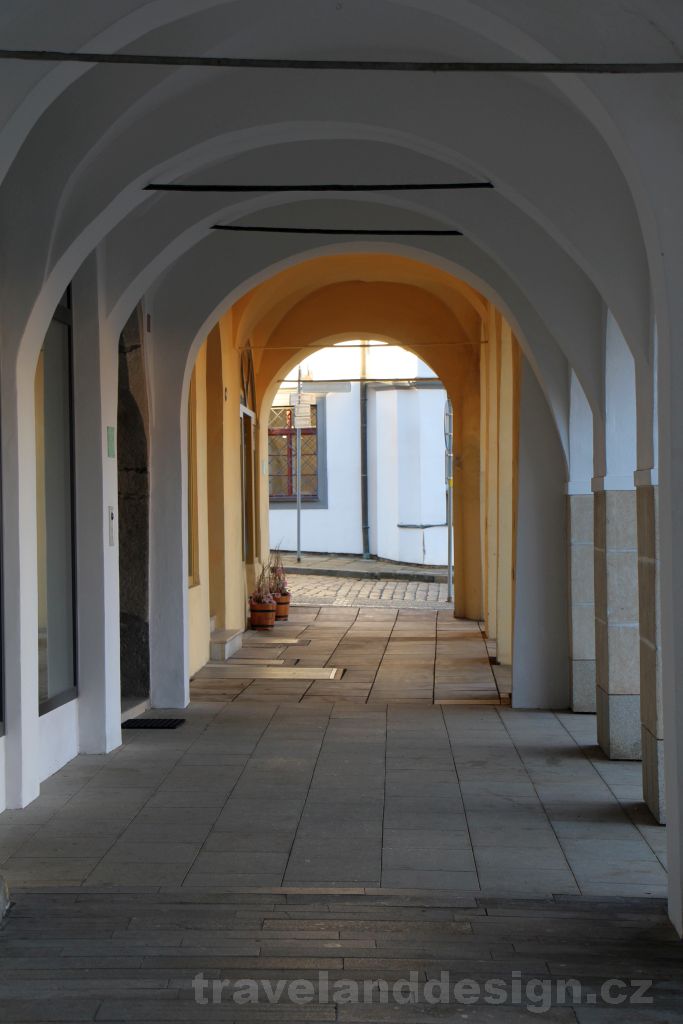
Since the 1990s, Pelhřimov has presented itself as a town of records and curiosities, and since 1991, the Pelhřimov – Town of Records festival has been held here every year. One such curiosity, the smallest equestrian statue of Tomáš Garrigue Masaryk, can be found directly above the arcade on the square, which is also named after the first Czechoslovak president. You can find other interesting records and curiosities at the local Museum of Records and Curiosities. From there, the Embankment of Records and Curiosities leads to the House of Good Days, where you can find an exhibition of buildings made of matches, created over 40 years of creative life by Tomáš Korda from Vrchlabí.
Since the 17th century, crafts have flourished in the town, especially cloth making and traditional brush making. Since the 19th century, the United Brush Factory (Spokar) has represented industrial production, which has been preserved to this day. Toothbrushes and paintbrushes usually come from here.
In 1983, the cult series Návštěvníci (The Visitors) by director Ota Hofman was filmed in the town.
The biggest tourist magnets
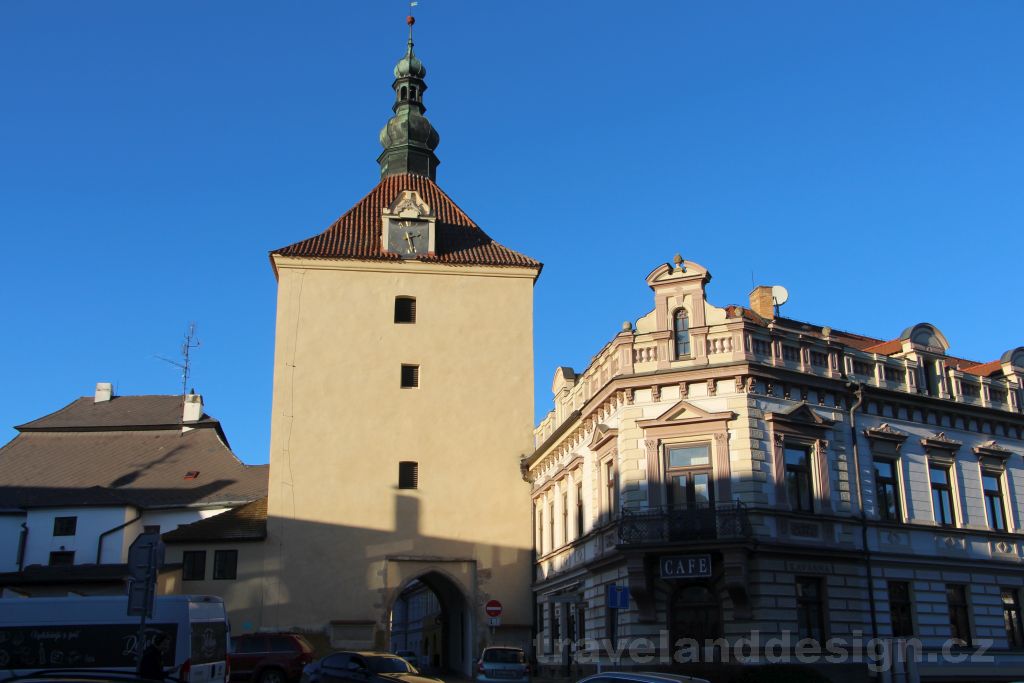
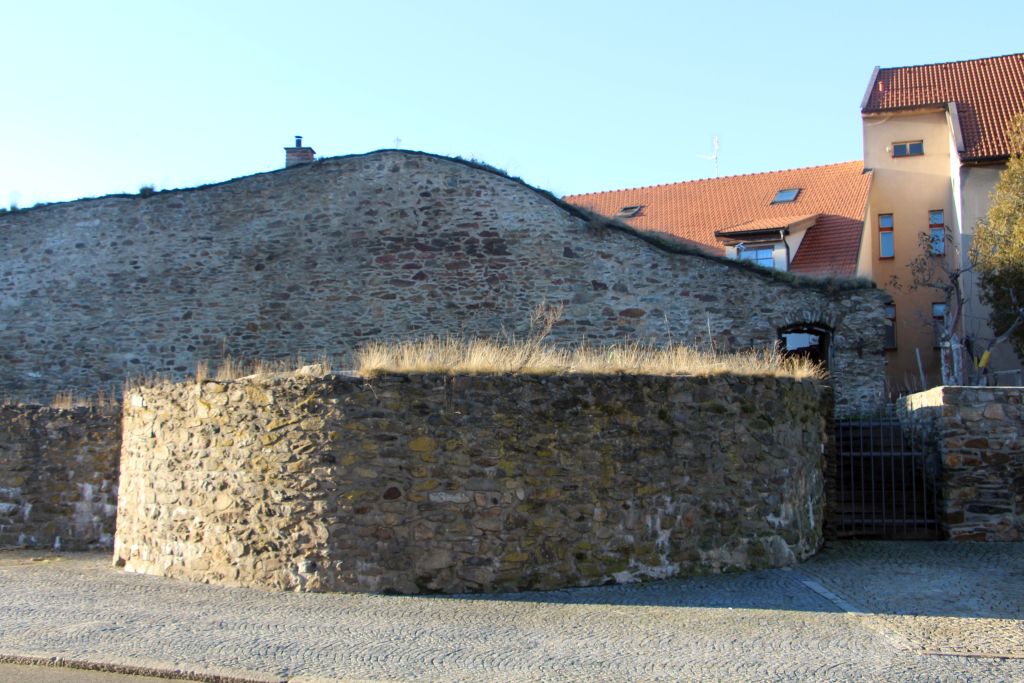
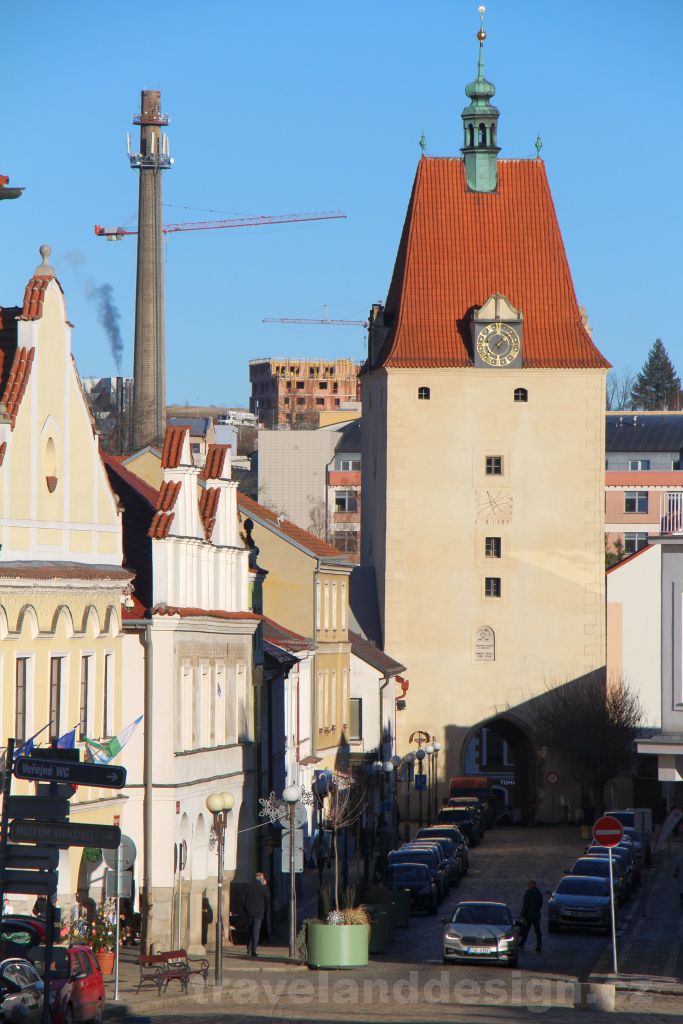
Only small sections of Pelhřimov’s town fortifications, consisting of two belts of walls, have been preserved, but three town gates from the 16th century remain standing: the Upper Rynárecká Gate, the Lower Jihlavská Gate and the Solná Táborská Gate. The 36-metre-high Jihlavská Gate houses the Museum of Records and Curiosities.
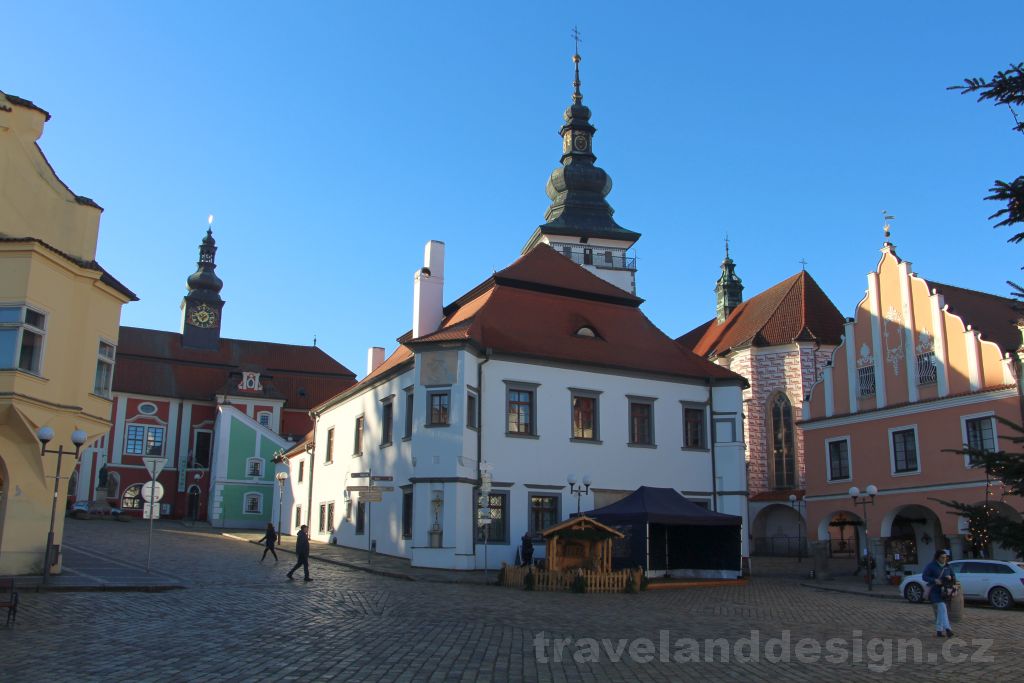
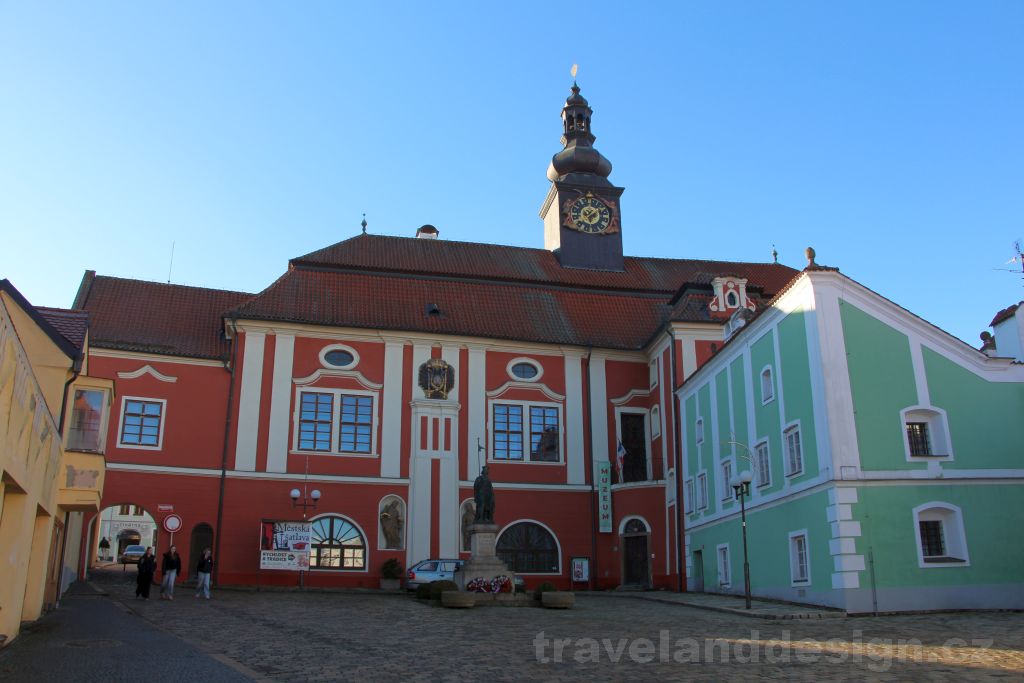
A relatively unusual building in the upper part of the town near the Salt Gate is the originally renaissance, but later baroque-rebuilt castle, which was first used as a residence for the nobility. In 1596, however, the town hall moved into the building, followed later by the court. Since 1910, the Museum of the Highlands has been installed in its premises. The Salt Gate itself indicates that a salt trail led through the town from Austria. The former salt warehouse was rebuilt in the neo-renaissance style in 1882 to serve as the town theatre.
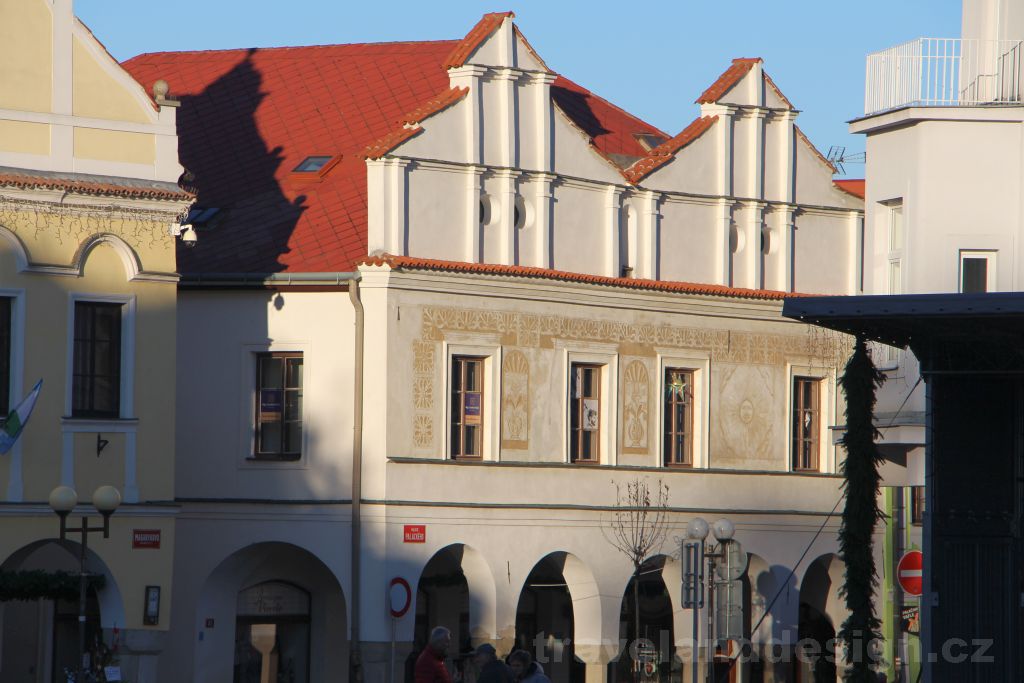
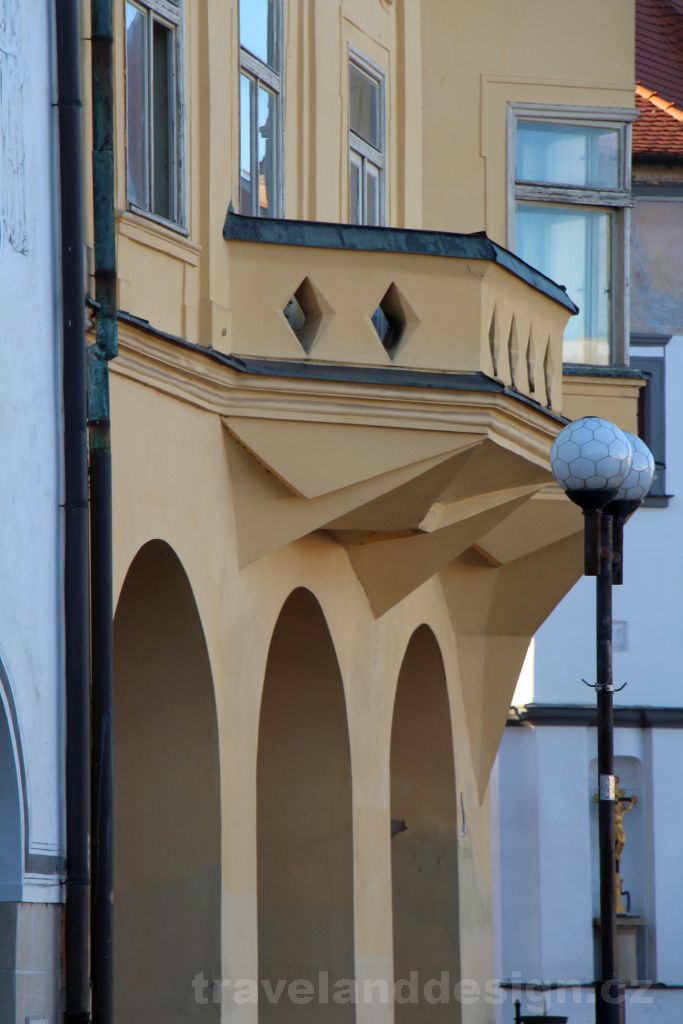
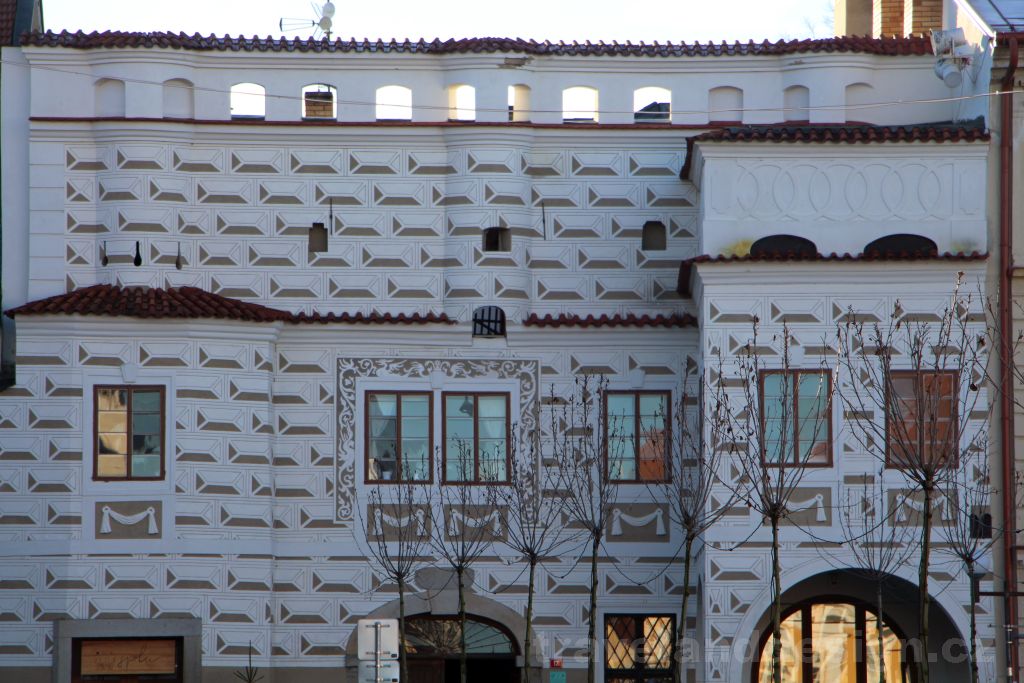
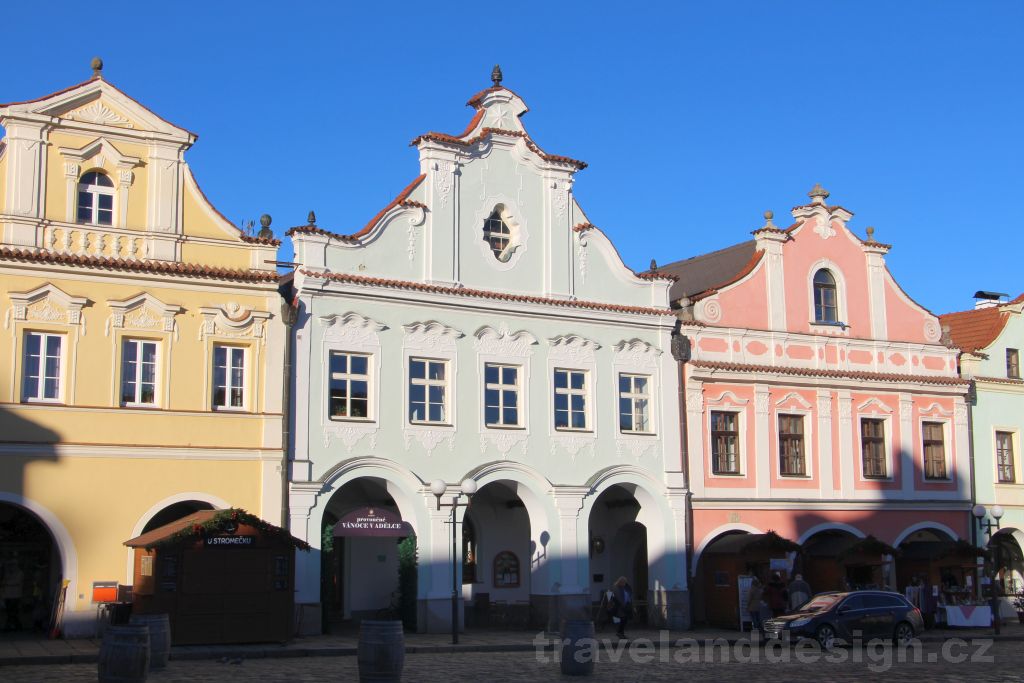
Most of the town houses in the city centre have gothic and renaissance cores, and some houses have retained their renaissance gables and sgraffito decorations to this day. This is particularly true of the Purkrabský House at No. 17, which dates from the second half of the 16th century. The dominant feature of the square below the castle is the Šrejnarovský House from 1614, which is decorated with slanted corner tower-like bay windows. Inside, you will find not only an exhibition of ghosts in Pelhřimov Hell, but also the Lipský Hall, which pays tribute to the famous Lipský family of artists, including brothers Lubomír and Oldřich.
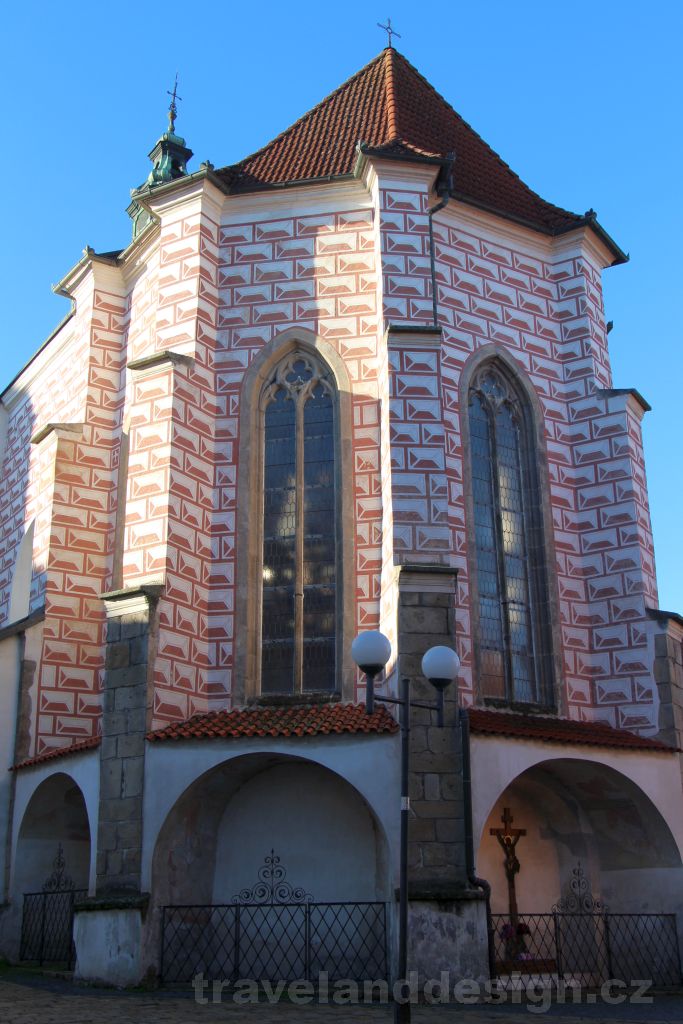
Church architecture in the city centre is represented primarily by the Dean’s Church of St. Bartholomew, which dates back to the 14th century. The exterior facades of the church are decorated with renaissance sgraffito from 1589. Inside, there is a Way of the Cross by the famous Czech sculptor František Bílek. However, the oldest church in the city is St. Vitus Cathedral, which was built here in the 13th century. Today, however, it has a baroque appearance and can be recognised by its free-standing prismatic bell tower.
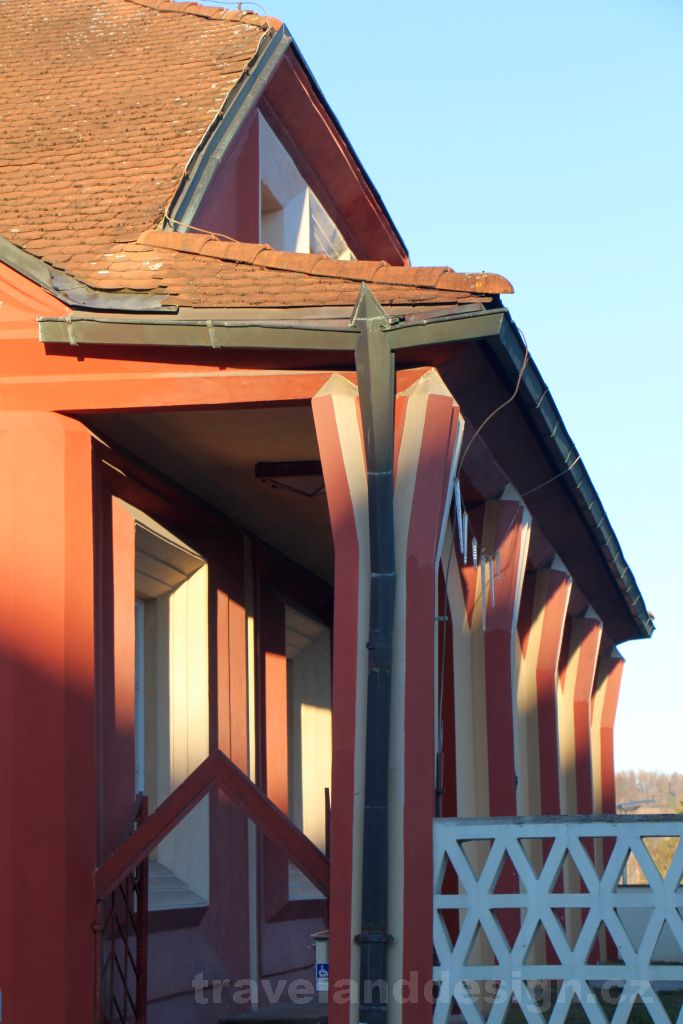
The modernist architect Pavel Janák left behind some real architectural gems in the town in the cubist style. Fárův dům (Fárův House) with its cubist façade (No. 13) from 1913-1914 opens directly onto the main square. The Drechsel Villa (No. 331) in the upper part of the town above the historic centre was built in the same style in 1912-13 by the local district governor Jan Drechsler.
Famous natives of Pelhřimov
Pavel Janák, architect (*1882)
Otomar Krejča, director (*1921)
Lubomír Lipský, actor (*1923)
Jiří Lír, actor (*1923)
Oldřich Lipský, director (*1924)