Příbram
(the royal mining town since 1579)
32,770 inhabitants
Central Bohemian Region, Příbram District
Historical milestones
1216: First written records of Příbram as a settlement of the Bishops of Prague.
1406: Archbishop Zbyněk Zajíc of Házmburk granted Příbram town privileges.
1431: The local mines and town are acquired by the Bohemian kings.
1534: Příbram becomes a town.
1579: Emperor Rudolf II Habsburg granted Příbram the status of a royal mining town.
1849: A technical mining school is founded in the town.
1864: The mining school is promoted to a mining academy.
1875: The town is connected to the railway network.
1892: One of the world’s worst mining disasters occurs at the St. Maria Mine. A fire breaks out and 319 miners suffocate from carbon monoxide poisoning.
1904: A mining university is founded in Příbram.
1945: The mining university was relocated to Ostrava.
1948: The communist regime began uranium mining in local mines, with political prisoners also participating under inhumane conditions.
1959: A meteorite fell in the town, which was photographed for the first time during its impact.
1978: Silver mining in Příbram ended.
1991: Uranium mining in the mines was terminated.
Interesting facts about the town
Příbram used to be one of the most important mining towns in Bohemia, where silver and lead were mined. Mining here was started by the bishops of Prague, who built a gothic castle in the town centre to ensure the safety of the mines and the mined silver. However, the archbishop’s authority soon became unpopular with the local population, and so the town sided with the Hussites during the Hussite Wars. As a result, it was besieged three times and conquered by Catholic troops.
After the Hussite Wars, mining stagnated, although the town gradually grew and experienced its greatest boom in the 16th century. During the Thirty Years‘ War, the demand for iron increased, and mining began in Příbram in 1642. It was not until the 18th century that silver mining returned in newly opened deep mines, where progressive mining technologies were developed to make them profitable again. Mining then continued in line with the development of world silver prices, with the last boom occurring shortly after the Second World War. At that time, the deepest mines in the Czech Republic were also established here. At the same time, uranium mining, which began after the Second World War, left a bitter taste of the abuse of forced labour by political prisoners, who had to work here in often inhumane conditions in the 1950s. Many of the mines around the town have left behind numerous slag heaps that remain to this day.
Not much has been preserved from the historical centre of the town, as most of the historic buildings were demolished in the 1970s and replaced by prefabricated housing estates of the growing socialist city.
Příbram has a special place in literature, as not only Fráňa Šrámek and František Gellner wrote about life there, but also Jan Drda. In particular, his work Němá barikáda (The Silent Barricade) describes the events of the war in Příbram. Příbram also features in his work Městečko na dlani (The Town on the Palm of Your Hand), albeit under the name Rukapáň.
Due to Antonín Dvořák’s frequent stays in the town, the Antonín Dvořák Music Festival is still held in his honour in Příbram and the surrounding area.
The biggest tourist magnets
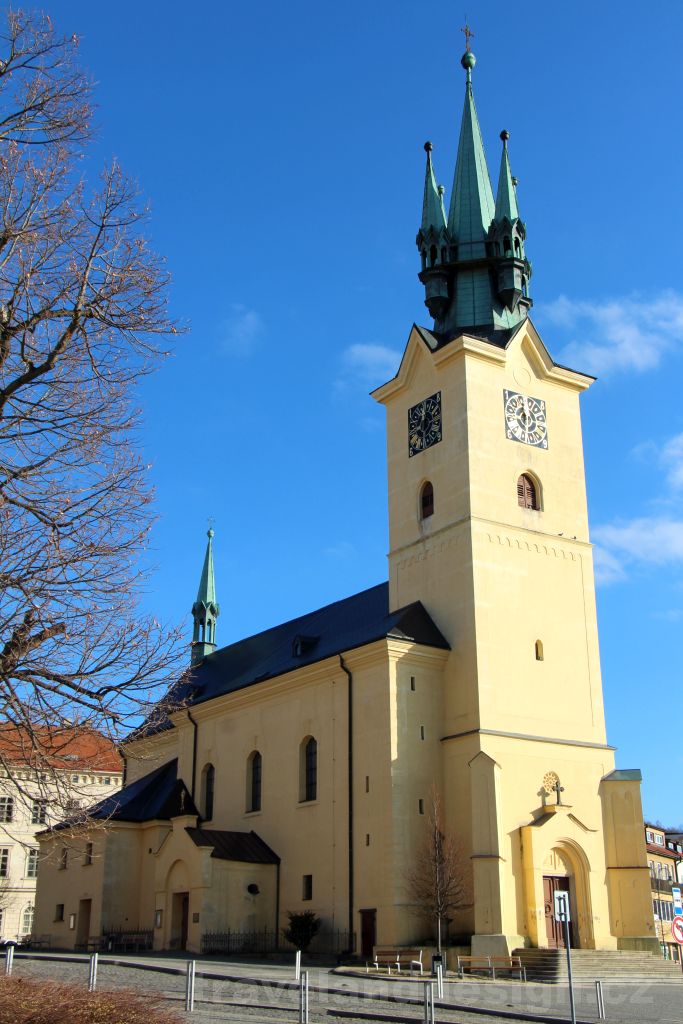
The renovated historic centre of the town occupies a rather unusual position in the hilly landscape of Brdy, with even the main T. G. Masaryk Square, being relatively sloping. The main landmark of the town centre is the originally gothic Church of St. James the Greater, which was rebuilt in the neo-romanesque style in 1869. It is the oldest building in Příbram, dating from the first half of the 13th century, which initially also served a defensive purpose. The clock on the tower has its hands set backwards, with the small hand showing the minutes and the large hand showing the hours.
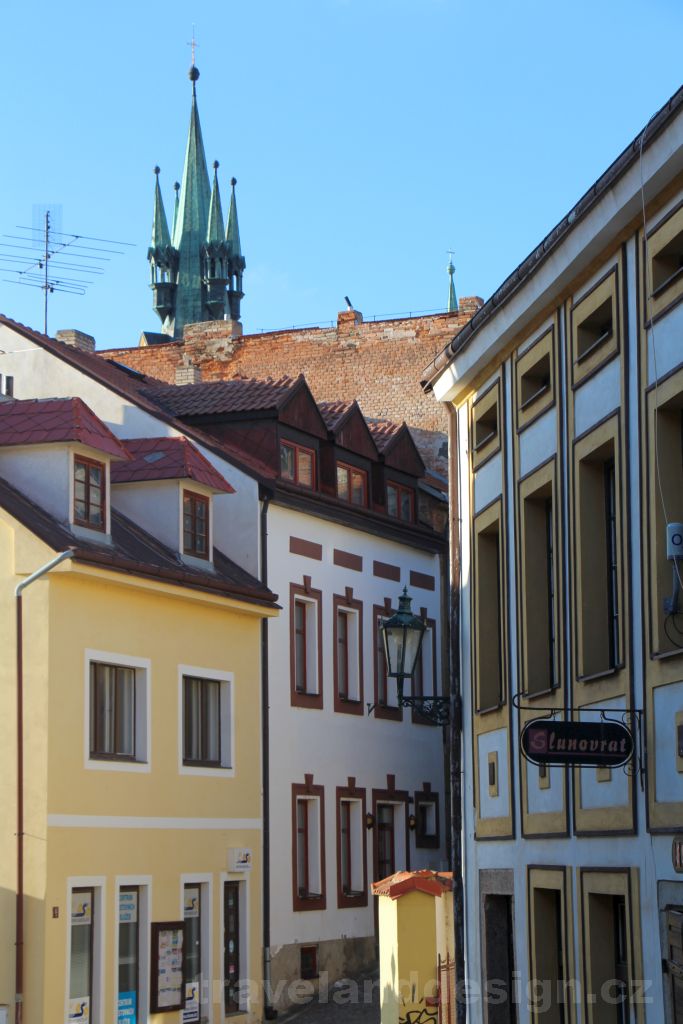
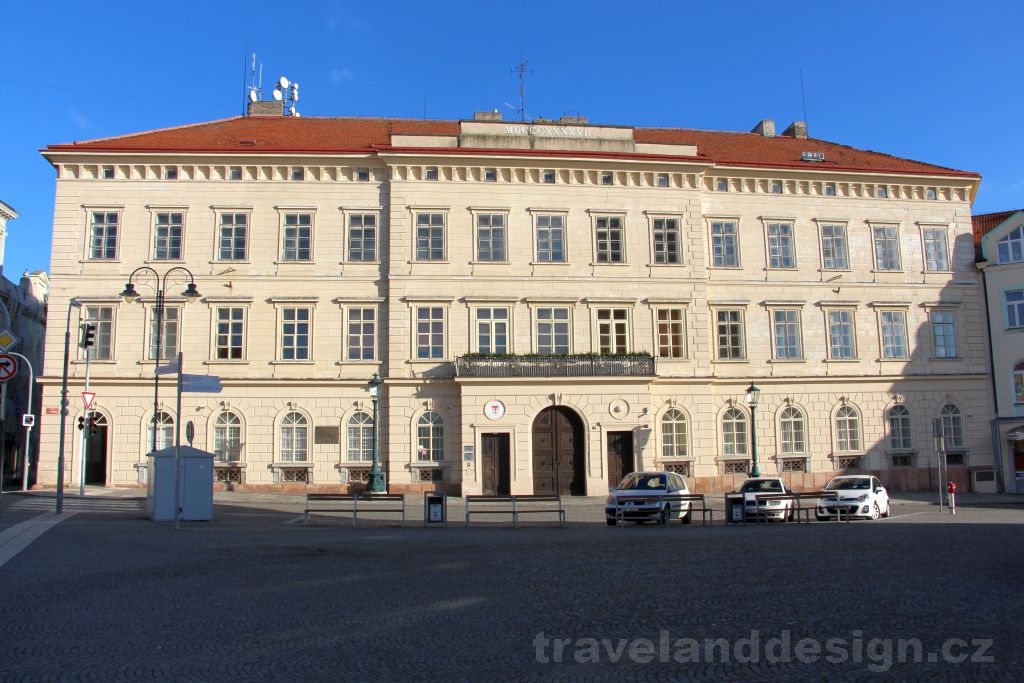
The most beautifully preserved historical part of the town is Dlouhá Street, lined with some baroque-style town houses and the extensive classicist building of the mining directorate from 1844-7, which was probably designed by the architect Pietro Nobile. In 1889, the Austro-Hungarian heir to the throne, Franz Ferdinand d’Este, stayed there.
Miraculously, however, the gothic archbishop’s castle, now called Ernestinum after the Prague archbishop Arnošt (Ernest) of Pardubice, who had it built in the mid-14th century, has been preserved on the hill above the square. To this day, a number of gothic elements have been preserved on its facades, although the building underwent a relatively extensive baroque renovation in 1670. Later, it housed a mining college. Part of the former castle interiors now houses an exhibition of photographs by the famous photographer František Drtikol.
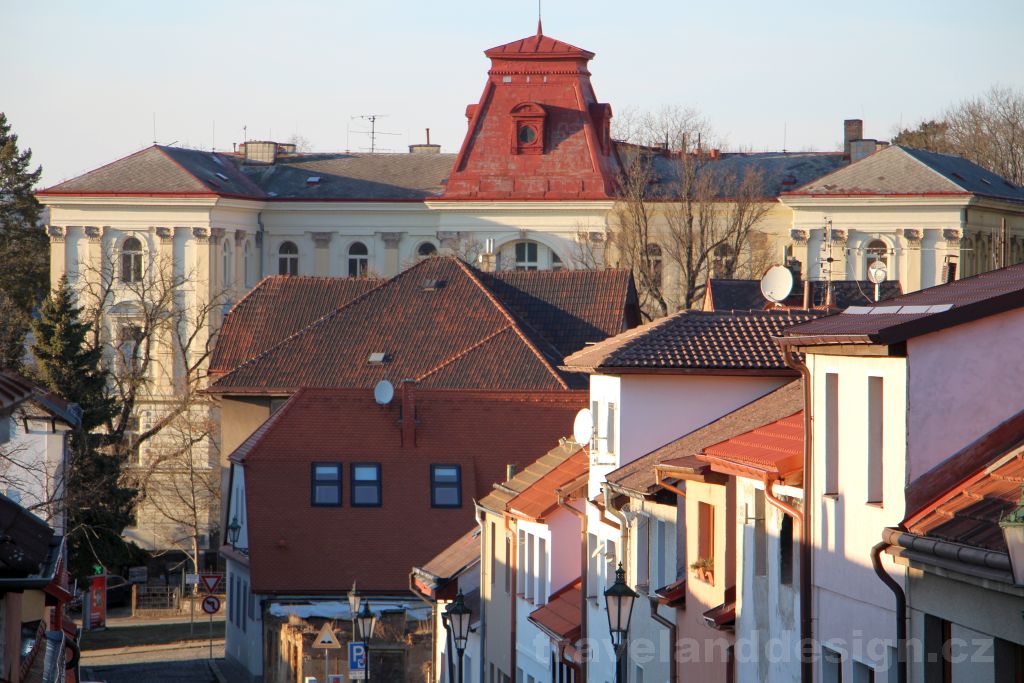
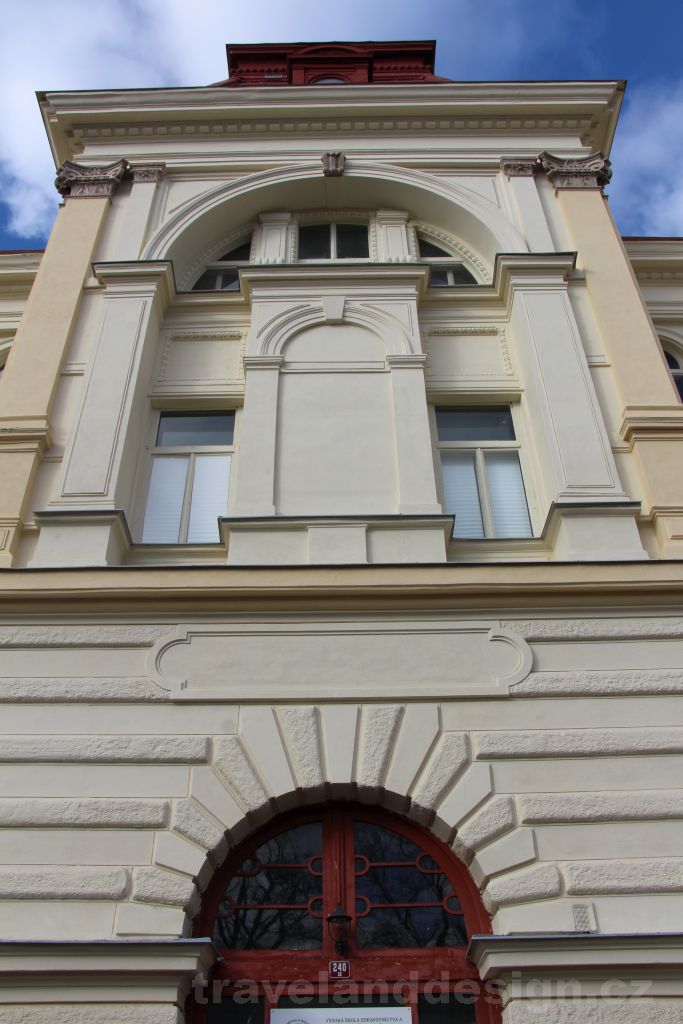
Next to Jiráskovy sady, the former city promenade, stands a rather striking historicist building from 1892, designed by architect Vojtěch Ignác Ullmann for a seminary, but later used as the rector’s office of the local mining university. In its vicinity, however, there are other striking public buildings such as an orphanage, a secondary school and a neo-baroque primary school. Ullmann’s work also includes the representative neo-renaissance town hall building from 1889-91 with a beautiful interior staircase.
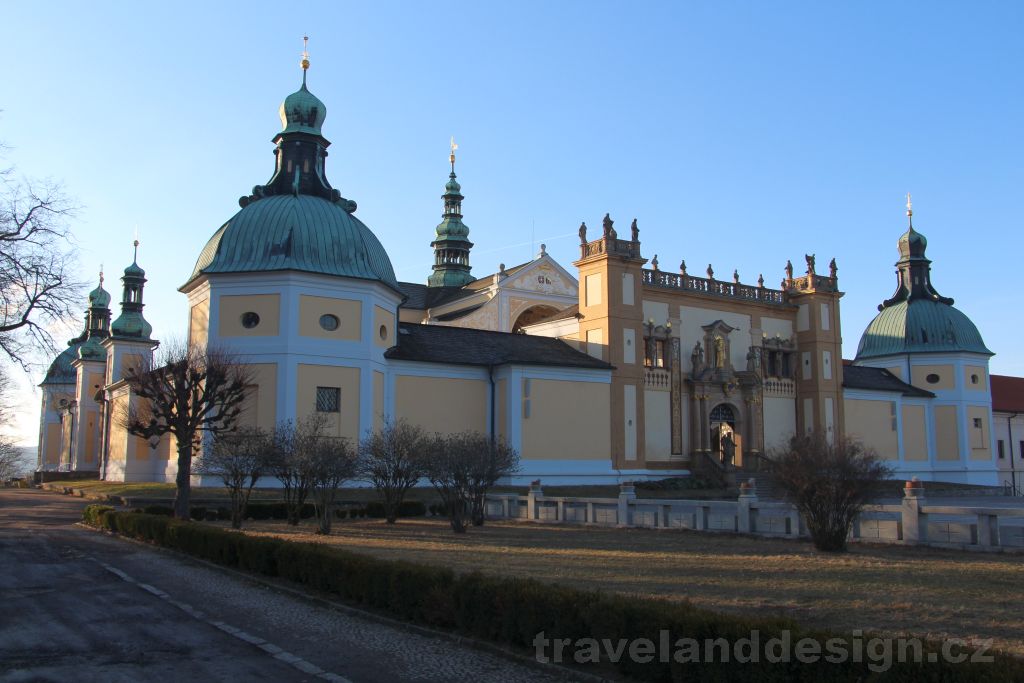
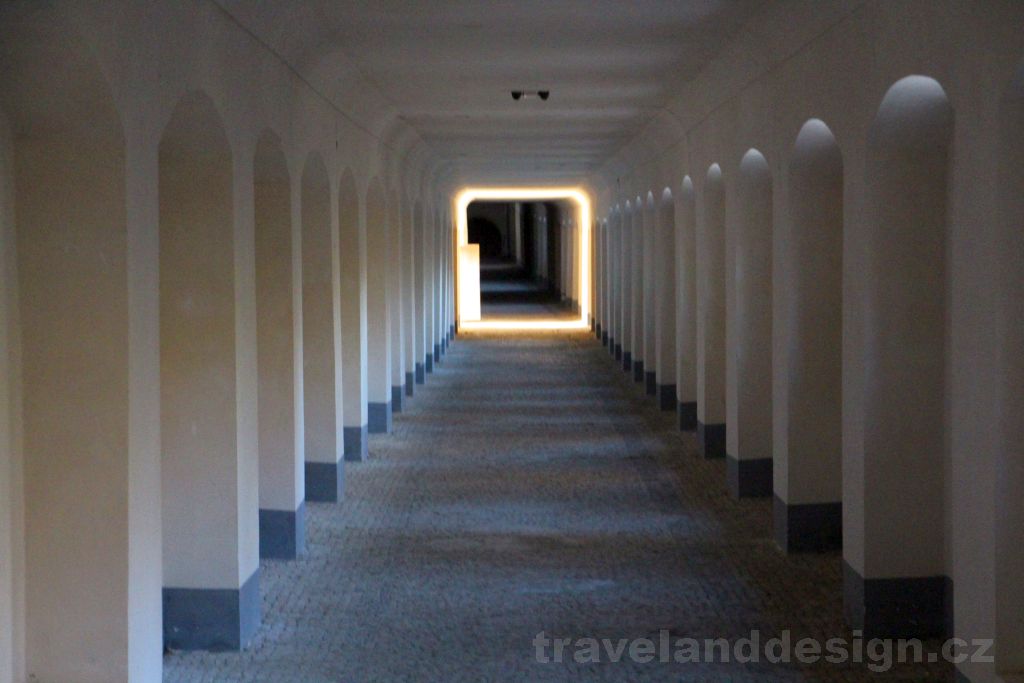
The absolute architectural sensation of the town, however, is the pilgrimage site of Svatá Hora above the town centre, which is one of the most valuable sacred baroque sites in our country. It is connected to the town by a unique long covered staircase – the Svatá Hora Stairs, designed by the famous architect Kilian Ignaz Diezenhofer. The originally gothic Church of the Assumption of the Virgin Mary was rebuilt by the famous Italian architect Carlo Lurago in 1660-73 and enriched with covered and painted corridors of the cloister with polygonal chapels in the corners, a Jesuit residence and a monastery. The pilgrimage statue of the Virgin Mary is said to have been carved by the first Archbishop of Prague, Arnošt of Pardubice. The Prague chapel houses a painting of the Annunciation by the famous baroque painter Petr Brandl.
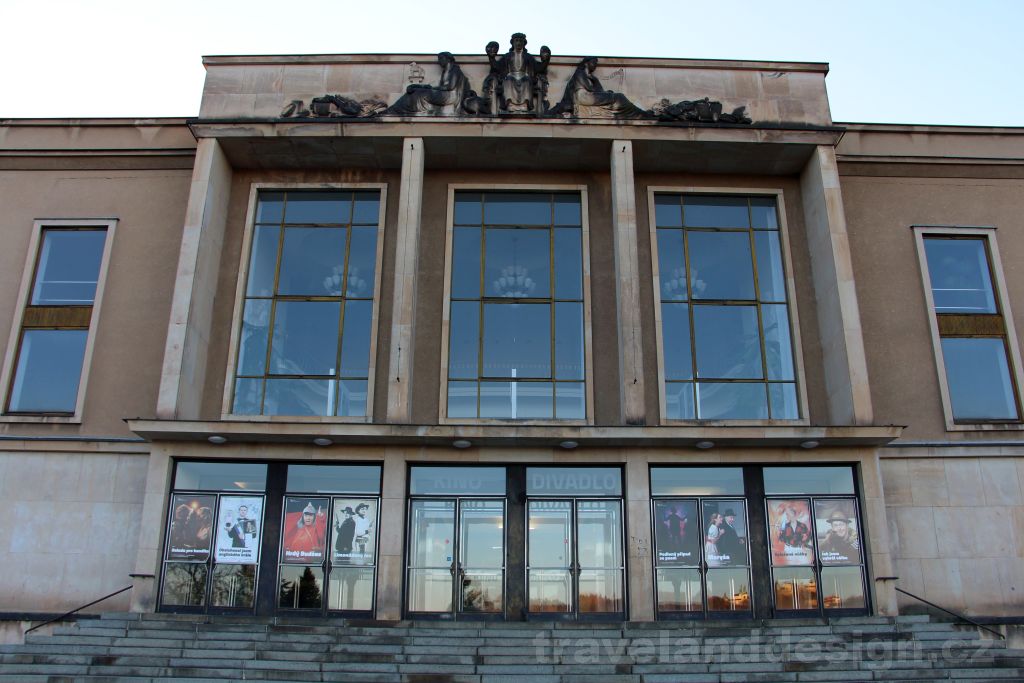
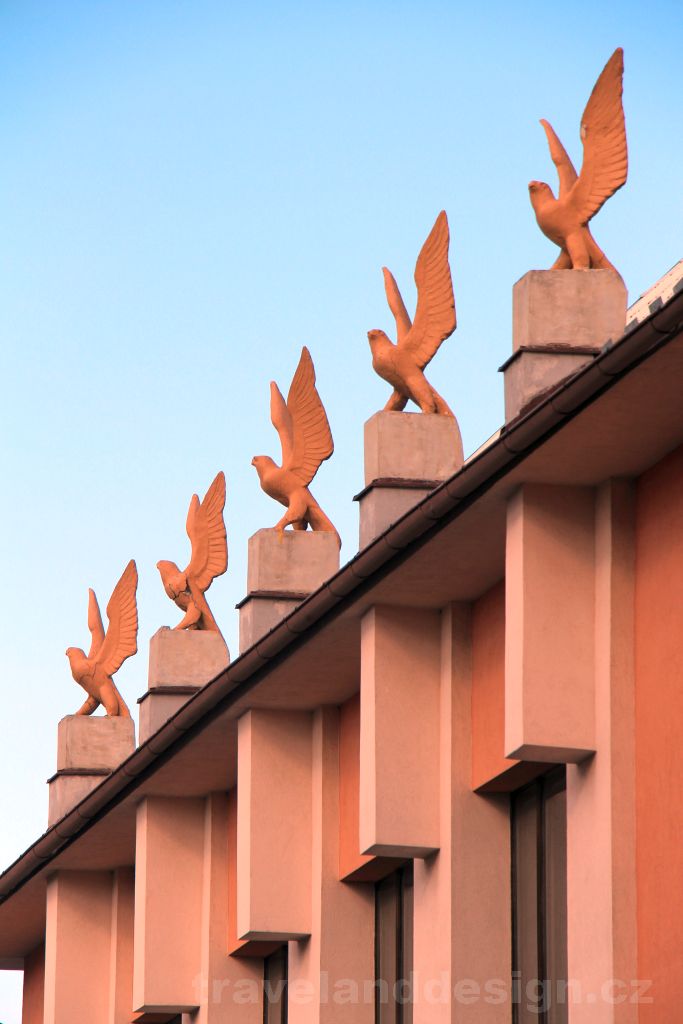
From the socialist era, the town still has the House of Culture built in the style of socialist realism by architect Václav Hilský between 1957 and 1959. The relatively progressive building integrated the famous local theatre, a cinema for 600 spectators, a hotel, a restaurant and a hall.
Famous natives of Příbram
František Drtikol, photographer (*1883)
Jan Drda, writer (*1904)
Evžen Sokolovský, director (*1925)
Vojtěch Steklač, writer (*1945)
Martin Myšička, actor (*1970)
The famous who stayed in the city
Arnošt of Pardubice, Archbishop of Prague
Bohuslav Balbín, writer and historian
Antonín Dvořák, composer
František Gellner, writer
Karel Effa, actor
Josef Hlinomaz, actor