Kolín
(a royal town since 1257)
Population: 33,400
Central Bohemian Region, Kolín District
Historical milestones
1257: King Přemysl Otakar II founded a new royal town on the river Elbe, which he had surrounded by a double ring of walls.
1377: Jews arrived in the town, subsequently forming one of the largest communities in the country.
1413: A fire destroyed most of the town centre.
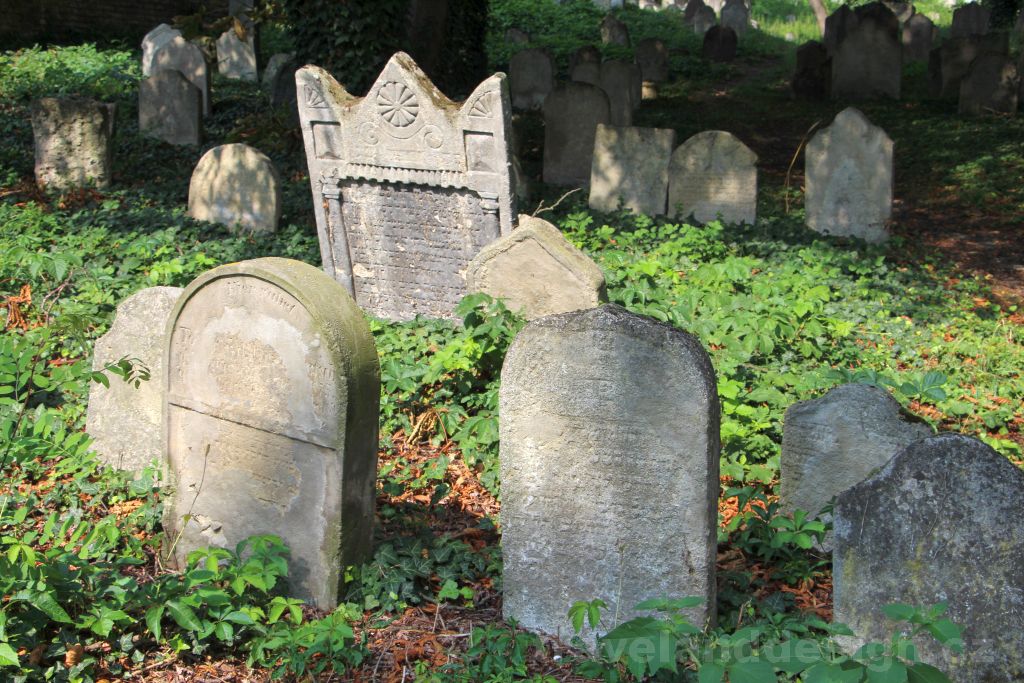
1418: The second most important Jewish cemetery in the country was established.
1421: Kolín was seized by the Hussites, who destroyed the local Dominican monastery.
1427: The town was occupied by the Hussite captain Jan Čapek of Sán, and thus became a vassal town.
1434: Bedřich of Žerotín became the new lord of Kolín; he had a castle called Lapis refugii built on the site of the monastery. At the same time, he had the Powder Tower built on the opposite bank of the Elbe.
1458: King George of Poděbrady seized the castle and the town as his personal property.
1471–1476: The town was ruled by the Princes of Münsterberg, descendants of King George of Poděbrady.
1476: Kolín was purchased by Hungarian king Matthias Corvinus.
1486: King Vladislav II Jagiellon became lord of the town.
1519: Thanks to King Louis Jagiellon, Kolín is once again classified as a royal town.
1547: As Kolín had taken part in the first anti-Habsburg uprising, it was severely penalised following its defeat.
1580: The town was struck by an earthquake.
1589: A devastating fire swept through Kolín, a scenario that was repeated in 1597 and 1617.
1618: The town took part in the Estates’ Revolt and, following its defeat, suffered greatly from the confiscation of its land holdings.
1628: Following the completion of the city’s recatholisation, the confiscated estates were returned to it by the king Ferdinand II of Habsburg.
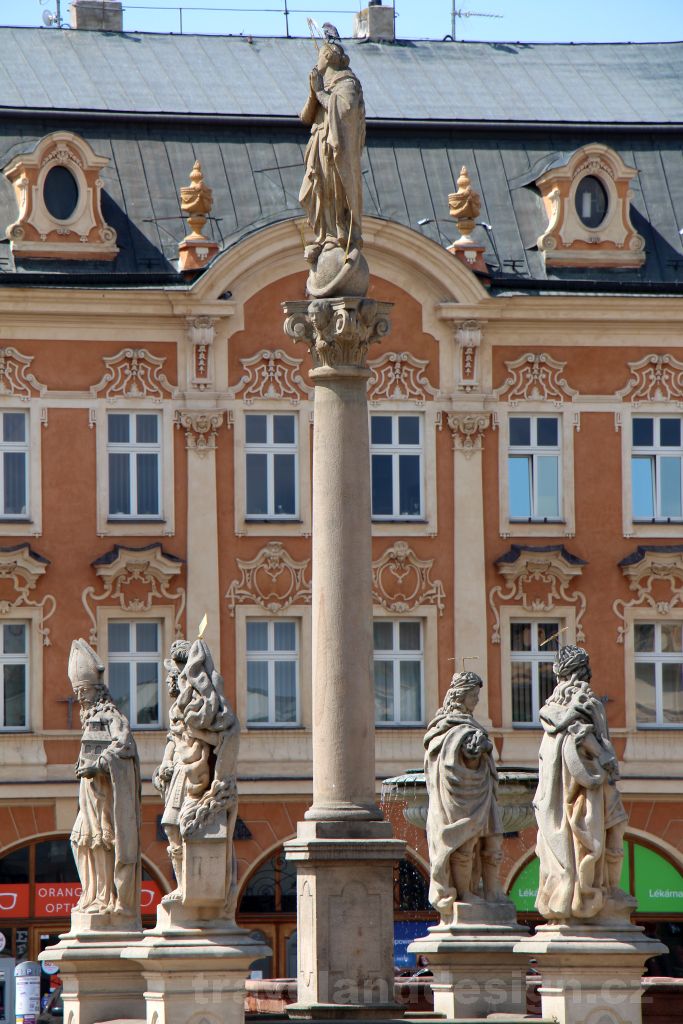
1680: A severe plague epidemic swept through the town; the Plague Column on Charles Square stands as a memorial to this event.
1740–1748: During the War of the Austrian Succession, Kolín was captured and sacked on several occasions.
1757: The Battle of Kolín, fought between Austrian and Prussian forces, took place near the town, in which the Prussian King Frederick was defeated.
1796: Kolín was almost entirely destroyed by a massive fire.
1845: The railway was extended to the town.
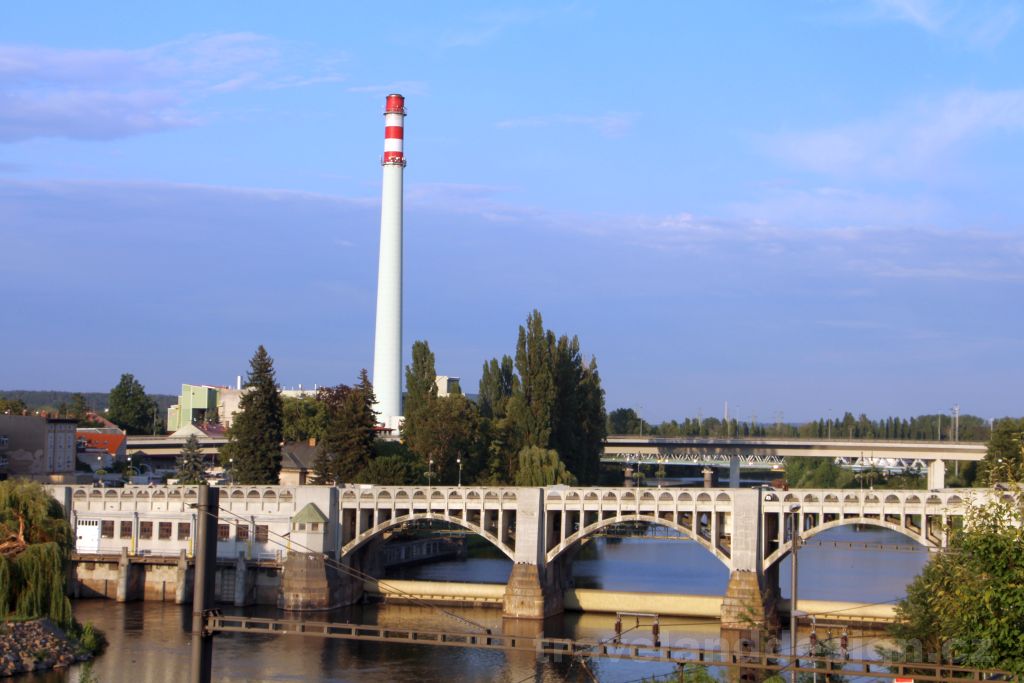
1932: The functionalist ESSO thermal power station, featuring the tallest chimney in Bohemia, was built on the right bank of the river Elbe.
1989: The historic town centre is protected as an urban conservation area.
Interesting facts about the town
When the ‘King of Iron and Gold’ decided in the mid-thirteenth century to found a new royal town as his stronghold on the plain east of Prague, he chose a hill on the left bank of the River Elbe that had been inhabited since prehistoric times. With this move, he abandoned the original village, surrounded by marshes, on the Klejnárka river – the predecessor of today’s town, now known as Starý Kolín. The town’s name ‘Kolín’ is thought to be derived from the verb ‘kolit’, meaning ‘to drive stakes into the ground’. These were used to stabilise the marshy ground, on which houses could then be built.
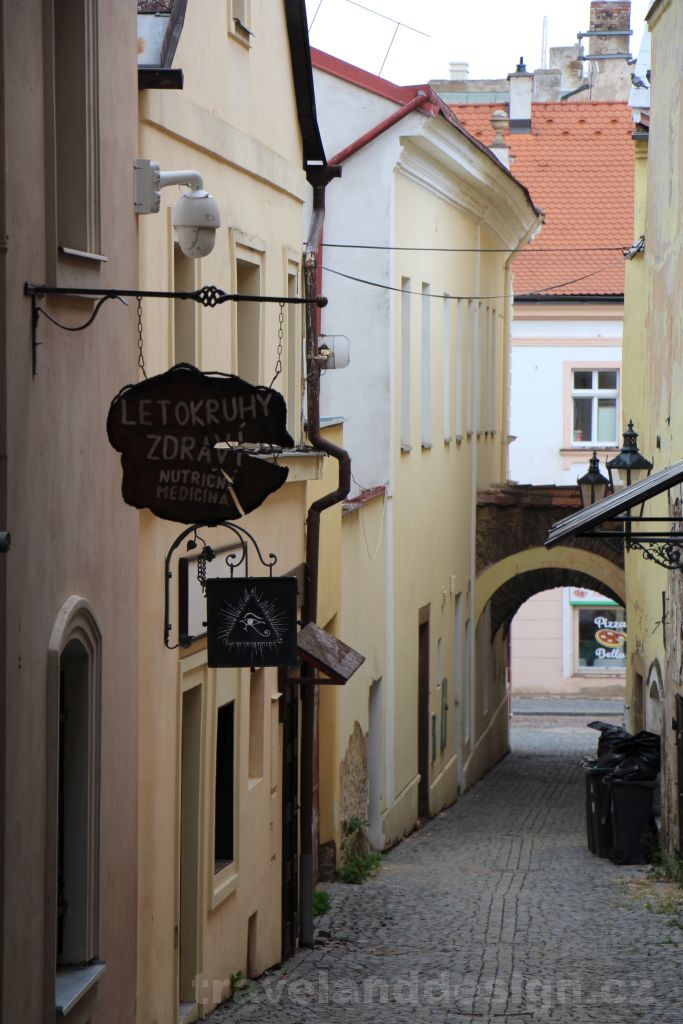
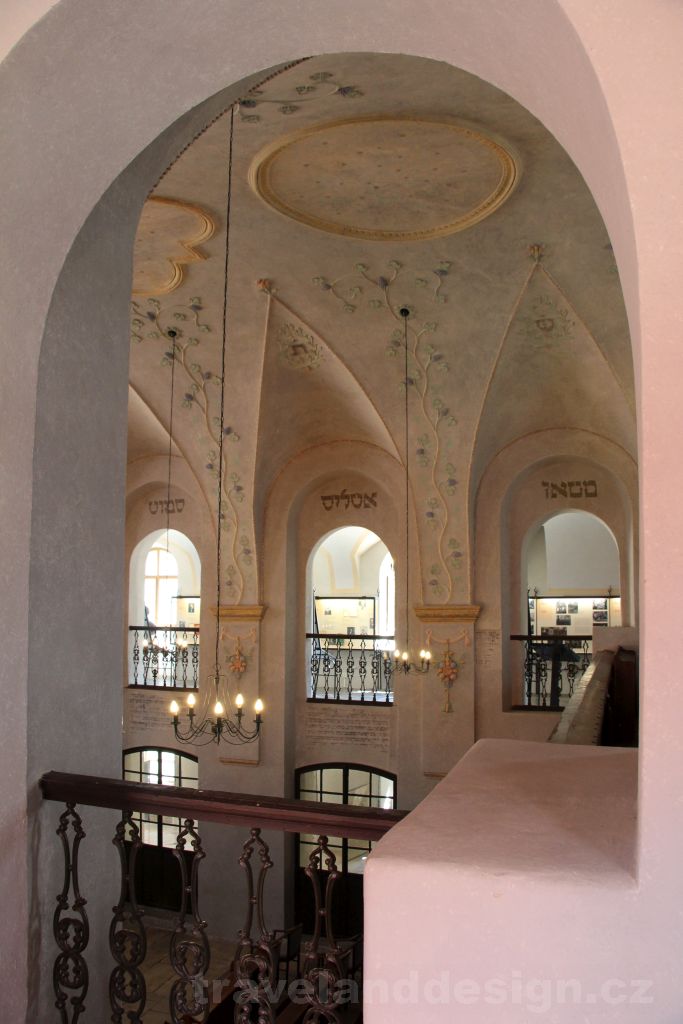
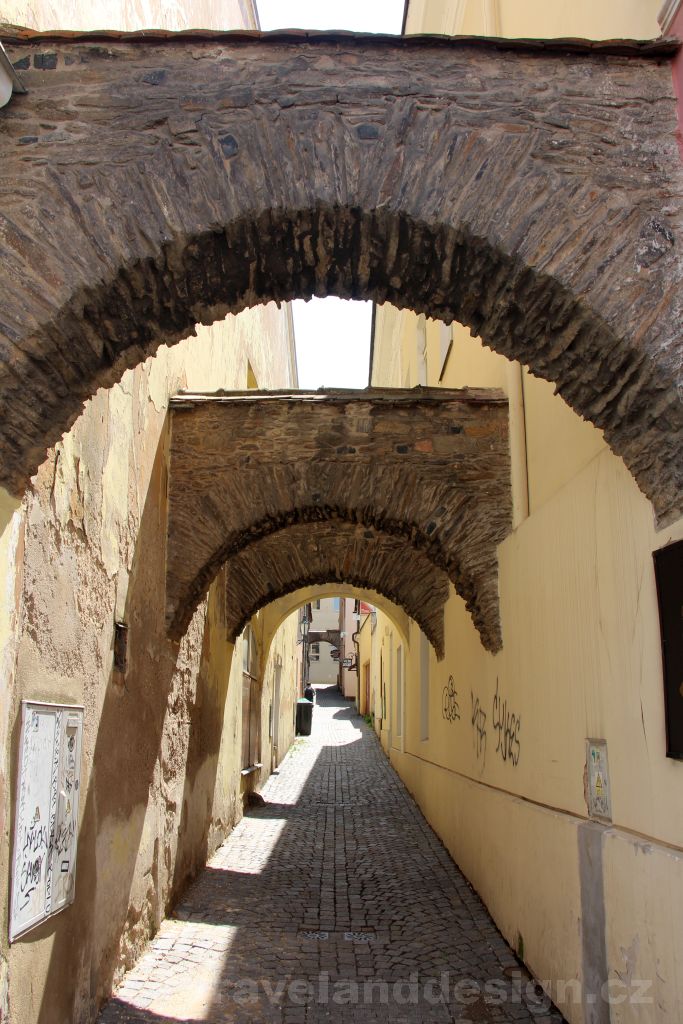
Due to its exceptionally influential Jewish minority, Kolín was also known as ‘Jerusalem on the Elbe’. A remnant of the Jewish community in the town is the ghetto itself, complete with a synagogue, which is open to the public as a memorial. It is a valuable early baroque building from the 17th century, tucked away in the courtyard of the Jewish school. However, the Old and New Jewish Cemeteries from the late 19th century are the most outstanding Jewish monuments of all. The Old Jewish Cemetery is the second-largest and oldest Jewish burial ground in the Czech Republic, second only to Prague, and in 1599 the son of the Prague rabbi Löw was buried there. Today, visitors can view the 2,600 preserved gravestones here after borrowing a key. The local Jewish community produced some of the most prominent leaders of the Bohemian business elite, led by the Petschek family – coal barons and bankers – and the Mandelík family – major sugar industry magnates.
Every year in mid-June, the town hosts the Kmochův Kolín brass band festival.
In the nineteenth century, Kolín was one of the most important centres for the emergence and rapid development of industrial production. As a result, it soon became the largest town in eastern Bohemia and the industrial heart of the central Elbe River basin. In addition to mills on the River Elbe, a malt house and brewery were established here, along with the famous Kolín chicory factory, a sugar refinery, a soda water factory, a confectionery factory, and eventually a refinery, a potash plant, a fertiliser factory and an engineering works. In 1930, the unique functionalist ESSO heating plant, designed by the leading architect Jaroslav Frágner, was built here in just two years and remains in operation to this day. In 1931, a technologically advanced hydroelectric power station and a lock were constructed within the structure of the Masaryk Bridge.
Today, you can also take a ride on the famous narrow-gauge beet railway around Kolín. Near the village of Křečhoř stands a memorial to the battle of Kolín, which took place here in June 1757.
Top tourist attractions
Kolín boasts a beautifully preserved historic centre. Parts of it are still protected by a partially preserved, imposing belt of double walls, which was complemented by twelve bastions of the inner fortifications and four bastions of the outer fortifications. The town was entered through four gates, none of which have survived to this day, as they were all demolished during the town’s industrial development in the first half of the 19th century. The most intact section of the ramparts, featuring one of the bastions, has been preserved on a hillock below the church on the south-eastern side of the town centre. The walls here are two metres thick. A notable feature of the town’s fortifications is the rather isolated, tall gothic tower known as the Práchovna (Powder Tower), which has been preserved on the right bank of the river Elbe and serves as a viewing tower. It was built during the 15th century as an advanced fortification on a rocky hill.
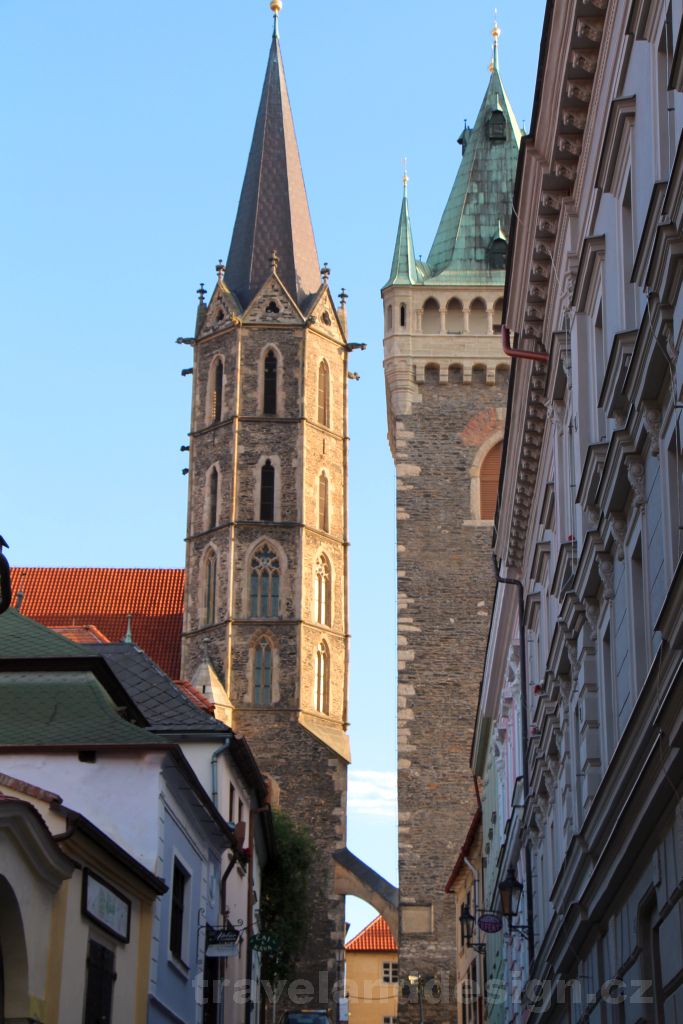
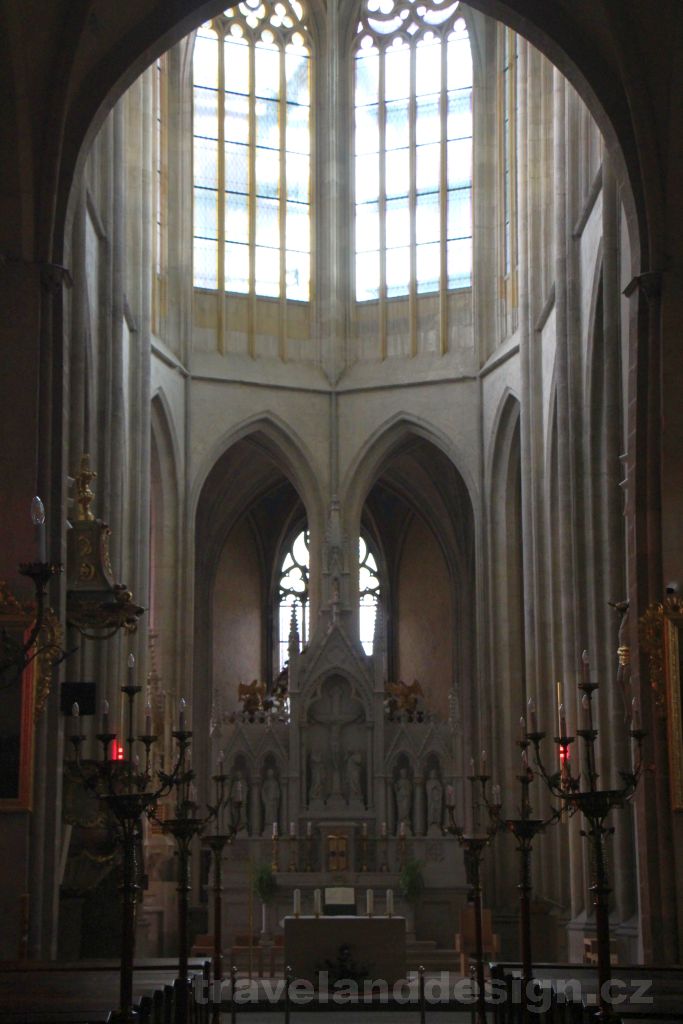
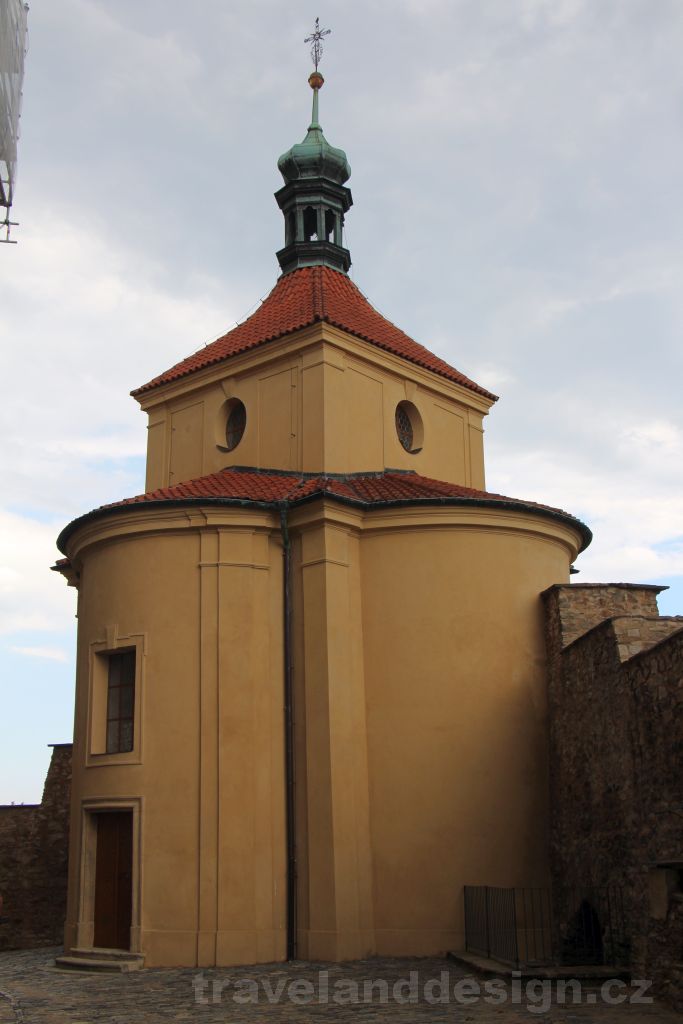
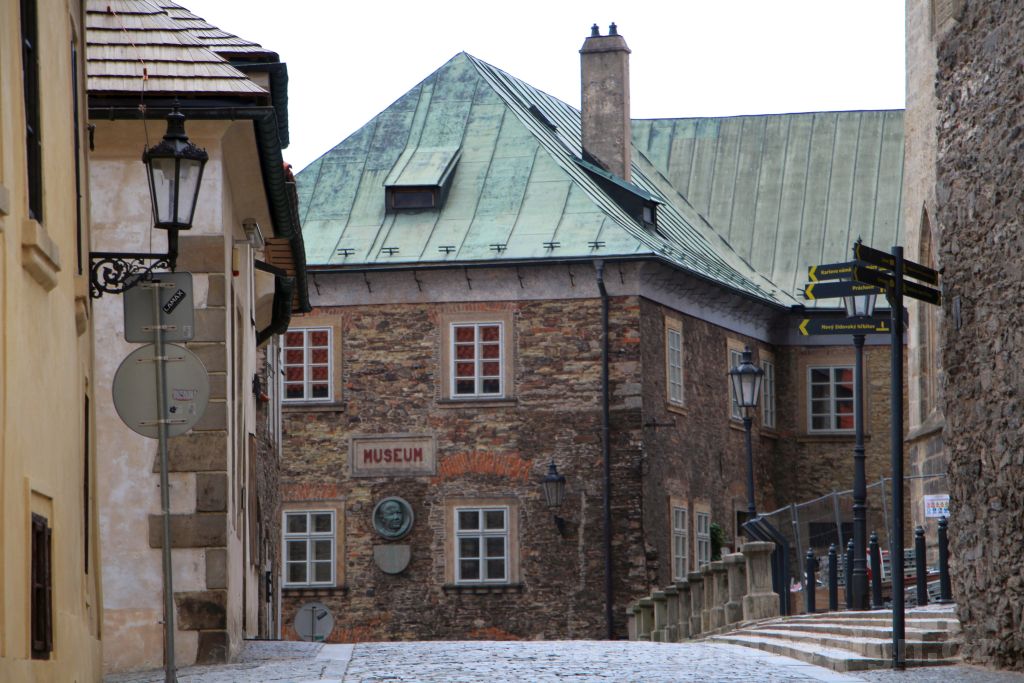
The undisputed landmark of the town is the gothic church of St Bartholomew, a masterpiece of both early and high gothic architecture standing at the town’s highest point. Particularly unique is the tall, light-filled choir with a ring of chapels, the work of Petr Parléř, a master of high gothic architecture. In the baroque-style bastion adjacent to the vast structure of Kolín Cathedral, we find an ossuary and, beneath it, a beautifully landscaped outer bailey garden with herb beds. Adjacent to the cathedral on the hill stands a separate prismatic bell tower, beneath which lies the archdeaconry building housing the regional museum.
As the town temporarily held the status of a feudal domain, a noble residence was built here in the fifteenth century, later converted into a renaissance chateau. In the nineteenth century, however, it was converted into a brewery, and today it is being restored to its original appearance with its original 16th-century sgraffito plasterwork. The most original fortification feature is the low, prismatic gothic gate.
The town centre is centred around the spacious, rectangular Charles Square. In the middle of the square stands a baroque plague column dating from 1682, which serves as a reminder of one of the tragedies that befell this town. Apart from the plague, however, Kolín was ravaged by numerous fires. As a result, only scant remains of the original gothic buildings have survived in the form of portals and windows of some town houses, particularly the archdeacon’s house adjacent to Kolín cathedral. Otherwise, however, baroque and classicist architecture predominates here. baroque gabled houses, built here after 1734, line Charles Square. Alongside these, however, stands the original renaissance town hall. Its present appearance, however, is neo-renaissance. The town hall’s walls are topped by intricate gables, and the façade is adorned with large frescoes by the painter Adolf Liebscher. It was built here between 1887 and 1889 to plans by the architect Jan Wejrych.
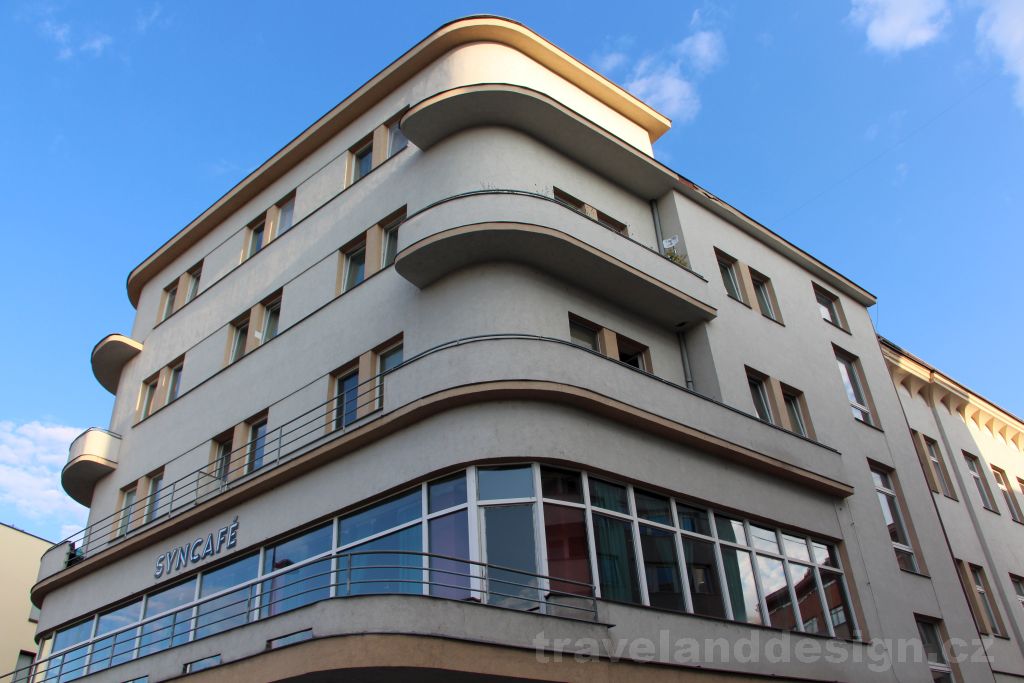
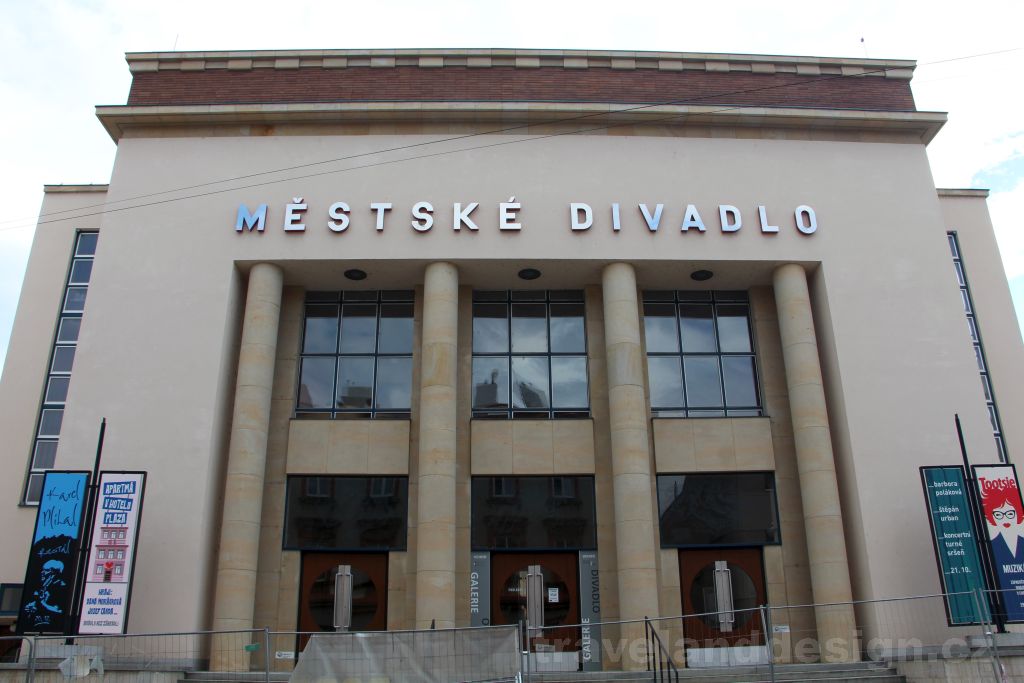
Among the examples of modern architecture, the cubist apartment blocks on the edge of the Jewish ghetto are particularly striking. These were built here between 1923 and 1925 by the architect Jindřich Freiwald. The same architect later built the Municipal Theatre here as well. In the Prague suburbs, another landmark was built between 1928 and 1930 in the form of a functionalist water tower; at its or summit is a viewing tower.
Famous natives of Kolín
Jakub Krčín of Jelčany, fish farmer (*1535)
Jean Gaspard Deburau, French mime artist (*1796)
Julius Petschek, businessman and banker (*1856)
Josef Svatopluk Machar, poet (*1864)
Terezie Brzková, actress (*1875)
Rudolf Kremlička, painter (*1886)
Josef Sudek, photographer (*1896)
Luboš Dobrovský, politician and minister (*1932)
Libuše Geprtová, actress (*1941)
Miloš Zeman, politician and former president (*1944)
Tomáš Jeřábek, actor (*1974)
Bohdan Ulihrach, tennis player (*1975)
Vít Rakušan, politician (*1978)
Michal Novotný, actor (*1979)
Barbora Poláková, actress and singer (*1983)
Famous people who have lived in the town include
František Kmoch, musician and composer