Louny
(the royal town since the second half of the 13th century)
18,070 inhabitants
Ústí nad Labem Region, Louny District
Historical milestones
1115: First written mention of the village of Lúny, which initially surrounded a ford and later a bridge over the Ohře River.
1260s: King Přemysl Otakar II founded a royal town on the site of the settlement, which was populated by Saxon colonists.
1295: First written mention of the royal town of Louny, which was surrounded by a belt of walls with two gates.
1418: The town joined the Hussite movement and formed a town union with Slaný and Žatec. It was one of the five chosen towns under the nickname Měsíc (the Moon).
1490: Most of the town was destroyed by a catastrophic fire, which led to its generous reconstruction in the late gothic style, further encouraged by another fire in 1517.
1582: Louny was struck by a plague epidemic, which killed 2,000 people, leaving the town virtually depopulated.
1620: The town was conquered by Albrecht von Wallenstein’s army, which burned down the Žatec suburbs. A long period of looting began, which affected the town throughout the Thirty Years‘ War, whether by the Saxons or the Swedes.
1869: The first sugar factory was established in the town and brewing and hop growing flourished.
1872: Louny is connected to the imperial railway network and the first train departs for Most.
1942: The mayor of Louny, Josef Fousek, was executed by the Nazis during the Heydrich terror.
1992: Louny becomes an urban conservation area.
Interesting facts about the town
The district town of Louny, originally Lúny, known as the Pearl on the Ohře River, was founded to protect a strategically important ford on the trade route from Prague to Dresden. After the royal town was founded by King Přemysl Otakar II, salt in particular flowed through here to Saxony, and so the town quickly became wealthy. Trade was soon joined by hop growing, which was followed by beer brewing in many breweries.
The origin of the town’s name is not entirely clear. Some associate it with the Old Czech word for Moon, Luna. However, it seems more likely that it is derived from the word lúna, which used to be a term for rapids or shoals. The name of the town is therefore most likely based on the rapid current of the Ohře River, which still flows through the park-like grounds beneath the massive city walls.
Louny is rightly called the Gateway to the Czech Central Mountains. It lies in the rain shadow of the steep volcanic cones of Oblík and the elongated Raná. Thanks to this, the town has one of the lowest annual rainfall totals in Czechia, reaching barely 500 millimetres. Mount Raná has always been used for non-motorised flying and is a Mecca for paragliders and hang-gliders. Because of its special location, the Nazis annexed the mountain to the Sudetenland in 1938 so that they could take advantage of the local air currents.
The greatest disaster for the historic centre was the 19th century, during which half of the city walls with the Prague Gate disappeared, as well as the Old Town Hall and some valuable renaissance houses.
The biggest tourist attractions
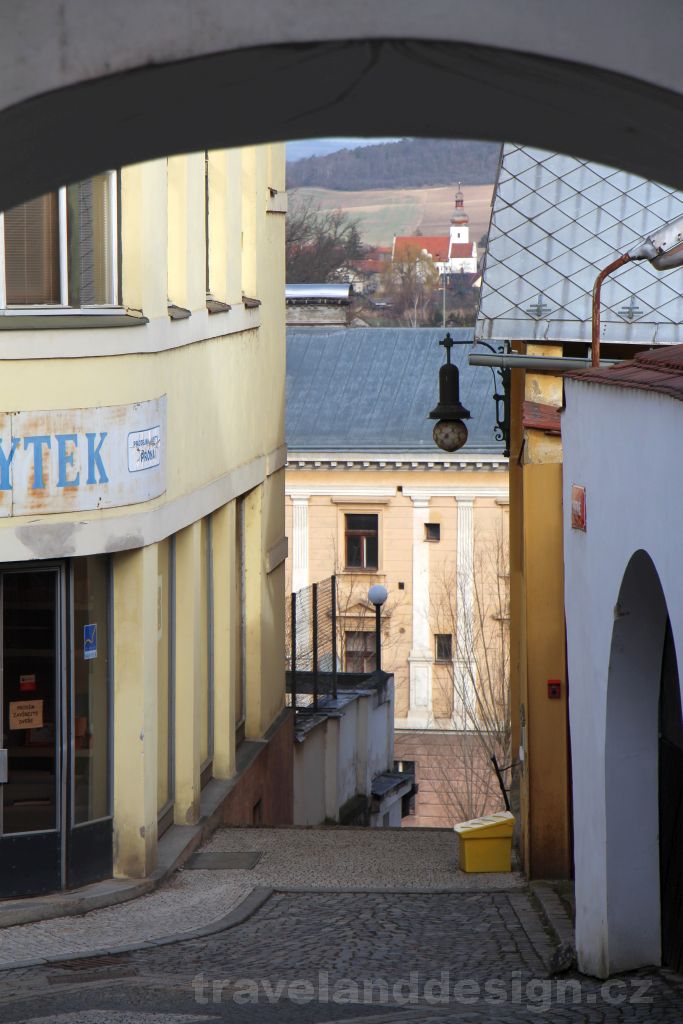
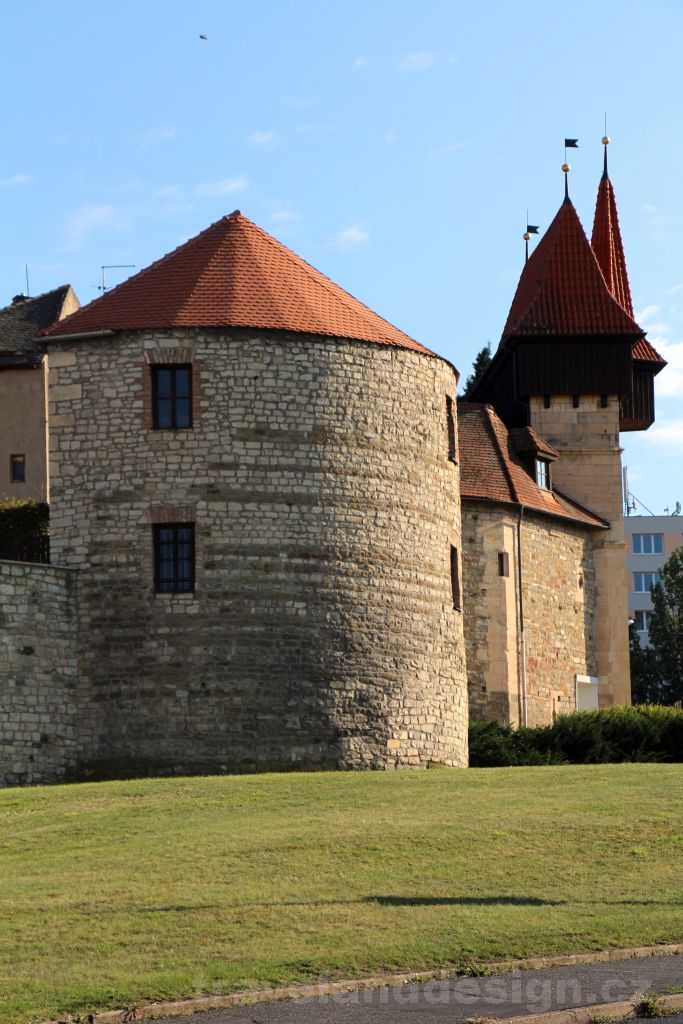
Louny has exceptionally well-preserved medieval fortifications consisting of marlstone walls with reconstructed bastions and the prismatic Brewery Tower. Of the two city gates, the Žatecká Gate from 1500 has been preserved, which was romantically modified in 1842. The Prague Gate no longer stands today, as it was demolished in 1851. One of the medieval bastions now houses the Petrified Forest, an exhibition of prehistoric araucaria.
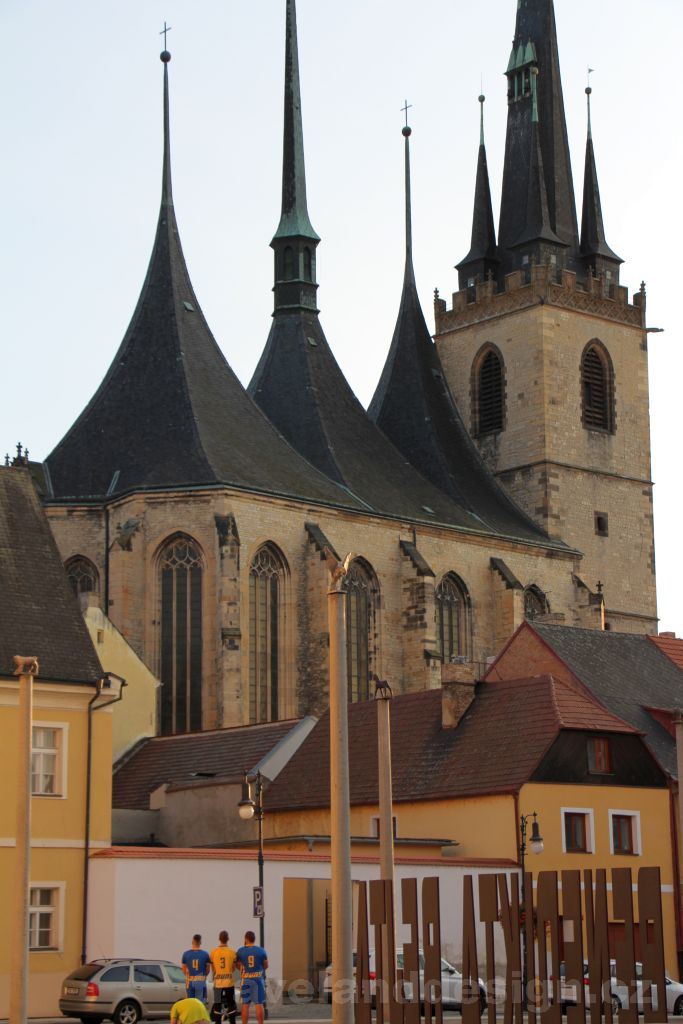
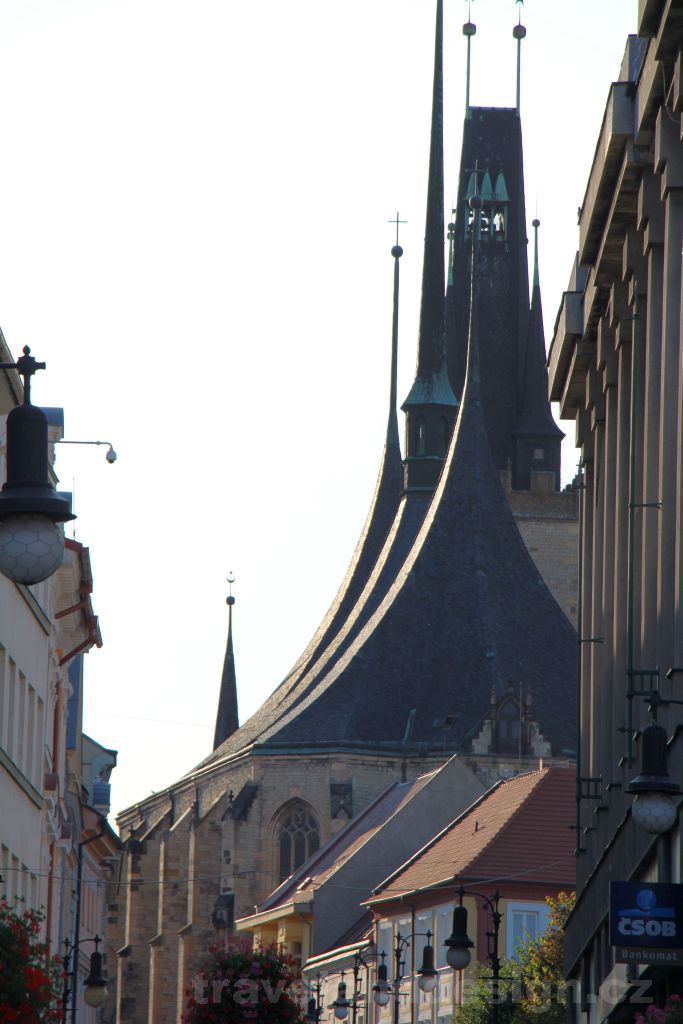
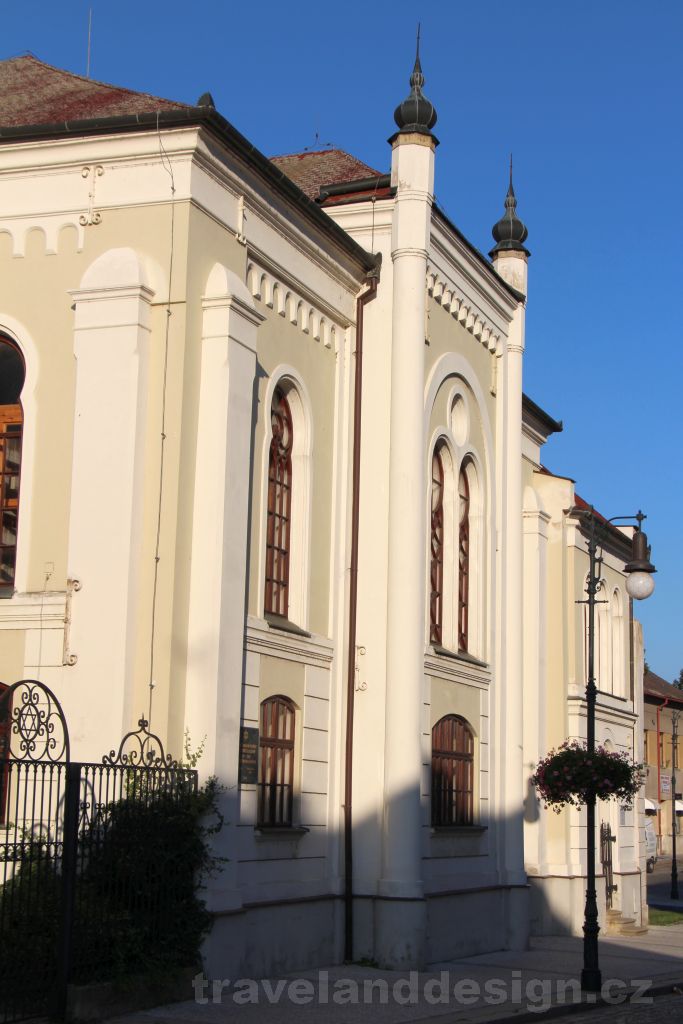
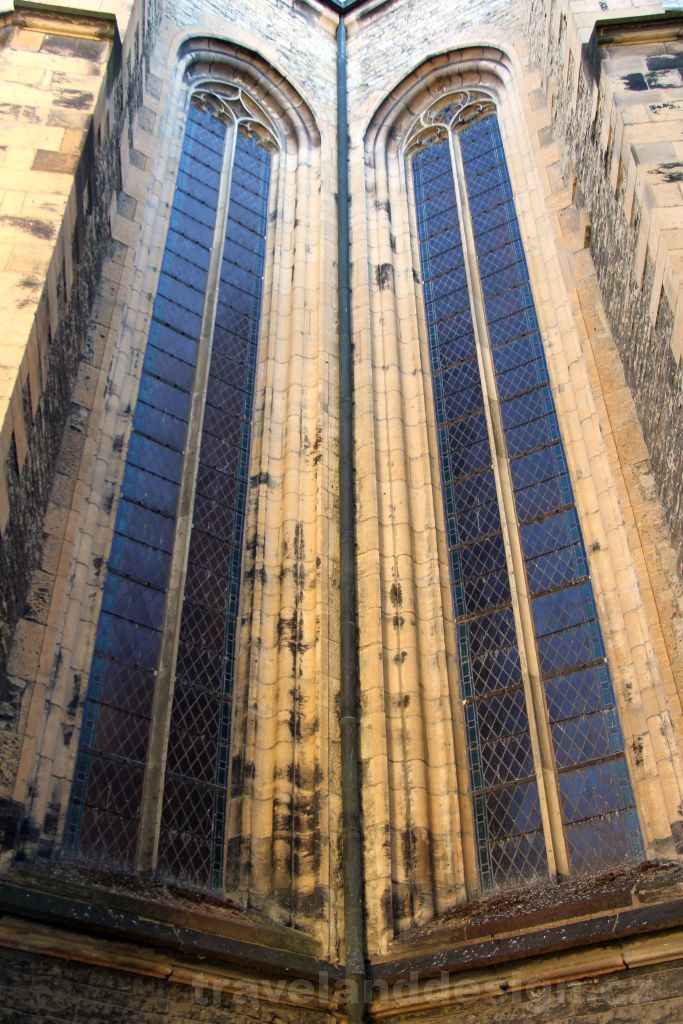
The most valuable building in the town is the late gothic St. Nicholas Church with an interesting three-part tent roof. It was built by Benedikt Rejt on the site of a burnt-down building between 1520 and 1543, adding to the original medieval gothic tower from 1332. Inside, visitors will be impressed by the tracery vaults and the pulpit from 1540. Louny also preserves a monument to the local Jewish community in the form of a reconstructed Moorish-style synagogue from 1871. However, its Torah has long since been moved to Philadelphia in the United States.
The oldest church of St. Peter has an original romanesque façade, which was puristically modified in the 19th century by architect Josef Mocker. It stands in the middle of the former settlement of Lúny, the predecessor of today’s Louny. In contrast, the Church of the Fourteen Holy Helpers was built to ward off plague epidemics during the baroque period, and its design was influenced by the famous architect Pavel Ignác Bayer.
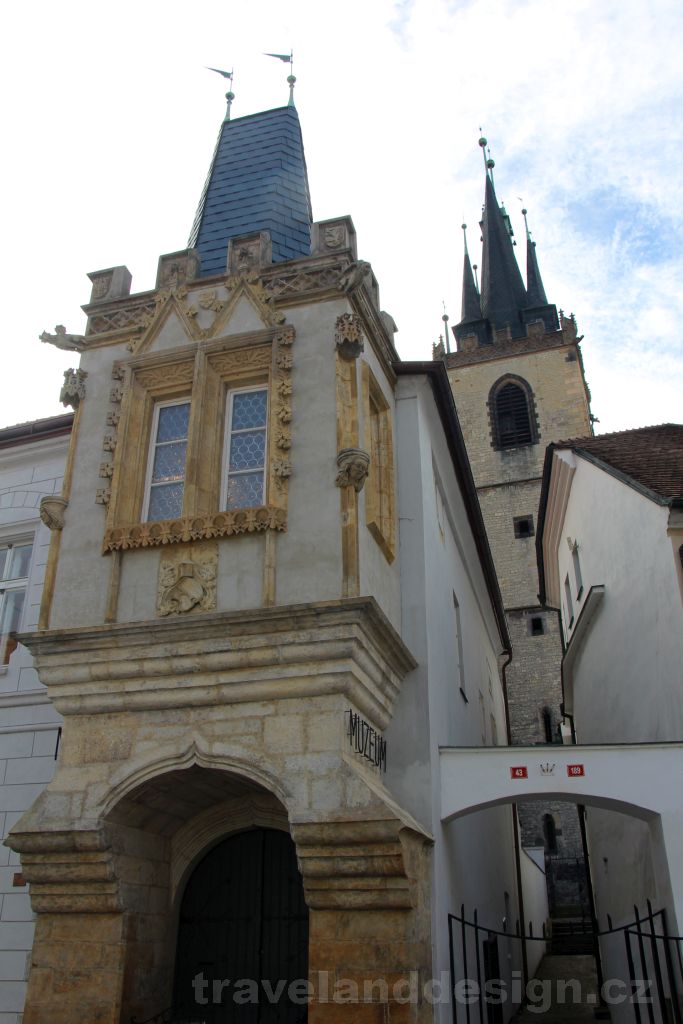
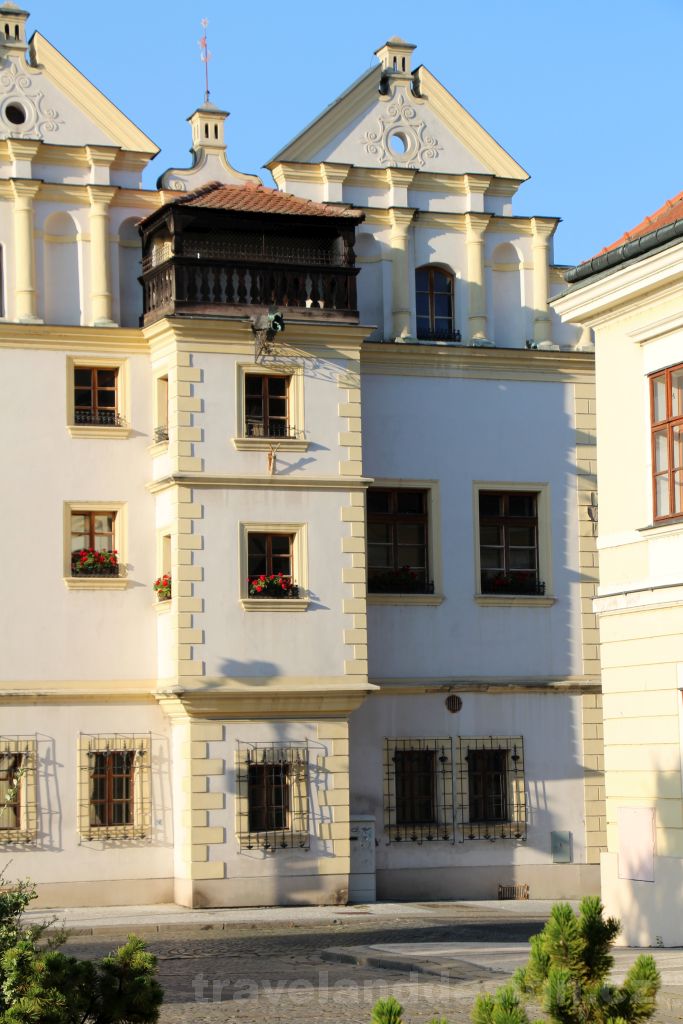
The historic centre of the town features many valuable buildings, in particular the gothic house of the family Sokol of Mor, No. 43, which now houses the Louny Museum. Its most striking feature is the preserved entrance bay window with battlements from 1491. The Daliborka house dates back to the renaissance period. It was built around 1600. In the middle of the main square stands the Marian Column from 1673 with valuable early baroque sculptures by Jan Jiří Bendl. The original Old Town Hall has not been preserved, and its role has been taken over by the New Town Hall, built in the neo-renaissance style in 1886-7.
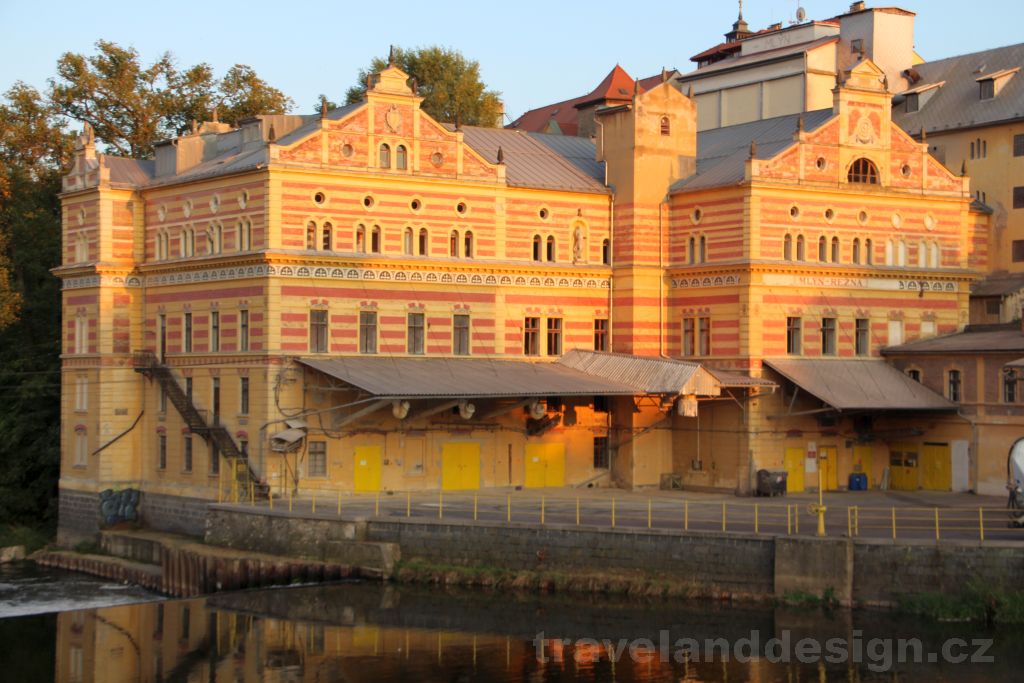
In front of the walls stands the former baroque hospital from 1695-8, designed by the renowned architect Antonio della Porta. Directly in front of the walls on the Ohře River stands a trio of Jirásek mills, which are mentioned as early as the 14th century. Their current appearance was shaped by a neo-renaissance reconstruction at the end of the 19th century under their owner František Jirásek.
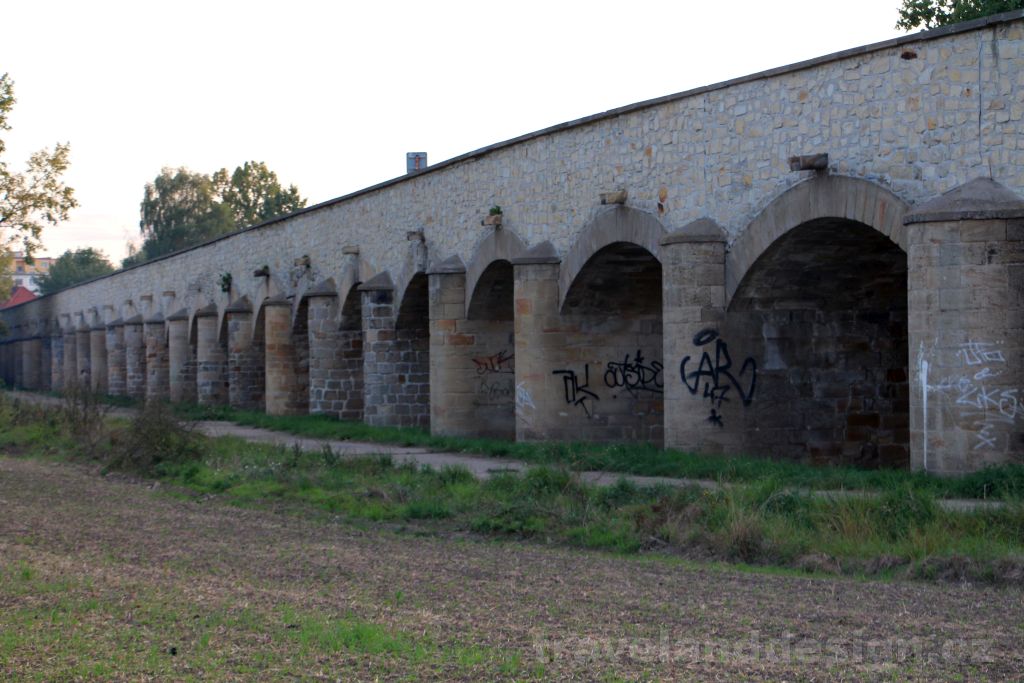
A technical curiosity is the longest Czech flood bridge, built during the classicist period between 1804 and 1816. Including its approaches, it has an impressive length of 275 metres. It is curved and mostly runs along dry land, low above the level of the landscape. In the event of flooding, it was intended to be used to cross the swollen Ohře River.
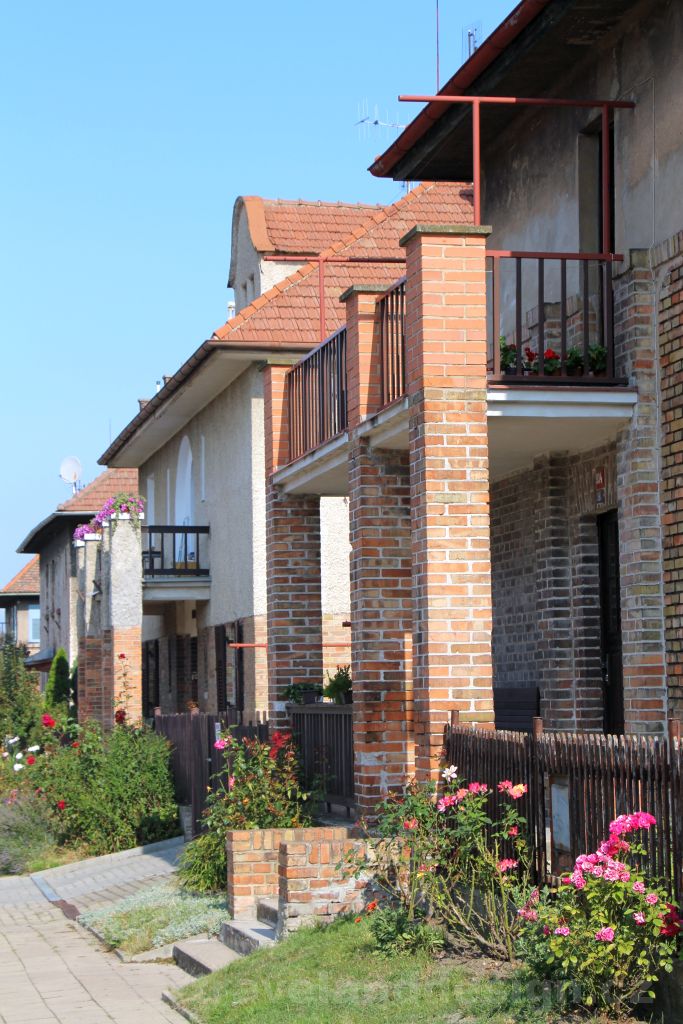
An interesting monument to modern architecture is the visionary design of the garden district near the Louny railway station, designed in 1909 by the famous architect Jan Kotěra. It was not built until the 1920s, and to this day it exudes not only excellent urban planning, but also the architecture of 53 houses in this railway colony, suitably set in lush greenery. Although it was never completely finished, it is a prime example of an ideal garden city.
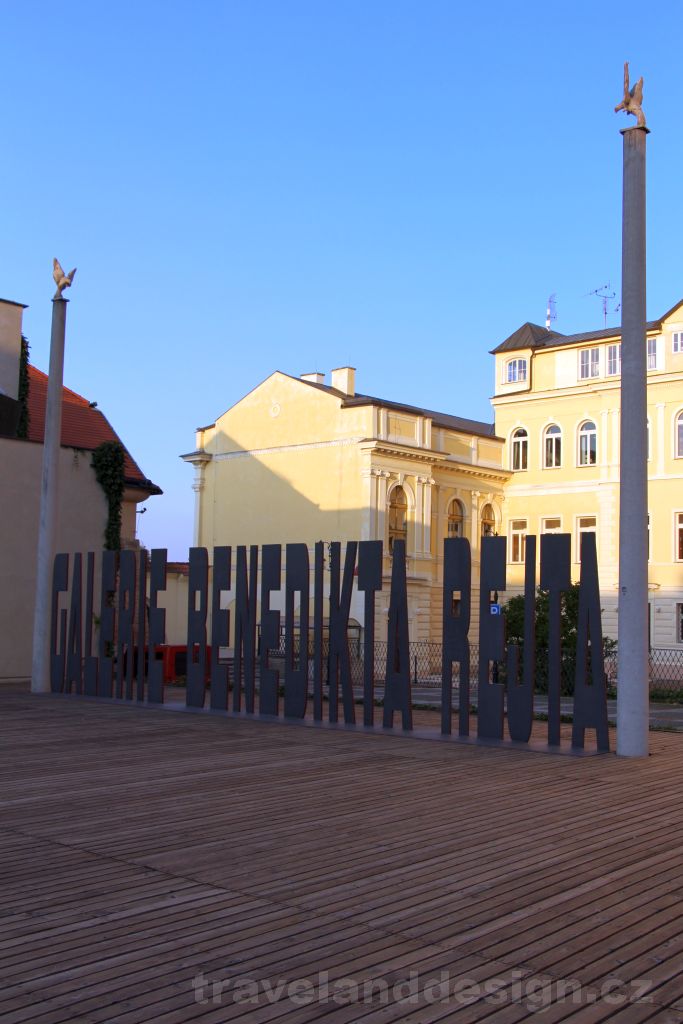
Successful contemporary architecture is represented by the futuristic Benedikt Rejt Gallery with its simple but extremely impressive interiors of the former municipal brewery. It was built in 1998 under the baton of architect Emil Přikryl.
Famous Louny natives
Josef Mocker, architect (*1835)
Jan Karafiát, clergyman and writer (*1846)
Jaroslav Vrchlický, poet (*1853)
Kamil Hilbert, architect (*1869)
Konstantin Biebl, poet (*1898)
Miroslav Štěpán, communist politician (*1945)
Jaroslav Kubera, politician (*1947)
Stanislav Majer, actor (*1978)
Karolína Plíšková, tennis player (*1992)