Kouřim
(the royal city since the mid-13th century)
2 000 inhabitants
Central Bohemia Region, Kolín District
Historical milestones
5th century BC: First archaeological findings from the prehistoric settlement of the so-called Old Kouřim.
2nd half of the 9th century: Prosperous settlement of the Zličan people and Old Kouřim experienced its golden age as the administrative centre of the Zličan tribal union.
around 1250: King Přemysl Otakar II founded the new royal town of Kouřim in the vicinity of the conquered and abandoned fortress of the mercenary princes of the Děpoltice branch, which he had thoroughly fortified with stone walls.
1421:The Hussites had five monks burned to death in front of the city walls as a warning to all.
1434: Not far from the town, the Hussite army of Prokop Holý was defeated in the Battle of Lipany.
1547: For participation in the first anti-Habsburg uprising the town lost its land property as a punishment.
1620: The town was plundered during the Second Estates Revolt and after confiscations was assigned to Prince Charles of Liechtenstein.
1670: Kouřim, exhausted by requisitions during the Thirty Years‘ War, suffered a fire.
1810: Despite a second major fire, Kouřim retains its medieval layout.
1848: Kouřim was deprived of its status as a regional town, the centre of the historical Kouřim region.
1992: The historic centre of the town was declared a town conservation area.
Interesting facts about the city
According to legend, Kouřim was founded in 653 by Lech, the brother of the Czech forefather Čech. He is said to have given his brother smoke signals about his settlement, which is where the name of the town is said to come from.
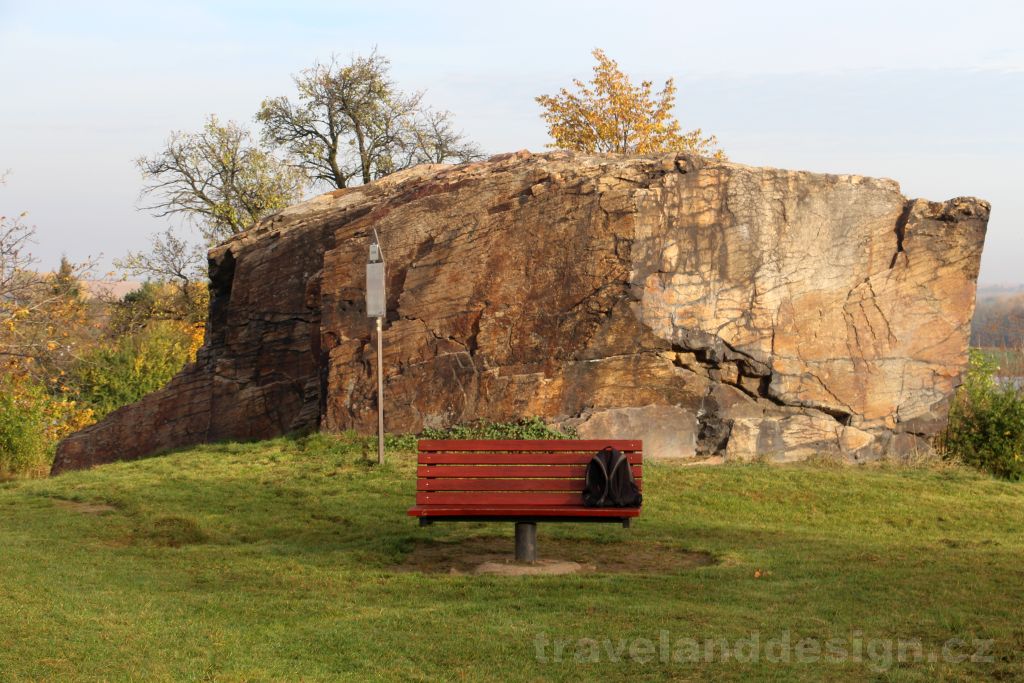
Kouřim moved three times in total. First, the old Slavic settlement of Old Kouřim was built around the so-called Lech´s Stone, about one kilometre southeast of today’s historic core of the town. It used to be the seat of the Zličans until the 10th century, when it was destroyed in fighting. The second Kouřim was subsequently founded by the Slavnikovitz and after them by the Depoltitz. In the 3rd quarter of the 13th century, King Přemysl Otakar II founded the third Kouřim, which he endowed with the privileges of a royal town.
Kouřim is one of the best-preserved medieval towns in Bohemia, which is due both to the town’s relatively great luck in war and major fires and its bad luck in avoiding all important transport routes, so there was no need for significant industrial development. Therefore, the preserved core of the city is protected as an urban conservation area.
The popular TV series There Were Five of Us or the fairy tale Immortal Auntie were filmed in Kouřim for its charming corners.
The biggest tourist magnets
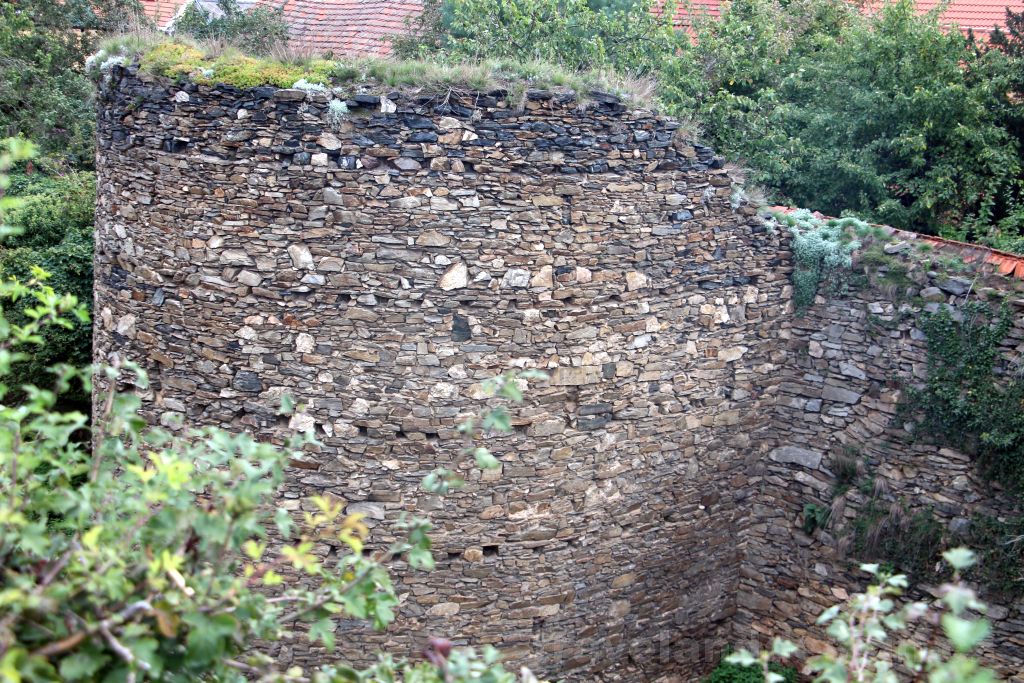
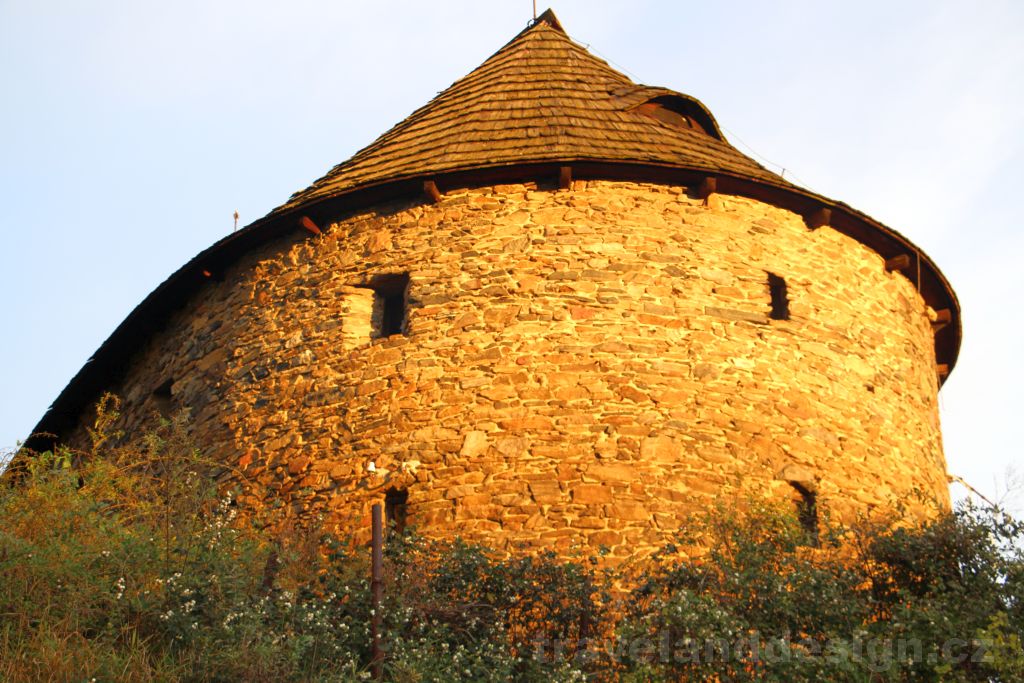
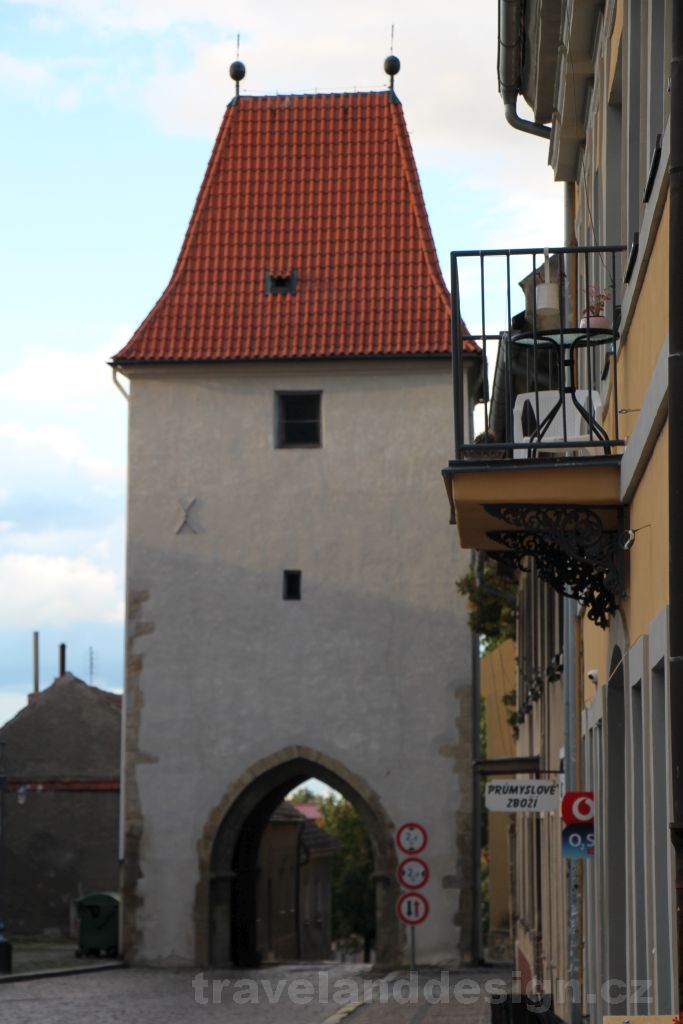
From the early Gothic double-banded city fortification from the second half of the 13th century, massive wall belts with a moat and a rampart have been preserved, mainly on the western side of the city towards Prague, where the only preserved gate – the Prague Gate – also stands, although it is lowered by a storey. It is the best preserved early Gothic city gate in Central Europe. Of the other three gates, only the outpost of the demolished Kolín Gate remains, as they were demolished in the 19th century. The inner belt of fortifications dates back to the end of the 15th century and was fortified with four square bastions and 18 half-oval towers.
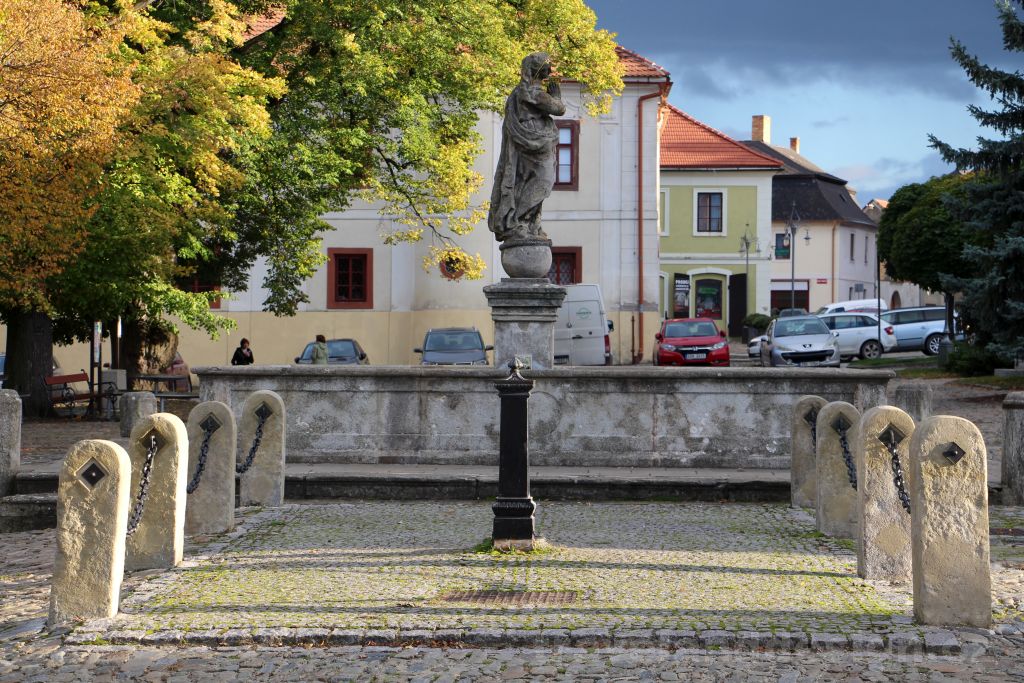
Visitors will find most of the sights in one of the largest medieval squares in Bohemia, Mírové náměstí, which includes the Baroque Town Hall (1782) with its original Gothic core and a neighbouring block of houses called Špalíček. The town hall interiors house the collections of the Kouřim region Museum. There is also a memorial stone to Prokop Holý in the square, commemorating his defeat in the Battle of Lipany.
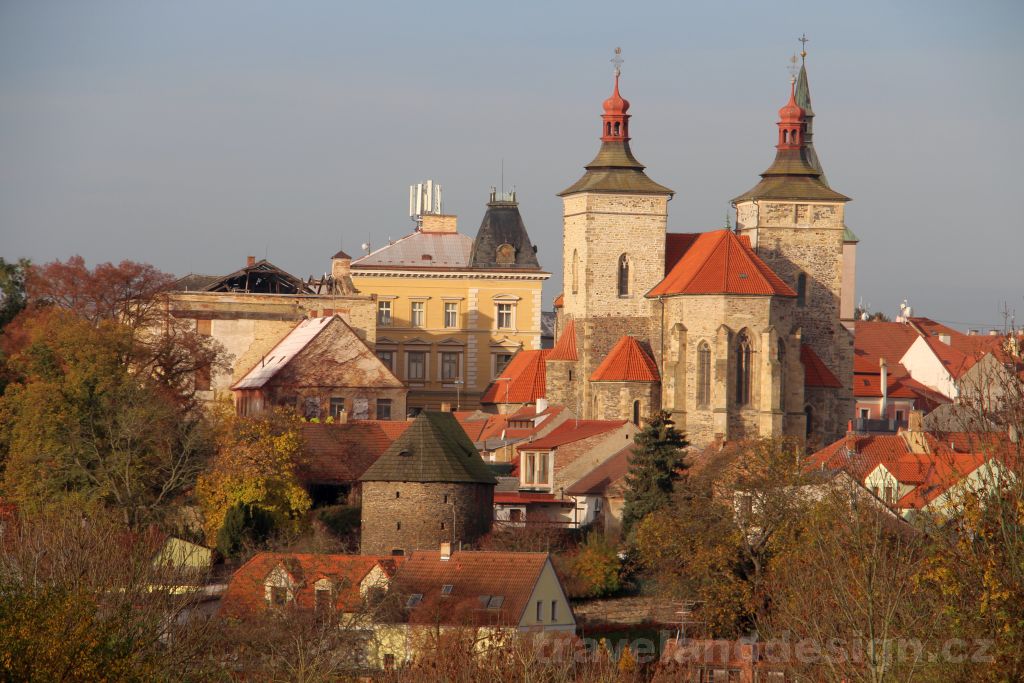
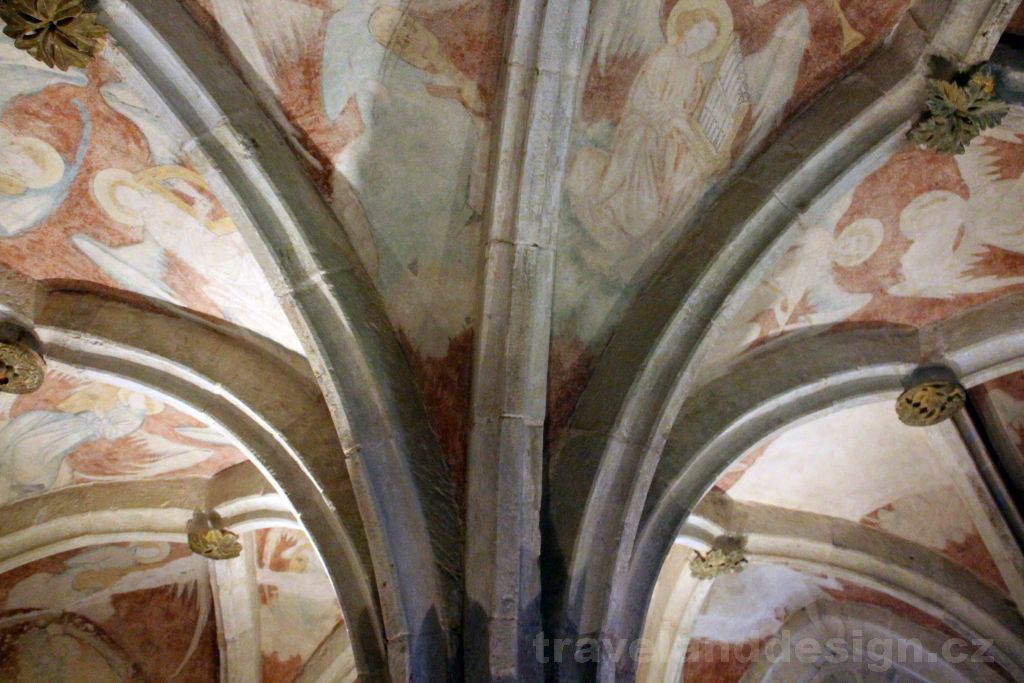
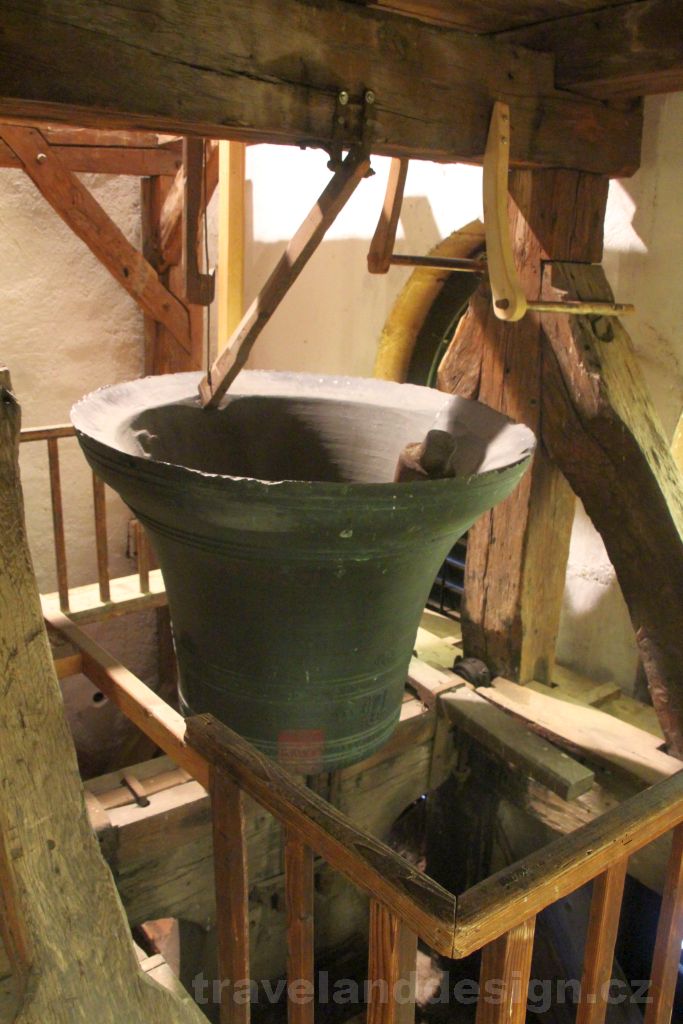
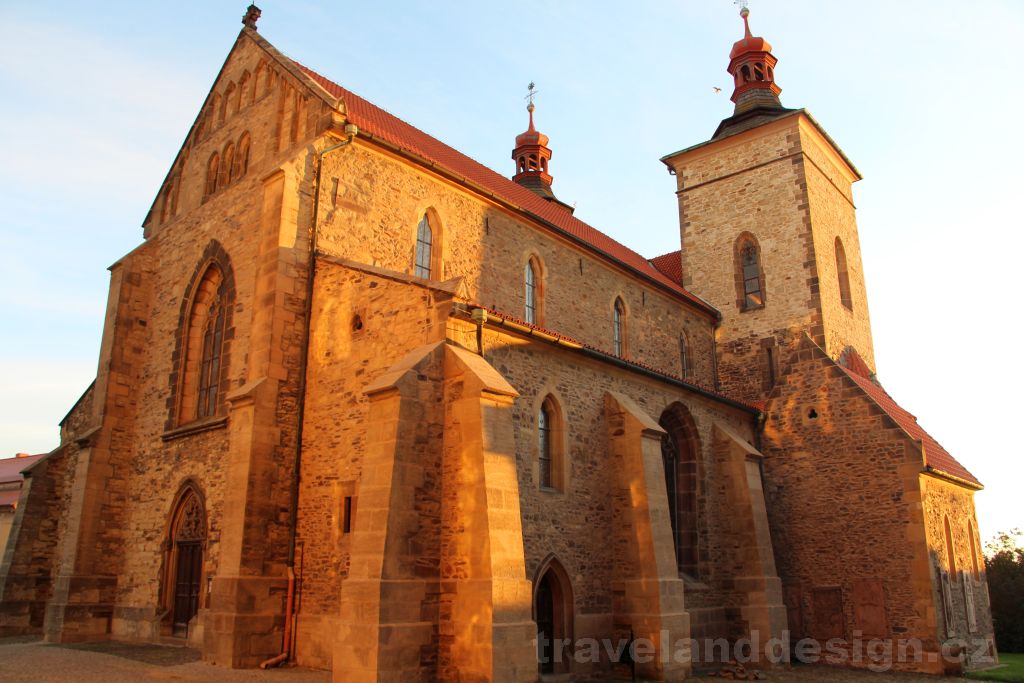
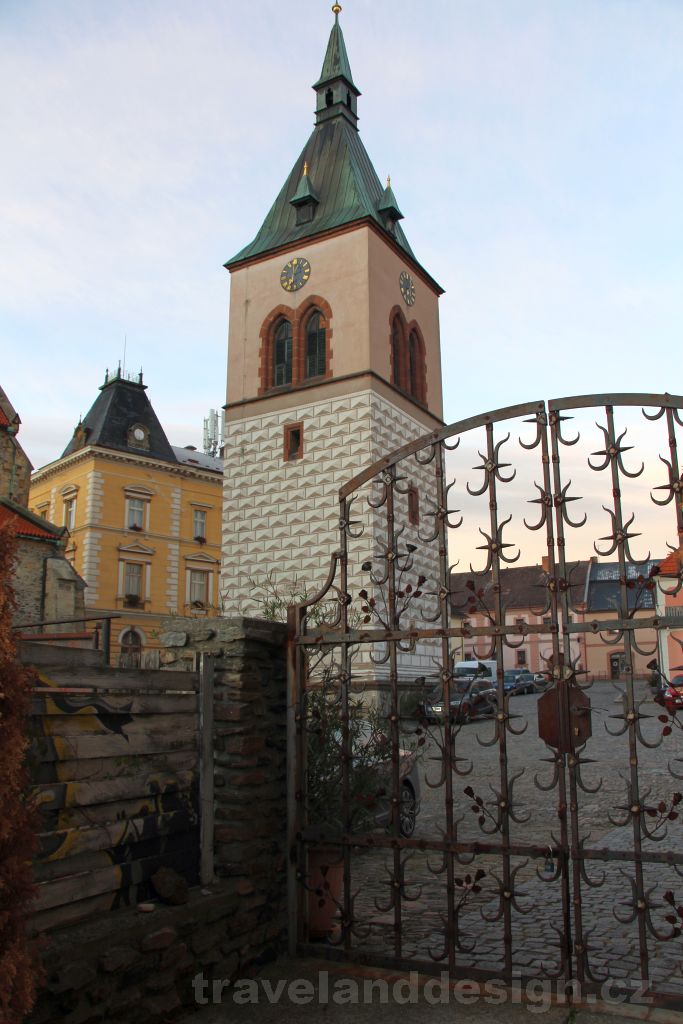
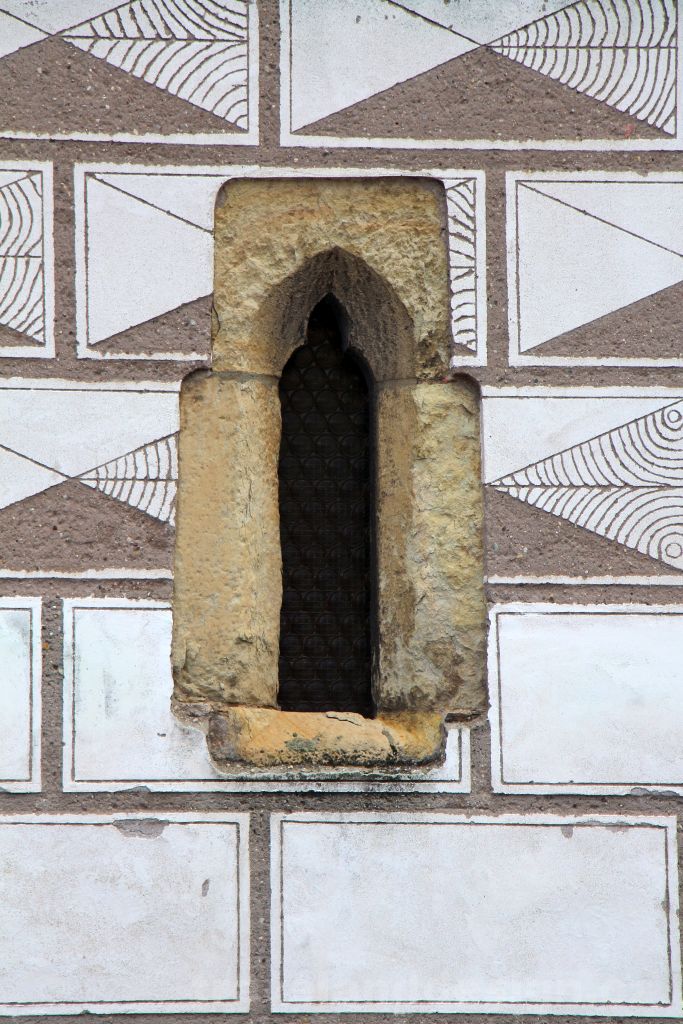
The dominant feature of the town is the early Gothic church of St. Stephen from the time of the town’s foundation in the second half of the 13th century, one of the most important monuments of Burgundian Gothic in Bohemia. It is three-aisled with two prismatic towers and a unique octagonal crypt glazed onto a central column with Gothic frescoes. It dates back to 1260. The church was built at the turn of the 19th century. The church was re-corrected in the 19th and 20th centuries. Nearby stands a separate Gothic square bell tower with Renaissance sgraffito plasterwork and uniquely upward (Dutch-style) hanging bells.
The late Gothic cemetery church of the Holy Trinity dates from 1591 and stands on a hill in front of the town gates.
The Baroque Chapel of Our Lady of Help was built on the site of the burning of five Cistercian monks by the Hussites in 1727 by the famous Baroque architect J. B. Santini-Aichl.
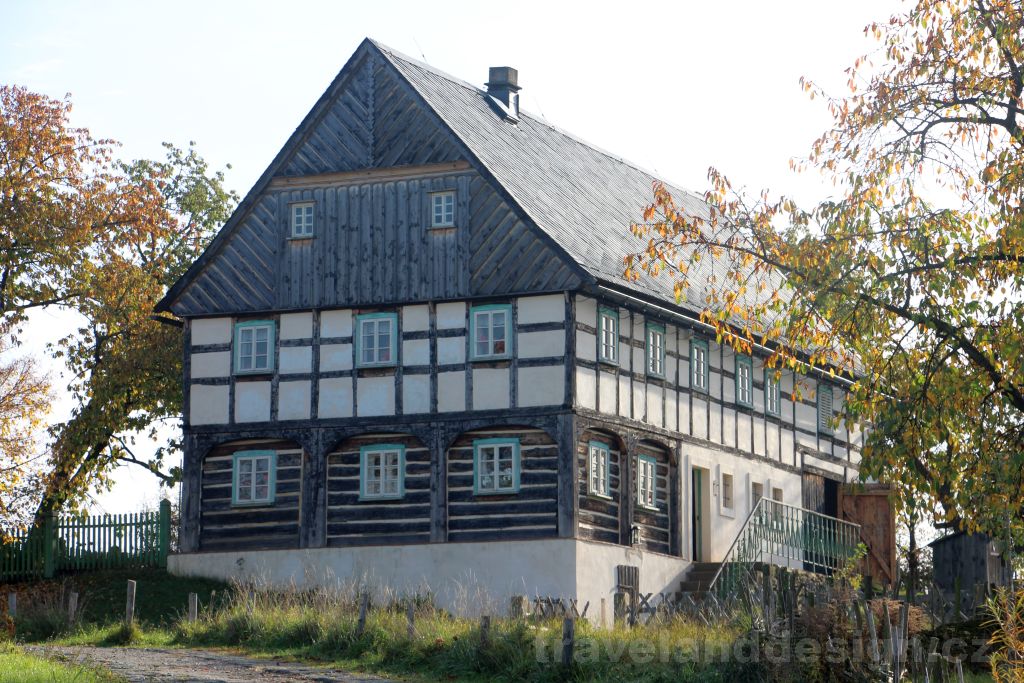
On the southern outskirts of the town there is an original rescue museum of folk buildings from the Želivka dam floodplains. Markets and traditional celebrations are often held here.
To the southeast, walk past the strawberry fields and through the ravines of the Výrovka River to reach the huge Lech´s Stone, which stands on the original Slavic settlement of Stará Kouřim. There you will also find Libuše’s lake, the astronomical centre of Europe and the Chapel of St. Vitus.
An interesting feature of Kouřim is a set of three old water mills – the Upper, Middle and Great Mill, on the Výrovka River. Their origins date back to the 14th century.
Only 4 kilometres north-west of Kouřim, the Lipská hora mound, built in 1881, commemorates the defeat of the Hussite army of Prokop Holý in 1434.
Famous Kouřim natives
František Kysela, artist and author of the stained-glass windows in St. Vitus Cathedral (*1881)