Kynšperk nad Ohří
(the royal town since 1364)
4,500 inhabitants
Karlovy Vary Region, Sokolov District
Historical milestones
1290: A royal castle was built on the site of the original Přemyslid fortified settlement.
1232: King Wenceslaus I of the Přemyslid dynasty granted permission for the establishment of a market town below the castle.
1364: Emperor Charles IV of Luxembourg elevated the town to a royal status, applying the municipal laws of Loket. Construction of stone walls began.
1426: The town was pledged to the noble family Štampach of Štampach.
1479: Kynšperk was conquered by the armies of the Counts of Šlik, who plundered it and set the castle on fire. The estate passed into the hands of the Gutštejn family.
1523: The Kynšperk estate fell to the Šliks.
1548: Ferdinand I of Habsburg acquired the town and its status as a royal town was restored.
1595: The beginnings of beer brewing in the town.
1603: Kynšperk castle fell into disrepair under the noble family Belvic of Nostvic and became a ruin, from which stone was quarried over the following centuries for building projects in the town.
1630: The Princes of Metternich purchased the Kynšperk estate.
1706: The town centre was destroyed by a major fire and was soon rebuilt in the baroque style, including the church, the vicarage and the new town hall.
Late 18th century: Textile factories and workshops producing artistic furniture began to emerge in the town.
1870: The town was connected to the emerging railway network.
1938: During the so-called Kristallnacht, the local Jewish synagogue was burned down and the Jewish cemetery was damaged.
1945: After the end of the Second World War, the local German population was expelled and many historical houses in the city centre were demolished.
Interesting facts about the city
Kynšperk takes its name from the German term for a ‘royal mountain’ – Königsberg. Although all that remains of the castle is a wooded hillock with a deep circular moat, it is still well worth a visit. The castle was built here to defend against a powerful western neighbour – Germany. Its defence was supported by a complex system of manpower from fifty surrounding villages.
The historic town centre is not particularly large, but it is coming to life rather slowly, as for many decades the town served as accommodation for miners from the brown coal mines, as well as for employees of the power station in Tisová.
The founding charter of Kynšperk dates back to 1232, making it the oldest surviving document of its kind in the Bohemian lands.
Within the town’s boundaries lies a high-security prison, the construction of which began in 1976.
The biggest tourist magnets
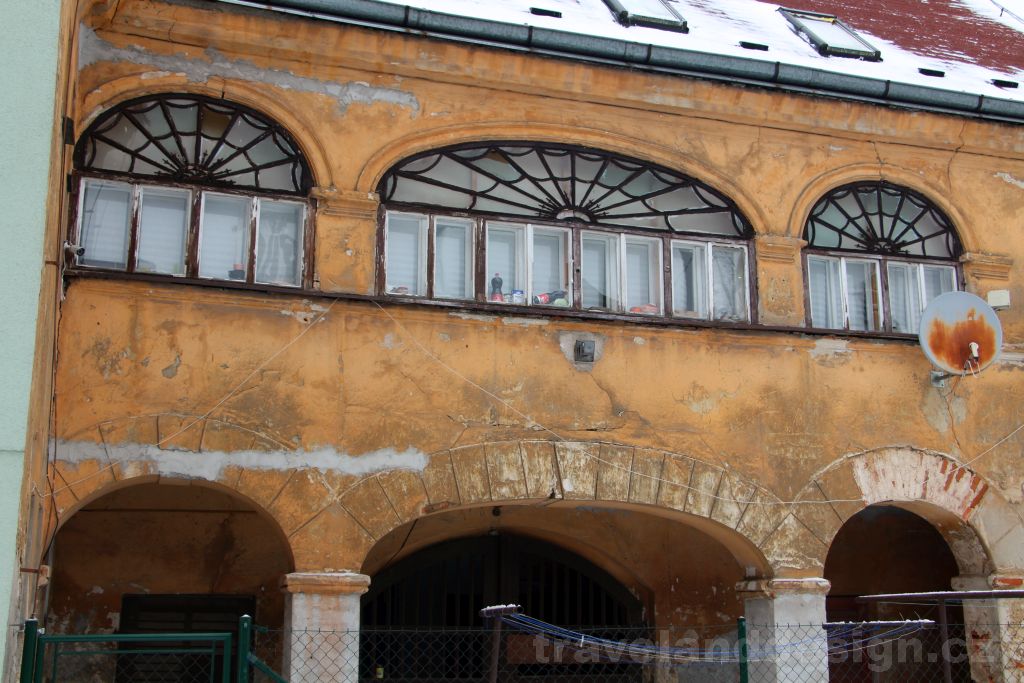
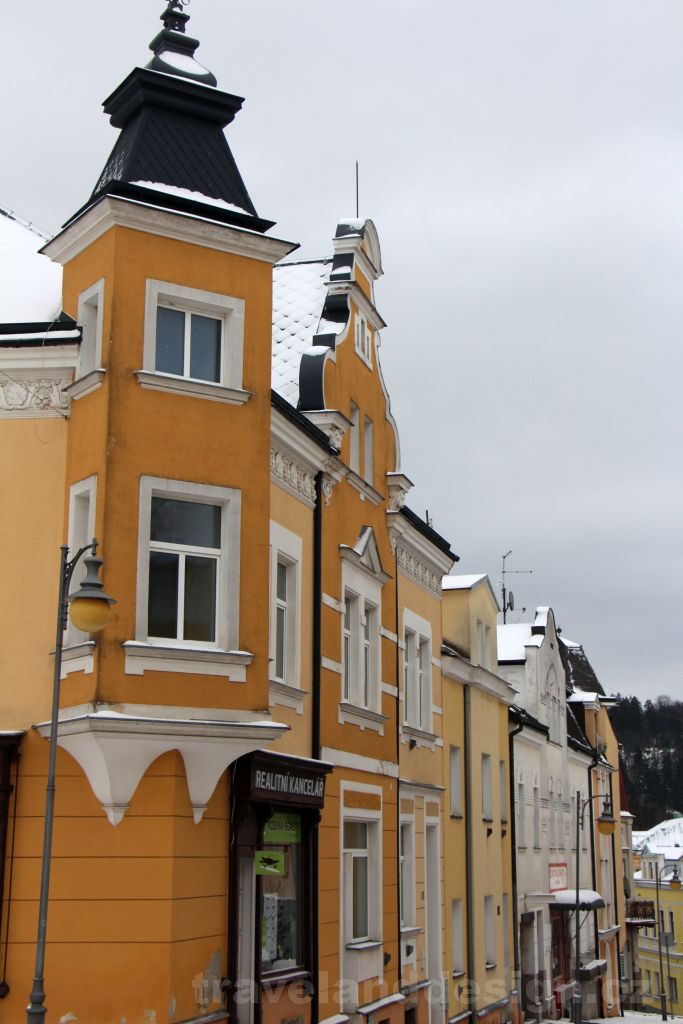
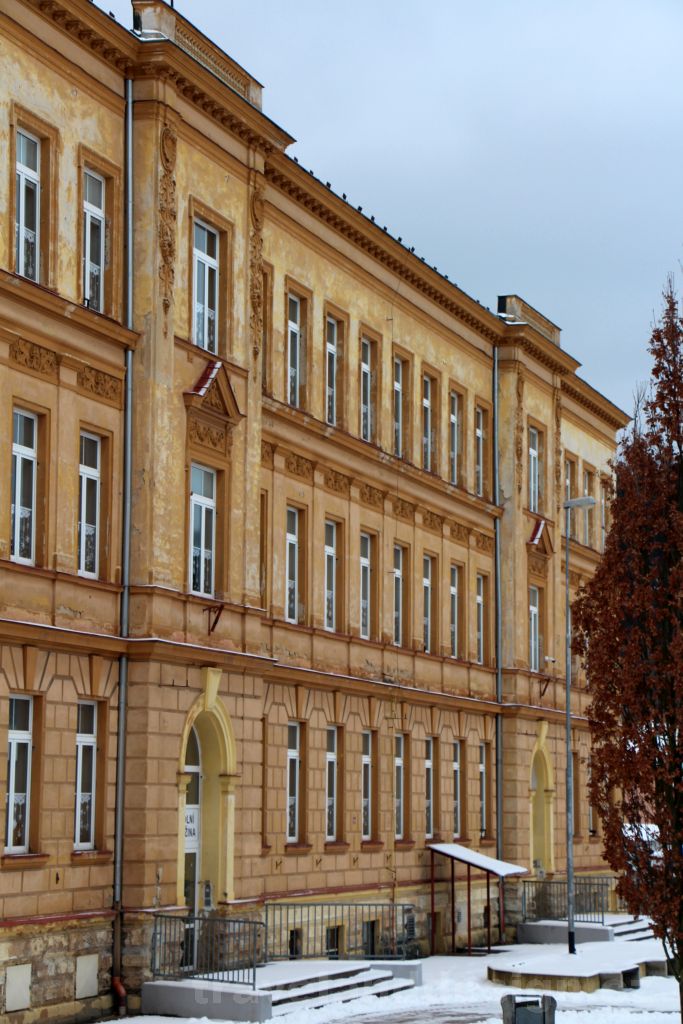
Despite numerous attempts by the communist regime to redevelop the area, Kynšperk nad Ohří still has plenty to offer. Although modern construction has affected the very heart of the town, there are several significant monuments to be found here.
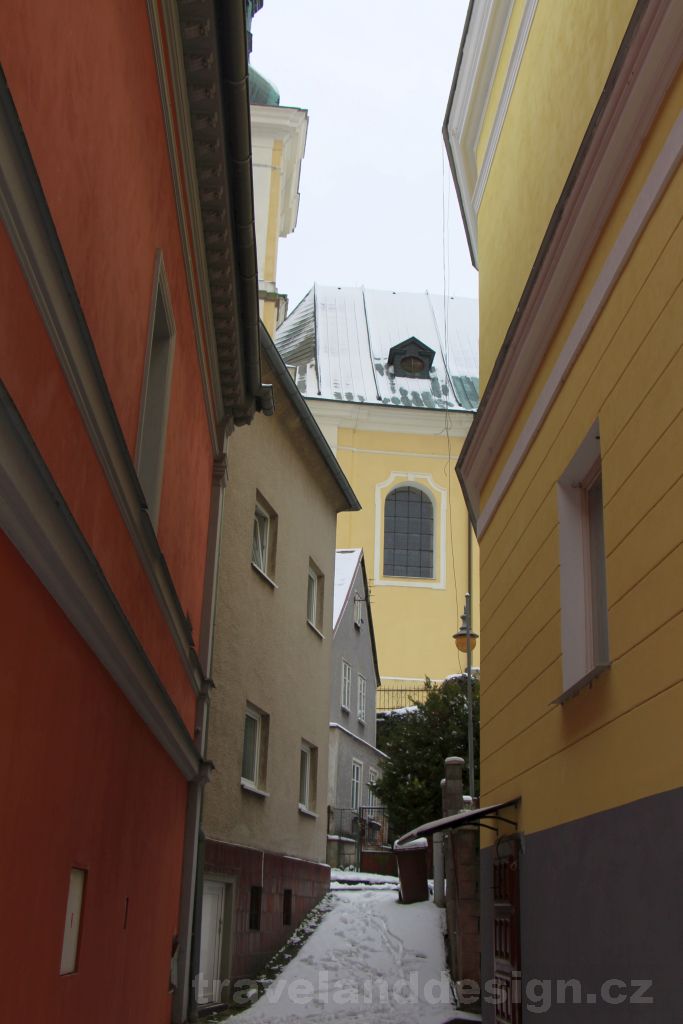
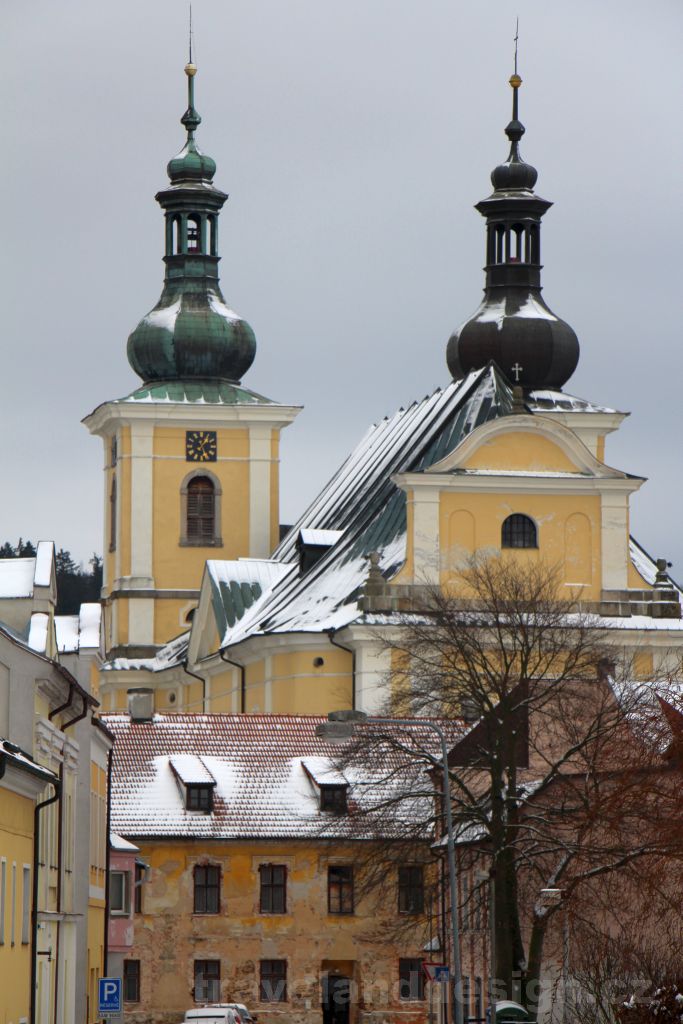
A particularly striking landmark of the town is the imposing baroque Church of the Assumption of the Virgin Mary. It is almost unbelievable that this impressive building was constructed in just six years, between 1721 and 1727.
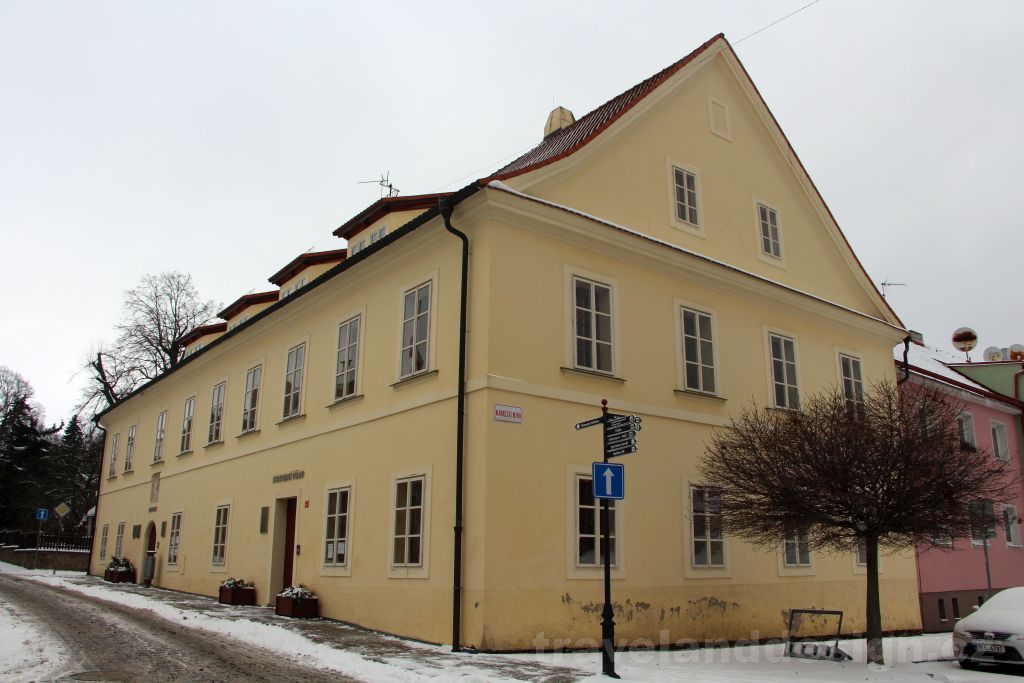
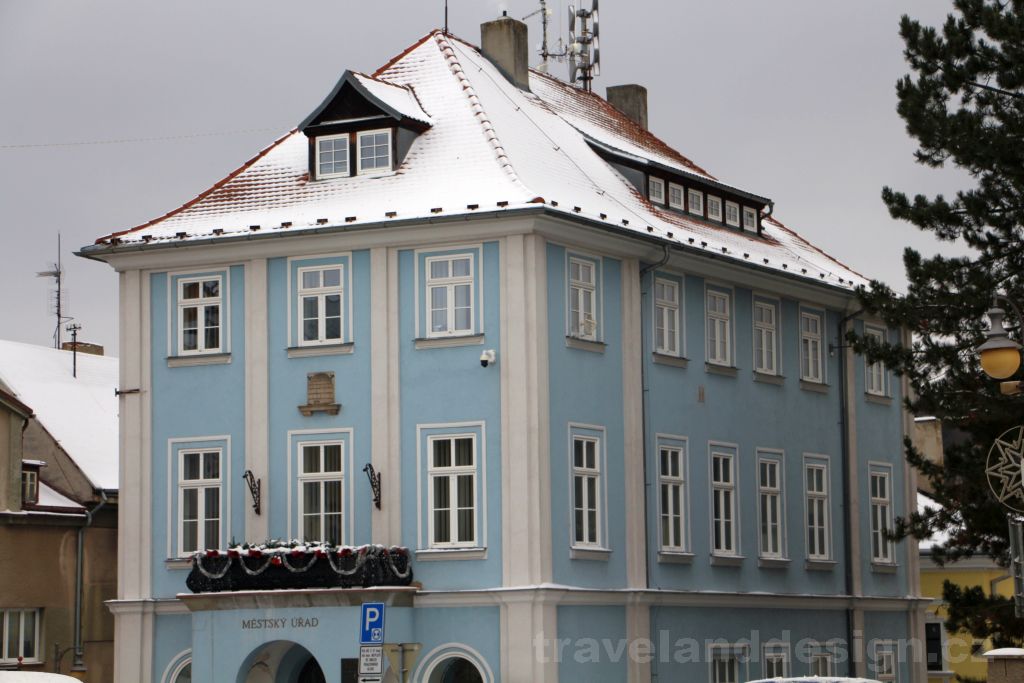
Of the once-mighty city walls, the main feature remaining is the two-storey city gate from the fifteenth century. Only the ground-level remains of the nearby royal castle on Zámecký Hill are left, as the town sold off its ruins after 1836 for building materials. At the end of the 18th century, during the Metternich era, its masonry was also used to build the classicist manor (Panský dům), which served as an occasional residence for the nobility and later as the town hall.
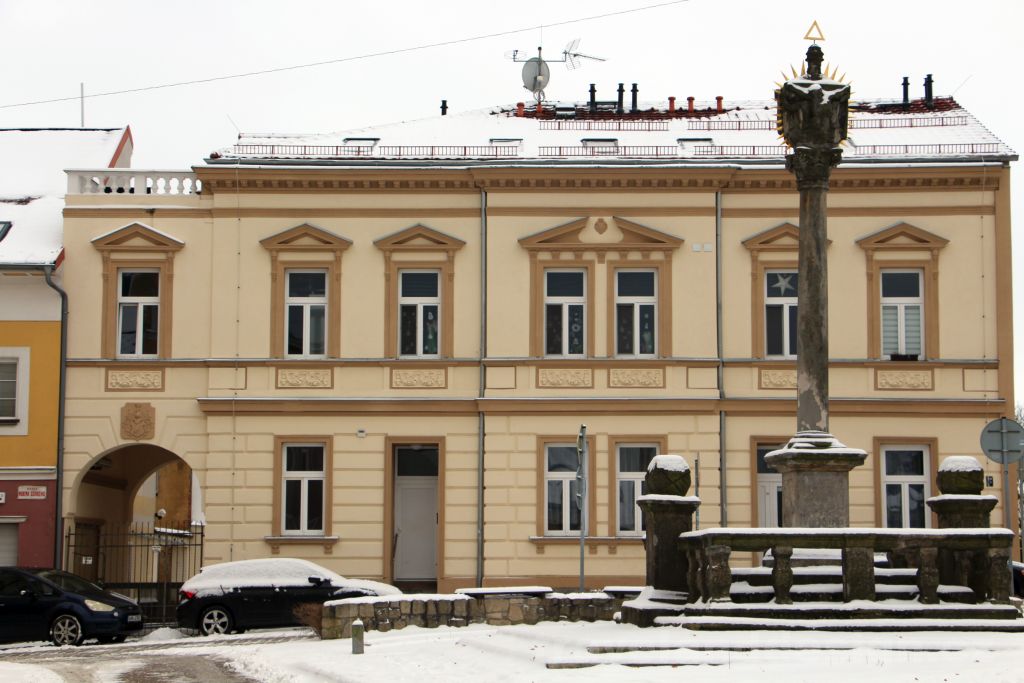
The main square is enlivened by two baroque monuments from the 18th century – the Holy Trinity Column from 1700, and the hexagonal St Florian’s Fountain from 1706, adorned with a statue of the patron saint of firefighters – St Florian.
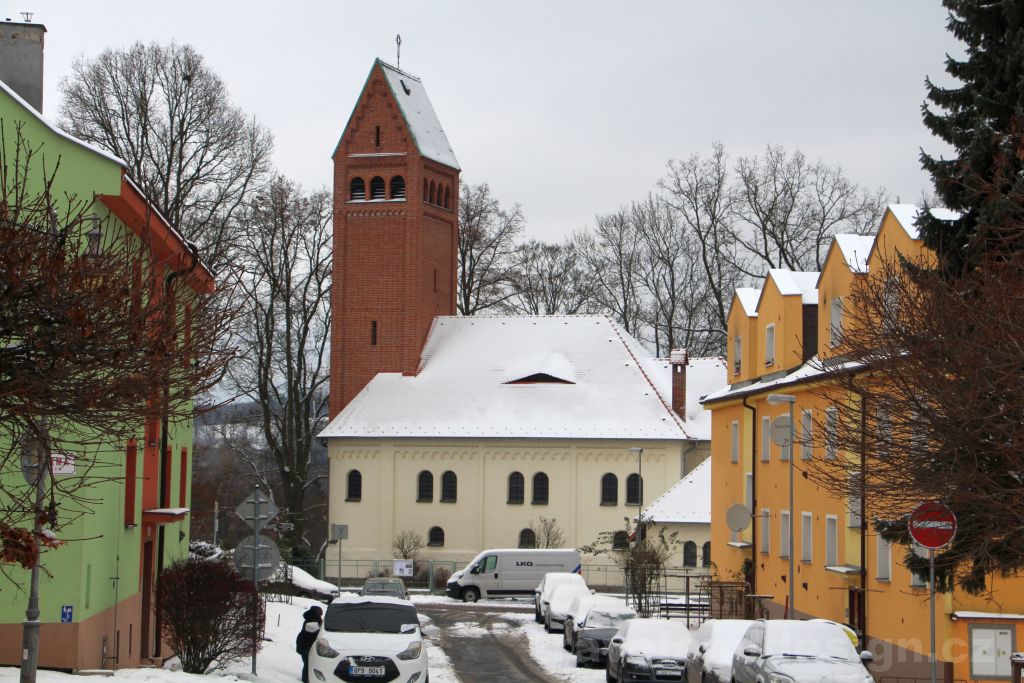
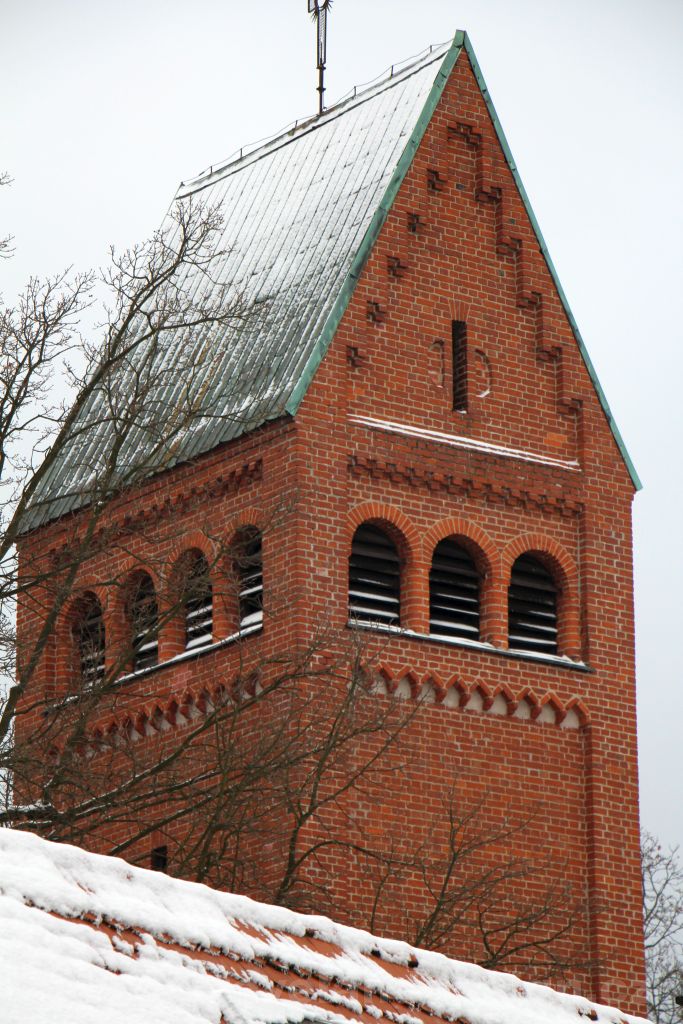
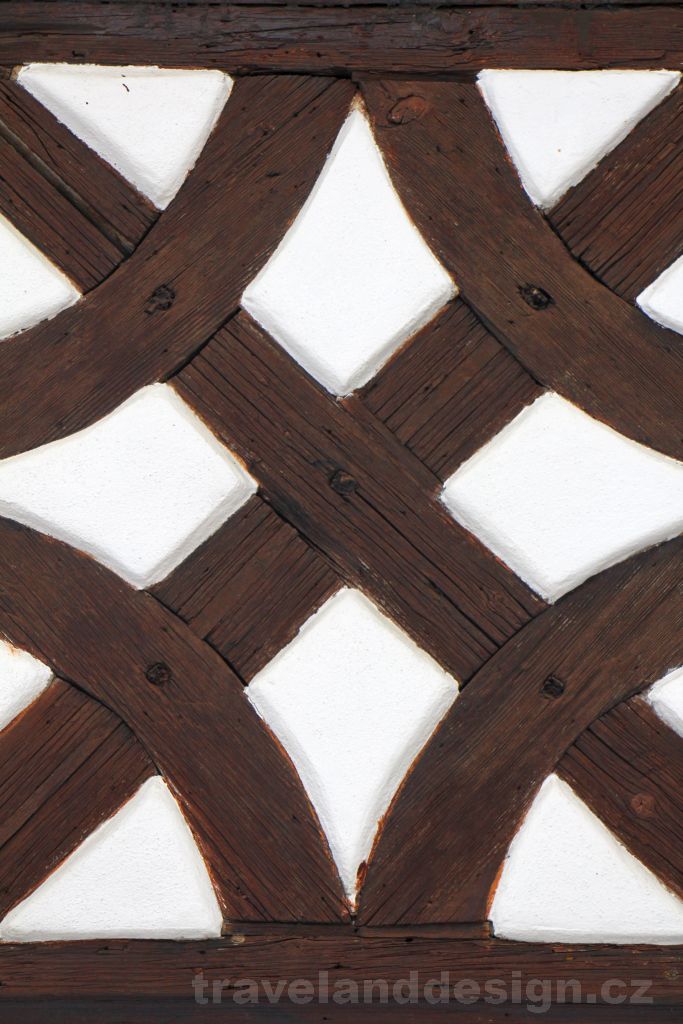
A particularly fine monument is the magnificent German-style half-timbered house at No. 60. It is situated right next to the modernist-style Evangelical Church of the Redeemer, built between 1904–05.
A reminder of the town’s Jewish population is the walled Jewish cemetery, situated on the slopes of the castle hill. It lies in the pleasant surroundings of several small hills, dotted with many crooked gravestones.
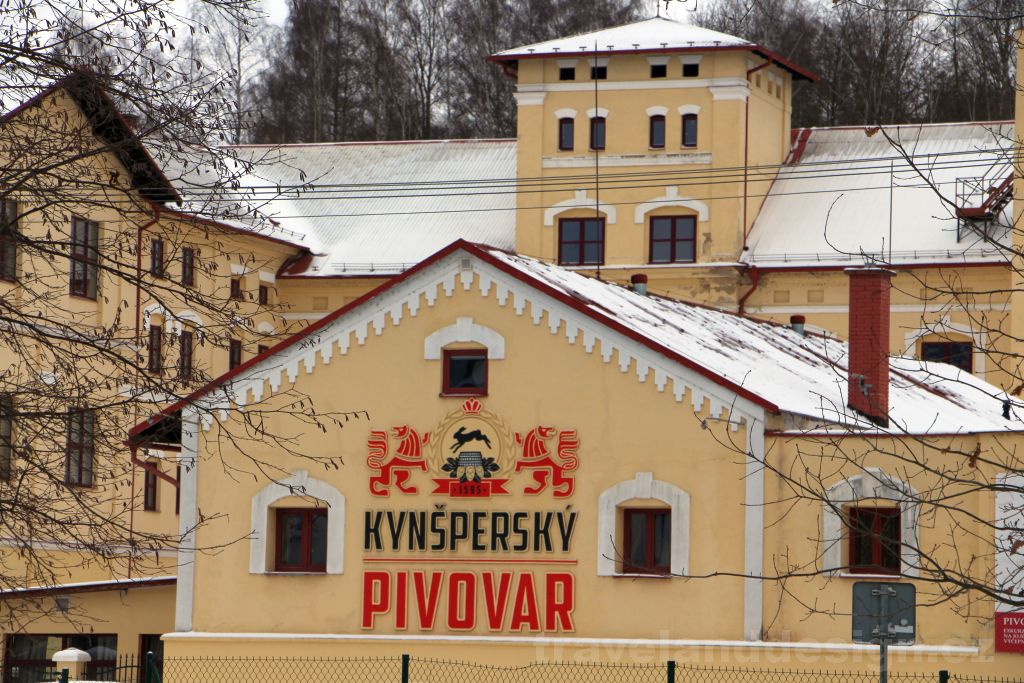
Within sight of the town centre, on the banks of the Ohře River, lies a charming historicist-style brewery complex where you can sample the local beer. Beer has been brewed here since the 16th century. Until 1945, it belonged to the Haas family, who also owned the Slavkov porcelain factory. Nearby is a boathouse where enthusiasts of the Eger River gather.
Famous natives of Kynšperk nad Ohří
Kašpar Hermann, inventor of offset printing (*1871)