Mělník
(Royal City since 1274, Royal Dowry City since the time of Emperor Charles IV)
19 500 inhabitants
Central Bohemia Region, Mělník District
Historical Milestones
1274: The original settlement of Pšov becomes a royal town under King Přemysl Otakar II.
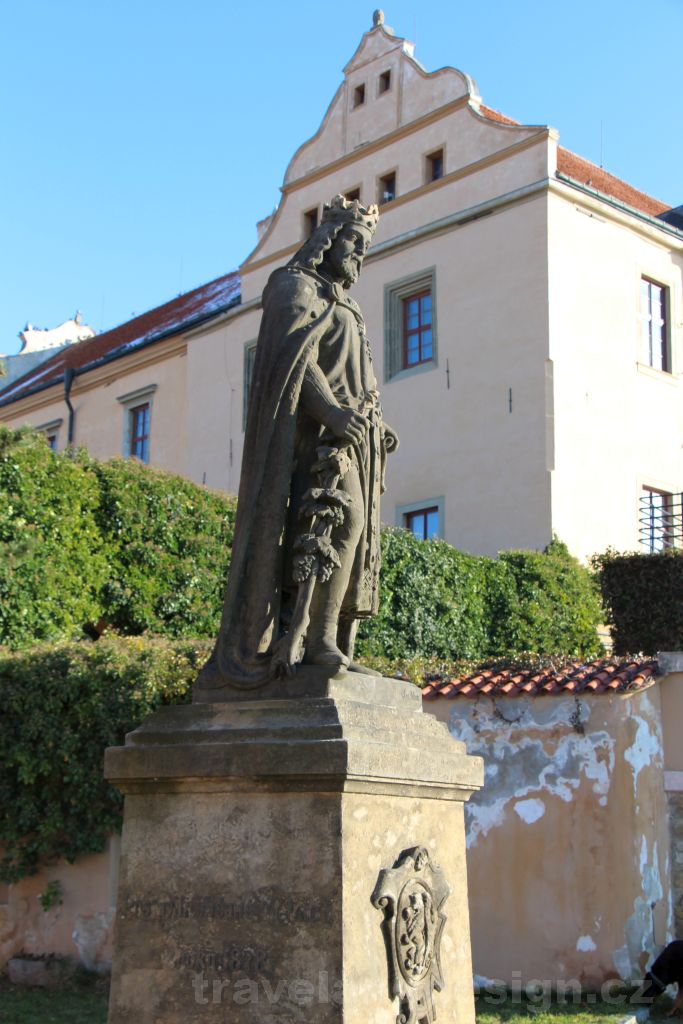
1st half of the 14th century: During the reign of Emperor Charles IV, the local vineyards were enriched by importing Burgundy grapes. In his memory, a statue of the Emperor stands on a lookout above the vineyards by the Elbe.
1475: Queen Dowager Joan of Rozmital donated 1.5 tons of silver to the Mělník Chapter, but she was the last queen in Mělník. Since then, Mělník Castle has passed into the hands of the nobility.
1547: The town took part in the first anti-Habsburg uprising and was punished by the loss of property, the abolition of guilds and the appointment of an imperial town clerk.
1643: The town was conquered and burned by the Swedes.
1680 and 1765: Mělník burnt down in a major fire and subsequently underwent extensive Baroque modernization of the historic core, in which the Capuchin monastery, town hall and new town houses were built.
1850: Mělník has been a district town from this year until today.
1885: The first horticultural and wine-growing school in Bohemia was founded in the town.
1945: Mělník was partially bombed by the Red Army, which is also visible on the northwest side of the centrally located Peace Square.
Interesting facts about the city
The local pre-Romanesque hillfort on a dominant elevation far away was originally called Pšov and was the seat of St. Ludmila, the wife of the first Czech Prince Bořivoj. She brought a long tradition of viticulture to the town.
The historic centre of Mělník is situated on a steep hill above the confluence of the Elbe and Vltava rivers. It got its name from the stone “shallowing”(as in Czech language it is “mělčit”) in the river waters.
Starting with the Czech Princess Emma, the town became the widow’s residence of the wives of Czech rulers from the beginning of the 11th century.
Directly below the town centre there are extensive underground spaces with the Town hall cellars and the widest well in Bohemia, which is 4.5 metres in diameter.
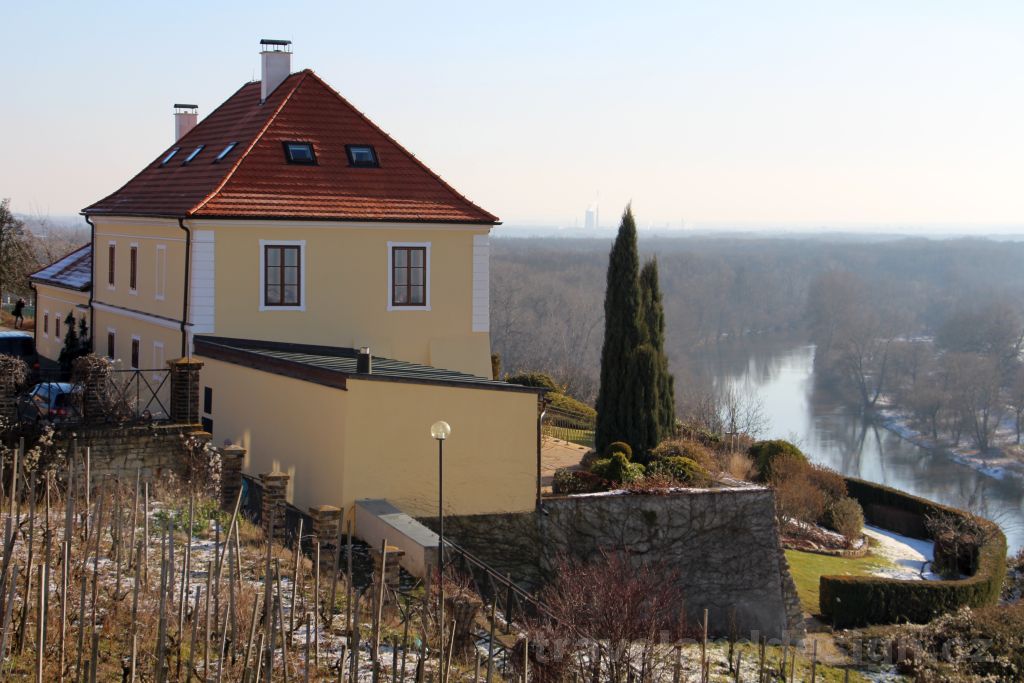
Viticulture is growing through the urban organism, its core surrounded by a system of vineyard tracks with typical vineyard estates, terraces and grape guard houses.
The Flying Chester series and Klein’s hexalogy about poets were filmed in the city.
The biggest tourist magnets
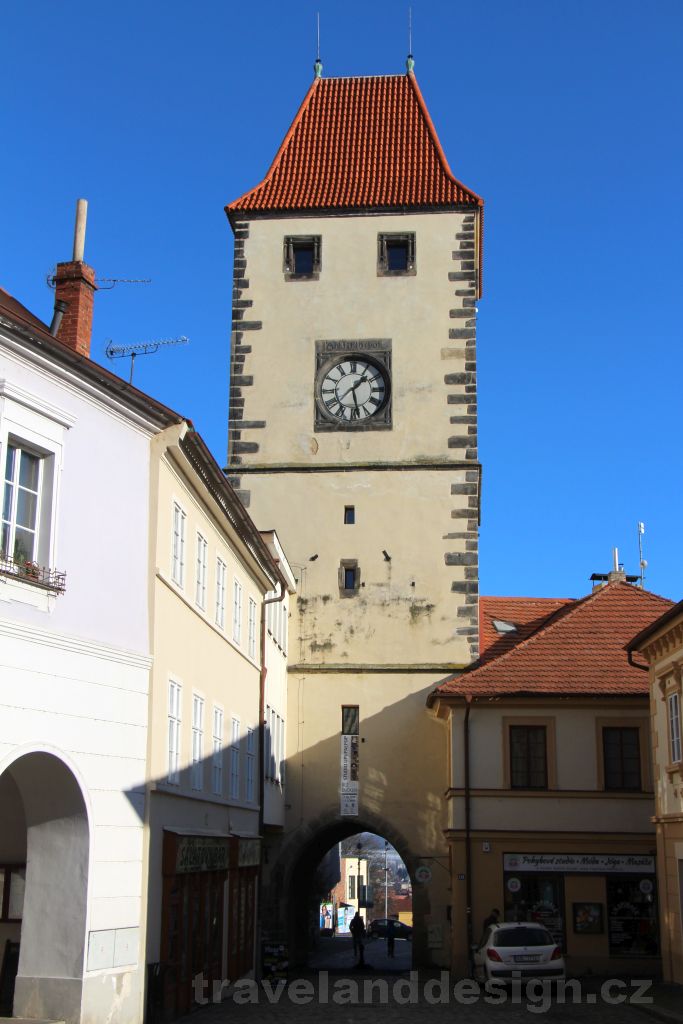
Only one of the city fortifications, the Prague Gate (1535) and some sections of the double belt of massive stone walls have survived to this day.
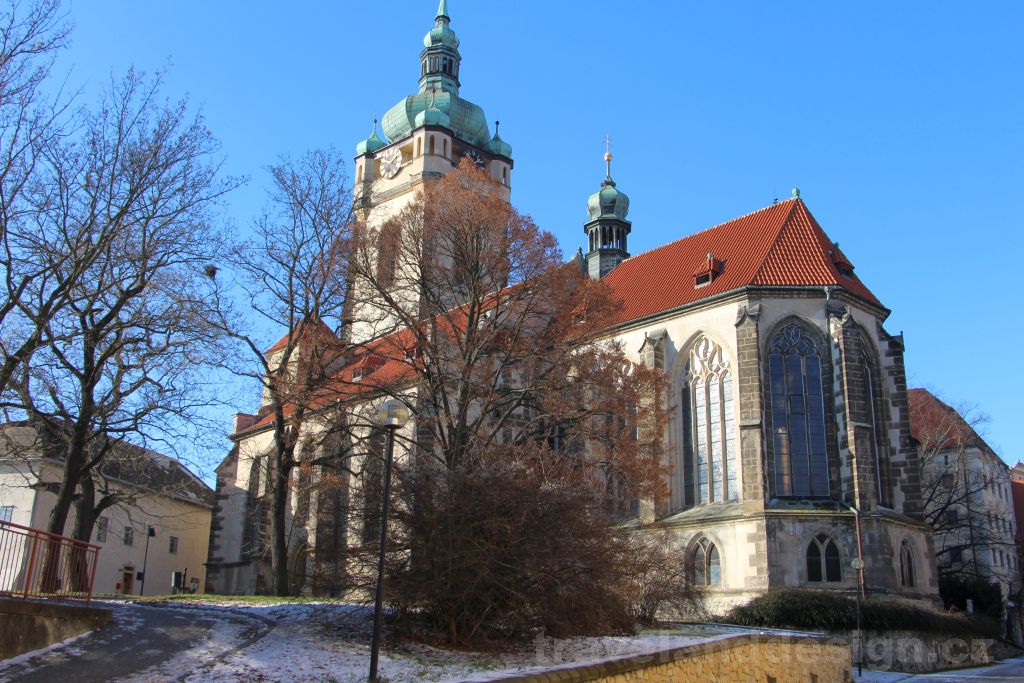
Originally Romanesque, but later rebuilt in Gothic style, the 11th-century church of St Peter and Paul contains one of the largest ossuaries in the country.
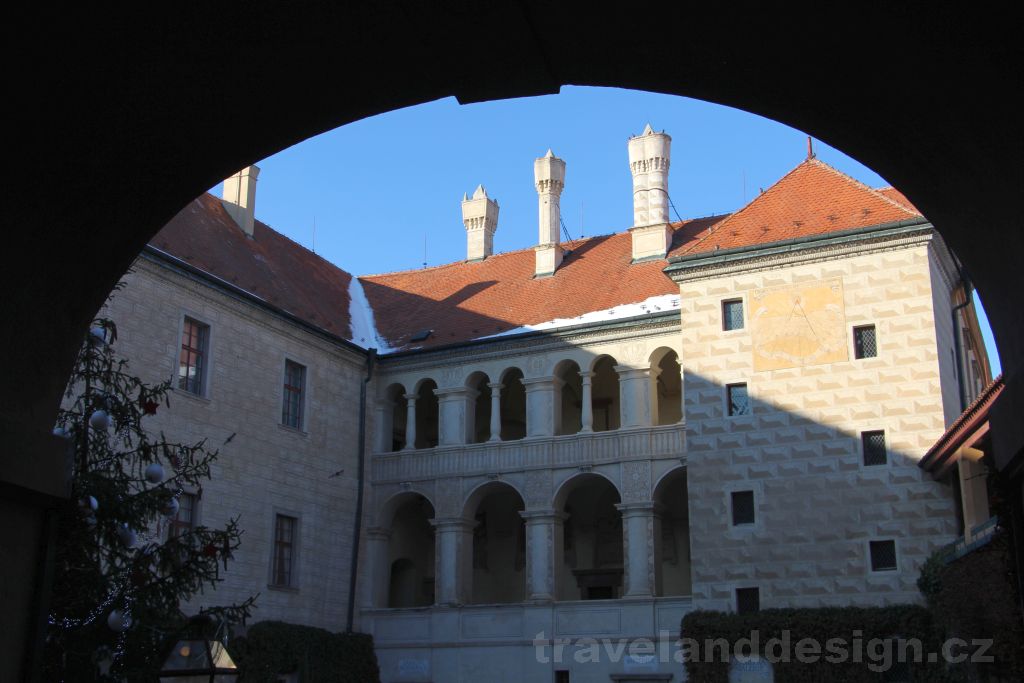
The remarkable Renaissance chateau with beautiful sgraffiti and arcades on the site of the former Romanesque castle is still owned by the princes of Lobkowicz.
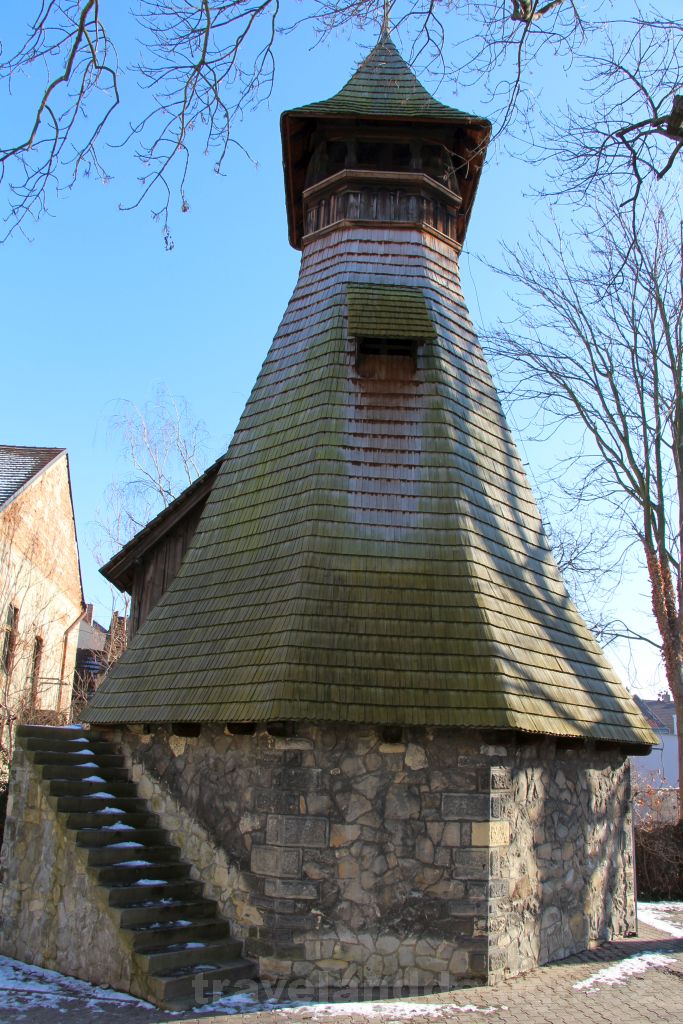
Outside the walls stands the Baroque Church of St. Ludmila with a wooden belfry, exactly on the spot where St. Ludmila spent the night after her baptism when she was not allowed into the town.
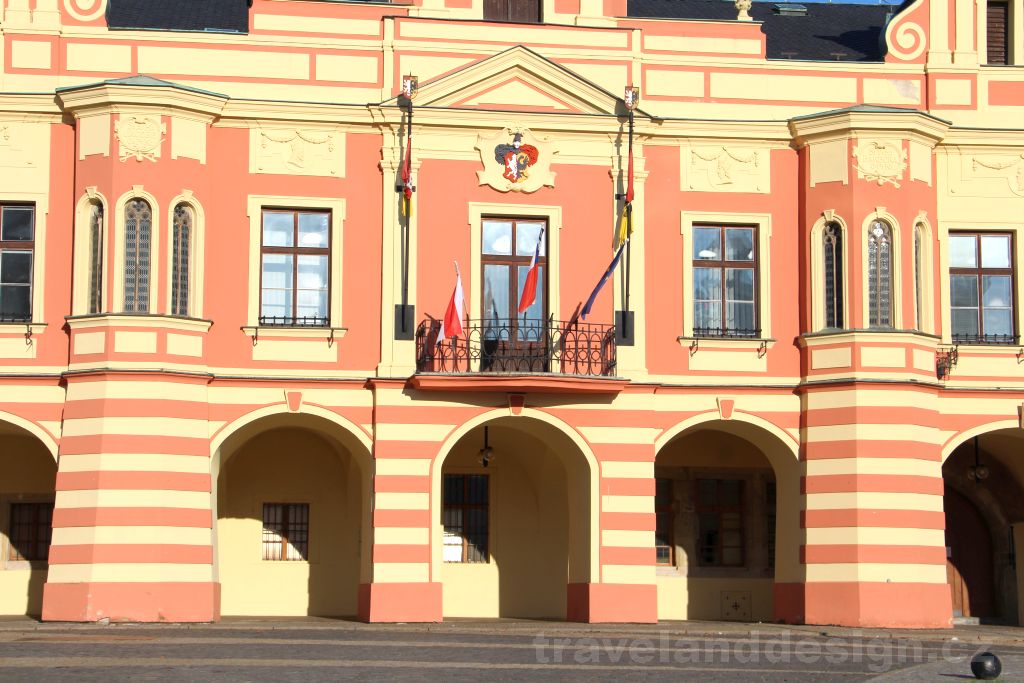
An interesting combination of Gothic and Baroque is the originally Gothic Town Hall (1398), rebuilt in 1765. Behind its colourful Baroque facades is the unique Gothic Chapel of St. Barbara.
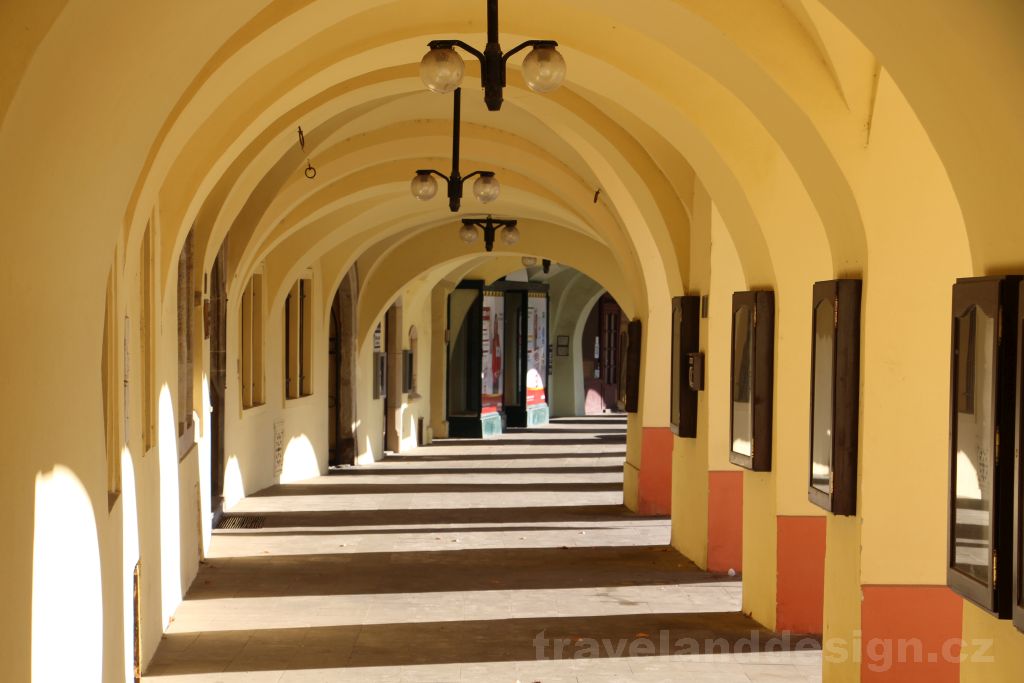
The Baroque Capuchin monastery with the Church of the Fourteen Holy Helpers, as well as the opulent town houses with distinctive house signs – At the Blue Star, At the Golden Grape or At the Black Horse – are eloquent witnesses to the Baroque and Recatholicisation of the town.
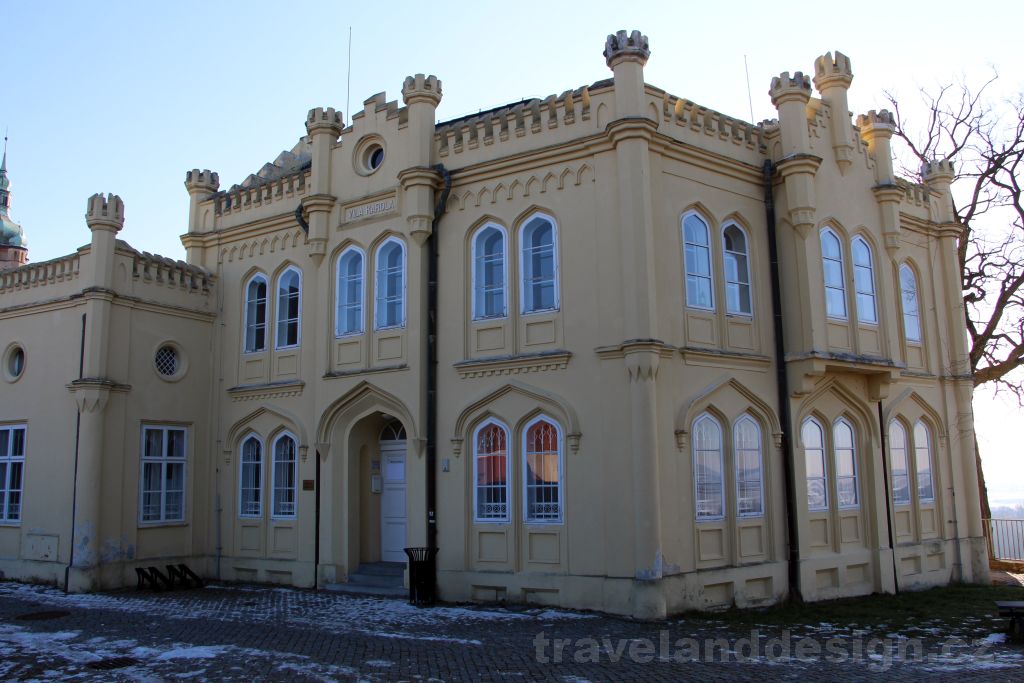
A dramatic silhouette of the town above the vineyards is given by the neo-Gothic Villa Karola from the second half of the 19th century.
Famous natives of Mělník
Saint Ludmila, princess and saint (*860)
Viktor Dyk, poet and writer (*1877)
Kateřina Winterová, actress and moderator (*1976)
Jitka Čvančarová, actress (*1978)
Of the famous in the city lived
Kamil Hilbert, architect
Václav Levý, sculptor
Jan Palach, student