Kaňk
(a royal mining town since 1621)
Population: 820
Central Bohemia Region, Kutná Hora District
Historical Milestones
Second half of the 13th century: A mining settlement was established around deposits of silver, copper and arsenic, which was administratively subordinate to nearby Kutná Hora.
14th century: Following the fortification of Kutná Hora with walls, Kaňk gained the status of an independent mining town with its own local government.
Second half of the 16th century: The local silver deposits were gradually depleted leading to a decline in mining that lasted for almost a hundred years.
1621: Kaňk was elevated to the status of a royal mining town by the Emperor Ferdinand II of Habsburg.
1950: Kaňk was incorporated into Kutná Hora as a suburb.
1950: Mining of polymetallic ores, particularly zinc and lead, resumed at the Turkaňk mine, continuing until mining ceased in 1991.
Interesting facts about the town
The name of what is now a suburb of Kutná Hora derives from the German word for a mine tunnel, ‘Gang’. Originally, like neighbouring Kutná Hora, it was settled mainly by German miners.
The small town was founded at the foot of the hill of the same name, just 2 kilometres from Kutná Hora, on rich silver veins. The hill itself was literally packed with deposits of various metals, which were mined here at the Turkaňk mine site until the early 1990s; specifically, these were polymetallic ores of zinc and lead with admixtures of cadmium and other elements.
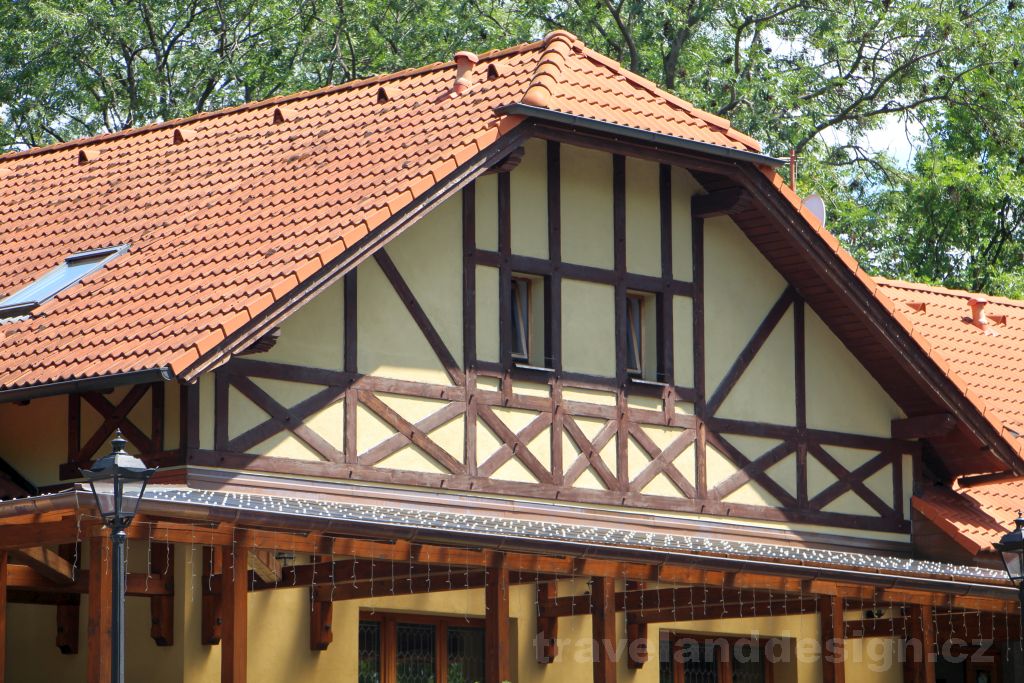
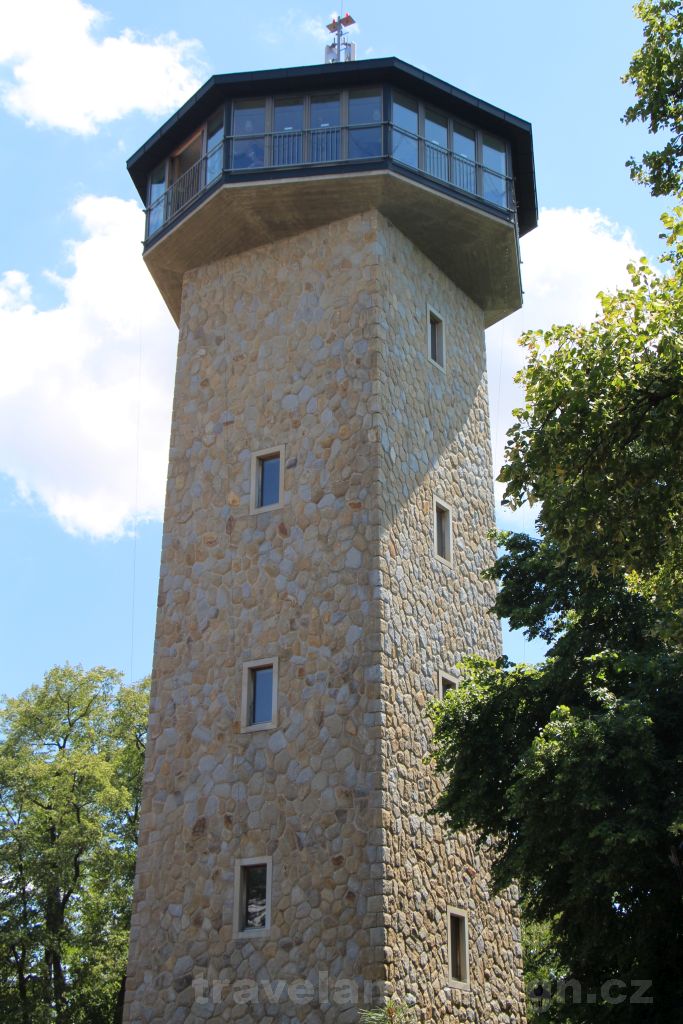
At the summit of Kaňk Hill, 324 metres above sea level, stands a transmission mast, and below it, in the elevated saddle, lies the original gamekeeper’s lodge from the early 19th century, which was converted into a restaurant for day trippers later that same century. After the Second World War, the building once again served as a gamekeeper’s lodge and has only recently been converted into a restaurant called Havířská bouda, featuring a new 30-metre-high prismatic observation tower built in 2012 from cyclopean masonry, topped by an octagonal glass extension offering incredible views of the eastern part of Central Bohemia. Not far below the visitor centre lie mining pits, partly formed by collapsed medieval mine shafts.
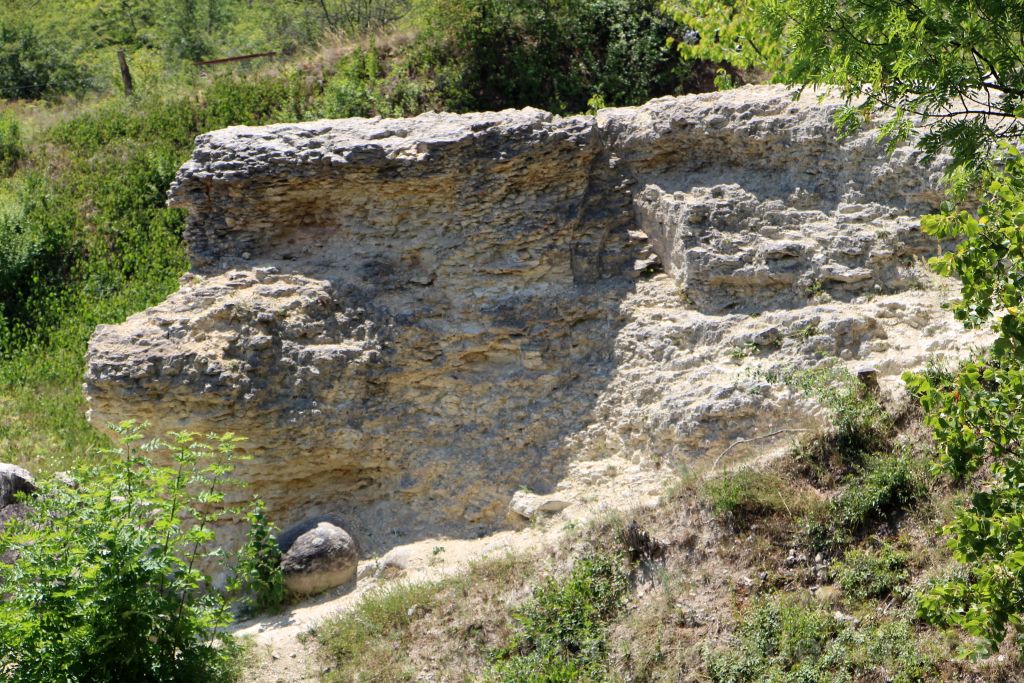
However, the nearby Kaňk National Natural Monument is also a true geological rarity. From the exposed limestone quarry here, the remains of a Mesozoic sea cliff from the Upper Cretaceous period rise up, containing rich deposits of marine fossils, primarily corals, snails, bivalves and brachiopods.
The biggest tourist magnets
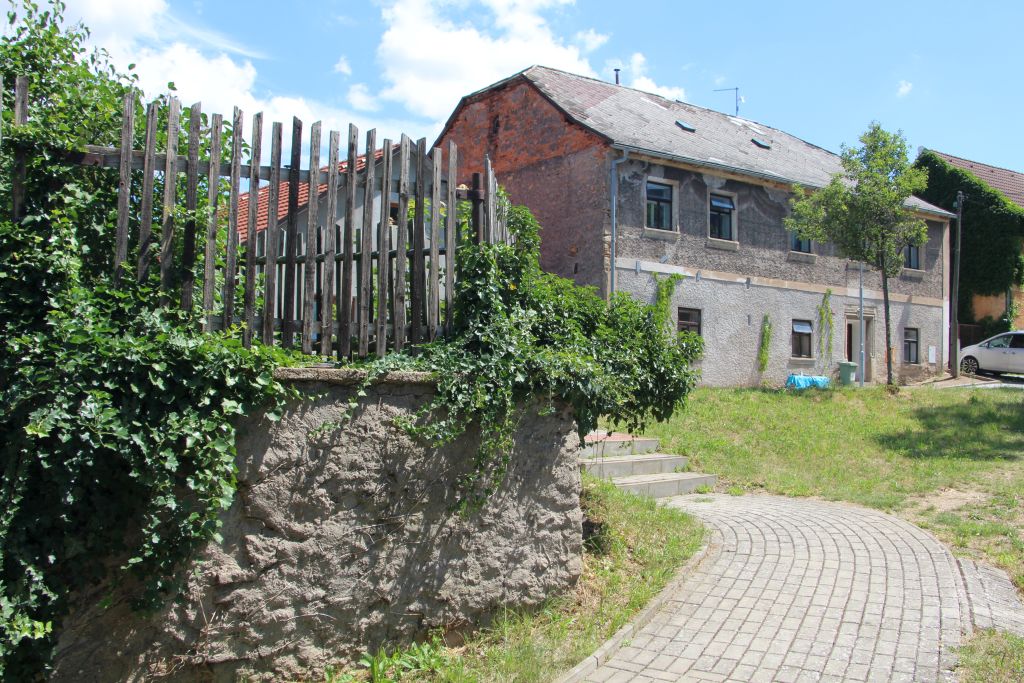
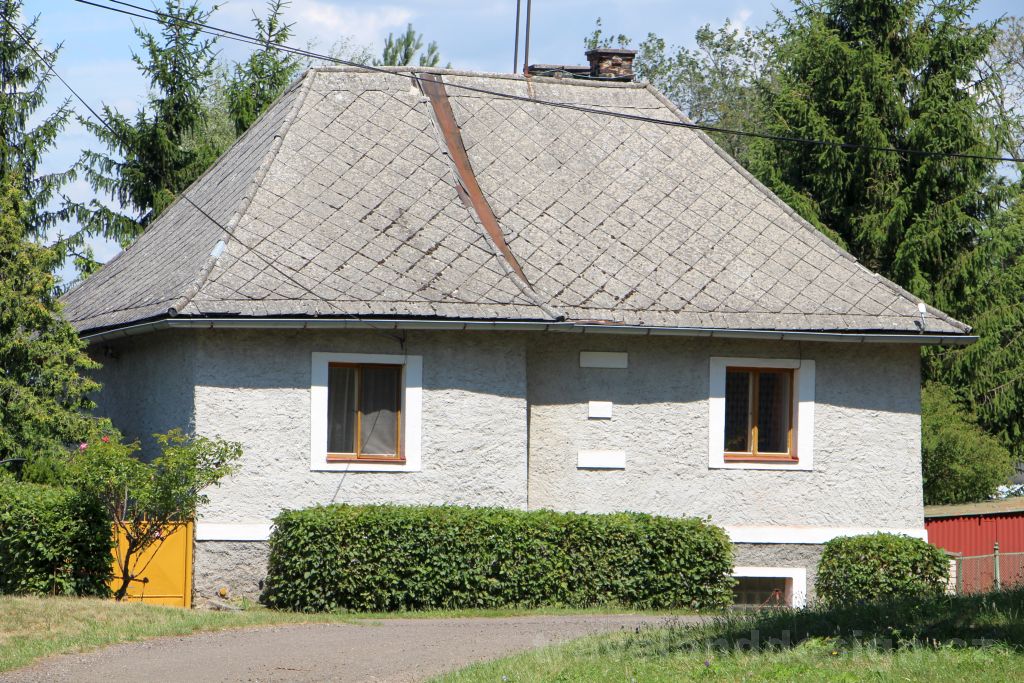
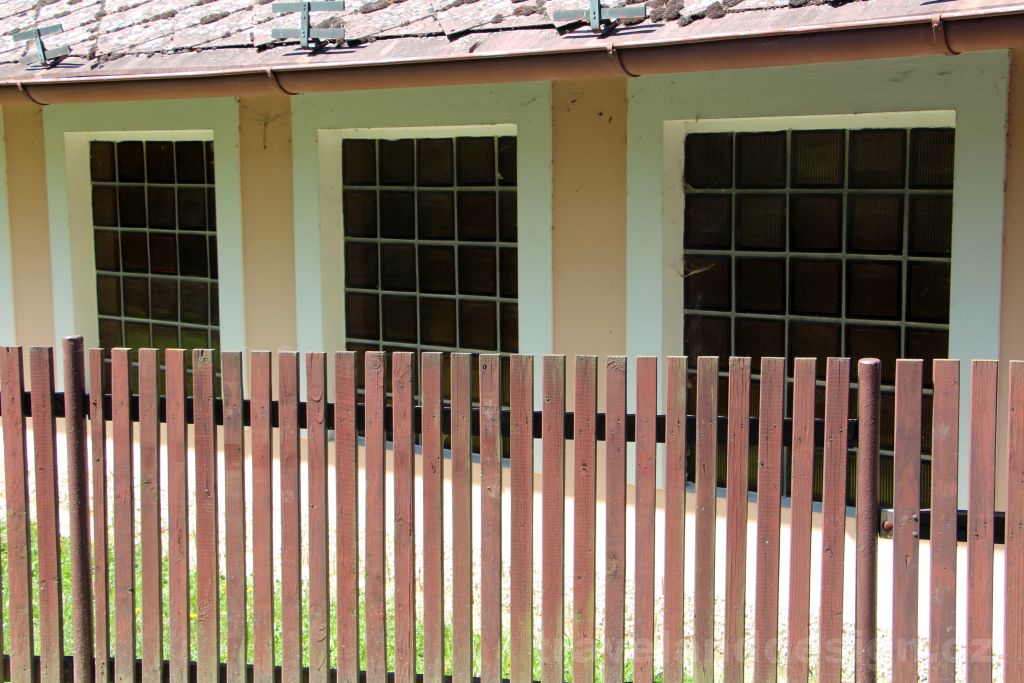
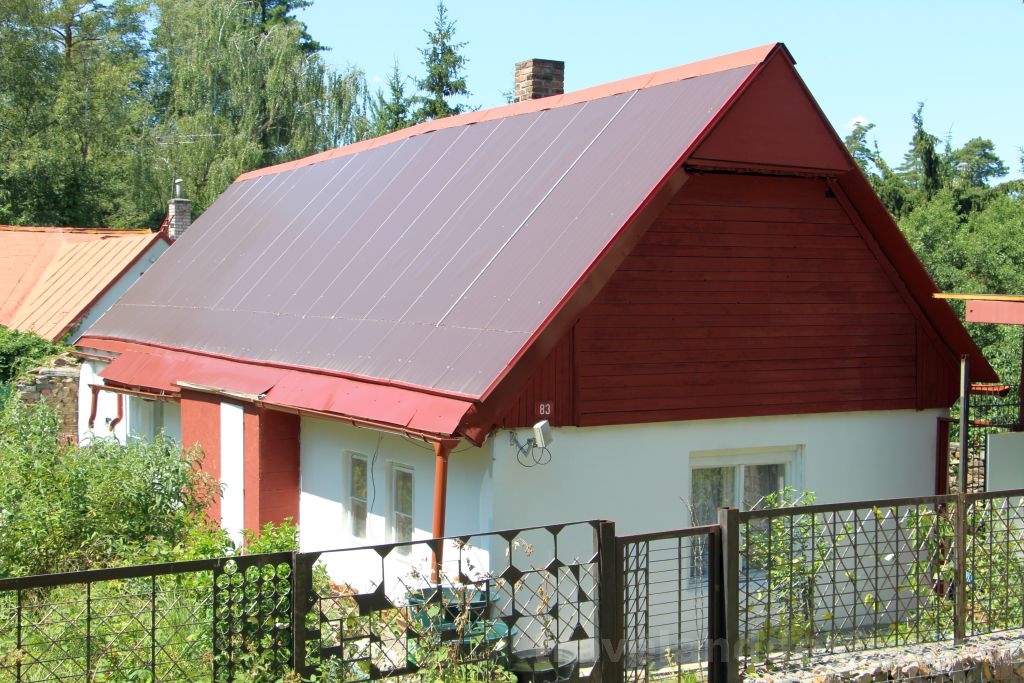
Today’s Kaňk stretches along long, narrow streets with scattered buildings, which were originally mainly individual miners’ cottages. The town still retains this character today, although many of these buildings have since been significantly modernised.
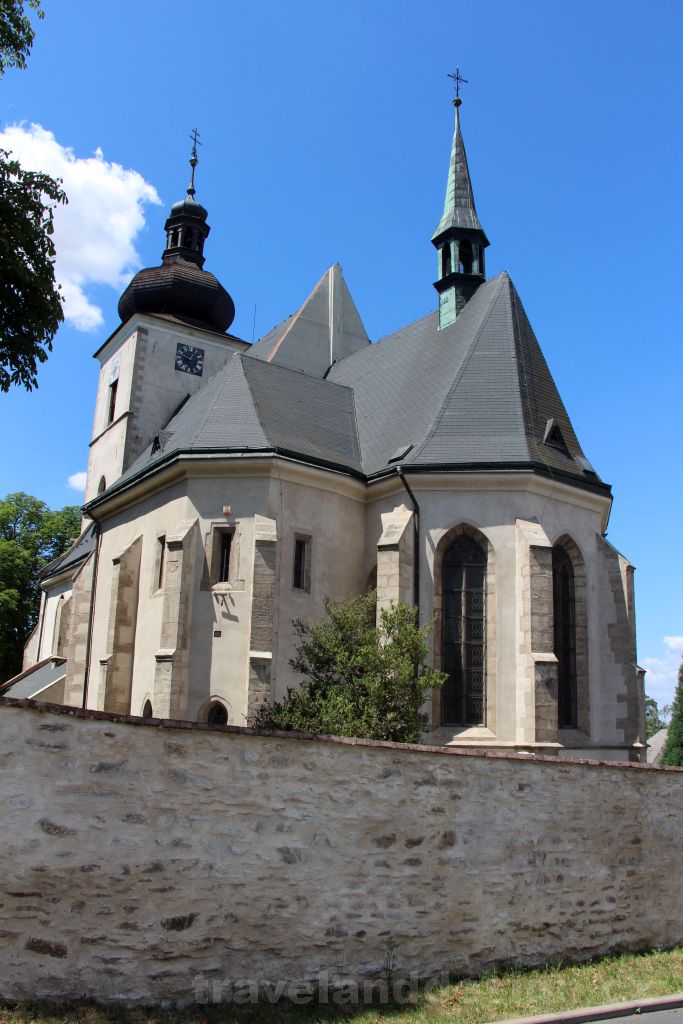
The most striking landmark in Kaňk is the imposing late-gothic Church of St Lawrence in the lower part of the town centre, which is surrounded by a small walled cemetery. It was built between 1489 and 1506 and remains to this day a testament to the wealth enjoyed by the patricians of that era. The architect of the church’s three-nave structure was the renowned Matěj Rejsek. He created the sanctuary, dating from 1502 and still preserved today, as well as the pulpit, within its interior. The church was later restored twice: in the baroque style, with an onion-domed tower, at the beginning of the 18th century, and again in 1873. On that occasion, the church was restored in the gothic style by Josef Mocker, a leading architect of his time.
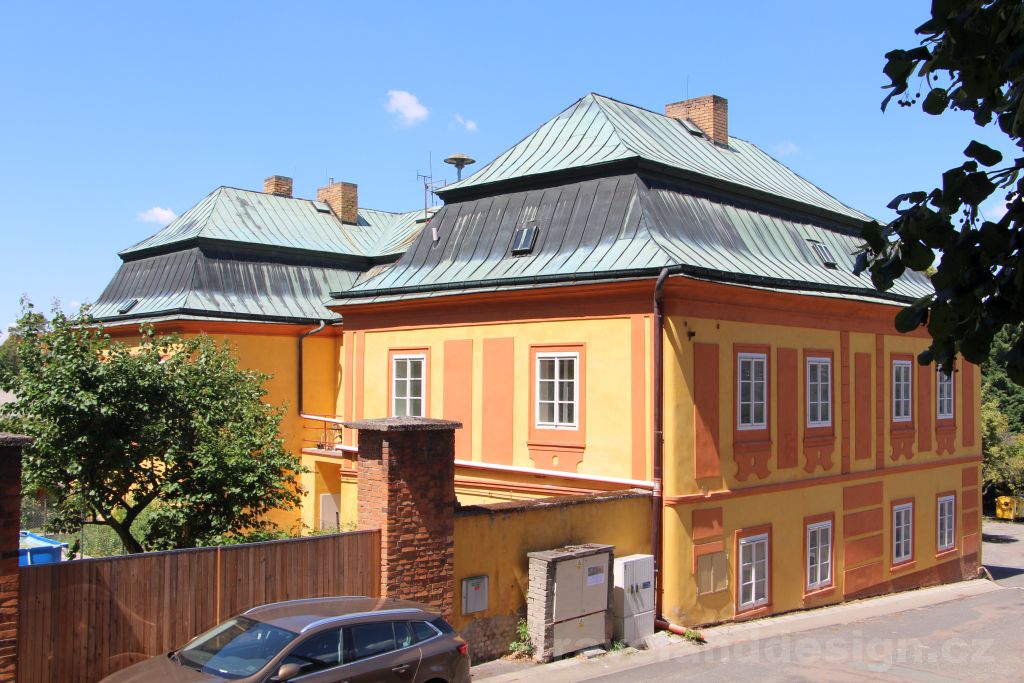
The town hall was also originally late gothic; it was built at the upper end of the elongated square as late as 1526. It included a tavern and an armoury, but as early as 1555 it was thoroughly rebuilt in the renaissance style. As it underwent a baroque reconstruction in the early eighteenth century, today’s three-winged building is adorned with distinctive mansard roofs.
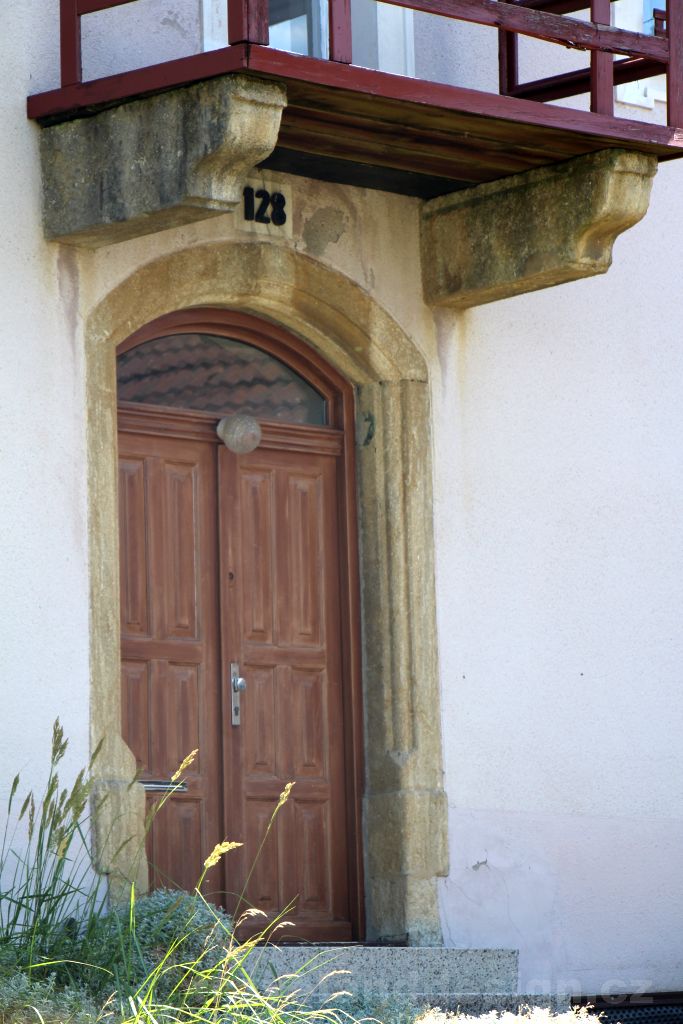
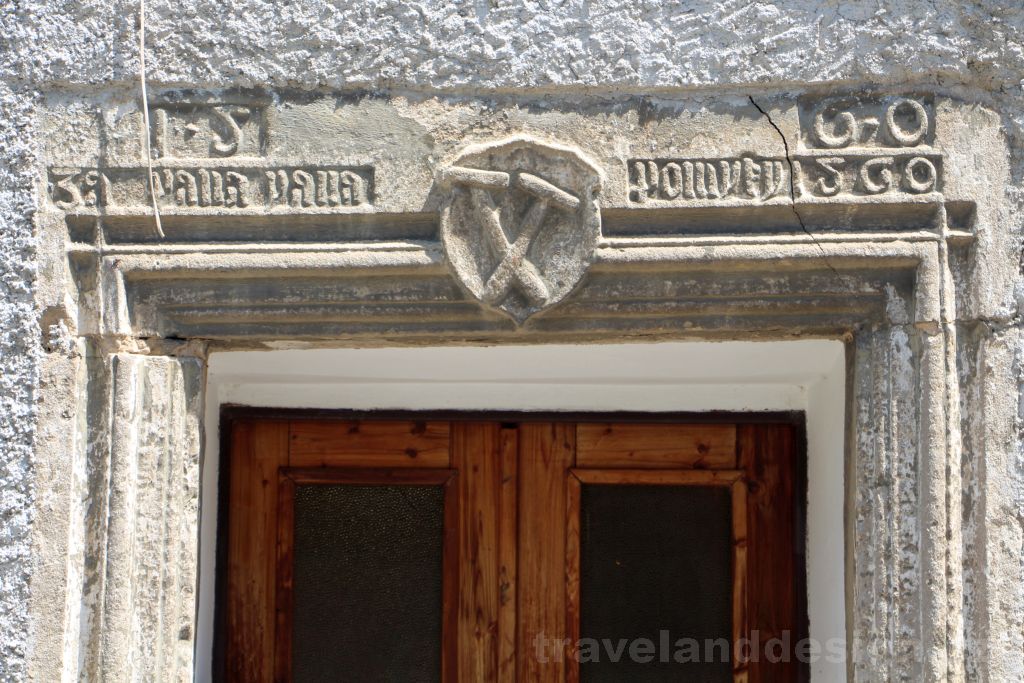
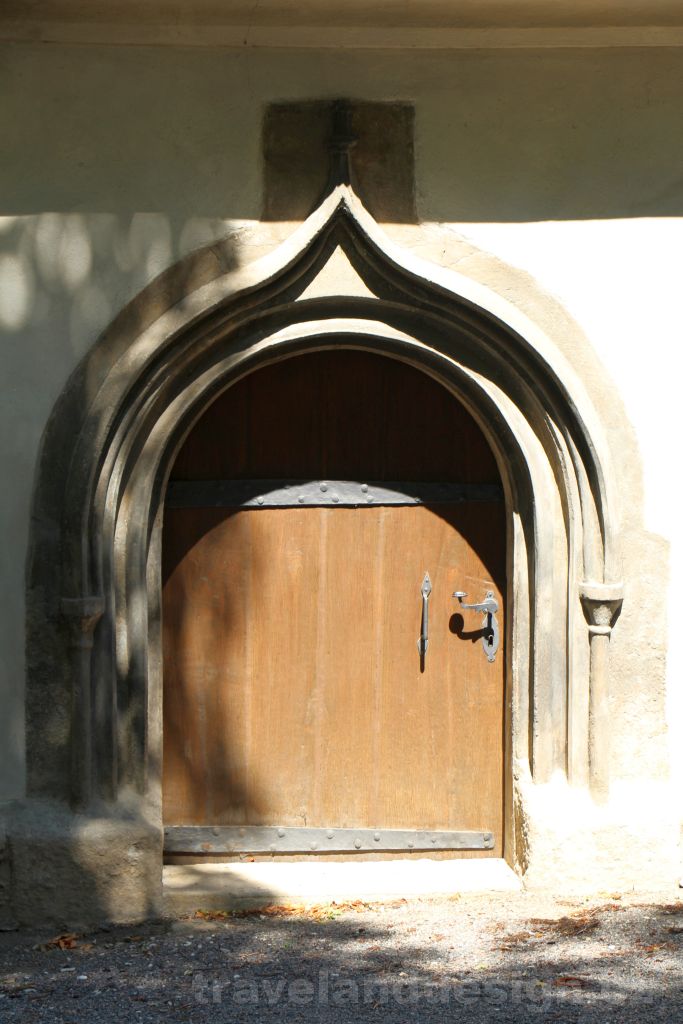
You’ll also find some fine late gothic and renaissance doorways on the later vicarage building (1560), as well as on other historic farmsteads along the two main roads that run through Kaňk from north to south. Also of interest is the building housing the renowned Na Pašince pub in the southern part of the town, which has been in operation here since the early 17th century.