Velvary
(since 1593)
3 000 inhabitants
Central Bohemia Region, Kladno district
Historical milestones
1282: Velvary appears for the first time in documents as a trading settlement on the ancient trade route from Prague to Saxony.
1357: It is acquired by king Charles IV. Luxembourg and is elevated to the status of a town.
1482: The town was destroyed by a great fire and king Vladislav II. elevates it to the status of a city.
1593: Velvary boasts the title of a royal town informally, the status was confirmed formally during the reign of Empress Maria Theresa.
1639: During the Thirty Years’ war the Swedish general Banér ordered the city to be burnt down. The city did not fully recover from this blow until two hundred years later.
1760-1776: Baroque reconstruction of the town during the economic boom under the Primate Florian Mikulovsky.
1854-1868: Velvary is temporarily a district city.
Interesting facts about the city
The town got its name due to its famed cooking (the name roughly translating to Great Cooking). Due to the city being on the busy trade route to Saxony (it was only a day’s ride from Prague), there have always been a lot of taverns, inns and also brothels. In 1591, Henry of Bílá was robbed of his money here and the song Oh, Velvary was written to commemorate this event.
The Velvar family became famous for their ingenuity when they sent hard boiled eggs to the construction of the Charles bridge in Prague to prevent them from breaking on the way. So instead of being put in the mortar, they were put directly into the mouths of hungry masons and stonemasons.
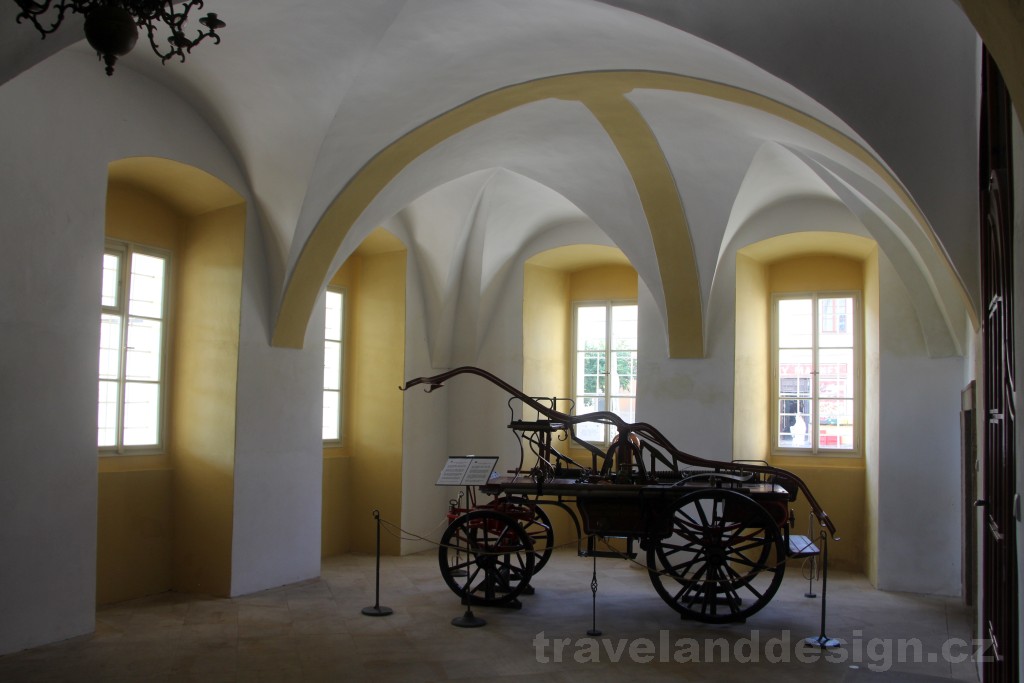
In 1864, the first volunteer fire brigade in Bohemia was established in one of the houses in Pražská Street under the patronage of mayor Karel Krohn. After all, there was always fire to be fought in the city, on ten occasions only in 1663!
The biggest tourist magnets
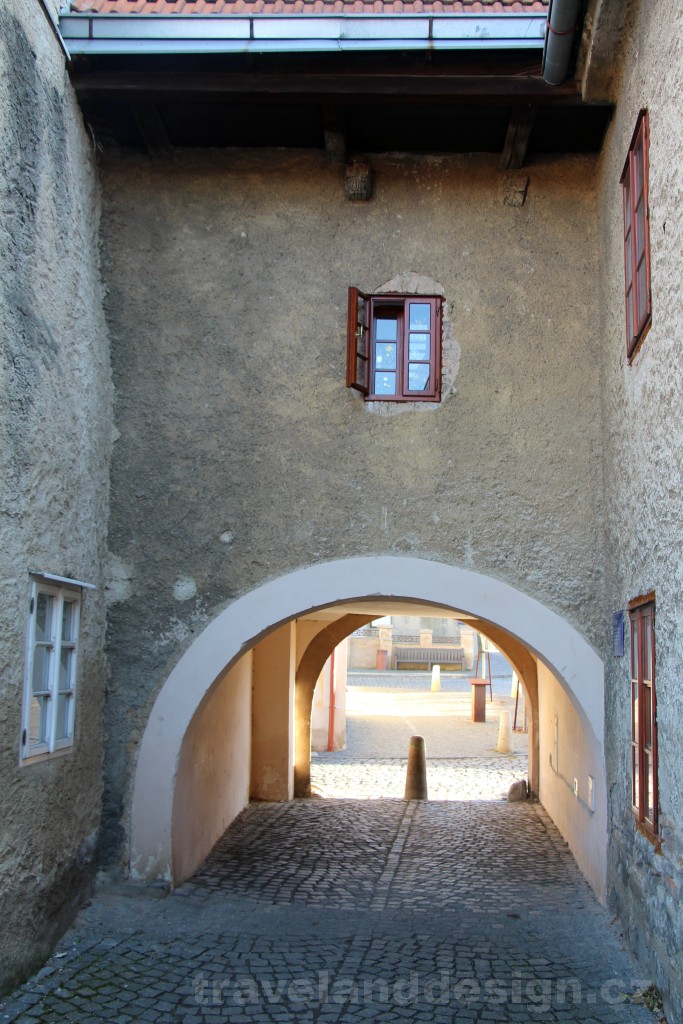
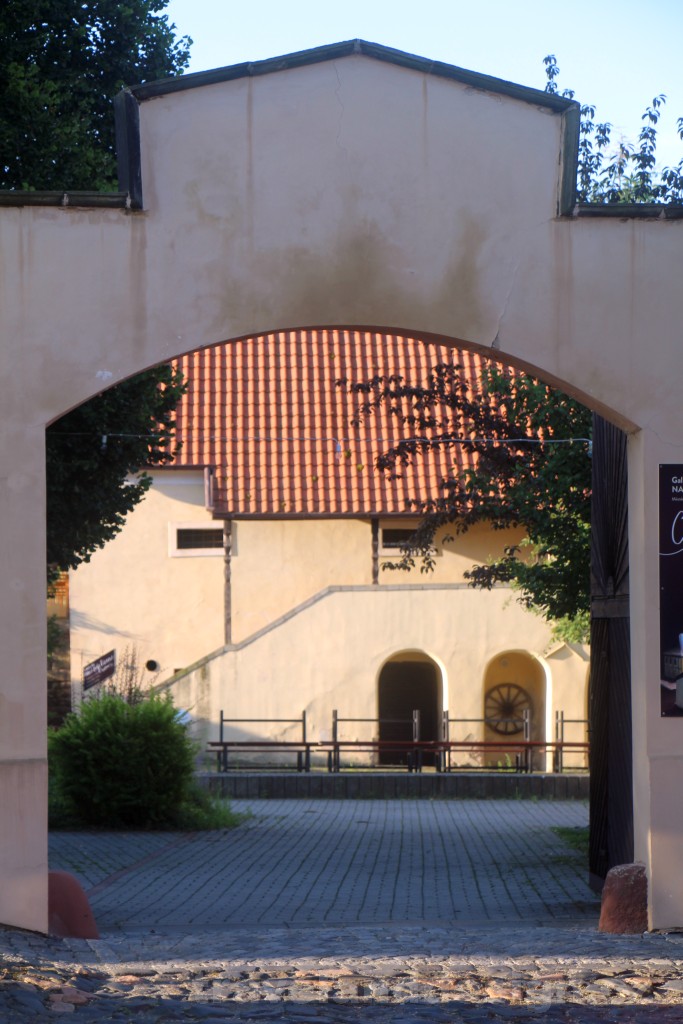
Only one of the four gates in the town has survived – the Prague Gate (1580), built by the Italian builder Bartholomew Vlach.
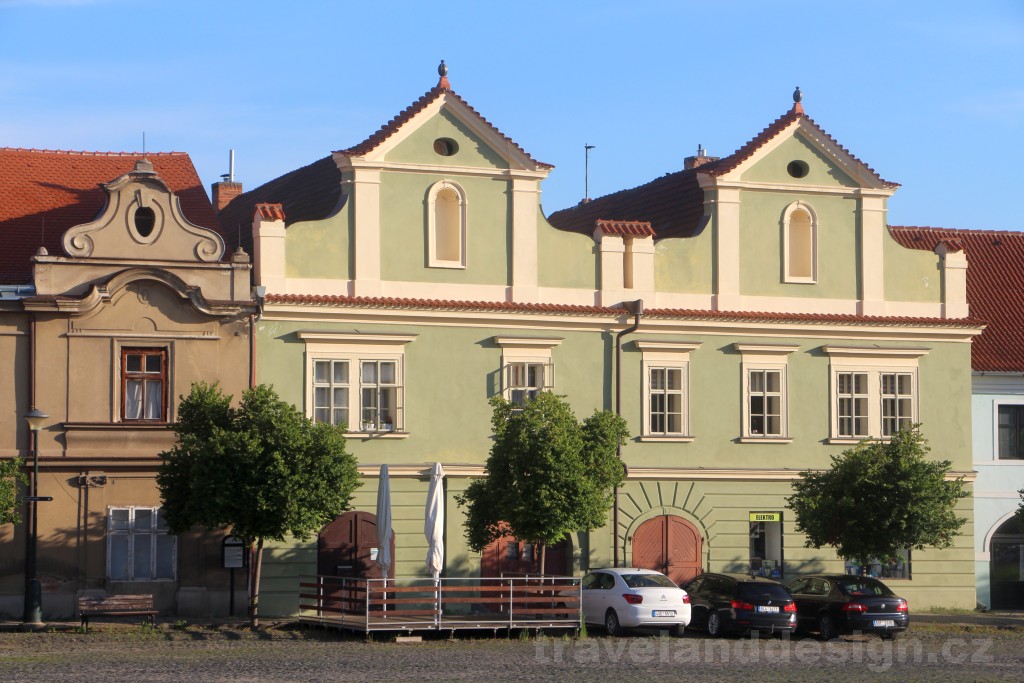
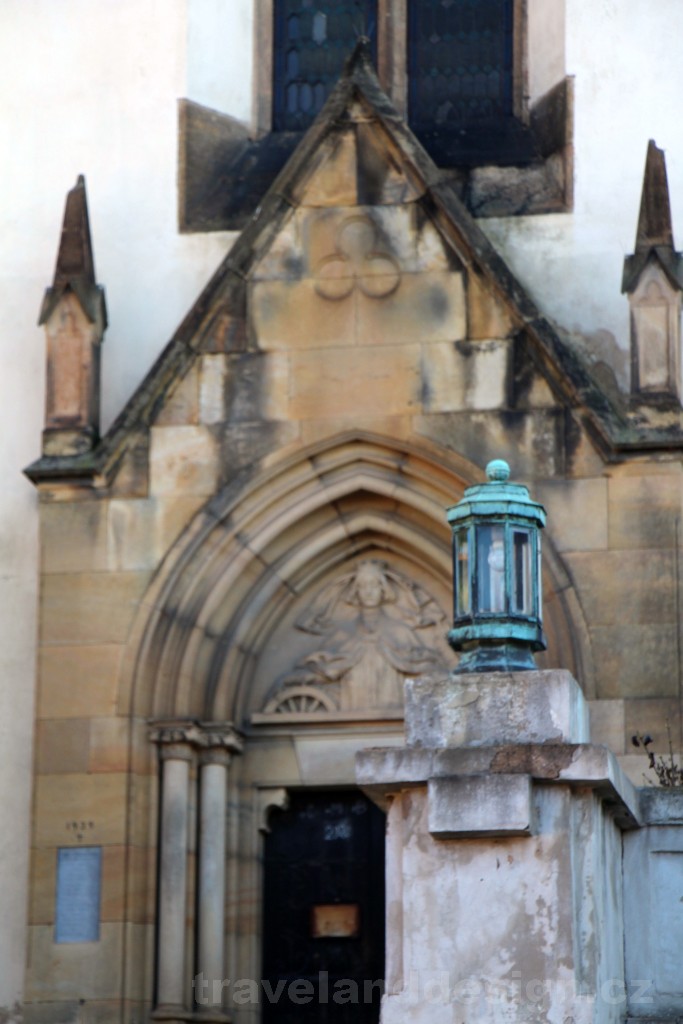
The most prominent two renaissance pearls in the town were financed by a rich apothecary called Dryjáčník (translated to the potion brewer). One of them is the Dryjáčnický House, in the square with its high mansard roof and the other is the cemetery church of St. George.
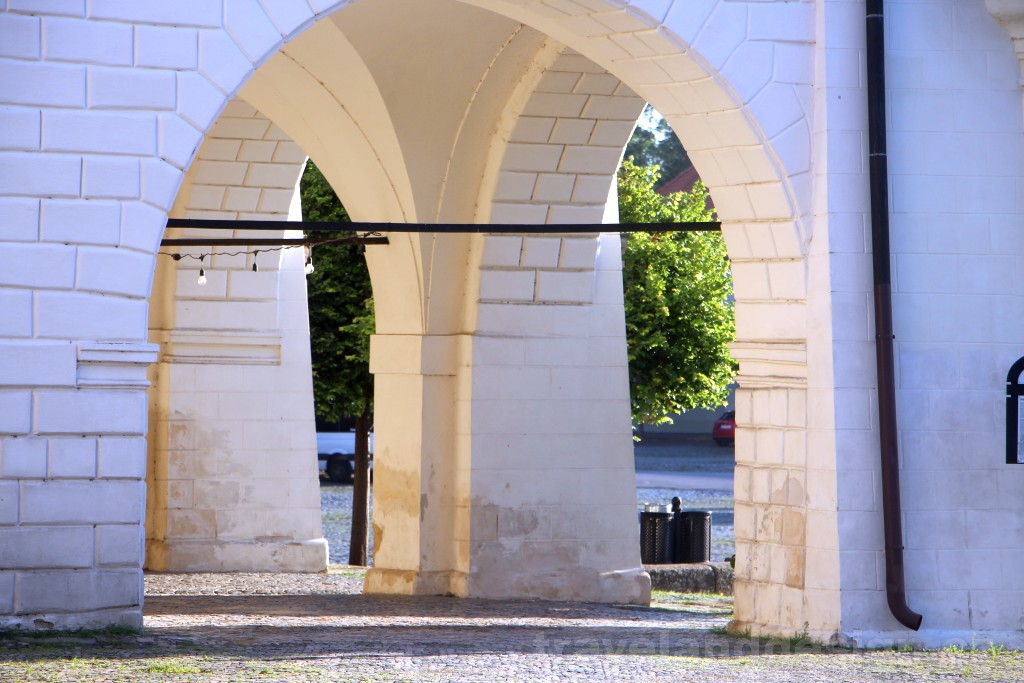
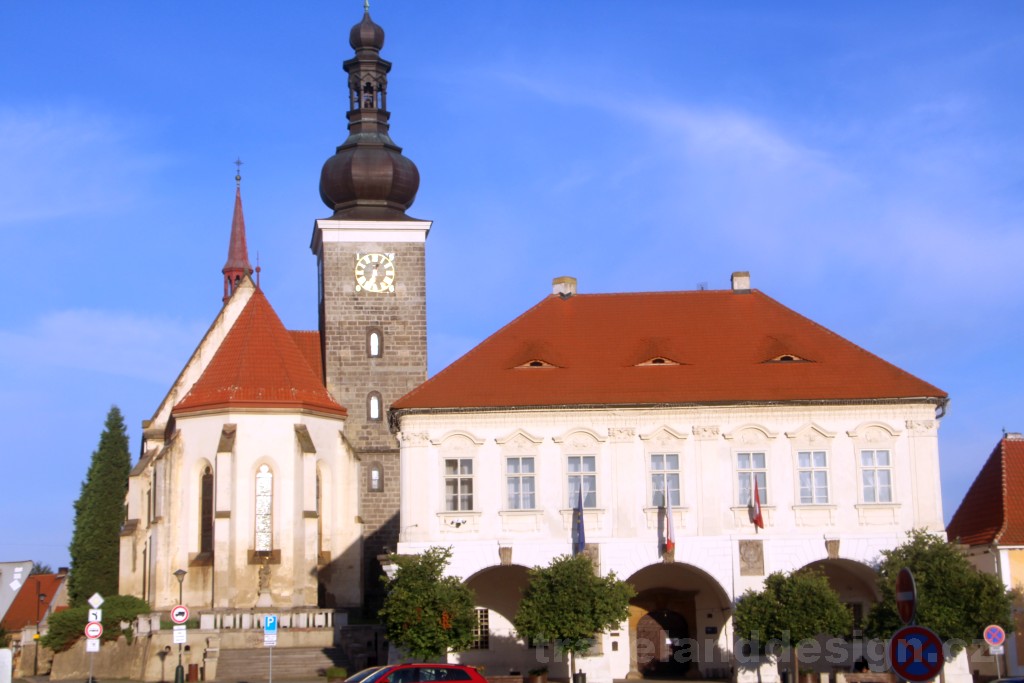
The square bears the name of king Vladislav II and is dominated by the baroque town hall with a renaissance arcade, which was designed by Italians, most recently Ignaz Palliardi in the baroque period.
In the middle of the square stands a beautiful two-storey baroque column from 1719, which combines both the Cult of the St. Mary on the top with the statue of the Immaculate Virgin Mary and a reminder of the plague epidemic of 1713.
The Manor pub on the square is the work of the famous baroque architect Paul Ignaz Bayer, who also rebuilt the Church of St. Catherine, where we can find the late gothic Velvar Madonna from 1510.
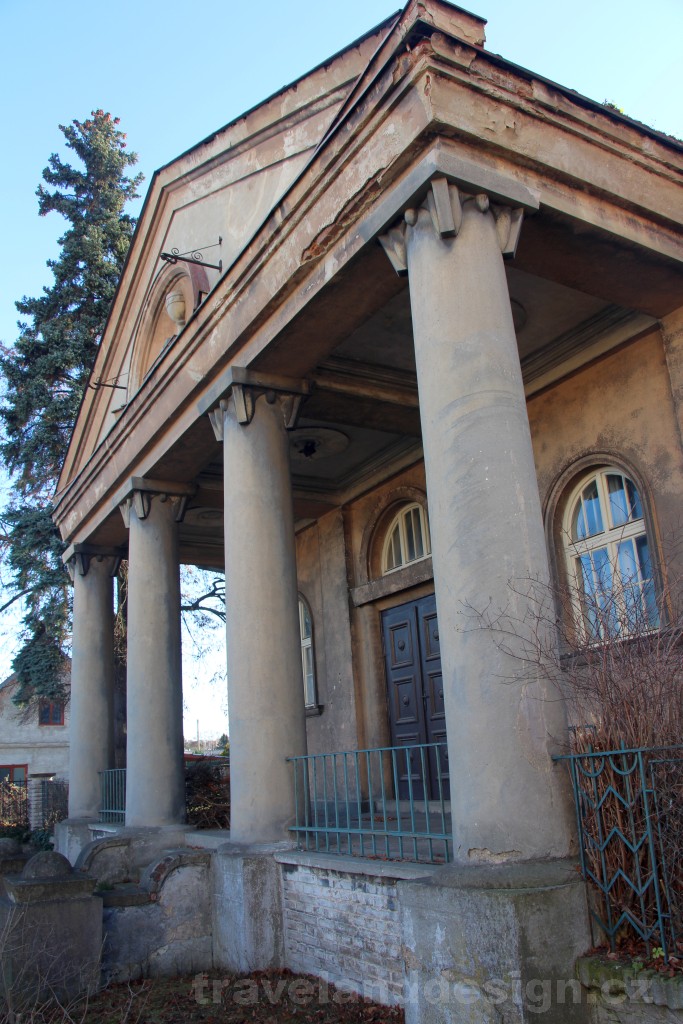
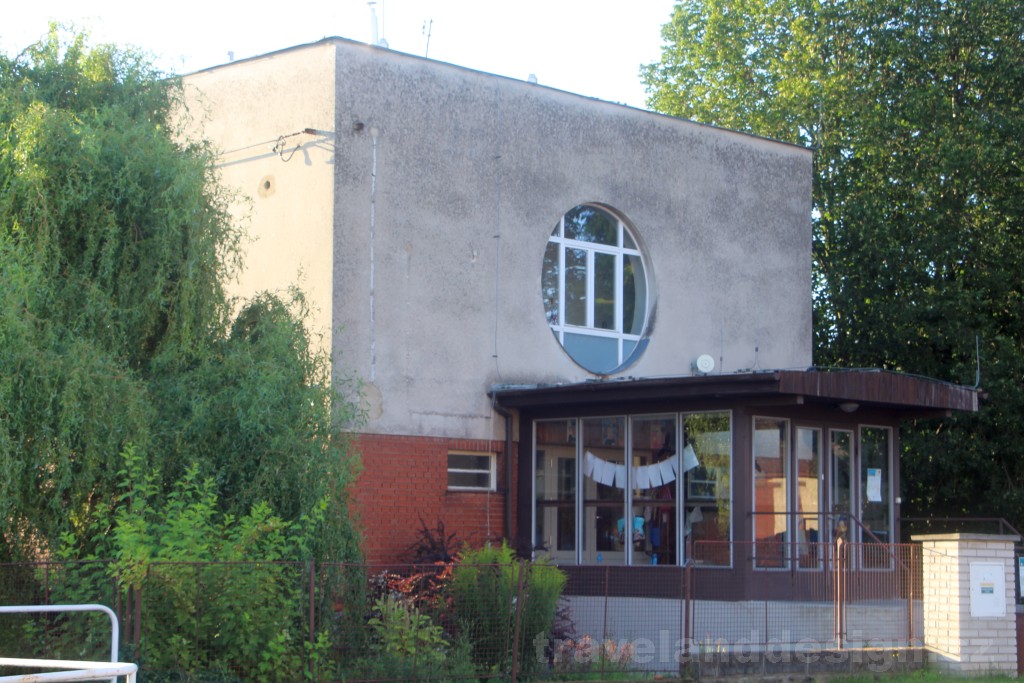
The local Jewish community, exterminated by the Nazis, is commemorated by a purely purist synagogue building called “the Cube” built between 1930-31, the work of architect Franz Albert Libra, today a cultural and educational centre.
Famous natives
Leopold Koželuh, composer and imperial chaplain in Vienna (*1747)
Václav Klement, founder of motoring in Bohemia (*1868)
Jaroslav Vozáb, actor of the Jára Cimrman theatre (*1919)