Slaný
(1305-1620, since 1794)
15 900 inhabitants
Central Bohemia Region, Kladno District
Historical milestones
1296-1305: Slaný was founded by King Wenceslaus II. Premyslid under the Magdeburg law.
1348: The town was damaged by the first earthquake.
1371: A great fire destroyed the whole town.
1419: Slaný joined the Hussite movement.
1425: The town was besieged by the Hussite group of Taborites led by Jan Roháč of Dubá, who conquered it and had his constables burned near the meat shops on the square. From then on, the town became one of the five chosen Hussite towns to survive the end of the world, under the nickname Hvězda (The Star).
1460-1472: During the reign of King George of Poděbrady, the city’s fortifications were modernized, encircling it in two walled belts with bastions and four entrance gates.
1511: A second earthquake deprived the town of its famous salt springs.
1623: As the only rebellious town in the Czech lands, Slaný was deprived of its title of royal town as a punishment for its participation in the anti-Habsburg rebellion. Since then, it has remained a serf town in the hands of the Counts of Martinitz.
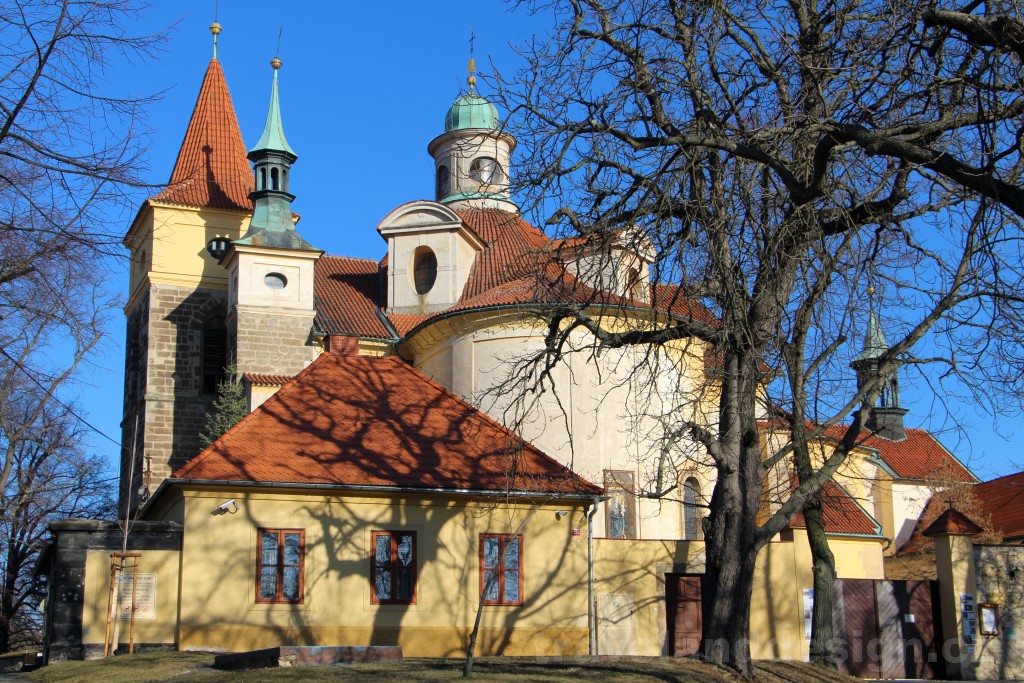
1655-1665: As part of the re-catholization of the town under Bernard Ignatius Count of Martinitz, a Franciscan monastery, a Piarist college and the Chapel of the Holy Sepulchre were built in the baroque style.
1794: Slaný’s title of royal city has been returned.
1795: A large fire deprived the town of its town hall and 170 houses.
1835: Much of the town’s fortifications were demolished.
1850-1960: Slaný held the status of a district town.
Interesting facts about the city
Above the town there is an extinct volcano called Slánská hora, the southernmost outcrop of the Bohemian Central Highlands.
The name of Slaný comes from the salty springs, which unfortunately no longer exist, but there is still a huge underground lake of salt water with a salt content of three percent under the town centre. In the Middle Ages, the water was still being drawn from ground to be turned into soup from the springs here.
Vines have traditionally been grown near the town since the time of Emperor Charles IV in 1358.
The historic centre of Slany is now protected as a town conservation area.
The biggest tourist magnets
Only one of the four Gothic gates to the town – the Velvar Gate (1461) – has survived.
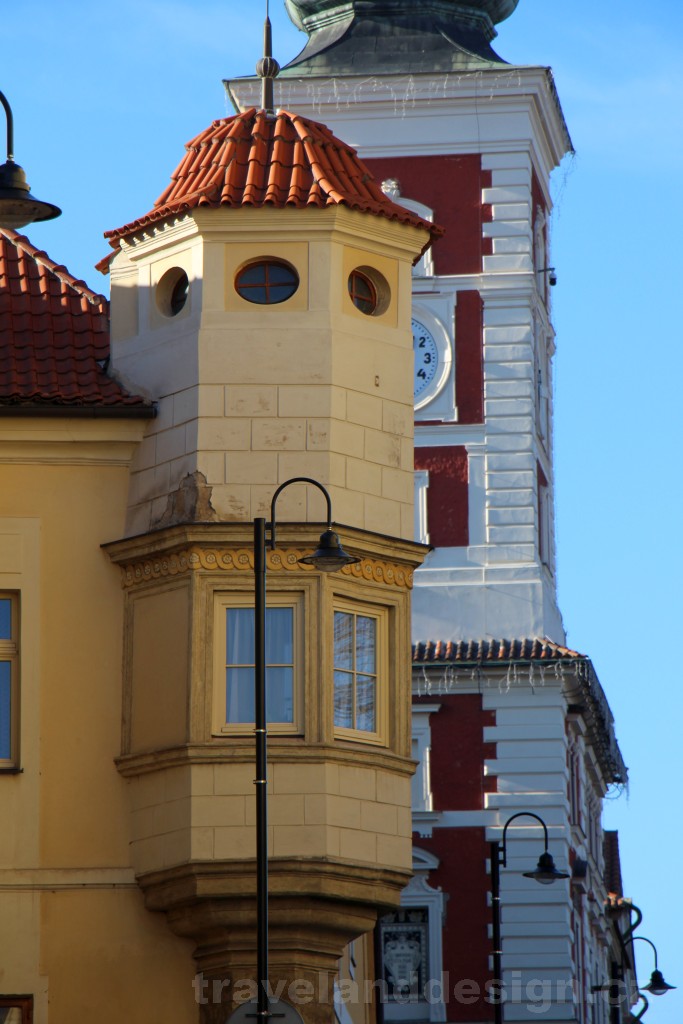
The square is dominated by the Neo-Renaissance town hall, whose tower bears the symbol of the twelve-pointed star, the Hussite chosen city, and next to it the Baroque Martinitz House, a symbol of the serfdom after the defeat on the White Mountain.
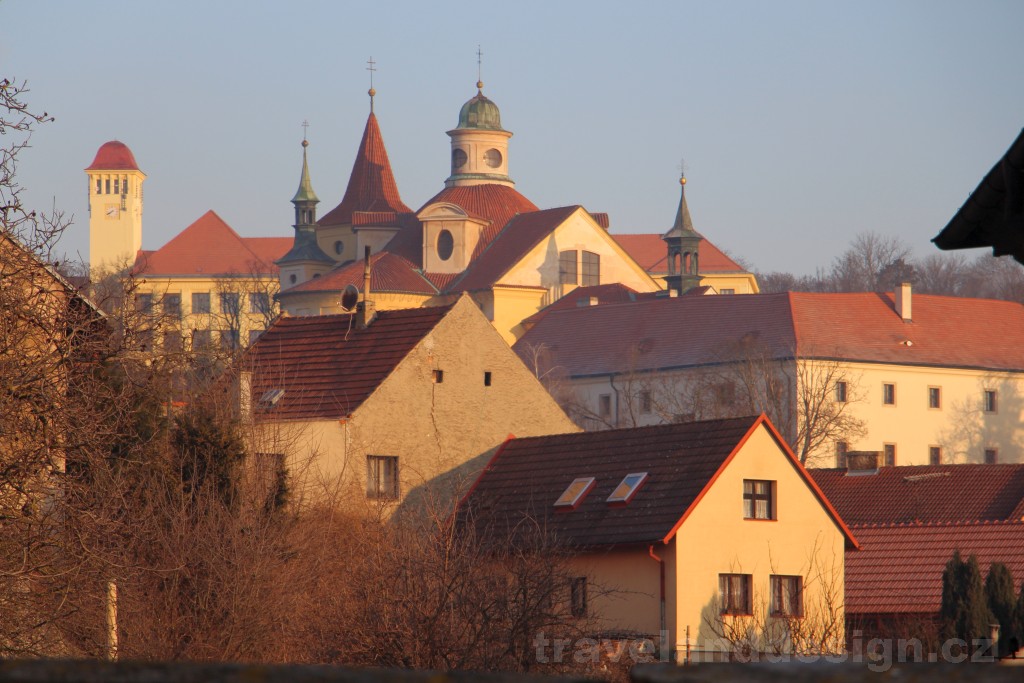
The Franciscan monastery on the site of the medieval execution ground is now home to the barefoot Carmelites. The pride of the functioning monastery is the Renaissance church of the Holy Trinity by Domenico Orsi.
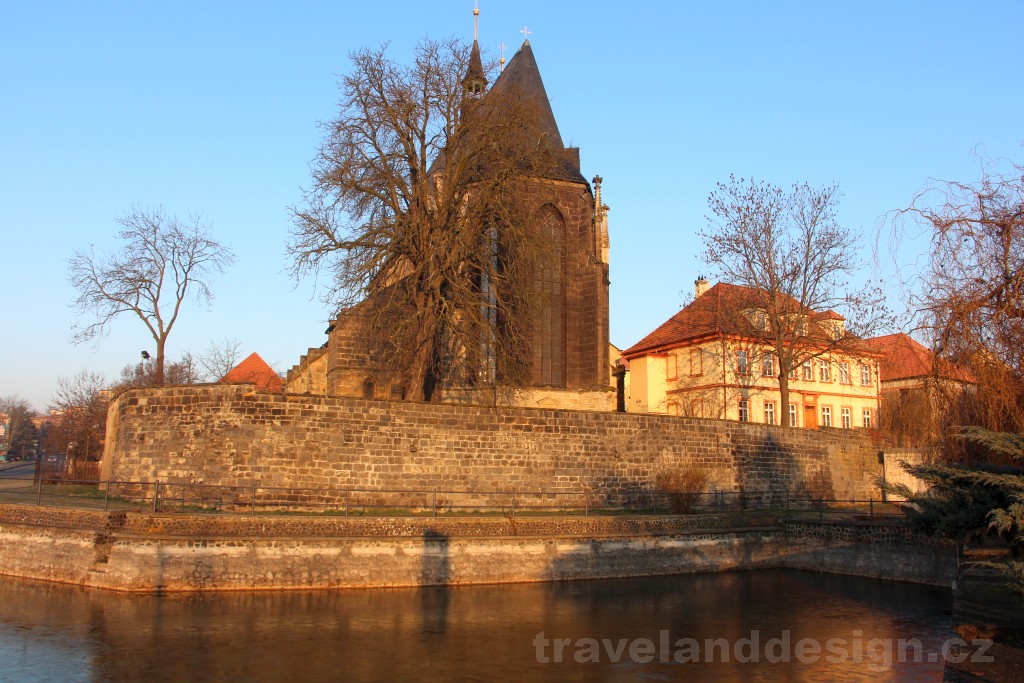
The main Gothic church of St. Gotthard has stood in the town since the 12th century.
The Renaissance-baroque Modletitz House with its charming corner bay window brews the local beer Antos.
The Neo-Renaissance District House from 1902 was designed by the prominent architect Jan Vejrych, and the Neo-Renaissance style also dominates the Wiehl House. The builder’s brother Antonín Wiehl himself painted the sgraffito on the facade.
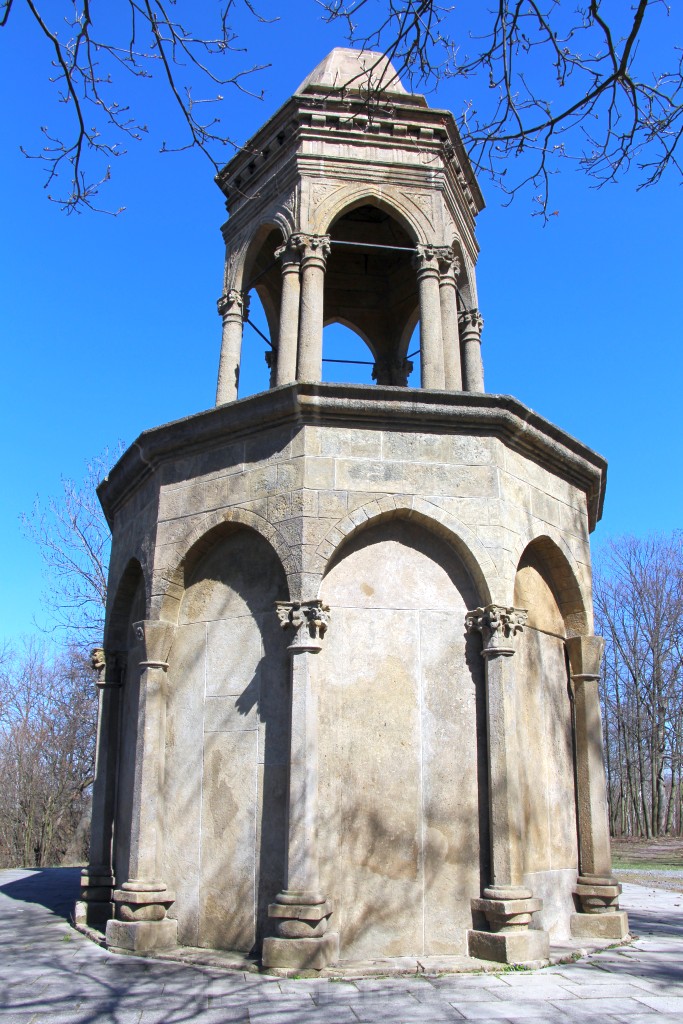
The Baroque Chapel of the Holy Sepulchre is an imitation of the original in Jerusalem and is part of the spiritual Baroque landscape built around the town by the Martinitz family.
The neo-romanesque synagogue from 1865 commemorates the local Jewish community.
Famous Slaný natives
Václav Vilém Štech, historian (*1885)
Josef Navrátil, painter (*1798)
Olga Scheinpflugová, actress (*1902)
Karel Smyczek, director (*1950)
Famous inhabitants of the town
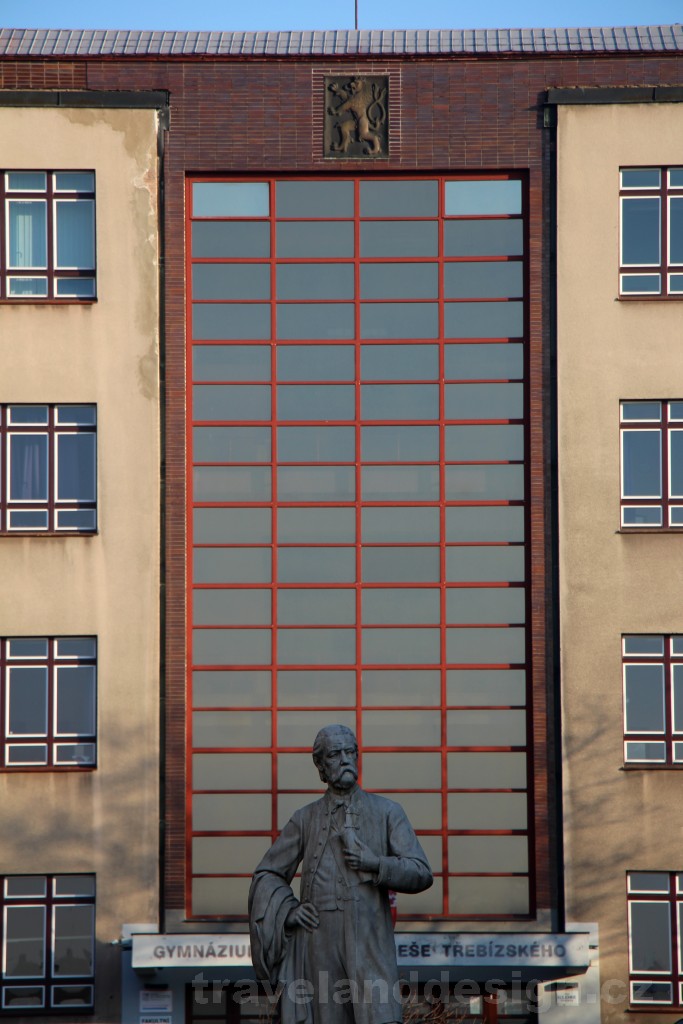
Václav Beneš Třebízský, writer
Jaroslav Vrchlický, writer and playwright
Svatopluk Čech, poet and writer