Žatec
(a royal town since 1265)
19,000 inhabitants
Ústí nad Labem Region, Louny District
Historical milestones
1004: First historical mention of the town with a Přemyslid fortified settlement, which was the seat of appanage princes.
1265: Žatec was elevated to the status of a royal town by King Přemysl Otakar II.
1419: Together with Plzeň, Klatovy, Slaný and Louny, the town became one of five chosen towns that were to survive the end of the world. It was given the nickname „Town of the Sun“.
1421: Žatec repelled a siege during the Second Crusade. The newly formed Žatec-Louny alliance was led by Jakoubek of Vřesovice.
1618: The town sided with the Estates Uprising against the Habsburgs, and its mayor, Maxmilián Hošťálek of Javořice, became one of the members of the Estates Directorate.
1621: After the defeat of the uprising, the mayor of Žatec was executed in Old Town Square in Prague along with 27 other lords.
1680: After a difficult period of recatholisation, the town was hit by peasant uprisings, which culminated in the execution of seven leaders of the rebellion.
18th century: Žatec burned down several times and was rebuilt in the baroque style.
1850: Žatec lost its status as the regional capital of the abolished Žatec Region.
1879: Žatec hops were exported to America for the first time.
1901: Žatec hops were newly exported to Japan.
1945: The western railway station was bombed by Allied forces.
June 1945: The so-called Postoloprty massacre took place in the town as part of the violent expulsion of German inhabitants from the region.
1960: The town lost its status as a district town to Louny.
1961: Žatec became an urban conservation area.
2003: Other parts of the wider historical centre became an urban conservation zone.
2023: Žatec and the Žatec hop-growing landscape were inscribed on the UNESCO World Heritage List.
Interesting facts about the town
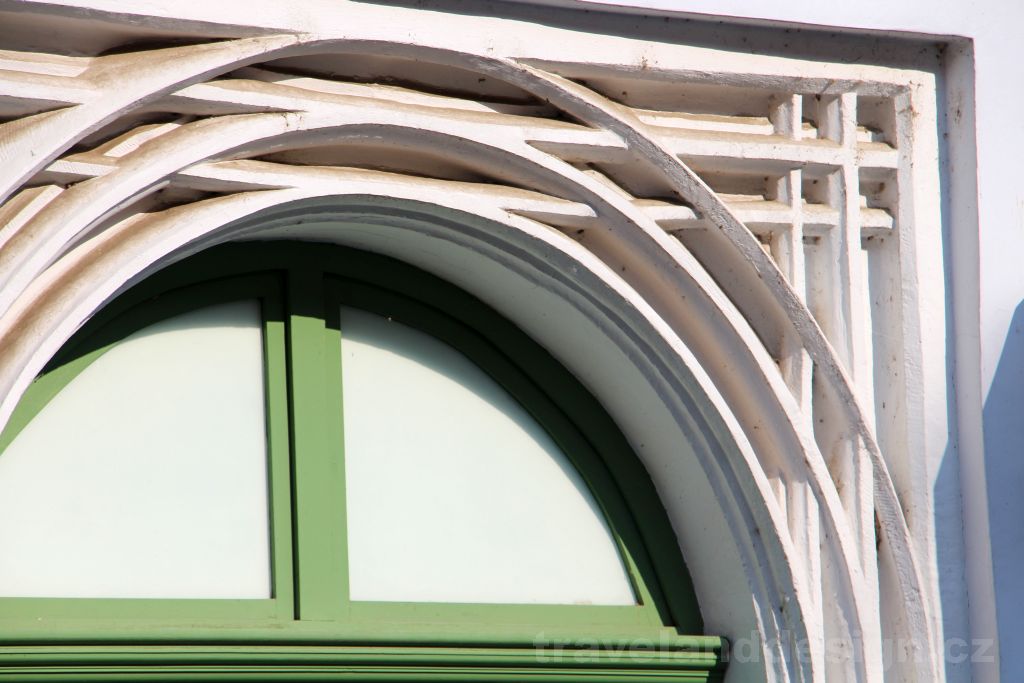
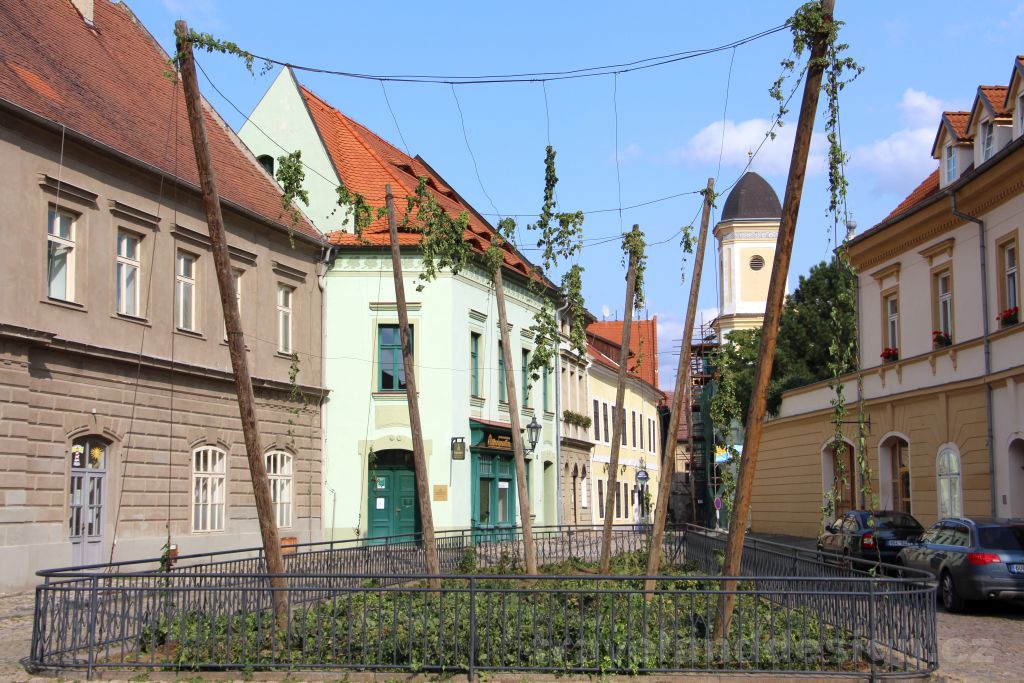
Žatec is the most important centre of hop growing in the Czech Republic, and to this day, at the end of August, the Žatec Hop Festival, or Dočesná, is celebrated here every year at the end of the harvest. In addition to hops, grapes have also been grown here since the 14th century, as the area around the town is particularly fertile, even though it is still the driest area in Czechia, through which the Ohře river flows. At that time, Žatec was one of the largest towns in the kingdom, with a population of 6,000. The cultivation and subsequent trade in hops helped finance the town’s spectacular renaissance reconstruction during the 16th century. In the 19th and 20th centuries, Žatec, together with Nuremberg, became one of the metropolises of European hop growing. The art nouveau building of Vinzenz Zuleger’s hop drying and storage facility from 1913 dates from this period. The smallest hop field in the world is also located near Freedom Square. On the other hand, the largest hop museum in the world is the local Hop Museum.
In the garden of the K. A. Polánek Regional Museum on Husova Street, there is a stone menhir from prehistoric times called the Enchanted Girl, which originally stood on the road from Březnice to Malnice. The museum also has a collection of postage stamps with a hop-growing theme.
The town centre has always been photogenic, attracting filmmakers. The TV series Nemocnice na kraji města (Hospital on the Edge of Town) and Já, Mattoni (Me, Mattoni) were filmed here, as well as the cult Czech films Starci na chmelu (The Hop Pickers) and Holky z porcelánu (Girls Made of Porcelain).
During World War II, the Nazis built a military airfield near Žatec, which is still in use today and was allegedly used to test various miraculous German weapons.
The biggest tourist magnets
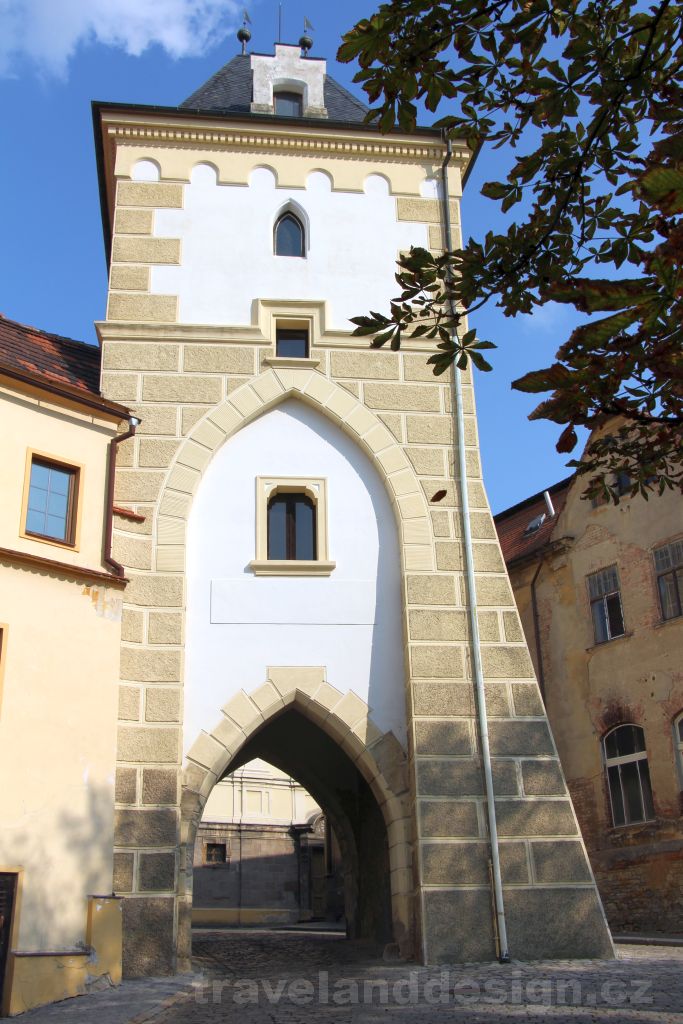
Unfortunately, the original Přemyslid castle has not survived to this day, except for the originally gothic tower, which was converted into a water tower. Today, it is part of the new brewery. All that remains of the solid romanesque stone walls is a torso around the western side of Freedom Square, but the late gothic ramparts from the second half of the 15th century, including the so-called Hussite bastion, have remained relatively intact. Of the city gates, you can admire the regothicised Kněžská Gate and the Libočanská Gate from the turn of the 13th and 14th centuries.
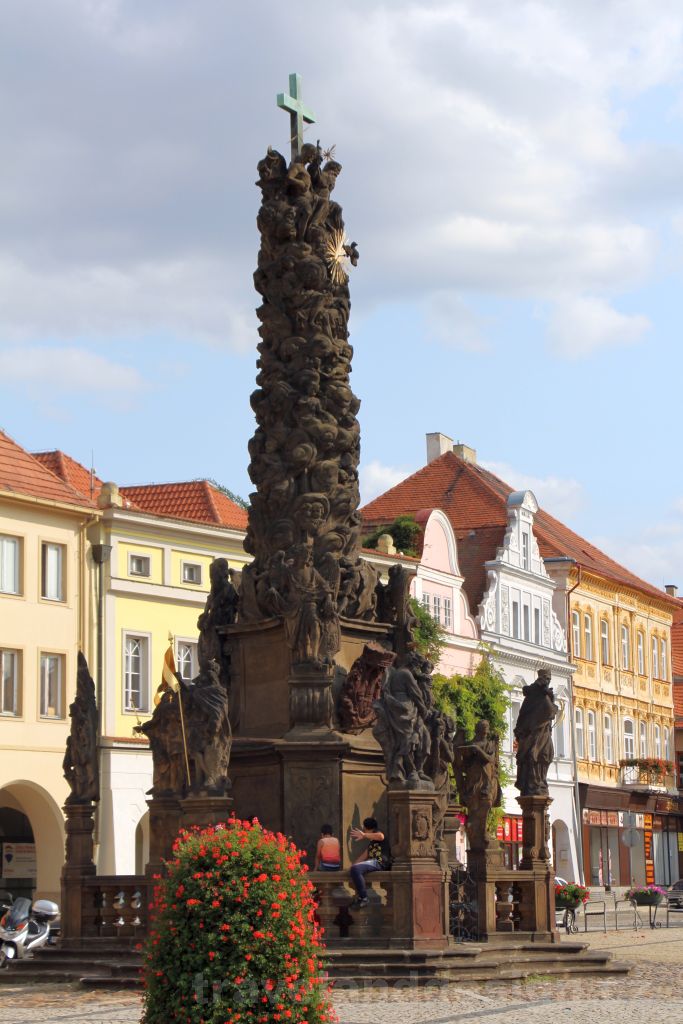
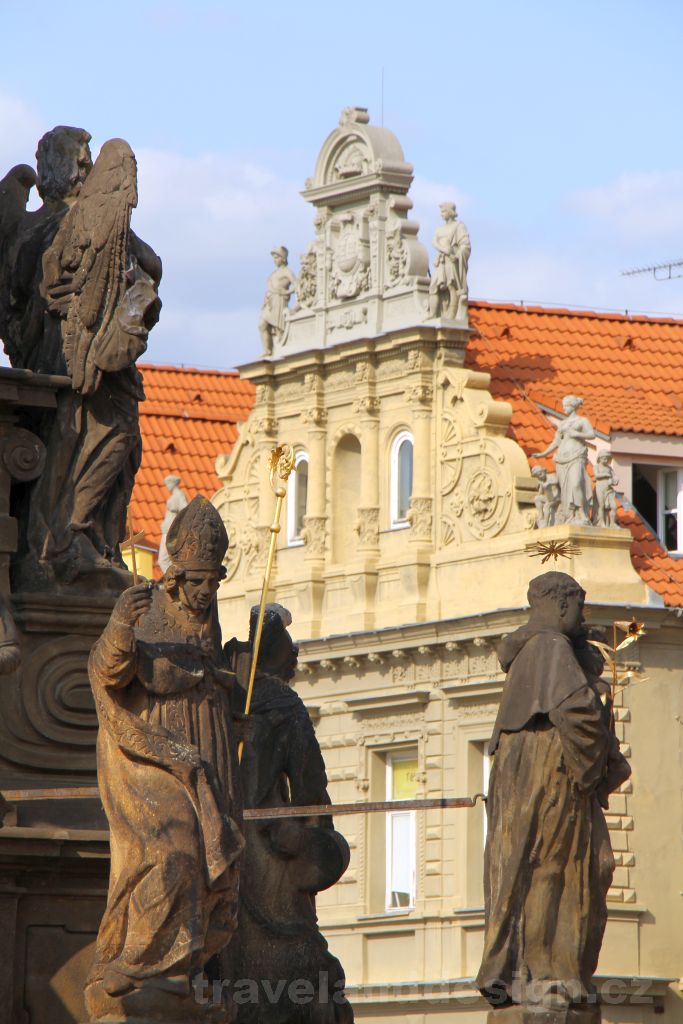
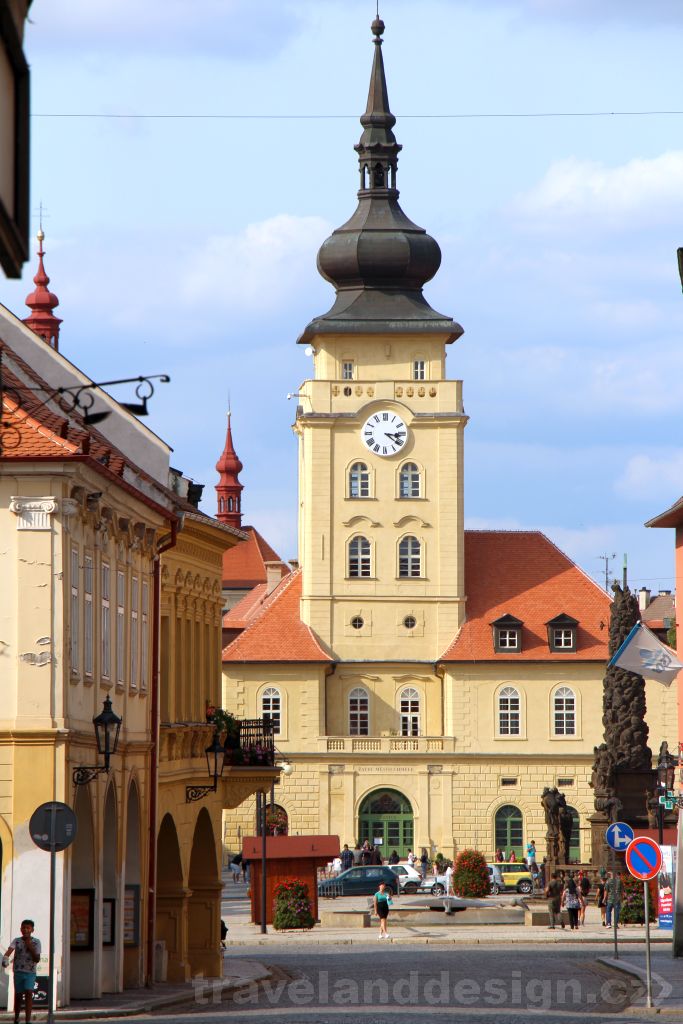
Around the elongated main square there is a number of burgher houses with gothic and renaissance cores and mostly baroque façades. Some houses have retained their arcades, but above all their multi-storey cellars. An interesting landmark of the square is the distinctive baroque town hall with a massive five-storey prismatic tower. The gothic ribbed vault from the original building has been preserved on the ground floor. However, it was fundamentally rebuilt in 1788-9 in the late baroque style. After the Sudetenland was ceded to the German Third Reich, it served as the infamous headquarters of the Gestapo. In the middle of the square stands a relatively unique cloud-shaped column of the Holy Trinity from 1713 with rich sculptural decoration. It is twenty metres high and is said to connect the Earth with the heavens.
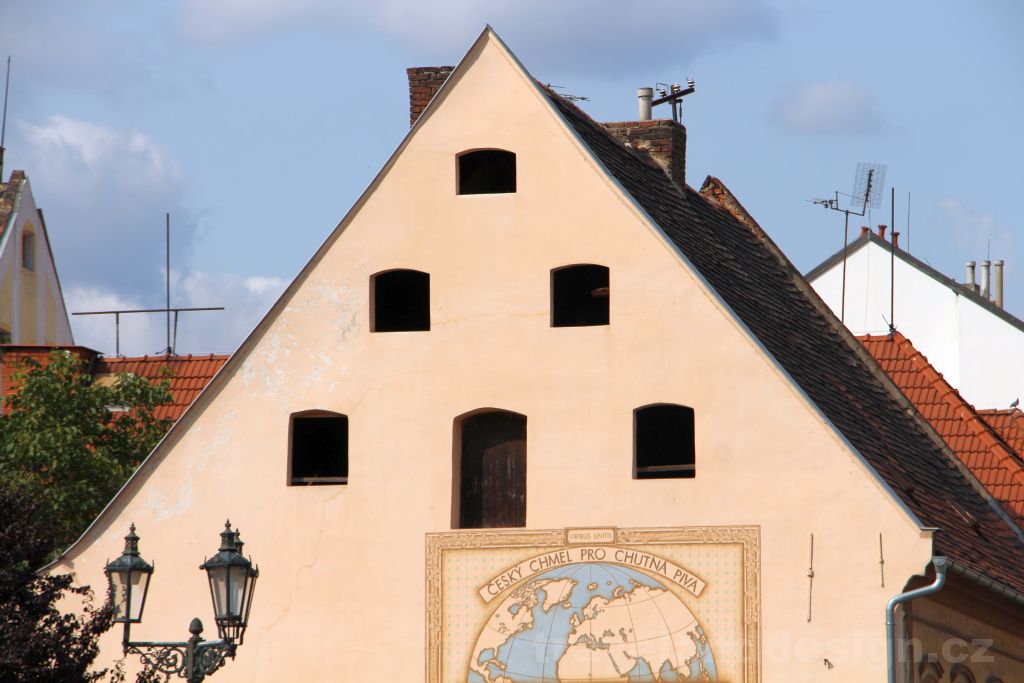
One of the oldest preserved town houses with a gothic core is the recently renovated Meder House, which is open to the public. Another interesting monument is the renaissance malt house, one of the oldest preserved buildings of its kind in the country, dating from 1573-4. Today it houses a gallery.
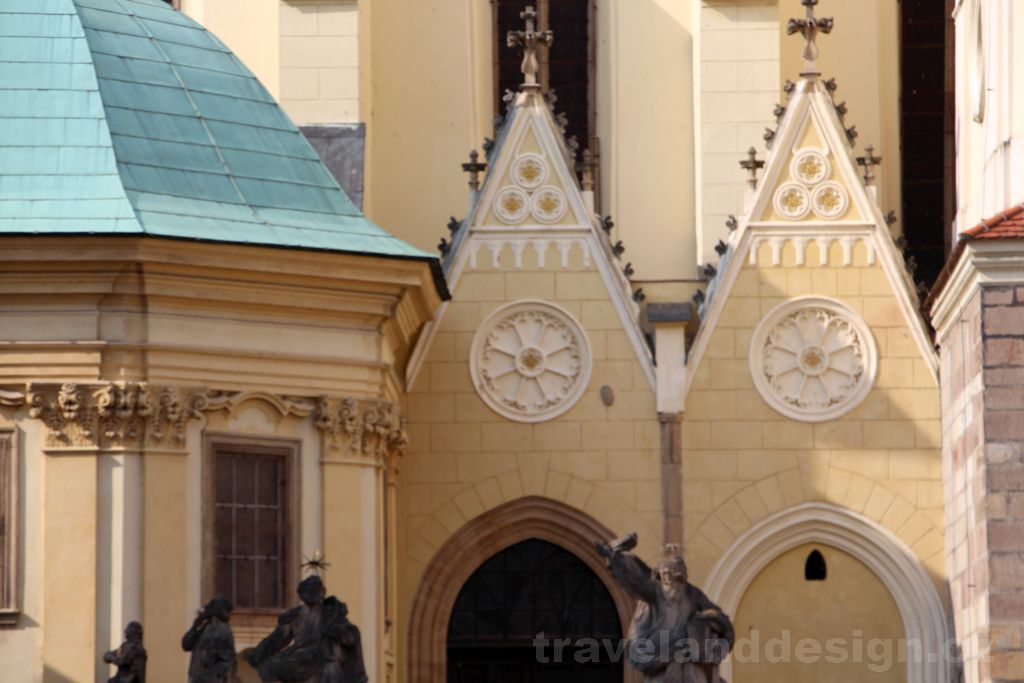
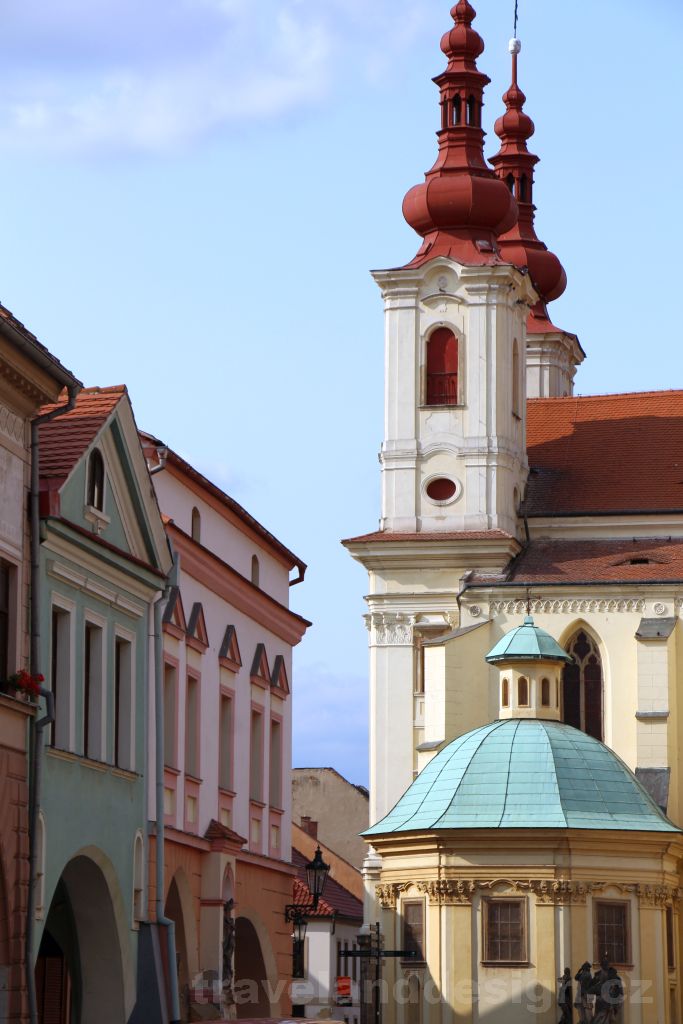
In the Deanery Church of the Assumption of the Virgin Mary, you can see the remains of a former romanesque basilica from the 11th century and architectural elements from the gothic period. When the church burned down in a fire in 1738, it was rebuilt in the baroque style and has been preserved to this day. The entrance façade is dominated by tall prismatic towers, possibly designed by baroque architect Pavel Ignác Bayer. In contrast, the interior of the church is neo-gothic from the second half of the 19th century. In addition to other churches in the city, there is also a Moorish-style Jewish synagogue from 1871-3 with two towers at the front. Although it burned down in 1938 during the infamous Kristallnacht, it was eventually extinguished and preserved due to fears of the fire spreading.
The Capuchin monastery complex has also been beautifully restored and is now a community centre with a robotics exhibition and an adjacent monastery garden, which is a wonderful oasis of calm in the city centre with bird aviaries and a historic hop trellis.
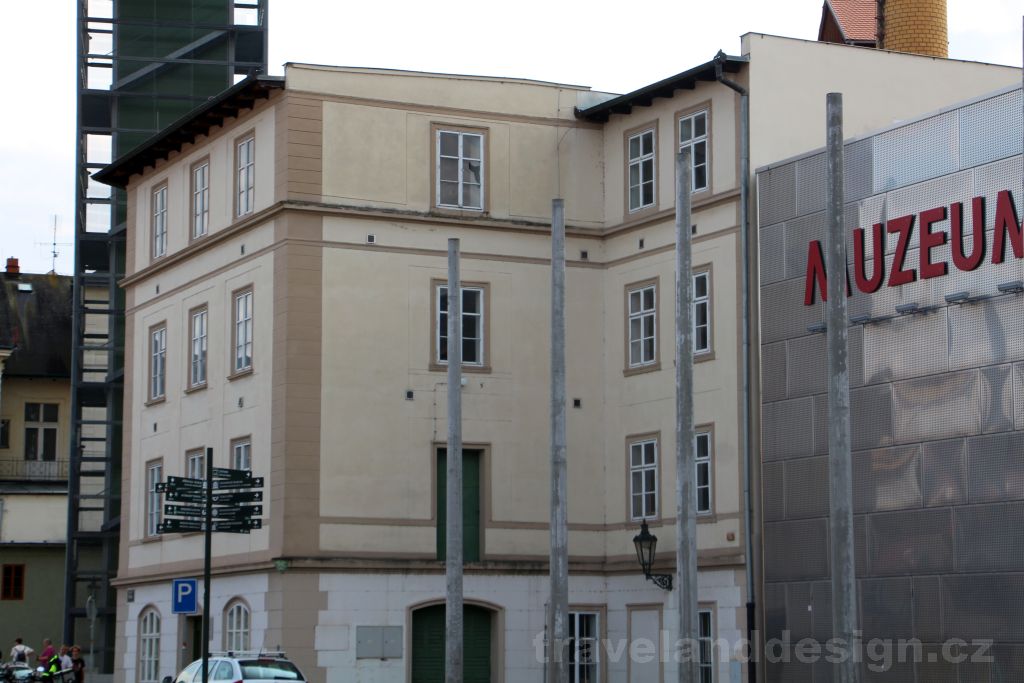
However, the ultra-modern Temple of Hops and Beer, built between 2009 and 2012 in former hop warehouses, is a great attraction. This modern interactive museum has certainly contributed to the inclusion of Žatec and the Žatec hop-growing region in the UNESCO World Heritage List. You can also climb the glass observation tower called the Hop Lighthouse or admire the Hop Astronomical Clock located outside.
Famous natives of Žatec
Maxmilián Hošťálek of Javořice, politician and mayor (*1564)
Maria Treben, herbalist (*1907)
Petr Kotvald, singer (*1959)
Jan Svěrák, film director (*1965)