Rakovník
(the royal city since 1588)
16 000 inhabitants
Central Bohemia Region, Rakovník district
Historical milestones
1252: The first mention of the village of Rokytno, a part of the Křivoklát mansion.
1286: King Václav II. made Rakovník a town.
1460: The first brewery with the best beer in Bohemia is founded in the town.
1471: The town received the right to build fortifications from King George of Poděbrady.
1588: Emperor Rudolf II granted Rakovník the rights of a free royal town.
1620: The army of Christian of Anhalt clashed with the Bavarian army led by Maximilian of Bavaria.
1636: The town burned down during the Thirty Years‘ War.
1658: In the northern part of the town, which belonged to the Schwarzenbergs, a Jewish ghetto was established.
2nd half of the 17th century: Plague epidemic and flood hit Rakovník.
1733-1772: Rakovník was successively hit by four major fires (another in 1751 and 1753), which plunged it into economic stagnation.
1741: French occupation of the city.
1833: The first real school in the Czech lands is opened in the city.
1837: Two of the four gates in the town were demolished – Svatojilská Gate and Lubenec Gate.
1865: Rakovník becomes a district town.
1871: Rakovník was connected by rail via the Buštěhrad railway, thanks to which coal mining, production of ceramics, especially RAKO tiles (1883) and soap (Otto’s Soap Factory, 1875) developed.
Interesting facts about the city
Rakovník is a traditional centre of hop-growing and brewing. Beer is still brewed here in the brewery, which was founded in 1867.
According to legend, the name of the town was derived from the crayfish that a mother was supposed to cook for her children to eat during the famine, even though they were said to be poisonous. When word spread that the children did not die after eating them, people moved in and founded the town. The reality is more prosaic, however, as the name of the town was derived from the reeds. The symbol of the crayfish, however, is on the town’s coat of arms as well as on its flag.
In 1755, the fanatical Jesuit Koniáš preached in Hus Square.
Even today Rakovník is a district town, the centre of the westernmost district of the Central Bohemian Region. Behind the gates of the town begins the protected landscape area of Křivoklátsko.
The biggest tourist magnets
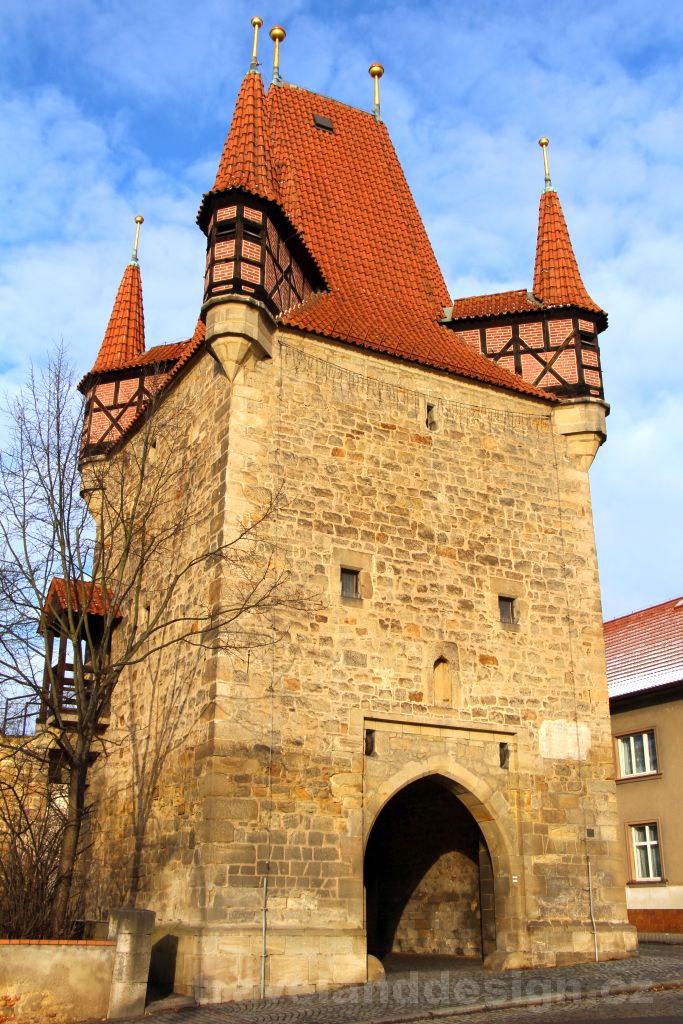
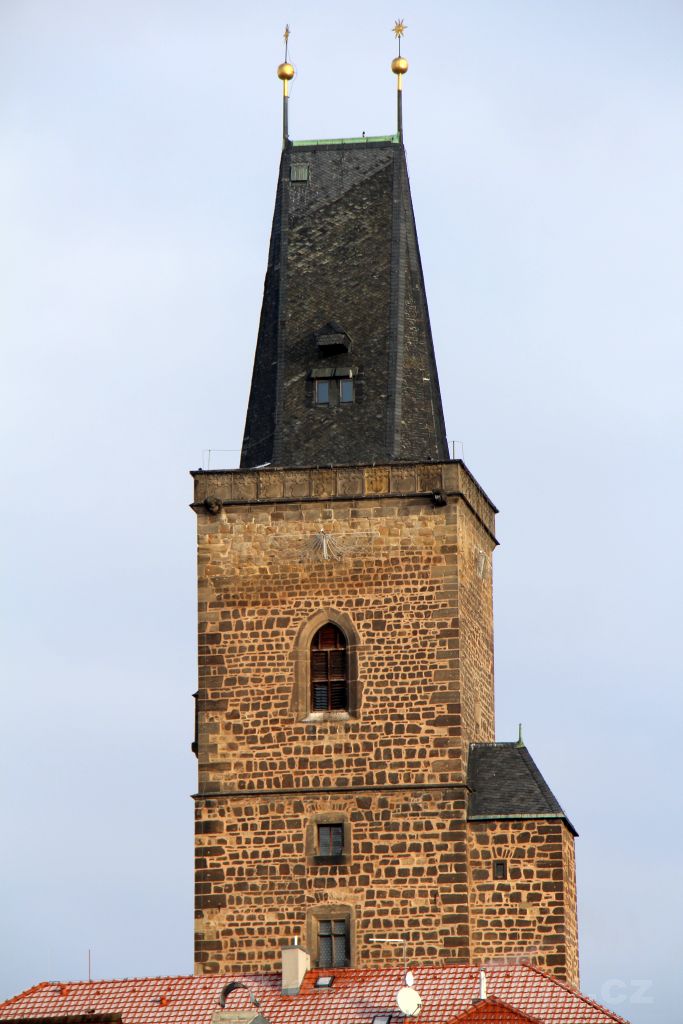
Of the original four gates to the town, two very handsome buildings have survived. The most beautiful Gothic gate in Bohemia is the Prague Gate from 1516. The younger one is the High Gate from 1519-1524, which today serves as a viewpoint of the historic part of the city, as it stands at the top above the city.
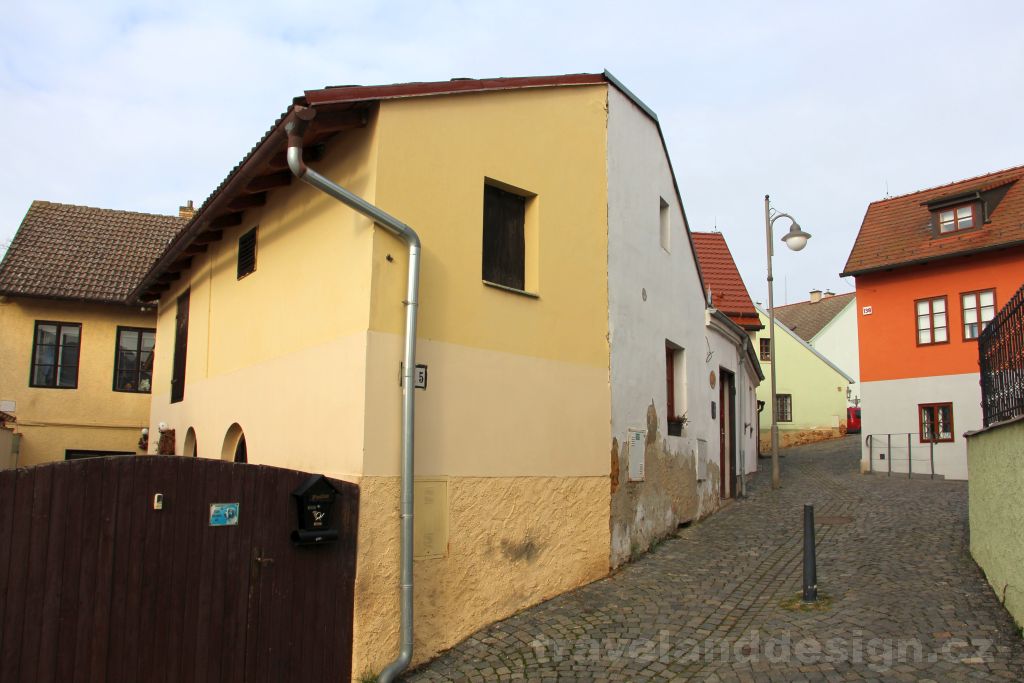
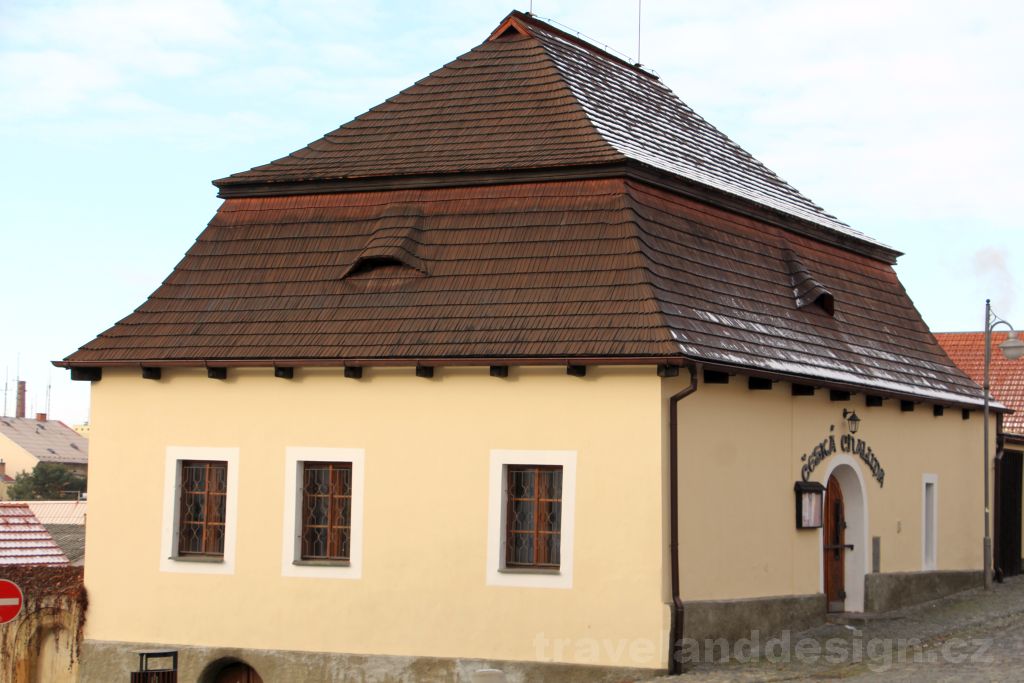
In the northern part of the historic core, the torso of the Jewish town has been preserved, with the Renaissance Samson’s house with sgraffito frescoes and the Baroque synagogue from 1763. Today, it houses the Rabas Gallery. The last log house in the town, the Lechnýřovna, is also worth a visit.
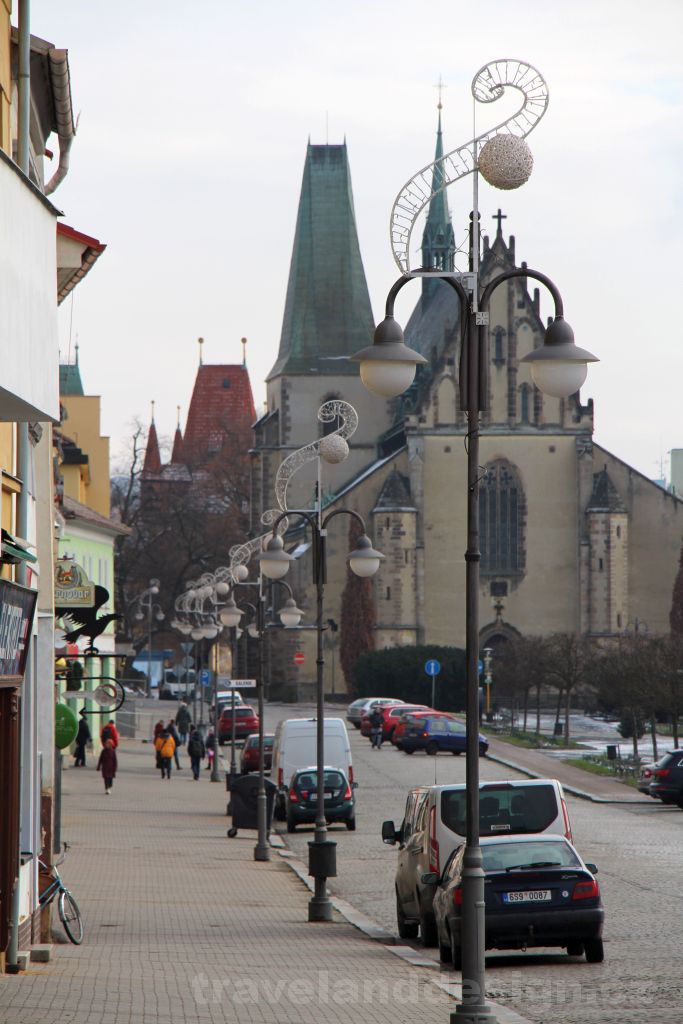
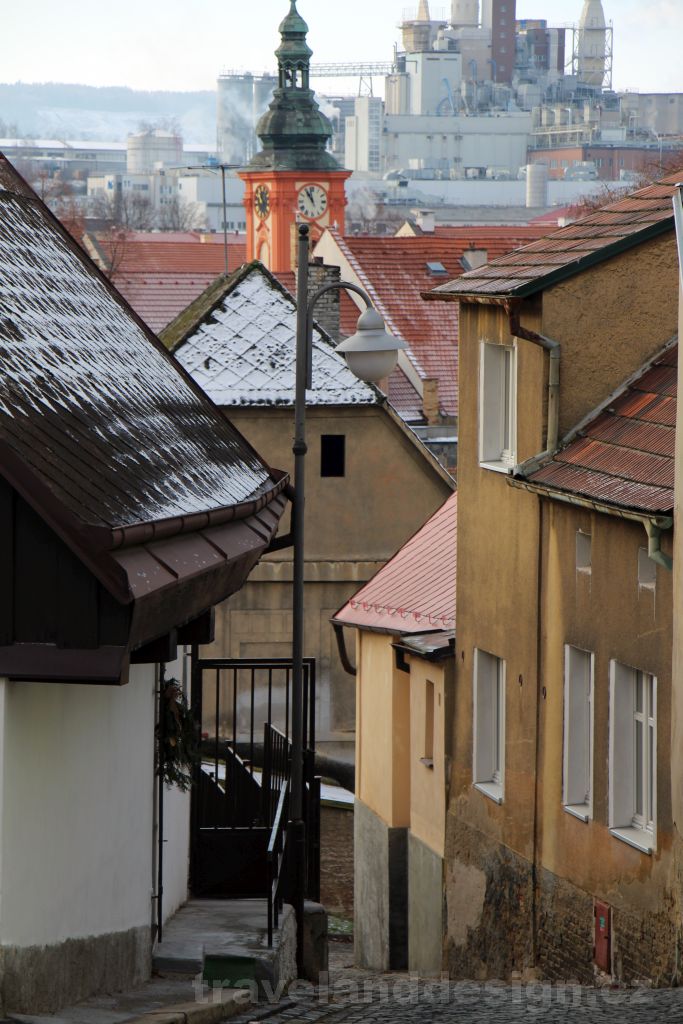
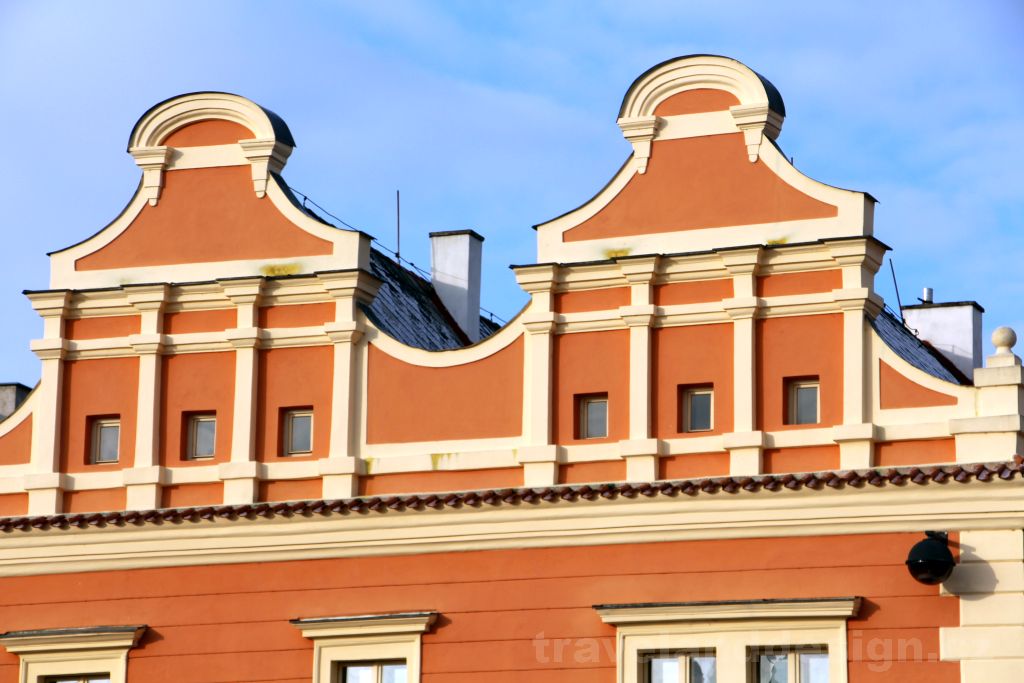
In the middle of the historic centre is the street-like Hus Square, which measures 400 metres in length. It is dominated on the south side by the Baroque Town Hall with a tower from 1734-8 and in the middle of it stands the Baroque Marian Column from 1749-50. Along the square, a number of houses with Gothic and Renaissance cores have been preserved, but often with Baroque facades.
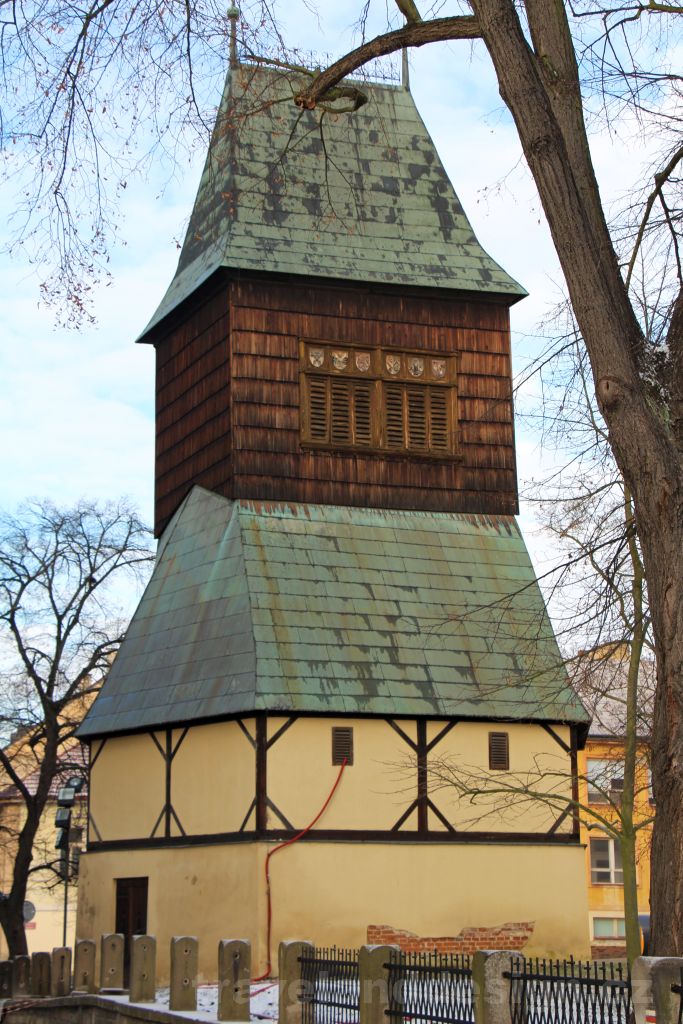
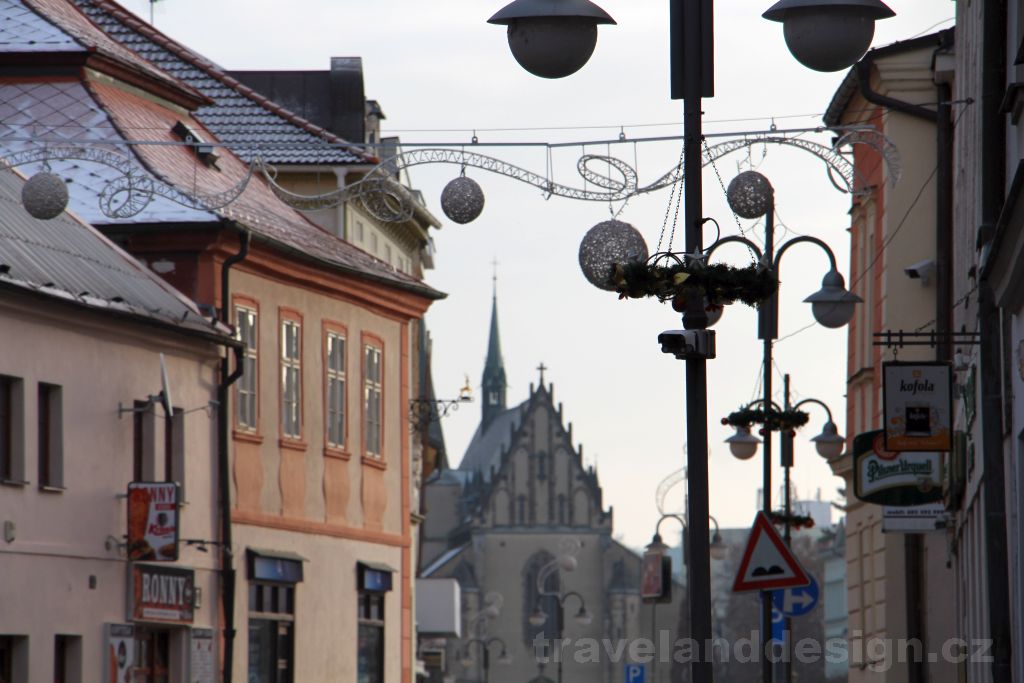
On the western side of the square stands the church complex consisting of the Gothic church of St. Bartholomew from the turn of the 15th and 16th centuries, a lone late Gothic bell tower with a wooden superstructure. Inside the church there is a unique pulpit by Mathias Rejsek from 1504 in the shape of a hexagonal chalice. The church was re-corrected by Josef Mocker in the 19th century. The sacral precinct is complemented by the Baroque Cistercian House, where you can visit the T. G. Masaryk Museum.
The oldest church of St. Jilja, which remembers the predecessor of Rakovník – the settlement of Rokytno, stands on the eastern edge of the town. It was built in the early Gothic period.
Famous Rakovník natives
Miloslav Ransdorf, communist politician (*1953)
Václav Vampír Krejčí, entertainer (*1955)
Tomáš Kaberle, hockey player (*1978)
Veronika Khek Kubařová, actress (*1987)
The famous who stayed in the city
Zimund Winter, historian, writer and educator
Václav Rabas, painter
Zdenek Stepanek, actor