Nymburk
(the royal town since 1275)
15,600 inhabitants
Central Bohemia Region, Nymburk District
Historical milestones
1275: King Přemysl Otakar II of Bohemia founded Nymburk as a royal town to protect the bridge over the Elbe and settled the town with German and Dutch colonists. He had a gothic royal castle built in the south-eastern part of the town.
1288-1355: A massive two-line gothic fortification was built, with the exception of the part of the town near the Elbe River, where there was only a simple wall.
1421: The town sided with the Hussites, as the Bohemian population prevailed in the meantime.
1424: The Hussites sacked the local Dominican monastery and expelled the monks from the town.
1425: Priests Jiří Rohovlád and chaplain Kliment were burned in a tarred barrel at the St. George’s Gate.
1621: Nymburk was punished for its participation in the Second Estates’ Uprising by confiscation of land property and temporary loss of town privileges.
1631: Saxon troops invaded the town and burned it down.
1634: The Saxon army invaded Nymburk for the second time and liquidated the local imperial garrison. This was followed by looting and killing of the local population.
1640: The town was sacked by the Swedes, from which it never really recovered.
1838: The entire historic core of the town was destroyed by a catastrophic fire, including the town hall and the entire square, and Nymburk lost its original character as a gothic-renaissance town.
1873: The town was connected to the railway network and experienced an industrial boom.
1918: An anti-Jewish pogrom took place in the town.
1992: The historic centre of the town was declared an urban conservation area.
Interesting facts about the city
Nymburk used to be one of the most impressive Czech royal towns. It is situated on a low elevation at the confluence of the Elbe and the Mrlina rivers, which was inhabited in prehistoric times, as evidenced by the discovery of a unique prehistoric box mound from the Early Stone Age (3,500 BC) right in the centre of the town. The historic core of the town has a rather unusual kidney-shaped layout when viewed from above.
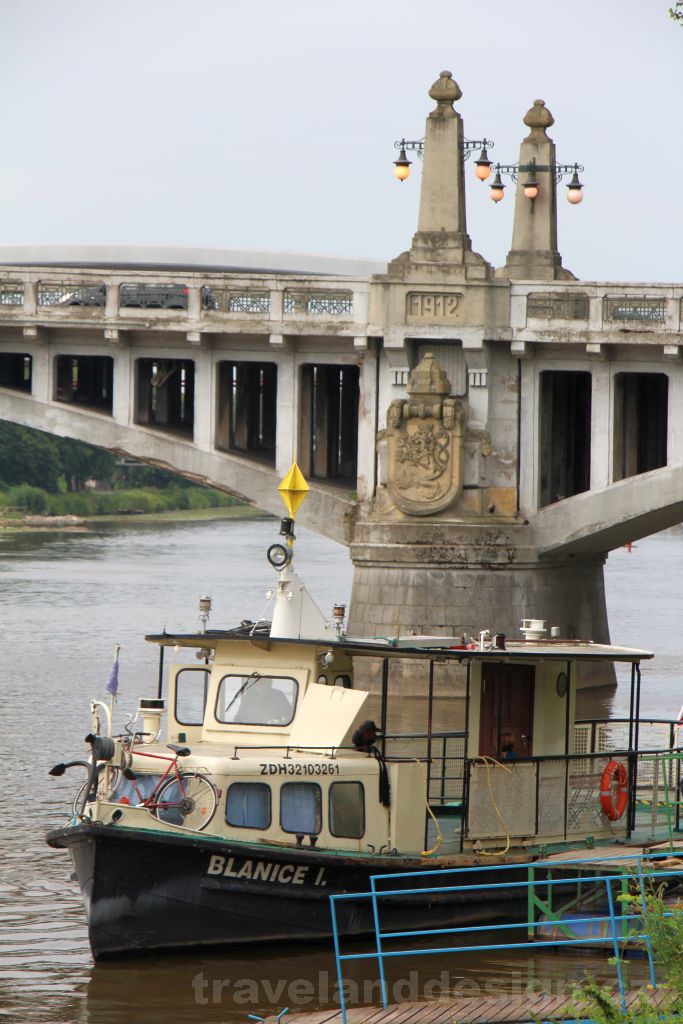
The first fortifications on this strategically important site date back to the Early Bronze Age, when the settlement was already separated by a moat and a rampart. This fortification tradition was continued in the medieval town at the turn of the 13th and 14th centuries with a massive brick two-lane fortification with four gates and moats filled with the waters of the Elbe River. The remains of the former castle have been preserved in fragments in the much later building of the present-day district court. The reason for such a heavily fortified citadel can be seen in the strategic importance of the local wooden bridge, over which one could advance from the north, i.e. from Germany, to Kutná Hora as the source of the wealth of the Bohemian Kingdom. This old bridge was replaced in 1912 by its present reinforced concrete successor.
The origin of the town’s name comes from the German Neuenburg, i.e. New Castle, because the Přemyslid gothic castle, which was a fixed part of the town’s fortification and an occasional residence of the ruler, was built at the same time.
Since the writer Bohumil Hrabal spent his childhood and youth in the town’s brewery, it is not surprising that he also set the plot of his Postřižin. However, Postřižin’s beer is still brewed here in the historic brewery buildings from 1895-88.
The biggest tourist magnets
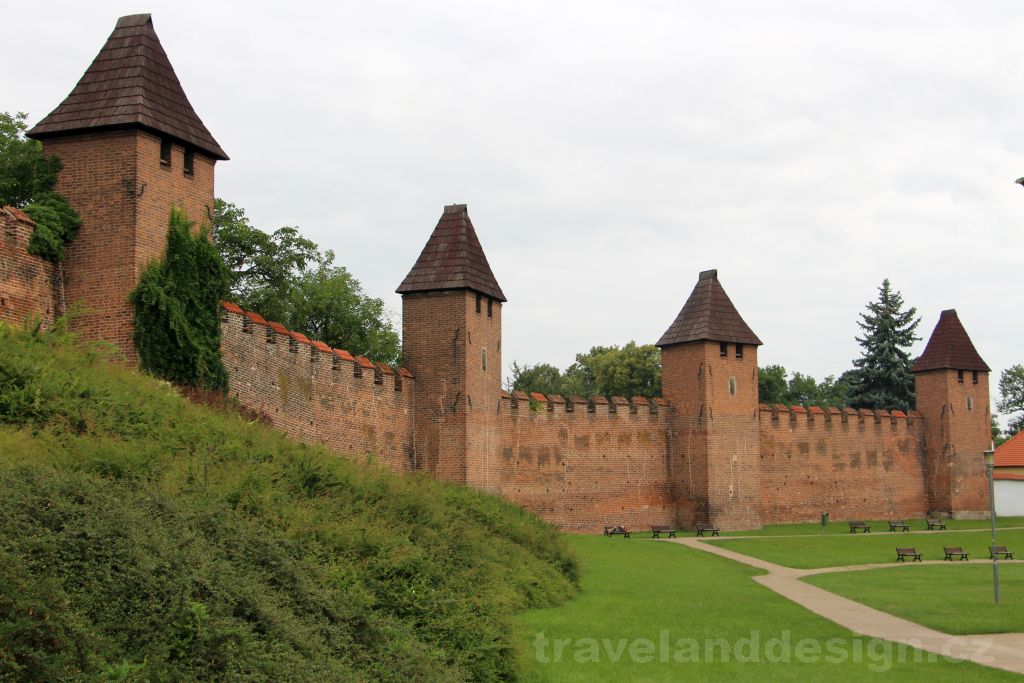
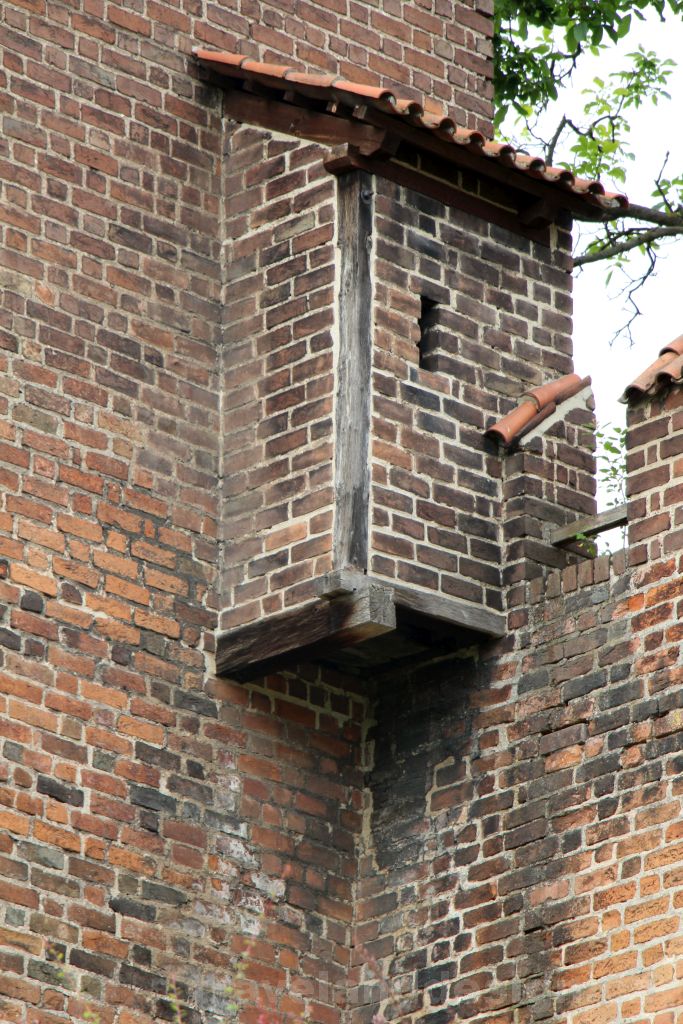
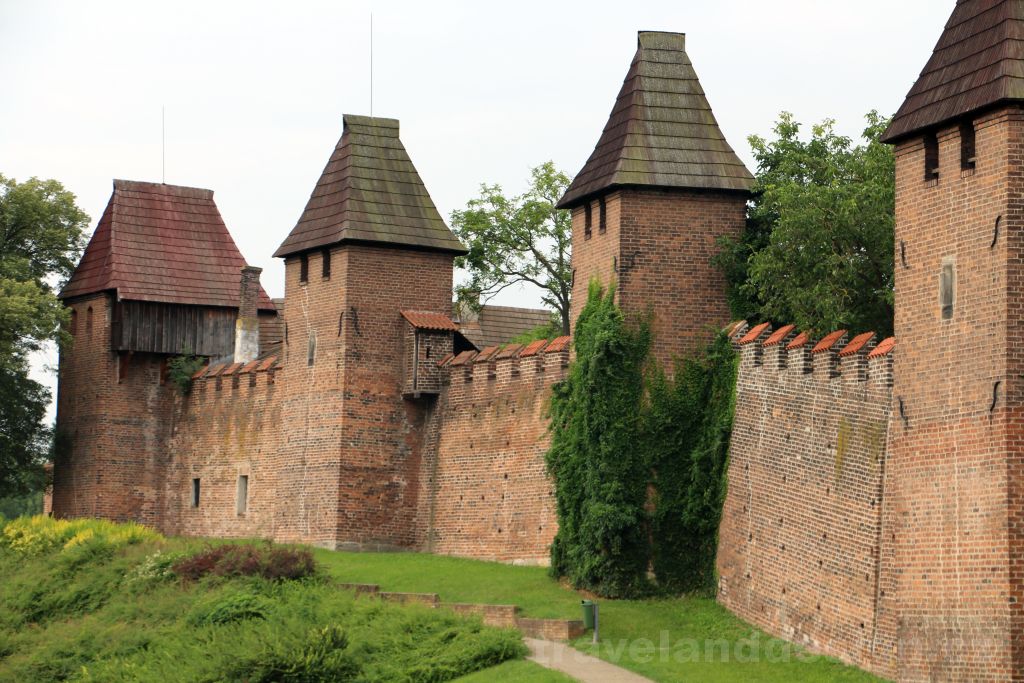
The town’s biggest attraction is the restored gothic belt of inner brick fortifications with six square towers that are within crossbow range of each other, about 40 paces apart. Originally there were an impressive 45 towers! The renovation of this part of the walls was based on a project by the architect Ludvík Labler in 1905-9. However, there is one thing that does not correspond to its original form, and that is the battlements on the walls, which were never there. The unusually massive fortification was complemented by two systems of moats, the so-called Great and Small Mounds, which have also been preserved. They are filled with water from the Elbe. Unfortunately, the same cannot be said of the four city gates – the Elbe, Boleslav, Bobnik and Svatojiřská. All of them were demolished during the 19th century, when Nymburk also got rid of most of the wall sections.
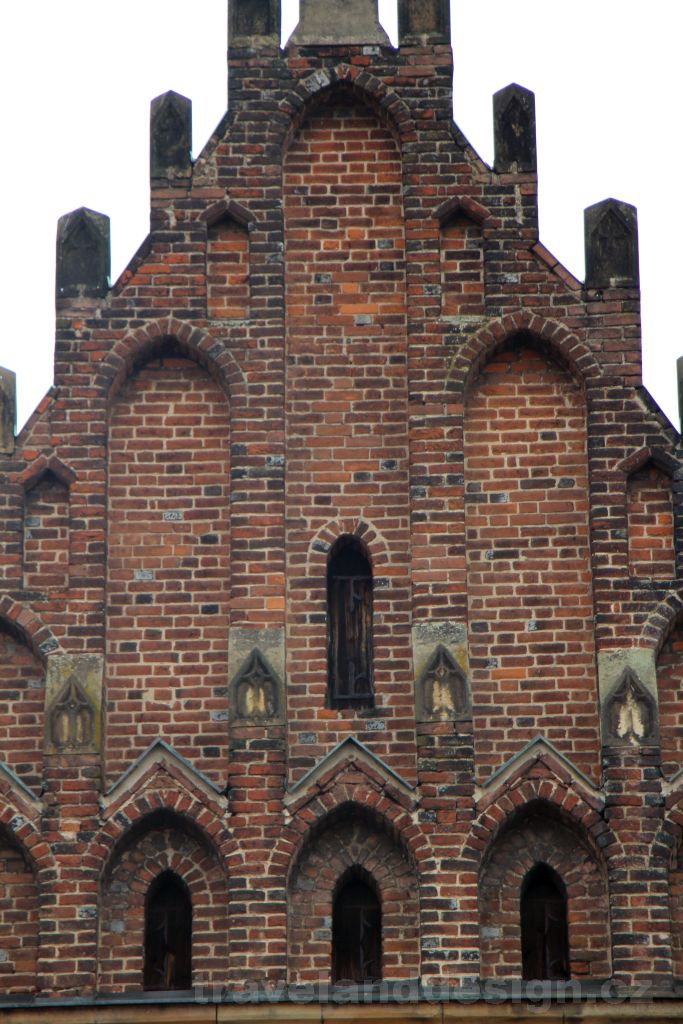
The town’s landmark, the gothic brick Church of St. Jilji, stands on Church Square. It is a very valuable piece of architecture created under North German influence. It was built for a full hundred years from 1280 to 1380. It became tragically famous during the Saxon invasion in 1634, when 200 people seeking asylum were massacred in the church’s vestibule. Since then, the north portal of this anteroom has remained closed in reverence. Of the original two towers in the facade, only the northern tower, which measures 66 metres, remains. The southern one was taken down after it was struck by lightning several times and threatened to collapse.
The original gothic-renaissance town hall from 1526 stands on the central square of the Přemyslids, but it has undergone a number of later modifications, especially after the fire of the town in the first half of the 19th century. Around the square there are several more distinctive burgher houses, especially the baroque Morzine House (no. 126). In the centre of the square is a baroque plague column by Jan Jiří Šlanzovský from 1717.
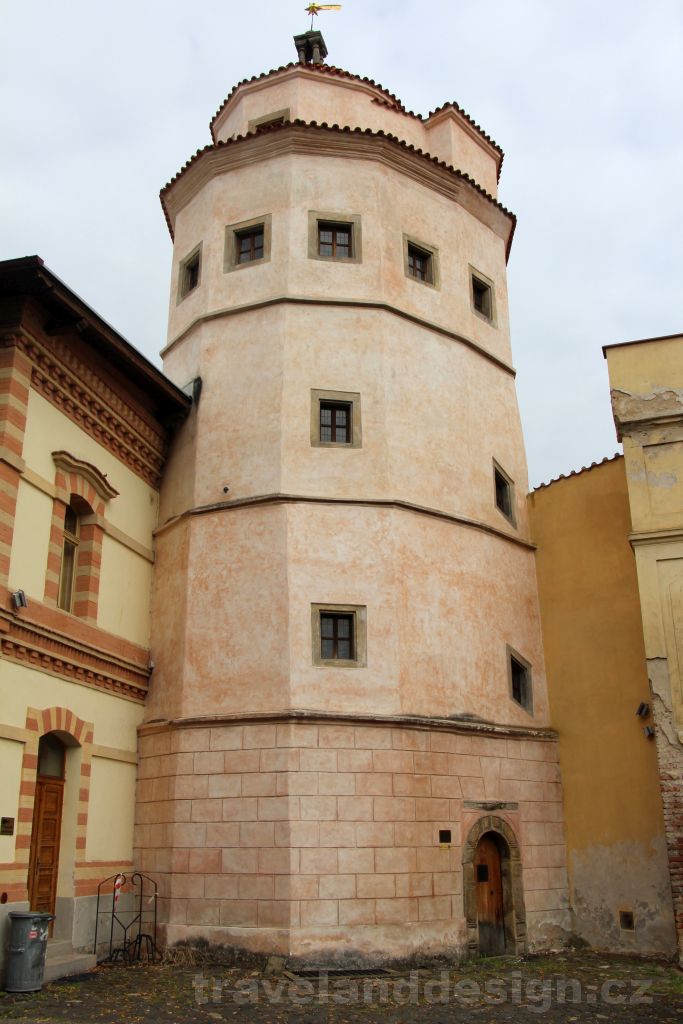
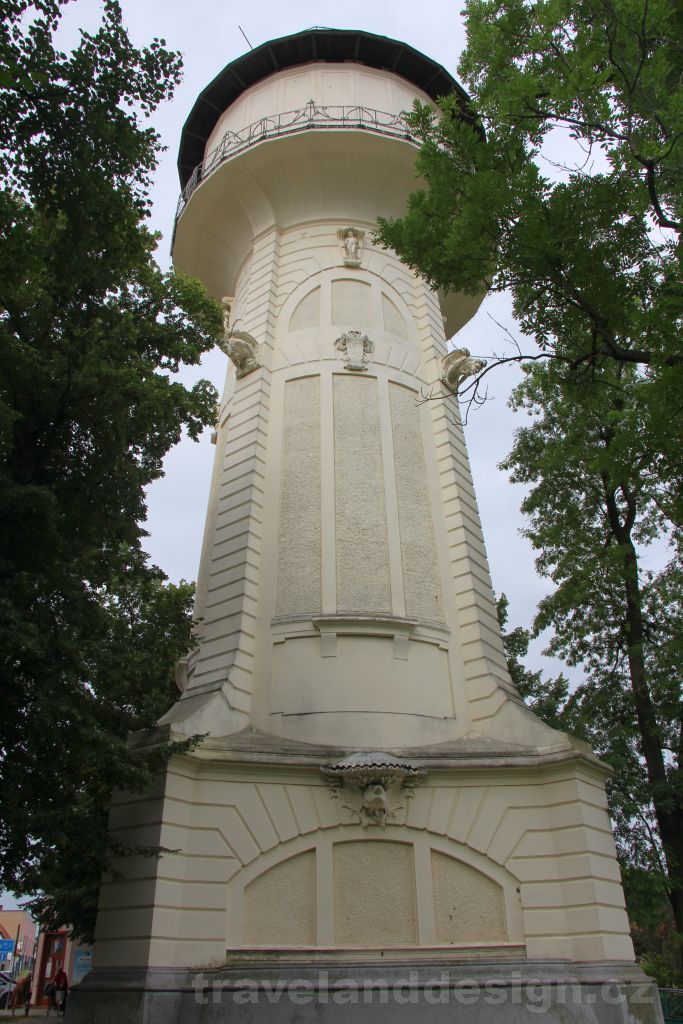
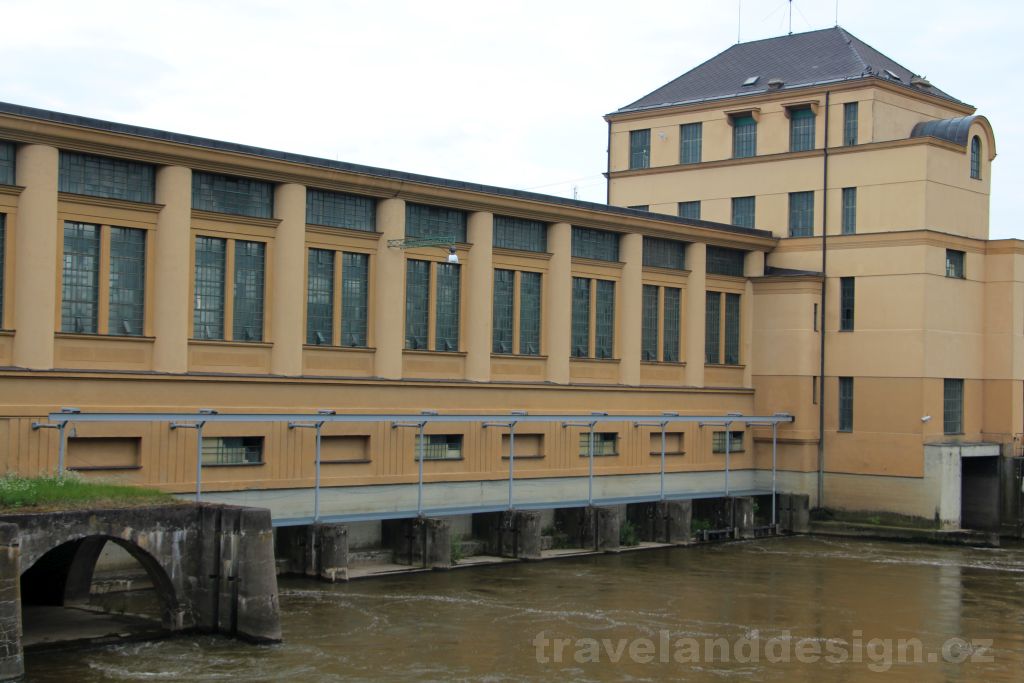
An interesting technical monument is the renaissance water tower called the Turkish Tower from 1597, which is hexagonal and has three floors. It supplied five of the town’s fountains. It was later replaced by the Art Nouveau municipal waterworks from 1903 by the famous architect Osvald Polívka, which is also worth seeing. It still serves its purpose today.
The former malt house from the 16th century was also a renaissance building, which can be partially seen in its foundation torso.
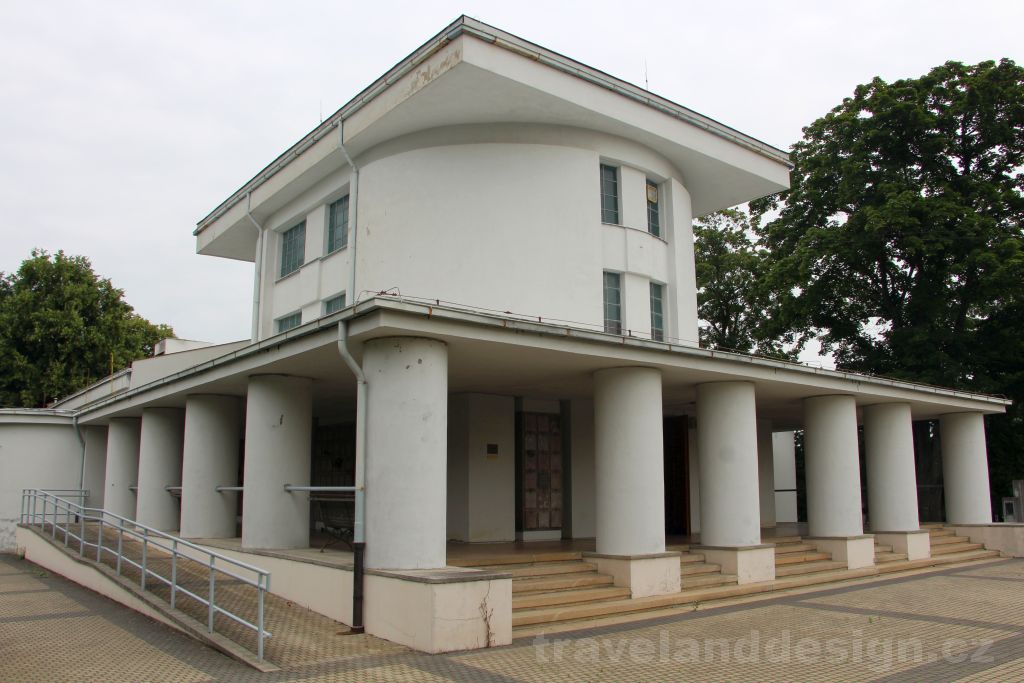
A stunning building is the modernist crematorium building from 1921-24, designed in the purism style by architects Bedřich Feuerstein and Bohumil Sláma.
An extraordinary monument of contemporary architecture is the progressive building covering a prehistoric burial mound in Na Příkopě Street from 2013. The monolithic steel structure is covered with panels and a light beam with a half-kilometre range is emitted from the roof at night.
Famous Nymburk natives
Miroslav Macháček, actor (*1922)
Jaroslav Kmenta, investigative journalist (*1969)
Martin Fuksa, speed canoeist (*1993)
The famous who stayed in the city
Božena Němcová, writer
Josef Svatopluk Machar, writer
Bohumil Hrabal, writer