Nový Knín
(the royal mining town since 1461)
2,150 inhabitants
Central Bohemia Region, Příbram District
Historical milestones
around 1321: Establishment of a mining town around gold deposits.
1341: King John of Luxembourg stayed in Knín.
1419: The citizens of Knín provided shelter for three hundred Hussites travelling to Prague for an assembly, who were ambushed by Petr of Švamberk.
1424: The Hussites had the mines filled in. Later the town burned down.
1445: The first big flood in the town.
1461: Knín became a royal mining town under King George of Poděbrady, when gold mining in the town peaked.
1545: The town is first mentioned as Nový Knín.
1588: Nový Knín is hit by a flood that demolishes the bridge over the Kocába River.
1593: The town suffers a great fire.
1639: General Baner’s Swedish army invaded the town and burned and looted it, most of the town was devastated and mining activity completely ceased.
1776: A beekeeping school was established in the town at the instigation of Empress Maria Theresa.
1990: The historic centre of the town becomes an urban conservation area.
Interesting facts about the town
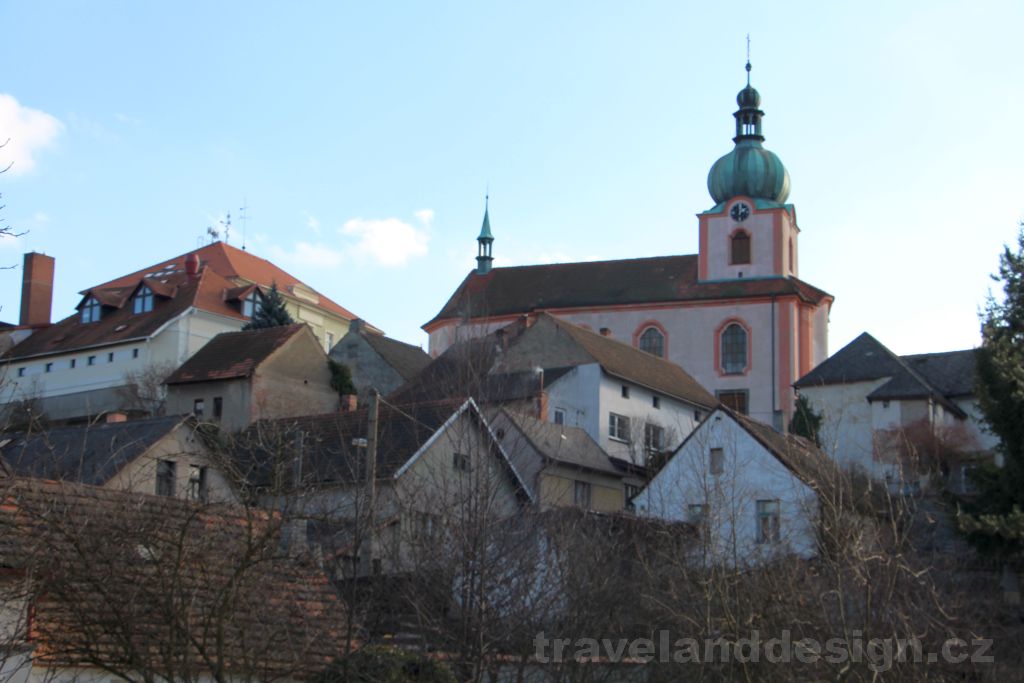
Nový Knín is situated on the gold-bearing Kocáb River in the sloping hills of a deep valley, as is typical of upper towns. Jiřího z Poděbrad Square with its dominantly built town hall is also sloping.
Although opposite Nové Knín on a hill stands Starý Knín, it is questionable which of the two settlements is older, because the parish church of St. Nicholas stood already in the Romanesque period. However, it is documented by documents that the Premyslid princes Bedřich and Conrad II Ota held negotiations on the unification of Bohemia and Moravia at the royal court in Old Knín as early as 1186. The site of the court, where King Přemysl Otakar II stayed twice, is probably today the site of Nový Knín’s Jiřího z Poděbrad Square. According to this theory, Nový Knín was founded on the site of the royal court, while Starý Knín developed from the market buildings opposite the court. The location of the Romanesque church of St. Nicholas, which originally served the rulers as part of the court, would also correspond to this.
The cause and reason for the existence of Nový Knín was gold mining, which was practiced here until the Thirty Years‘ War. Later, several attempts were made to restore it, but they were never successful. During the entire mining business, about 50 kilograms of gold were reportedly mined here. The location of Kamlov’s richest mines was only rediscovered in the 1920s due to its rapid decline. The last experimental mining was carried out here until 1957. The mines are not open to the public.
In the 1930s, the Bat’a wanted to build a shoe factory in Nový Knín, but due to the opposition of the owners of the reserved land, this project was abandoned and it was implemented in Zruč nad Sázavou.
Some scenes of the Czech film Let the Spirits Live were filmed in the town in 1977.
The biggest tourist magnets
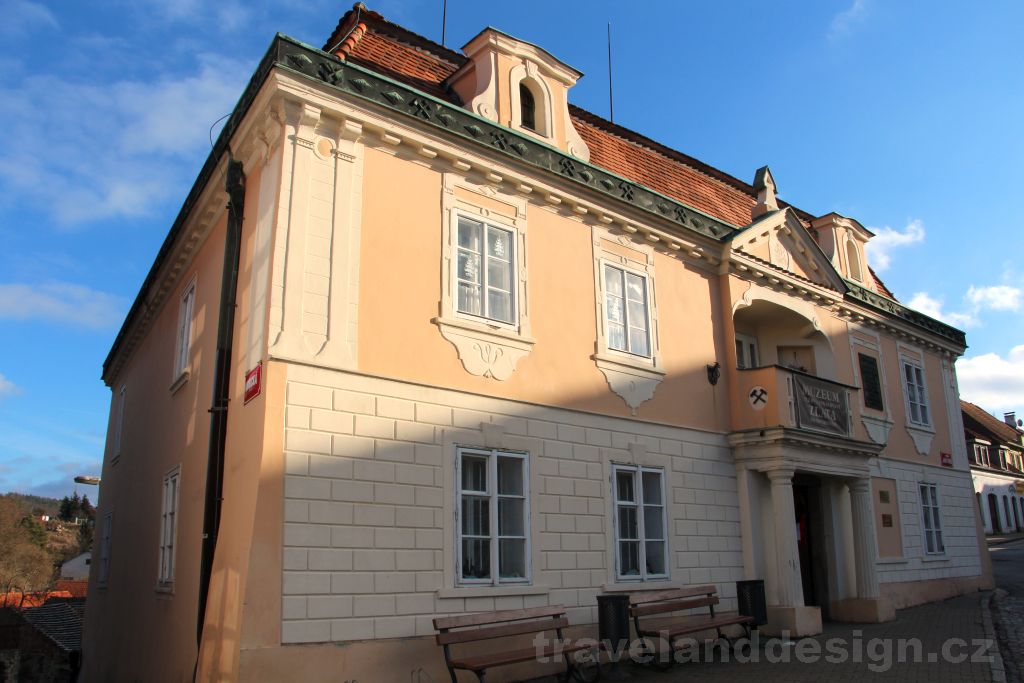
The main square is home to the town’s most beautiful buildings. First of all, there is the Baroque town hall from the second half of the 17th century. Naturally, the mint building, originally a 16th century Renaissance building, later rebuilt in Baroque and Classical style, also stands here. Today it houses the Gold Museum.
The building of the former beekeeping school found its home in the Baroque house No. 9 called Na Salaši, which dates back to 1776.
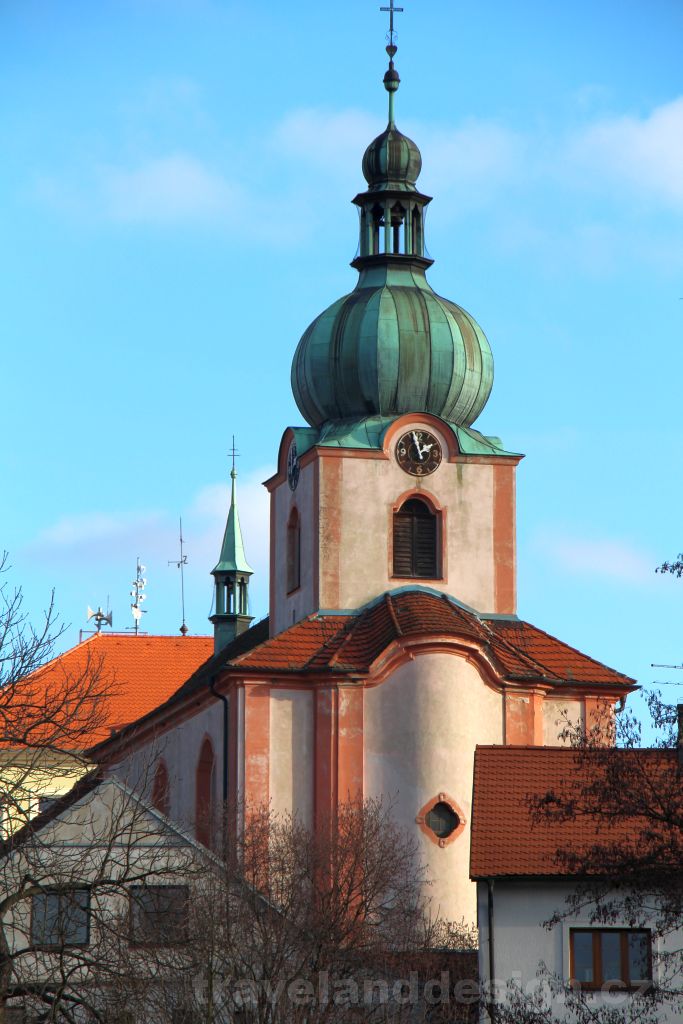
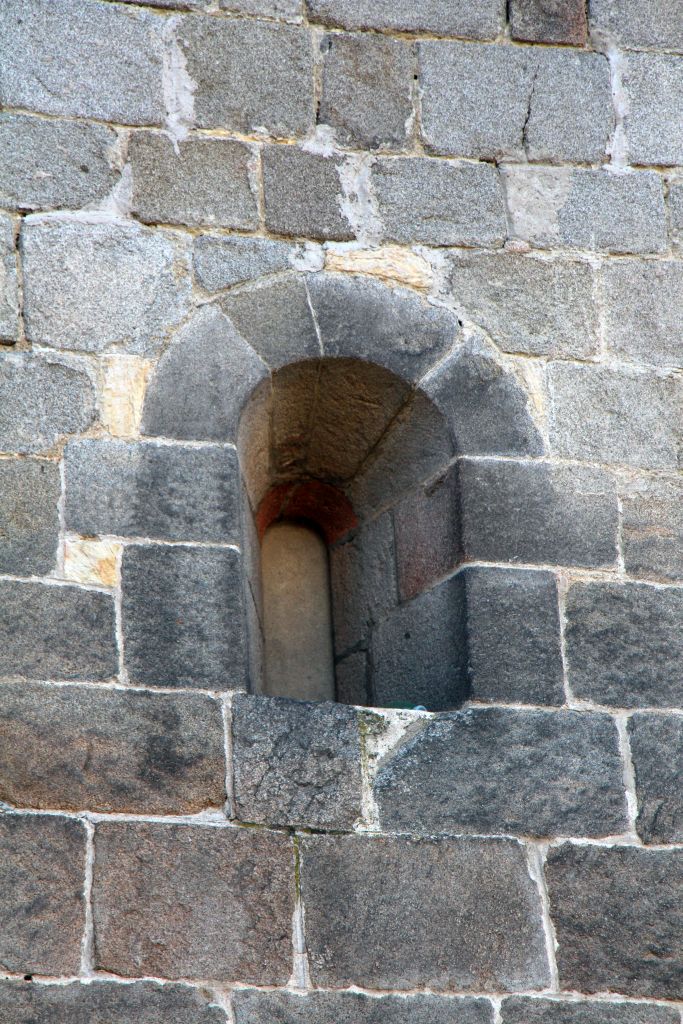
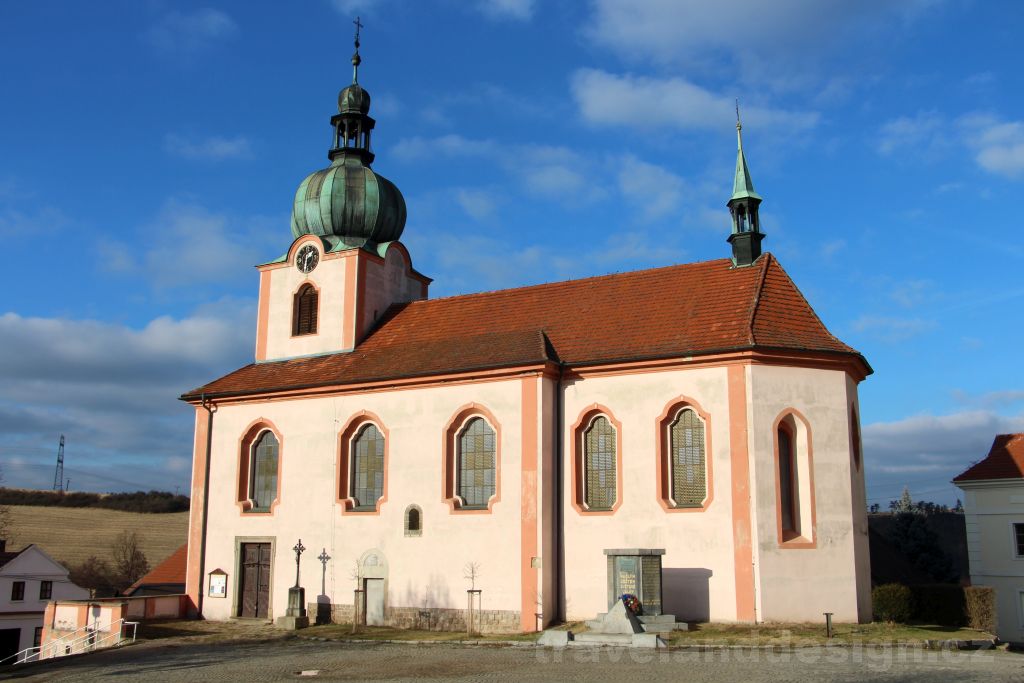
In the middle of the square there is a fountain from 1837 and in the lower part of the square there is also the parish church of St. Nicholas. This originally Romanesque building from the depth of the 12th century was modified only in the late Gothic and then Baroque style.
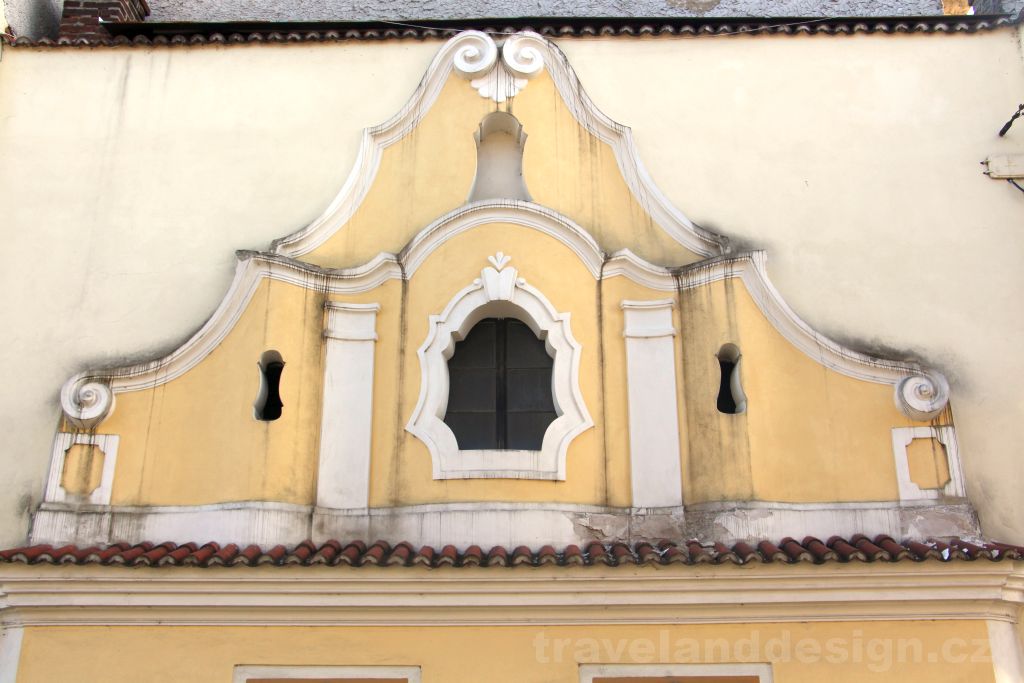
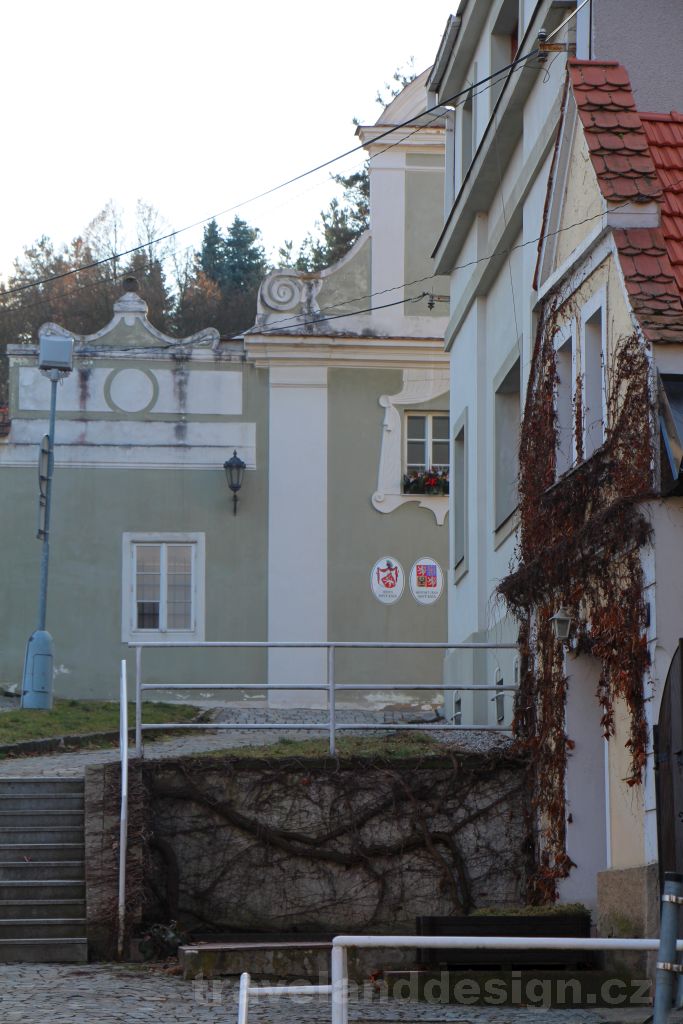
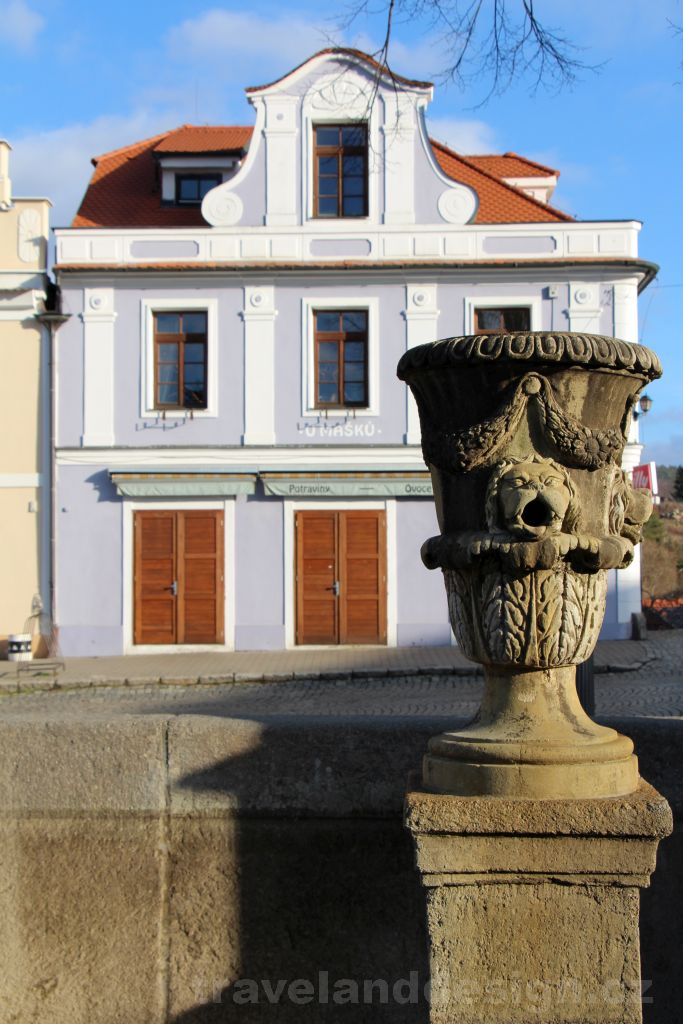
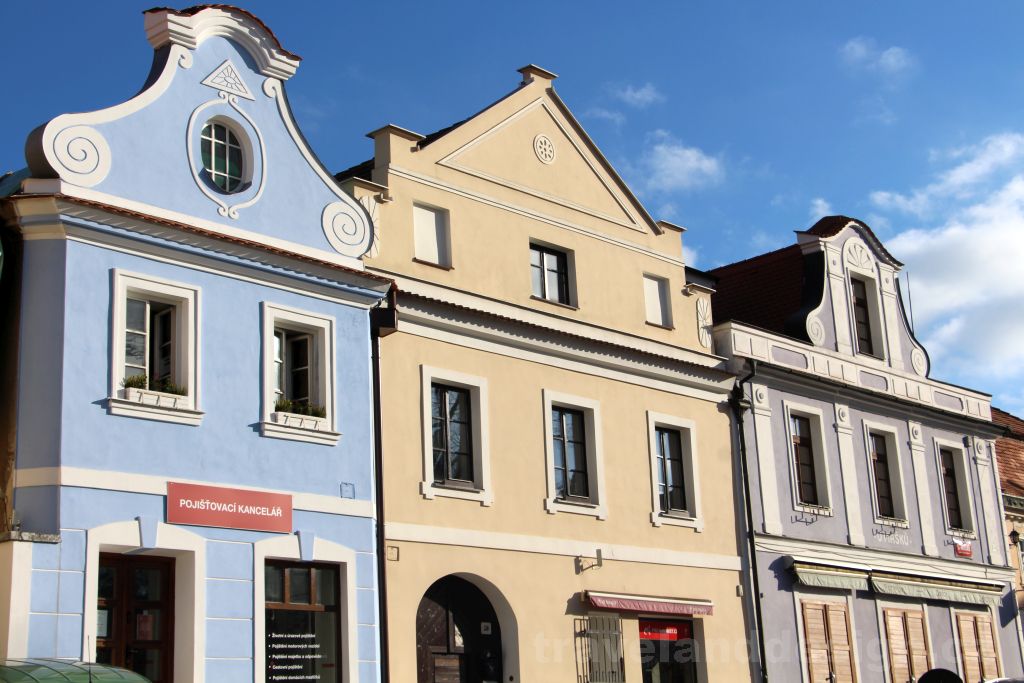
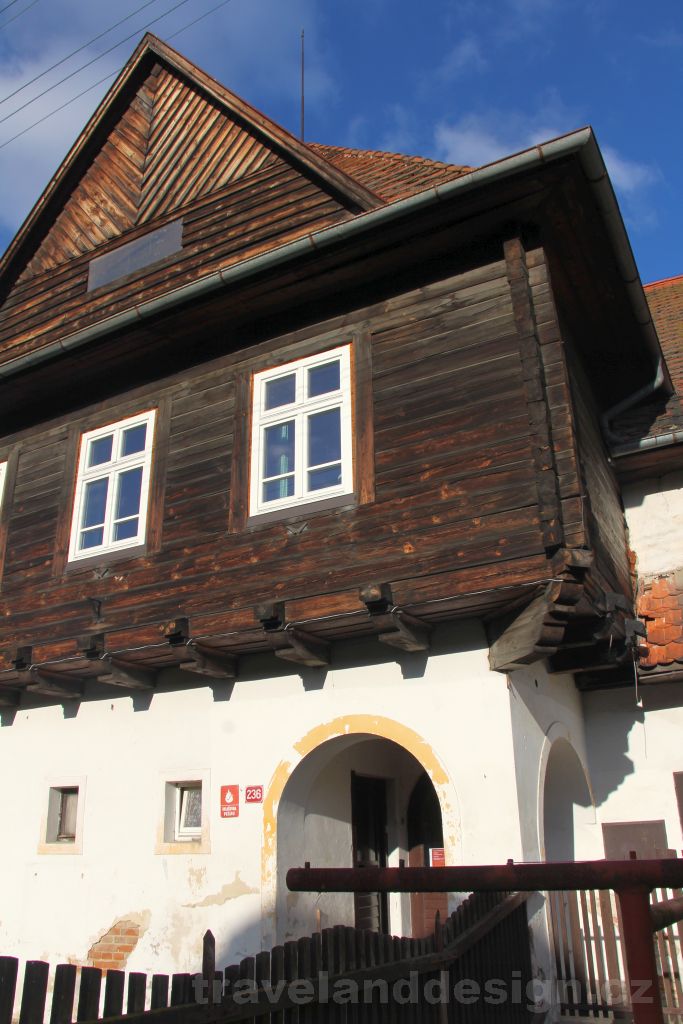
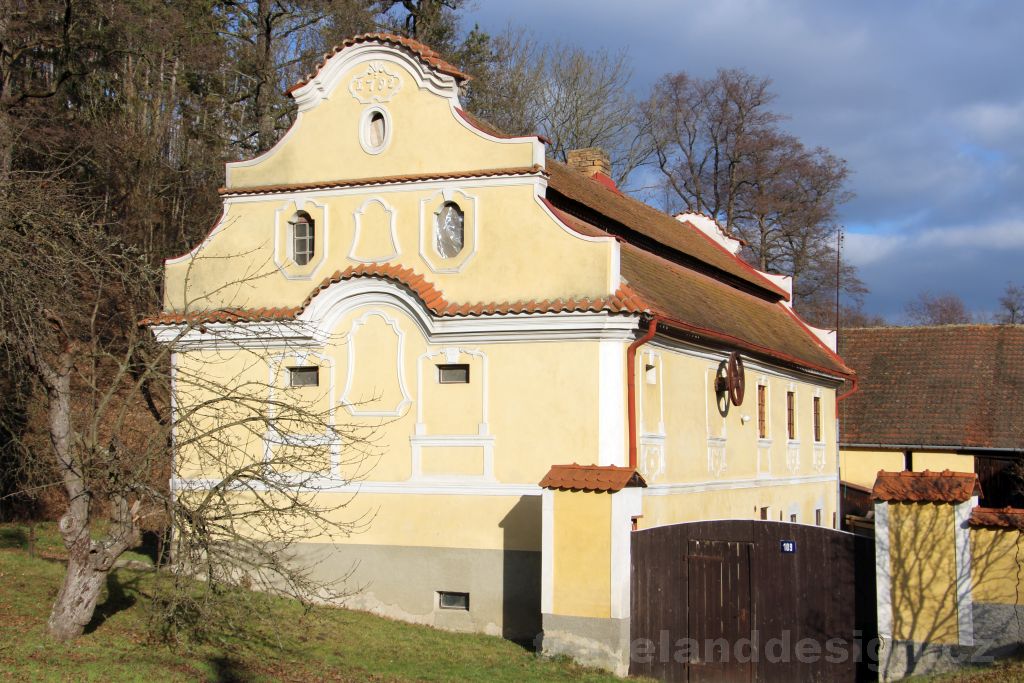
However, as you walk through the town, the town houses with their Baroque gables and folk-like appearance catch your eye in many places. The Baroque charm of the town is also underlined by the Krcál water mill from 1792 on the Voznice stream.
Among the more recent monuments, the Sokolovna from 1927-8, built according to the project of architect František Krásný, is particularly interesting.
Among the famous people who stayed in the town were
Přemysl Otakar II, King of Bohemia
John of Luxembourg, King of Bohemia
Dominik Hašek, hockey player