Nový Bydžov
(the royal dowry town since 1569)
7,200 inhabitants
Hradec Králové Region, Hradec Králové District
Historical milestones
1305: Nový Bydžov is first mentioned in the charter of King Wenceslas II, when it was previously founded by King Přemysl Otakar II.
1325-1567: Nový Bydžov lost its status as a royal town under King Jan Lucemburský and was administered by leading noble families, namely the Vartenbergs until 1516 and then the Pernštejn family.
1420: Nový Bydžov was completely burnt down during the Hussite times. At that time, the sacked Minorite monastery, which was later replaced by Jews, was also destroyed.
1548: Emperor Ferdinand I handed over the town to the Wallensteins.
1567: The town was acquired by King Maximilian II. Maximilian Maximilian of Habsburg in 1867.
1569: Nový Bydžov became a royal dowry town.
1621: For its participation in the Estates’ uprising, the town was punished by confiscation of landed property and temporary imposed administration by the royal bailiff.
1633-1634: The town was twice burnt to the ground by Saxon troops. Three quarters of the town was reduced to rubble and only ten inhabitants remained. The subsequent long reconstruction of the town was supported by the development of the local brewing industry.
1639: Nový Bydžov was sacked by General Baner’s Swedish army.
1750: The town has established a tradition of so-called student merendas, two-day celebrations at the end of the summer holidays.
1751-1850: Nový Bydžov becomes a regional town. However, it remained the county seat only until 1784, when it was replaced by Jičín.
1817: Most of the wooden houses in the town burned down in a great fire and the walls were subsequently dismantled, along with the gates and bastions, for building materials.
1820: A tannery was established in the town.
1870: Nový Bydžov was connected to the railway network.
1926: President Tomáš Garrigue Masaryk visited the town.
1990: The historic centre of the town has become an urban conservation area.
Interesting facts about the city
Nový Bydžov was founded in the wide floodplain of the Cidlina River as a completely new town by King Přemysl Otakar II, because the present-day predecessor of the town, Starý Bydžov, was too far from the Cidlina River. Because of this, the town had to be fortified quite thoroughly with walls. However, the sufficient space allowed that Nový Bydžov was uniquely built on a completely regular ground plan with a relatively large central square. This was a rarity in Central Europe, complemented by a system of regularly organised suburbs. In a way, it is already a precursor of Renaissance urbanism.
Only small remains of the former Gothic fortifications have survived, especially on the south-western side of the city centre. Neither of the two Gothic city gates remains. Both of them, Metličanská and Starobydžovská, were dismantled after a great fire in the 1840s because of the need for building materials to rebuild the town. Most of the local wooden and timbered townhouses were dismantled or demolished in the second half of the 19th century and again after World War II.
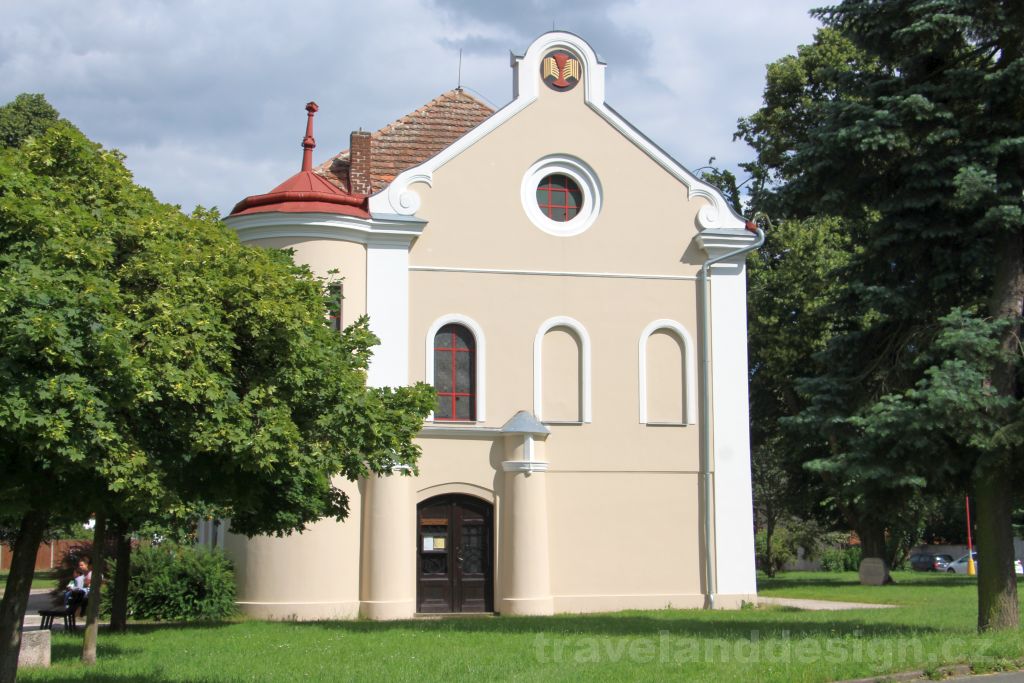
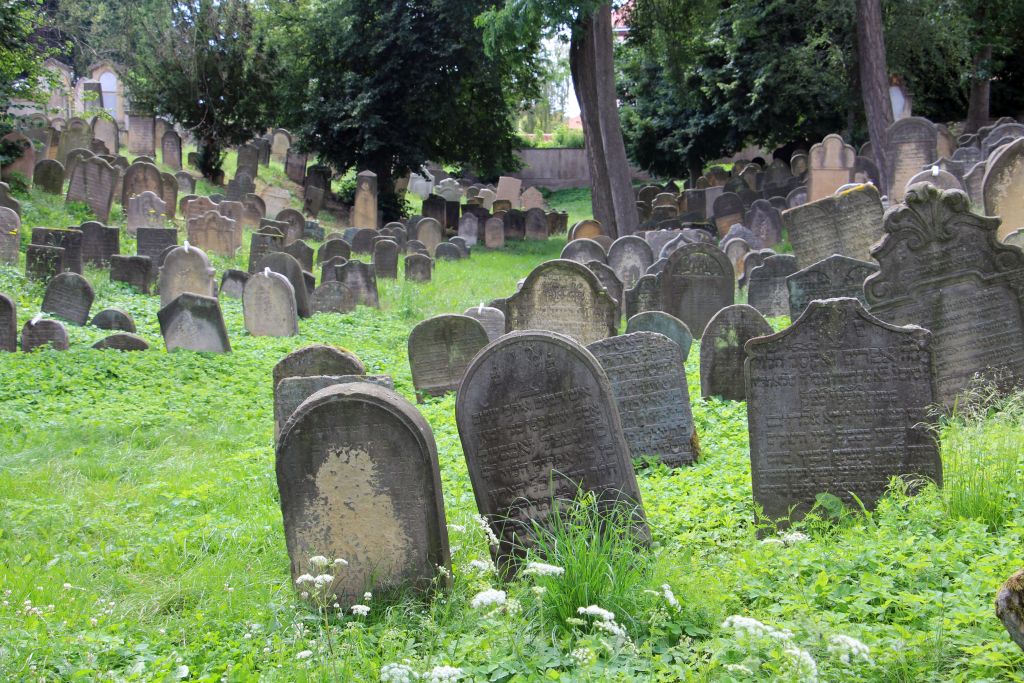
There was a relatively large Jewish minority in the town, after which the historic synagogue from the beginning of the last century has been preserved. Since 1947 it has served as a house of prayer for the Czech Unity of Brethren. The second important monument to Jewish settlement is the third oldest and second largest Jewish cemetery in the Czech lands with almost 1,500 tombstones on half a hectare. It was founded around 1520 and interested visitors can see it for themselves by borrowing keys from the town museum on the main square.
The biggest tourist magnets
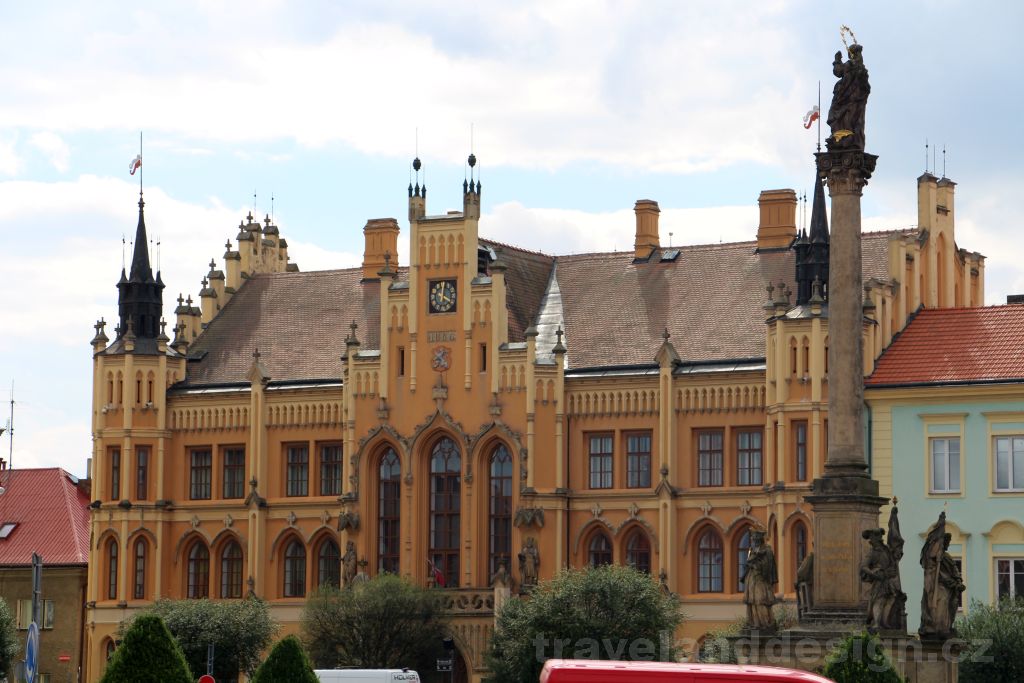
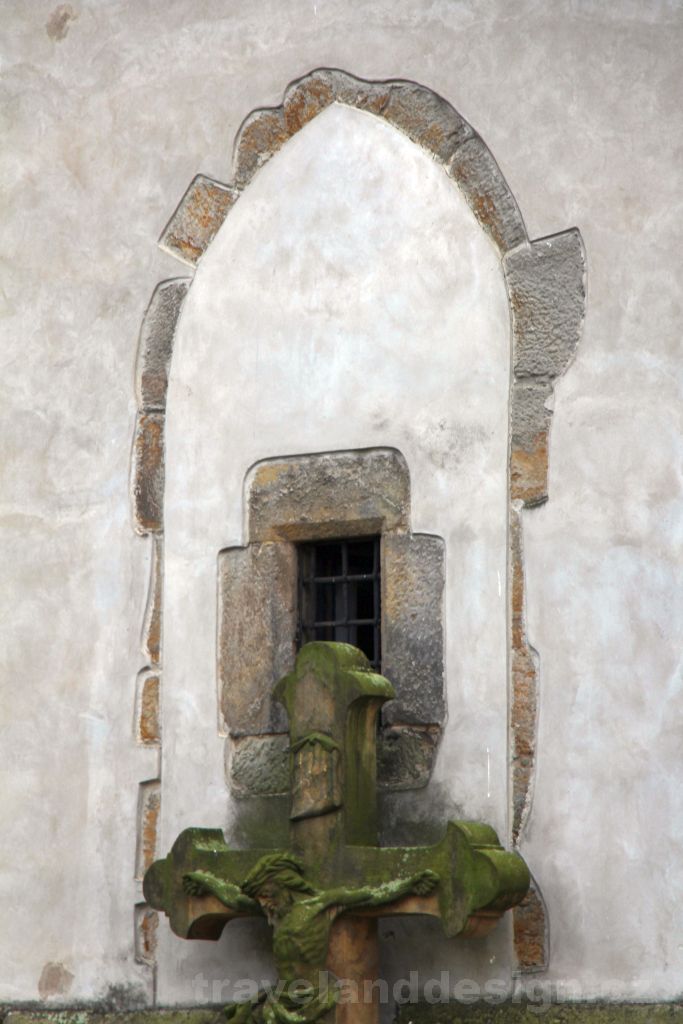
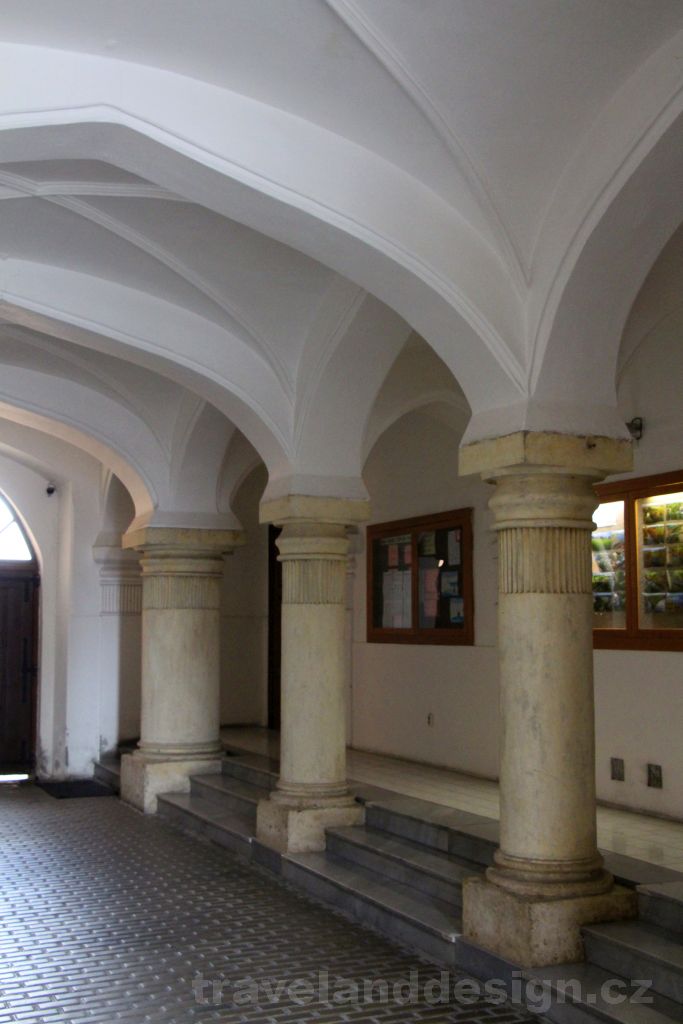
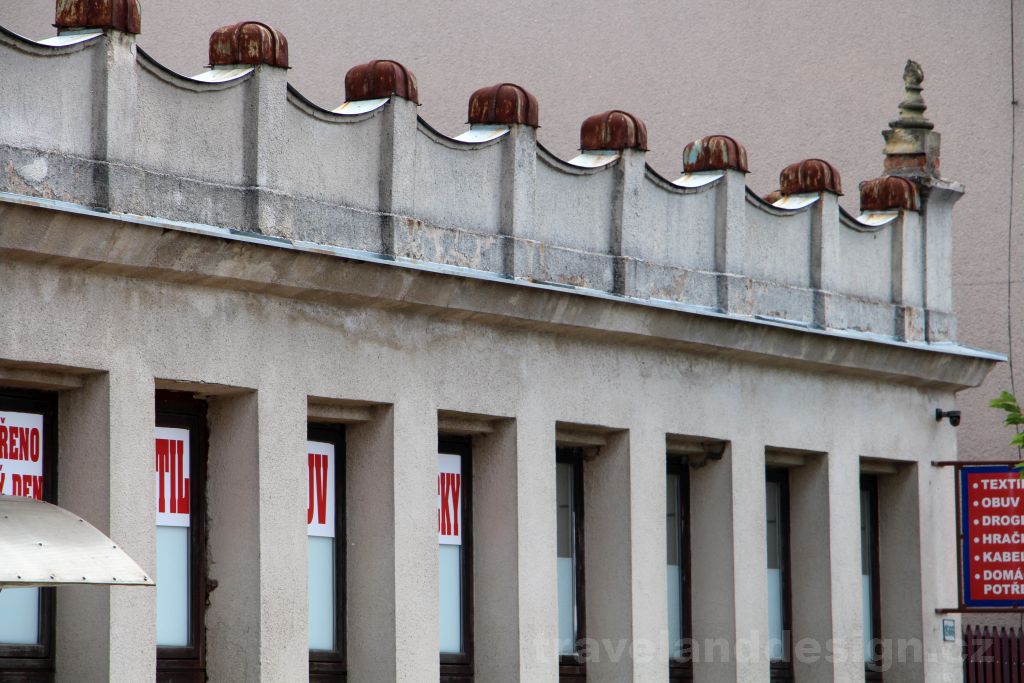
The central square is dominated by the very distinctive neo-Gothic town hall from 1863-65 with its battlements and turrets. In its passage is a Gothic sculpture of a monk’s head from a former Minorite monastery. In the middle of the square stands a baroque Marian column from 1716, which was erected here in thanksgiving for the outbreak of the plague.
The oldest building in the town is the parish church of St. Lawrence from the 14th century. However, its current appearance was fundamentally influenced by the Baroque reconstruction carried out in the second half of the 17th century. On the other hand, the brick cemetery church of the Mother of God of the Seven Sorrows dates back to the mid-nineteenth century according to the plans of the architect Josef Mocker.
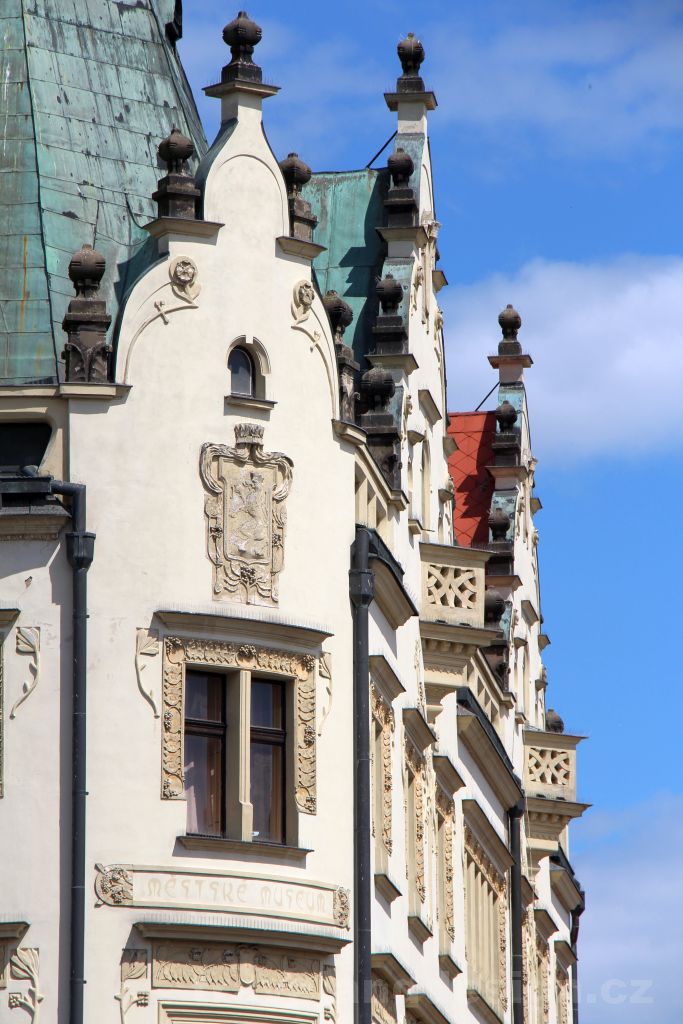
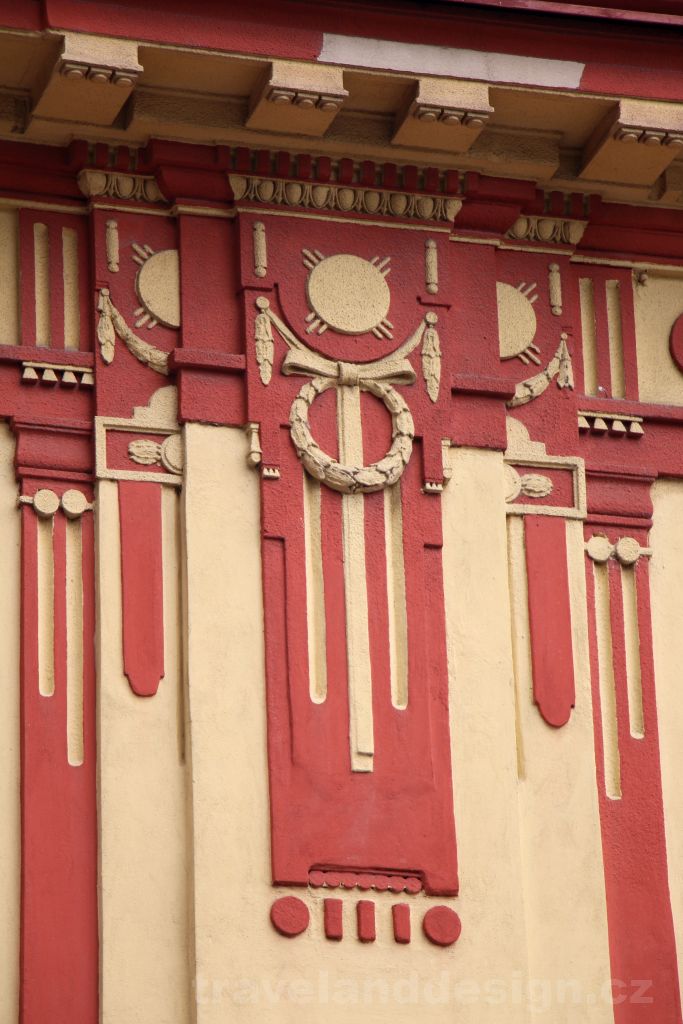
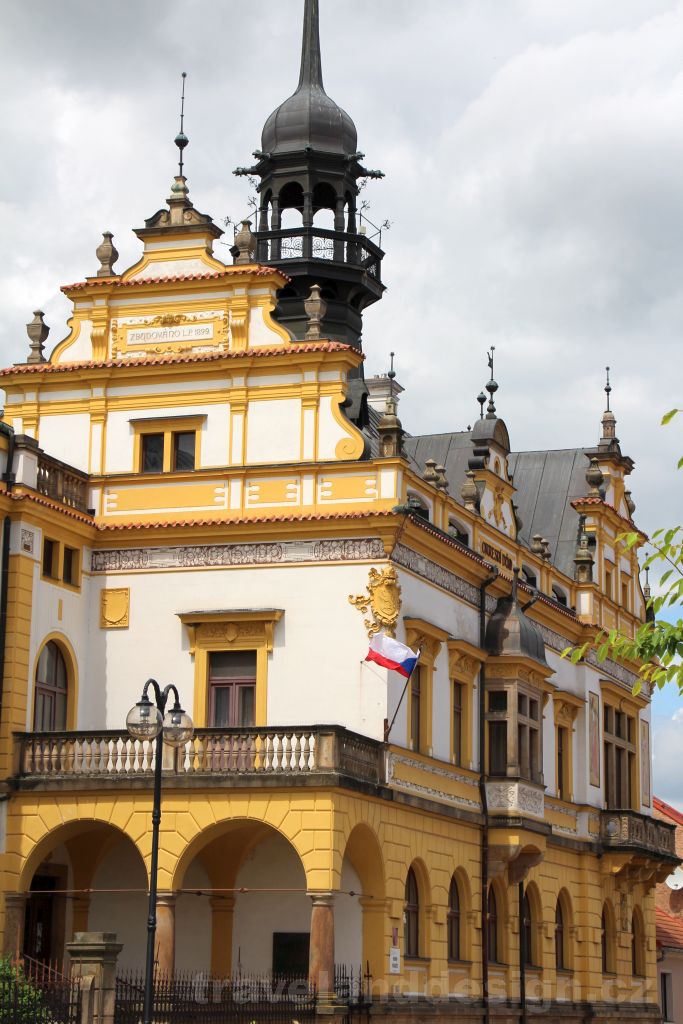
The building of the District House from 1899, designed by architect Jan Vejrych, has been preserved from the historicism period. The Art Nouveau building of the Savings Bank from 1905-7, designed by the same architect, now houses the Municipal Museum. During a tour of the museum, you can see the painted stained glass windows of the sun atrium, as well as a pair of paintings by Petr Brandl or a uniquely preserved Hussite howitzer.
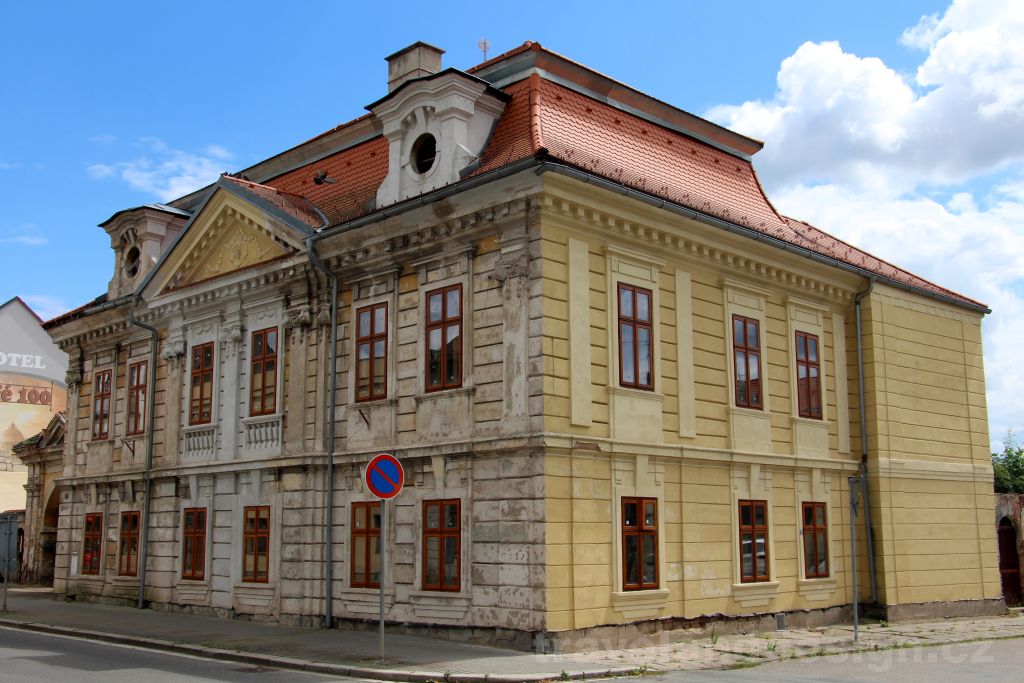
An interesting rococo building is the Doležalovský manor from the end of the 18th century, which represents the only preserved suburban courtyard with a distinctive baroque gate.
Famous Nový Bydžov natives
Marek Bydžovský of Florentinum, astronomer and mathematician (*1540)
Josef Němec, husband of writer Božena Němcová (*1805)
Alois Turek, architect (*1810)
The famous who stayed in the city
Božena Němcová, writer