Jílové u Prahy
(the royal mining town since 1350)
5,260 inhabitants
Central Bohemia Region, Prague-West District
Historical milestones
Beginning of the 13th century: Start of deep gold mining in the town and its surroundings. Medieval mining settlement was established around the mines.
1320: Around that year, the kings of Luxembourg minted gold thalers in the town.
1350: Jílové was made a royal mining town by King Charles IV.
1422: Jan Žižka had the underground mines filled in and flooded, which dealt a fatal blow to the golden age of the town.
1567: A great fire in the town affected the parish church and destroyed the restored mines.
1623: As part of the recatholization, a Minorite monastery was founded in the town.
around 1650: After the Thirty Years‘ War, only half of the inhabitable houses remained in the town due to the ravages of armies and fires. The way was opened for its subsequent Baroque reconstruction.
1849: Jílové u Prahy becomes a district town (until 1942).
1891: Thanks to a donation from Leopold Čihák, a regional museum is founded.
1968: Gold mining in the vicinity of the town was definitively stopped due to unprofitability.
1992: The historic centre of the town becomes a municipal conservation area.
Interesting facts about the town
In the early Middle Ages, the Arab geographer Al Mas Údí called the area of Jílové the Golden Mine of the Prague Empire. Gold has been mined in the town and its surroundings, especially in the Radlík area, since the Celtic times, although initially only by panning the Sázava river and its tributaries. It was one of the richest gold deposits in Europe. The main veins here stretched for up to six kilometres.
The name of the town derives from the clay (jíl), a typical type of soil found in the town.
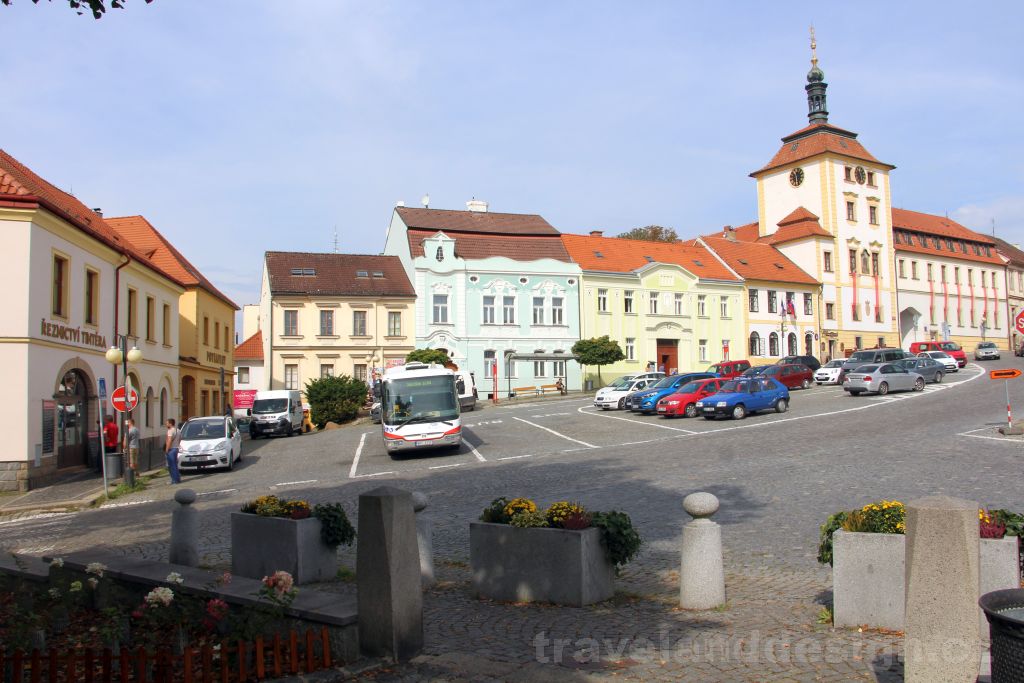
The elongated square in Jílové u Prahy is built on a hill and is therefore sloping. In its upper part there was a secular part with the town hall, while in the lower part of the square there is a sacral precinct.
The famous Bohemian painter Petr Brandl bet on the revival of gold mining in Jílové u Prahy and therefore bought a mining share in the middle of the 17th century. Unfortunately, he lost his investment at that time. He left at least one painting in the parish church.
The director Miloš Forman filmed some scenes for the film Amadeus in the town, especially in the parish church.
The biggest tourist magnets
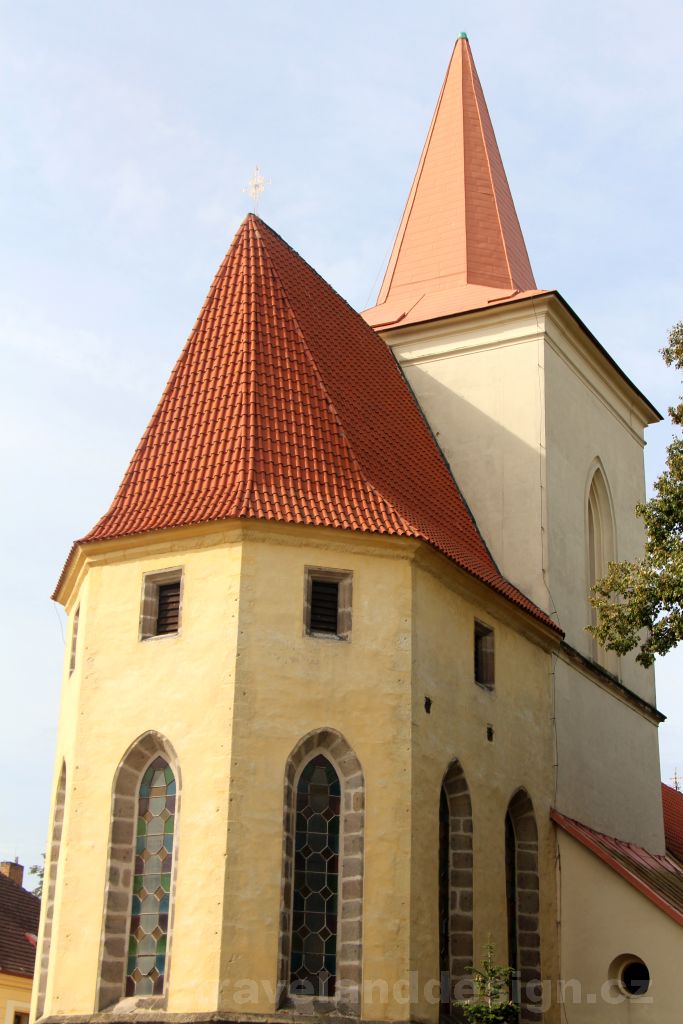
The most beautiful historical buildings are located around the rectangular main square and many of them have Gothic cores. This is especially the case with the early Gothic parish church of St. Vojtech, originally St. Nicholas, from the first half of the 13th century, which was later modified in Baroque style. An interesting feature of this building is the placement of the square bell tower between the chancel and the nave, as there was no room elsewhere. Inside there are five altars, the most valuable of which is the Gothic panel altar from 1485, which was later supplemented with a painting by the famous Bohemian painter Petr Brandl.
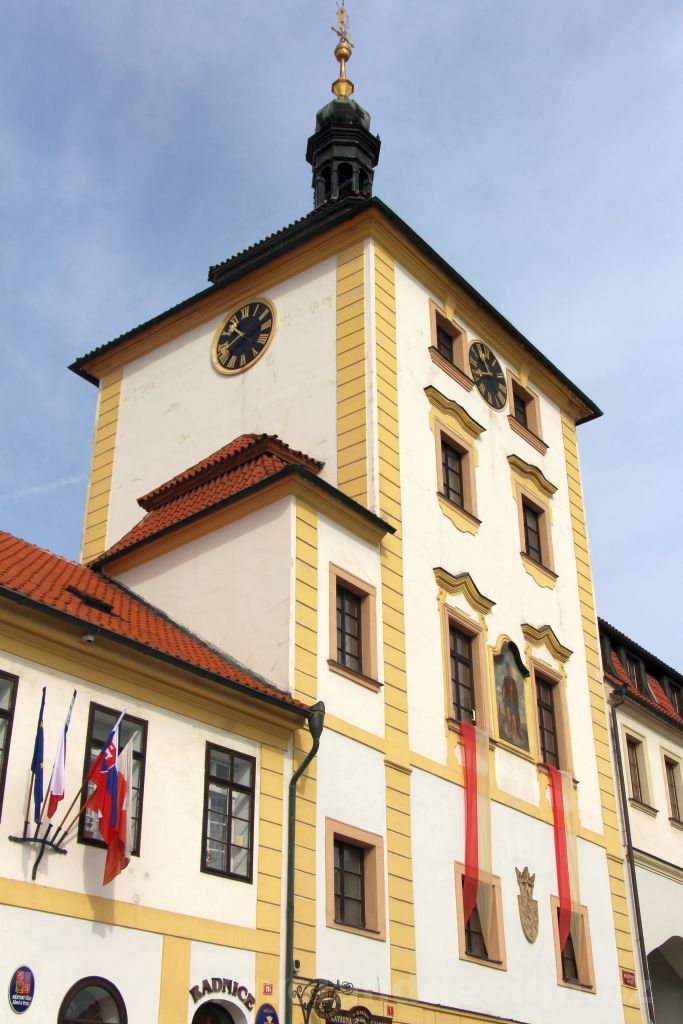
The Gothic building of the fortress of the Prague Velflovitz family called the Tower was first converted into a unique tower-like town hall and then rebuilt in Baroque style around 1724. The top floor of the tower housed the town meeting hall. The neighbouring building with the cloakroom dates back to 1854.
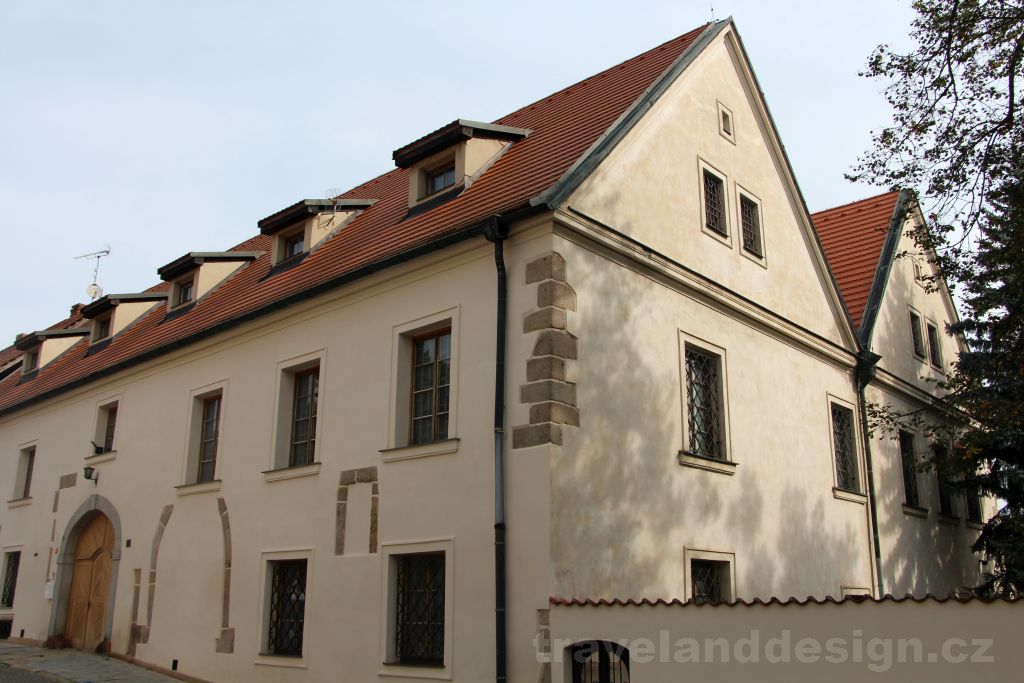
The former mint used to be known as Coin House and dates from 1356. It was the seat of the Royal Mining Authority until 1420, which oversaw the mining of the precious metal. In 1590, the English alchemist Edward Kelley, who worked at the court of Emperor Rudolf II, bought this very house to live in and searched for gold for the Emperor. Today, the Baroque-style walls of the house, built around 1706, house the regional museum, which also includes a visit to the quarter-kilometre long mining adit.
Out of the original 25 adits, there are four accessible gold mines in the vicinity of the town, usually named after saints – the St. Wenceslas Mine in the former Pepř (Pepper) Mine with a four-kilometre tour, the St. Joseph Mine, which is 200 metres long, the Haliře Mine and the St. Anthony of Padua Mine. The last-named adit is unique in that its route runs on two levels connected by ladders and is walked with mining kahans, as it has not been electrified.
Famous Jílové natives
František Chvalkovský, politician and First Republic Foreign Minister (*1885)
Among the famous people who lived in the town
Edward Kelley, Rudolphine alchemist