Jaroměř
(the royal dower town since 1307)
12,500 inhabitants
Hradec Králové Region, district Náchod
Historical milestones
1003-1004: Prince Jaromír founded a Přemyslid fortress on the site of the town.
1126: A romanesque castle is mentioned for the first time in Jaroměř.
End of the 12th century: a new Gothic town is founded around the castle by King Přemysl Otakar II.
1307: Jaroměř becomes a royal dowry town.
1421: The town was conquered by the Hussite troops of Jan Žižka of Trocnov and subsequently became one of the Hussite bases in the Czech lands.
1446: The town suffered its first devastating fire.
1547: Jaroměř took part in the first anti-Habsburg uprising, for which it was punished with a fine and a restriction of town privileges.
1548: Jaroměř burned again and underwent a subsequent Renaissance restoration.
1639: The town was besieged and burned by the Swedes. By the end of the 17th century, the town was rebuilt in the Baroque style.
1857-1859: Jaroměř was connected to the newly built railway network.
1858: A large yarn spinning mill was opened in the town.
1911: Jaroměř airport opened.
1926: President Tomas Garrigue Masaryk visited the town.
1948: Jaroměř is merged with the neighbouring fortress town of Josefov.
1990: The historic centre of the town has become an urban conservation area.
Interesting facts about the town
The historic core of Jaroměř lies at the confluence of the Elbe, Úpa and Metuje rivers and is the smallest royal town in the Czech lands. It was protected by strong walls with two gates and a small Gothic castle, which has not survived to this day.
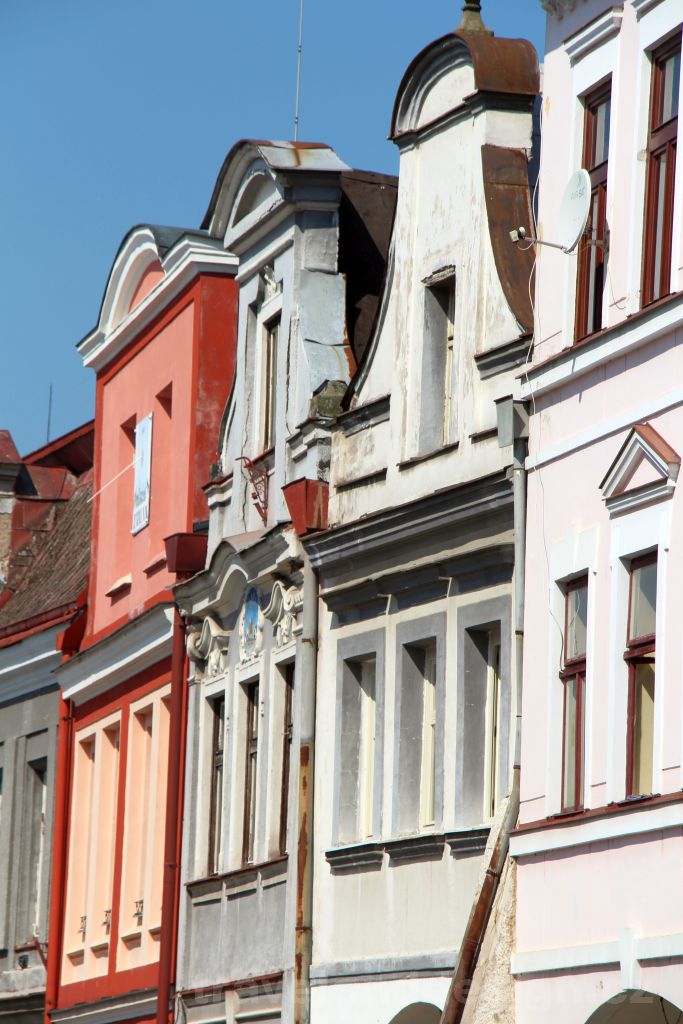
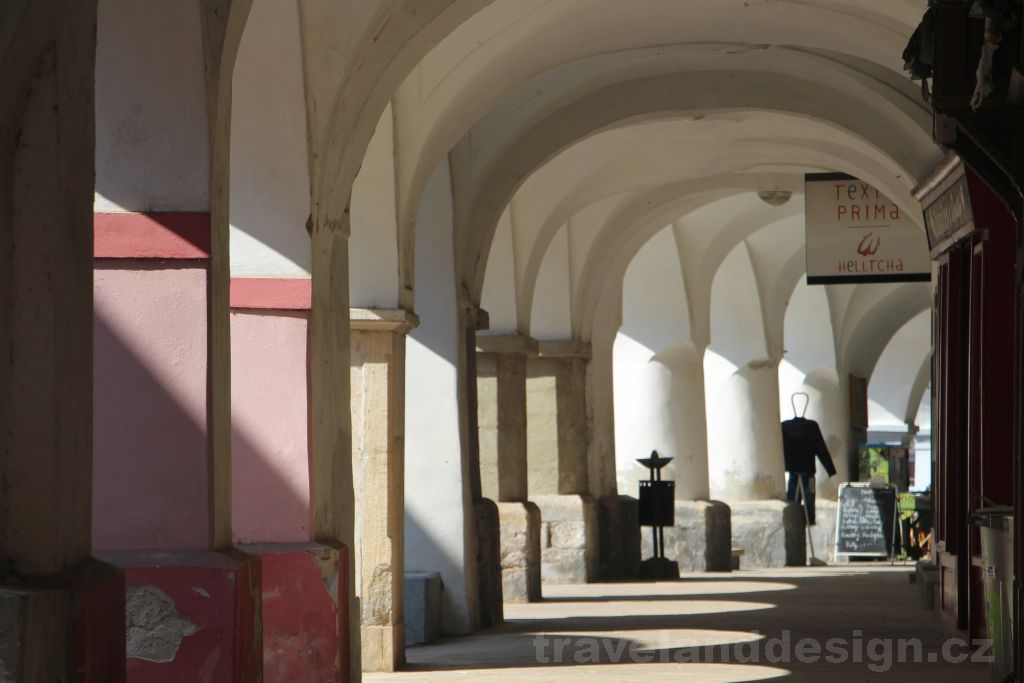
Thanks to the narrow promontory on which it is situated, the main square has a very elongated plan with two rows of houses with arcades. Many of the baroque townhouses still have preserved timbered gables and wooden pavilions in their courtyards.
The town got its name from the Bohemian prince Jaromír, who founded a pre-Romanesque settlement here in the early Middle Ages.
It was from Jaroměř that the Elbe River was navigable on rafts. Navigation was carried out here by the so-called Elbian swimmers.
The industrial production of the early 20th century was especially famous for the production of shoe polish and the soap factory. The town is also a regional railway junction.
Some films and TV series such as Babička, Božena or Musíme si pomáhat were filmed in the town.
The biggest tourist magnets
On the central narrow square stands the original 16th century renaissance town hall, which was rebuilt in baroque style after 1670. However, the current late classical appearance of the town hall dates back to 1851.
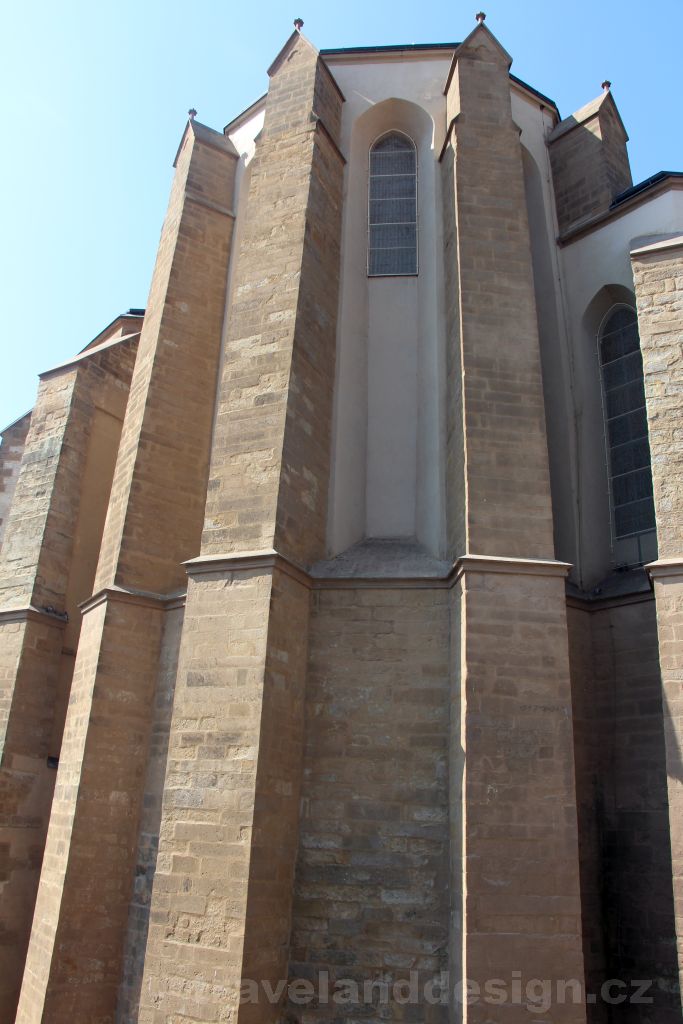
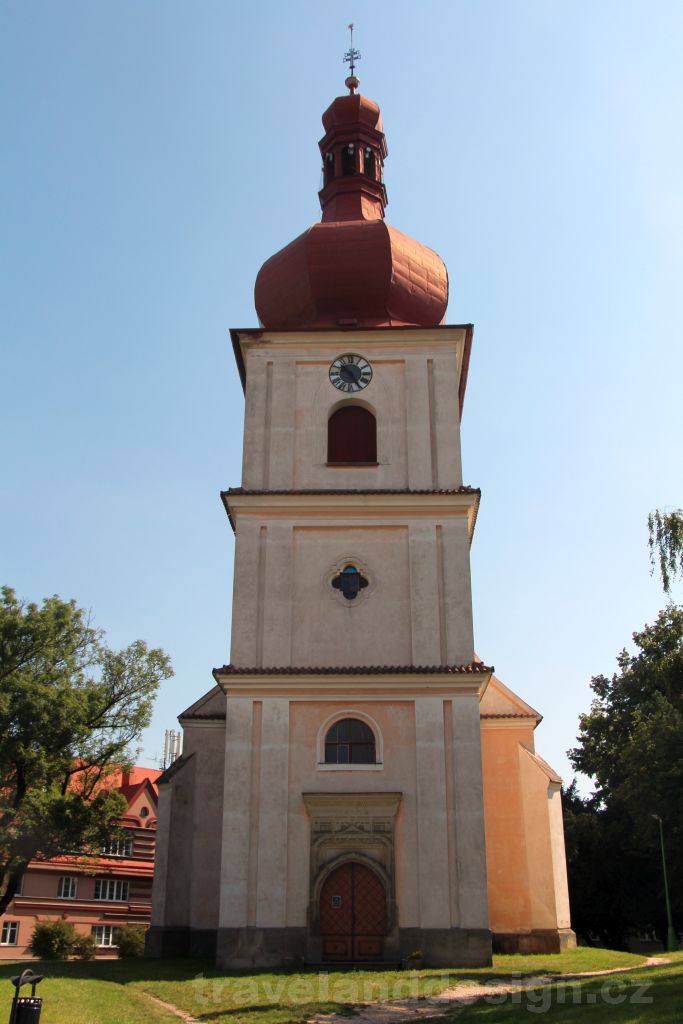
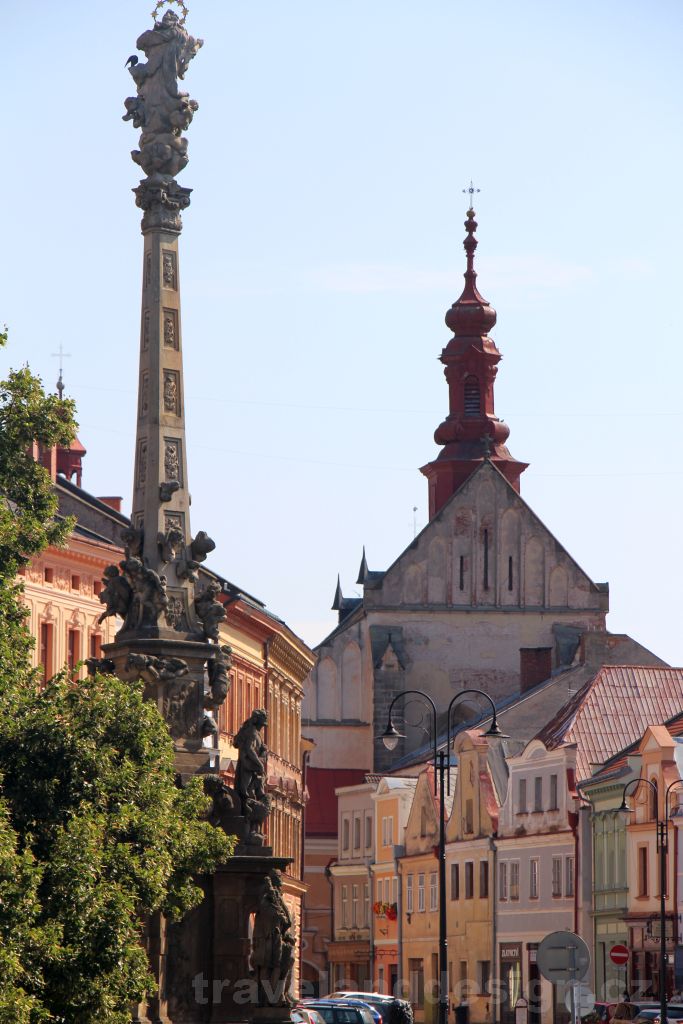
Only small sections of the former stone walls and the two town gates have been preserved, mainly around the Gothic parish church of St. Nicholas and the gate with the bell tower. The church was built here for two full centuries from the 14th to the 16th century. Construction began as early as 1325. However, its current appearance was more significantly influenced by the baroque reconstruction during the 18th century. However, it was eventually restored to its gothic appearance with the participation of architects Josef Mocker and Kamil Hilbert. The main altar is rococo, but the tin baptismal font dates back to 1518.
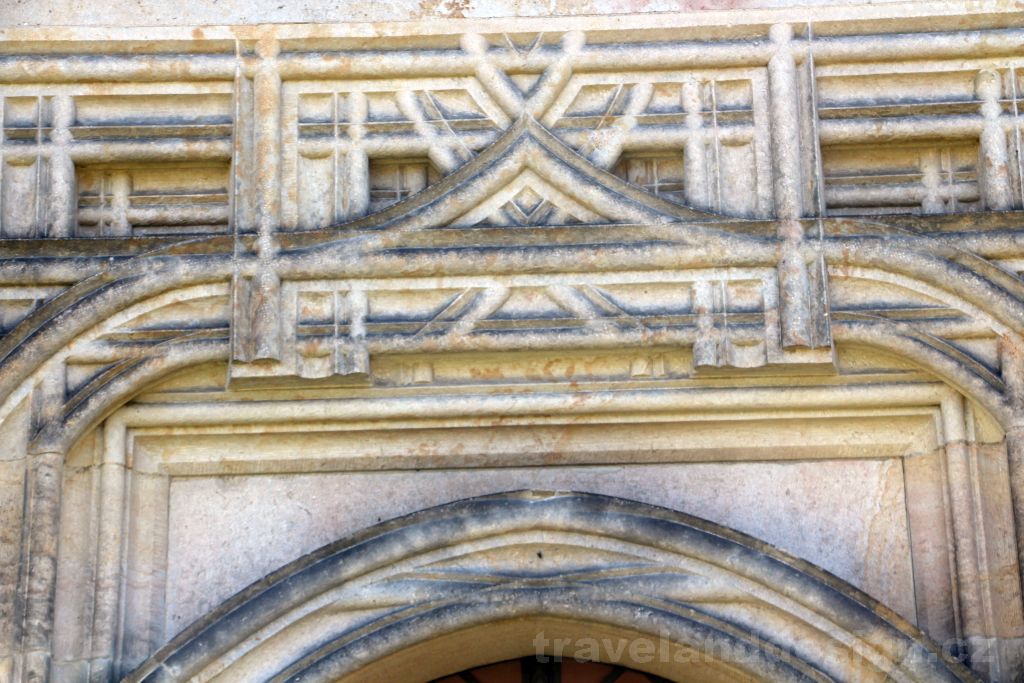
The cemetery church of St. James also dates from the 14th century, but was rebuilt in late gothic style in 1530.
An interesting Art Nouveau building is the town theatre from 1903.
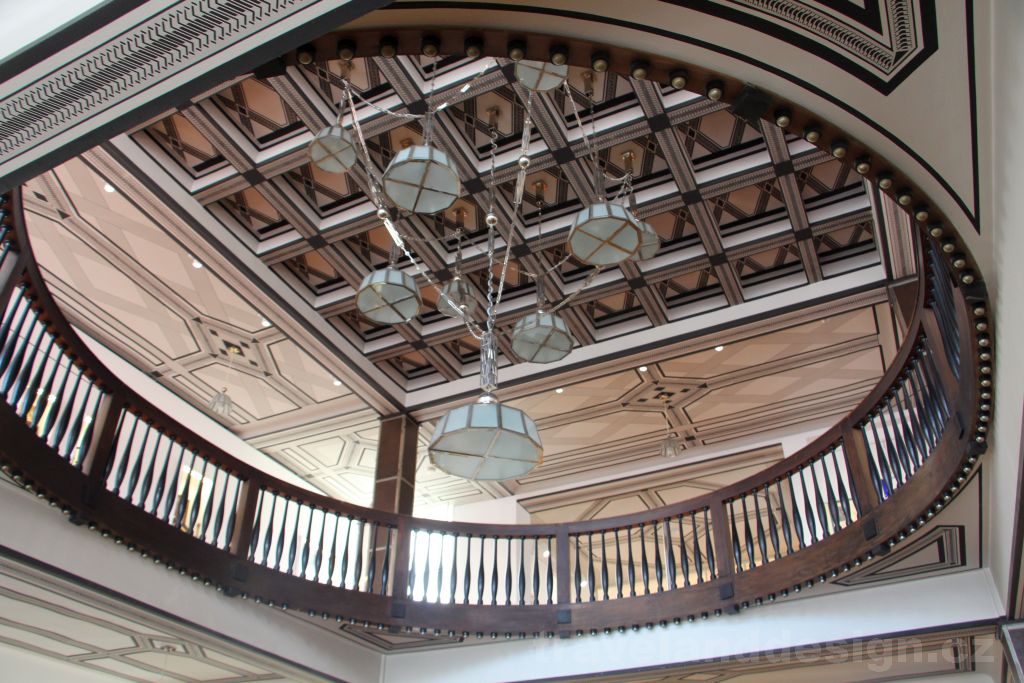
A unique monument is the modernist building of the former Wenke department store, built in 1910-11 in the late Art Nouveau style by the outstanding architect Josef Gočár. Today, its restored interiors house a museum exhibition. The glazed front facade of this interesting building is the oldest hinged facade in Europe.
An excellent railway museum is housed in the railway elevator of the Jaroměř railway station and its surroundings.
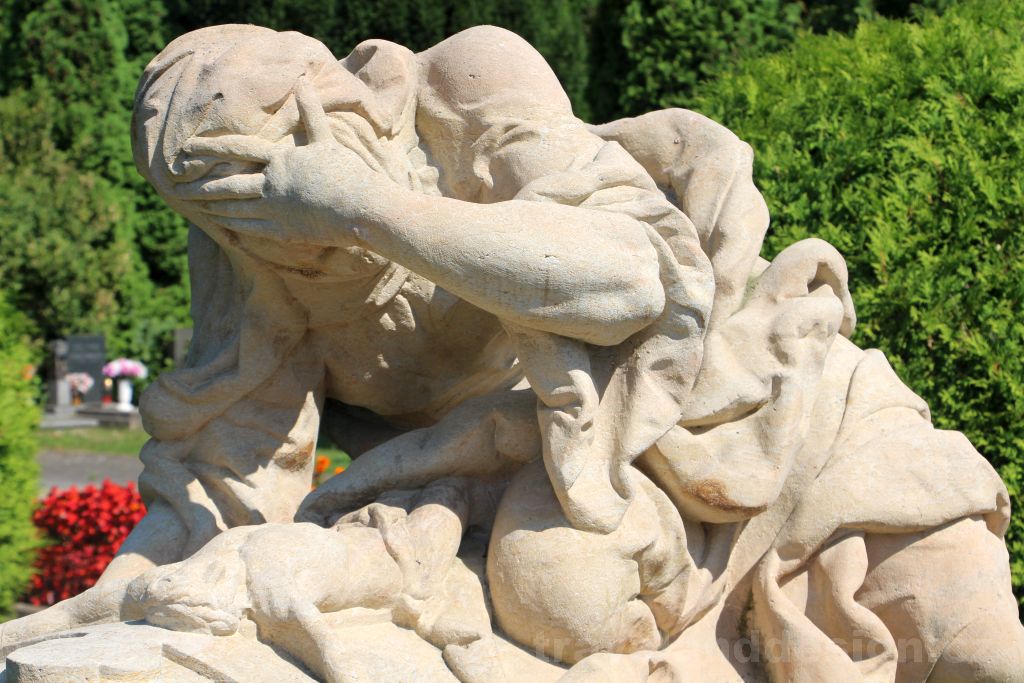
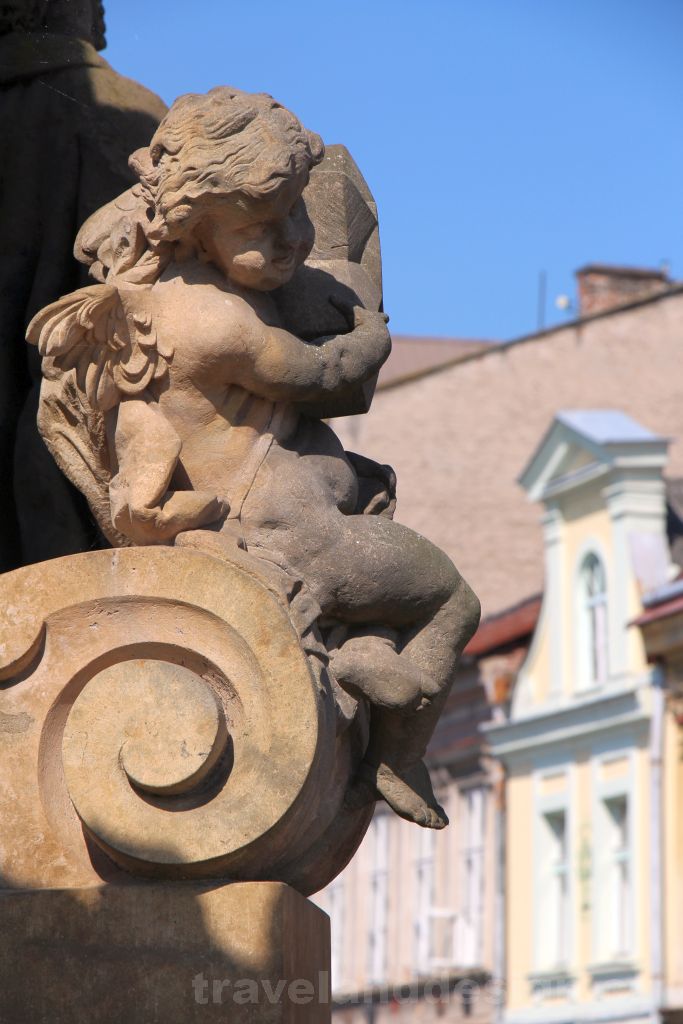
In the new cemetery there is an outstanding work of the famous baroque sculptor Matthias Bernard Braun, which was moved here from the old cemetery that was closed down. It is a very emotional tombstone of a weeping woman from 1722-3, which the sculptor created for the grave of his mother-in-law Anna Miselius. It represents the grieving daughter and the sculptor’s wife. The original is housed in the lapidarium of the nearby Josefov Fortress. Matthias Bernard Braun also created the statue of the Immaculate Virgin Mary on the Marian column in the historic centre of the town in 1722-27.
Not far from Jaroměř is one of the largest baroque bastion fortresses in Bohemia, covering an area of 260 hectares with 60 kilometres of underground passages. Emperor Joseph II had it built here in 1780-9 on the site of the demolished village of Ples. However, the fortress never really tested its military potential in combat and served mainly as a heavy prison. At the turn of the 18th and 19th centuries, the fortress buildings, including the garrison church, were rebuilt in a classical style. Due to its unique urban preservation, Josefov is an urban conservation area.
Famous Jaroměř natives
Otakar Španiel, medallist and sculptor (*1881)
Ivo Pešák, comedian and actor (*1944)
The famous who stayed in the city
Vladimír Preclík, sculptor and writer