Dvůr Králové nad Labem
(the royal town since the 2nd half of the 13th century, the royal dowry town since 1399)
15,200 inhabitants
Hradec Králové Region, Trutnov District
Historical milestones
1139: For the first time, thanks to the stay of Prince Soběslav I, a princely court is mentioned on the site of the present-day town.
The second half of the 13th century: King Přemysl Otakar II founded a town on the site of the princely court of Chvojno, which he named Dvůr after the former court.
Early 14th century: The town was fortified with stone walls.
1340:King John of Luxembourg confirmed the court’s town rights and five years later exempted the town from taxes.
1357: Emperor Charles IV visits the town on his inspection tour with Archbishop Arnost of Pardubice, his advisor.
1399: Dvůr becomes a royal dowry town of the Bohemian queens and changes its name to Dvůr Králové. King Wenceslas IV gave the town to his wife Sophie of Bavaria.
1421: The town surrendered without a fight to the Hussite troops and was occupied by them.
1437: Queen Barbara of Celje, the widow of Sigismund of Luxembourg, acquired the court.
1450: The town burned down during an attack by Silesian crusaders, who were overpowered by the defenders and thrown alive into the fire they had set.
1458‒1475: The Czech Queen Joan of Rozmital, wife of King George of Podebrady, stays in the town.
1547: The town took part in the first anti-Habsburg uprising. After its defeat, it was temporarily deprived of its municipal privileges, and the royal town clerk was appointed head of the municipal administration.
1572: A great fire in the town, after which the town was depopulated for 50 years.
1619: The town financially supported the Estates‘ Revolt against Ferdinand II. It was subsequently punished and its population forcibly recatholized.
1646: At Dvůr Králové, the Imperial army led by General Montecuccoli was defeated in battle by the troops of Swedish General Wittenberg.
1st half of the 18th century: The first linen manufactories were founded in the town, which established the later textile fame of the town.
1741: The town was first damaged by the Prussian army.
The Empress Maria Theresa personally visited Dvůr Králové and decided to rebuild the originally wooden Church of the Exaltation of the Holy Cross.
1756: During the Seven Years‘ War the town was sacked for the second time by Prussian soldiers.
1859: The railway arrived in Dvůr Králové nad Labem, which subsequently supported the industrial development of the town.
1866: The town was severely damaged for the third time by the passing Prussian army, this time in the Prusso-Austrian War. After the clash of the two armies, the town was overflowing with dead and wounded, who were visited by Emperor Franz Joseph I.
1926: The town was visited by Czechoslovak President Tomáš Garrigue Masaryk, after whom the main square was subsequently named.
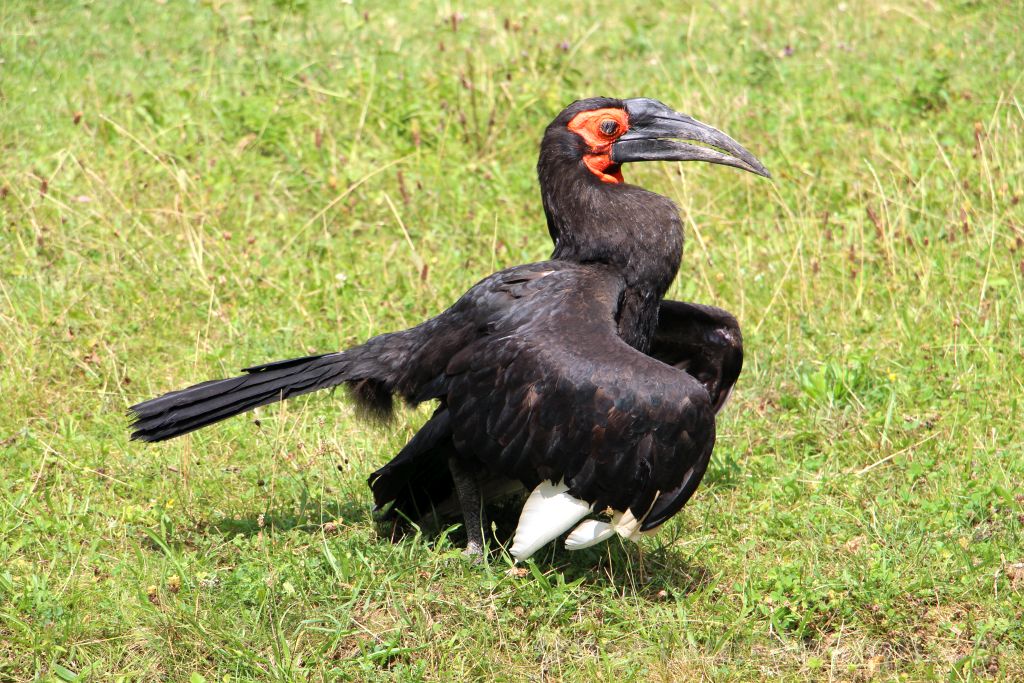
1946: the largest zoological garden in the Czech Republic was founded in the town, which was enriched by a safari in 1989.
1990: The historic centre of the town became a city conservation area.
Interesting facts about the city
Dvůr Králové nad Labem is located in the Královédvor Basin in the Podkrkonoší region on the upper reaches of the Elbe River. The peaks above the town thus reach almost 500 metres above sea level.
The town was nicknamed the Bohemian Manchester in the 19th century because of its intensive textile production, including the processing of flax, cotton and jute. However, it was not spared the repeated cholera epidemics of 1831, 1850 and 1855, which testified to the poor sanitary conditions prevailing in the rapidly developing industrial city.
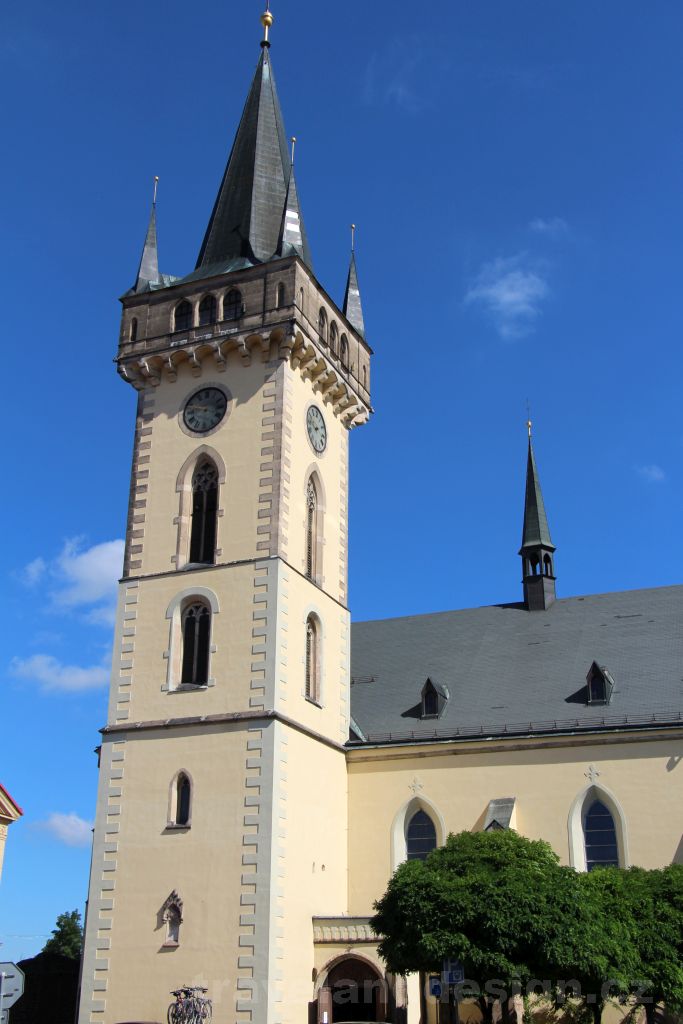
In the tower dungeon of the parish church of St. John the Baptist, the national revivalist Václav Hanka „discovered“ the Manuscript of Dvůr Králové in 1817, which later turned out to be a quality subspecies of medieval literature written in Czech. Its discovery significantly encouraged the process of Czech national revival.
Traditional glass Christmas decorations are still made in the town and can be bought here.
The biggest tourist magnets
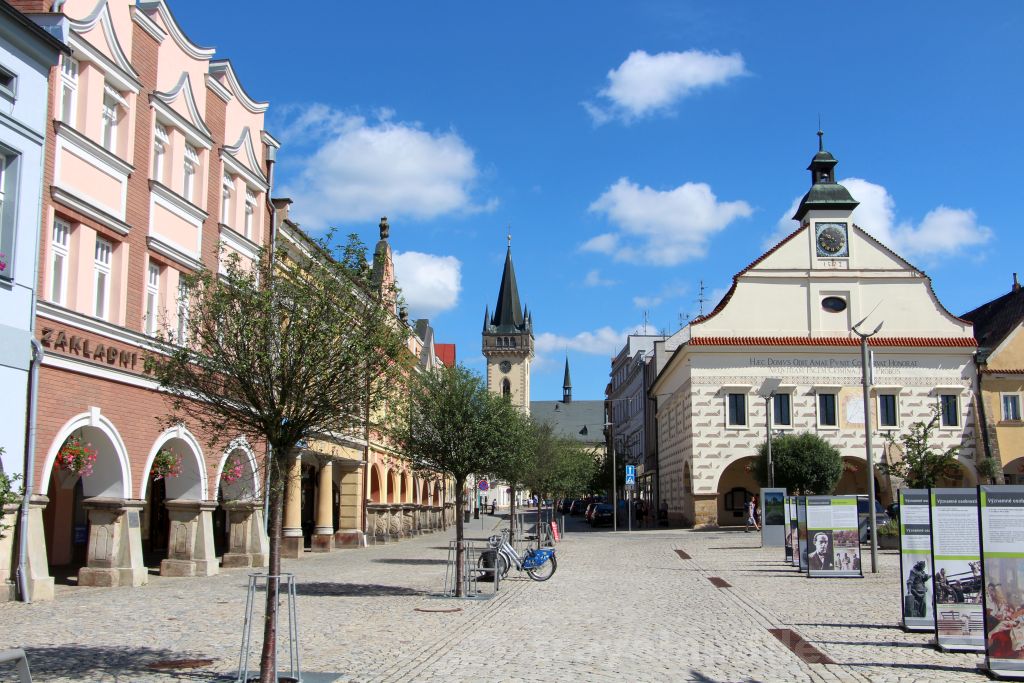
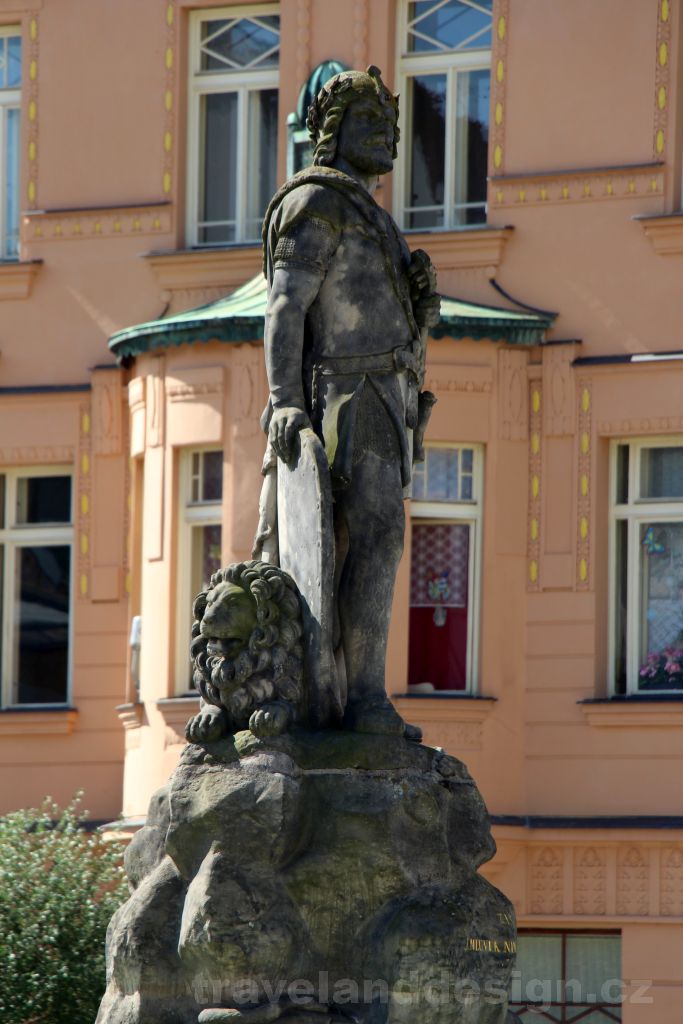
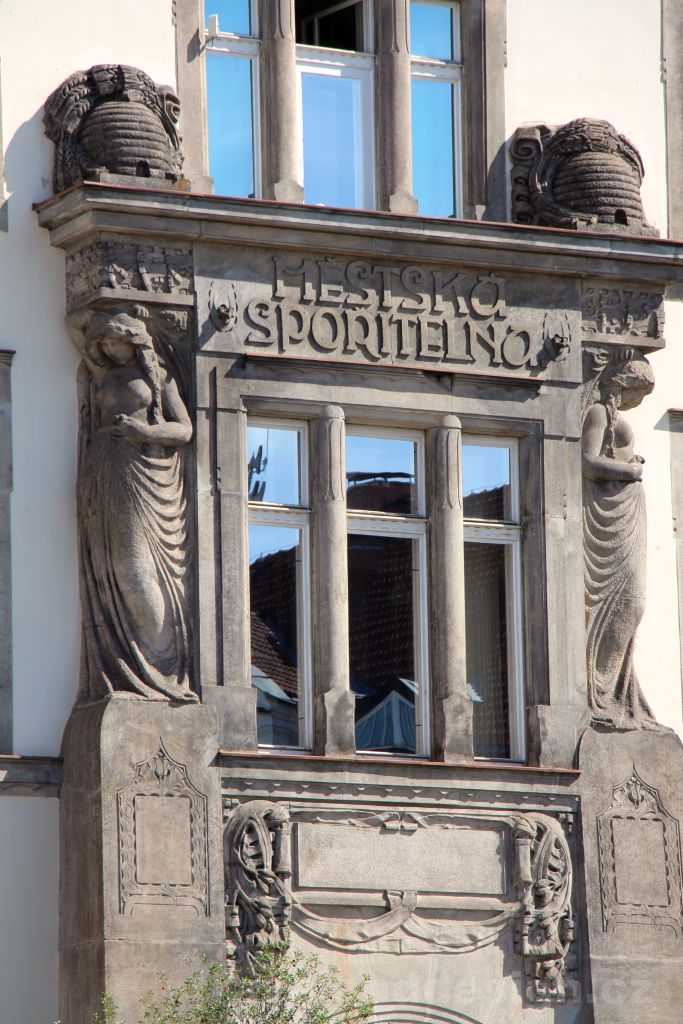
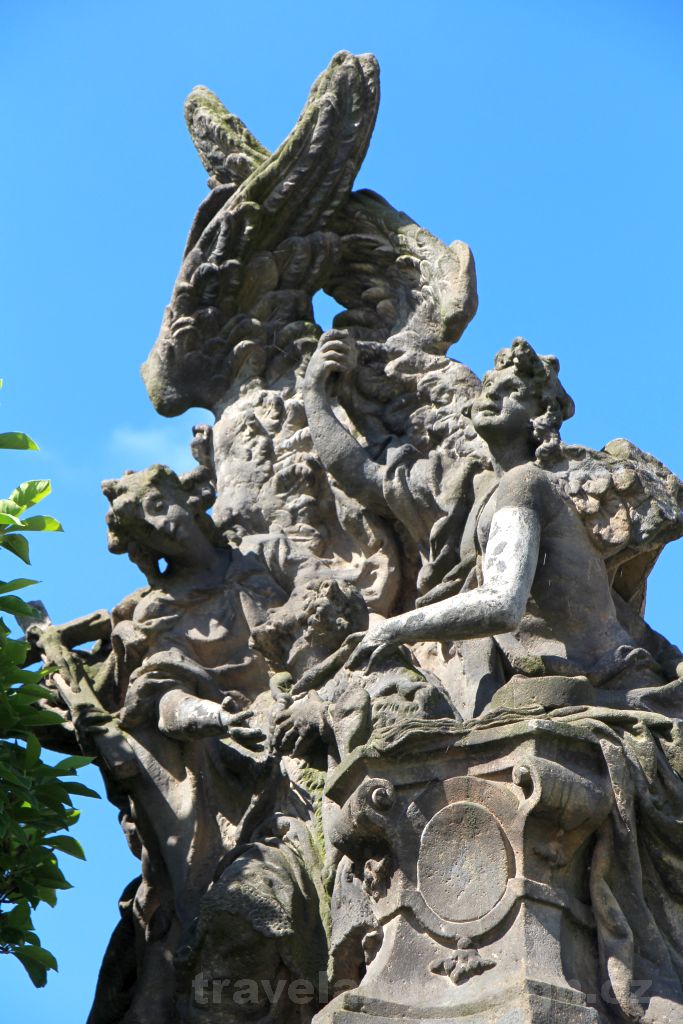
The centre of the town is T. G. Masaryk Square, around which the most important historical buildings of the town centre are located. Of particular interest is the original Renaissance Town Hall from 1572 with its sgraffito plasterwork, which was rebuilt in 1833. The Renaissance Čížek’s House dates from the same period as the town hall. The Art Nouveau building of the Municipal Savings Bank from 1910 and a set of valuable Baroque townhouses from the first half of the 18th century are also significant landmarks. The top baroque building on the square, however, is the Bergr House of the Count Spork Clerk from 1738 with statues of three saints on the roof attic. Today it houses the town museum. In the open area of the square there is the Marian Column from 1753 and the Art Nouveau statue of Zaboj with the adjacent fountain from the beginning of the 20th century, which recalls the hero of the Manuscript of Dvůr Králové.
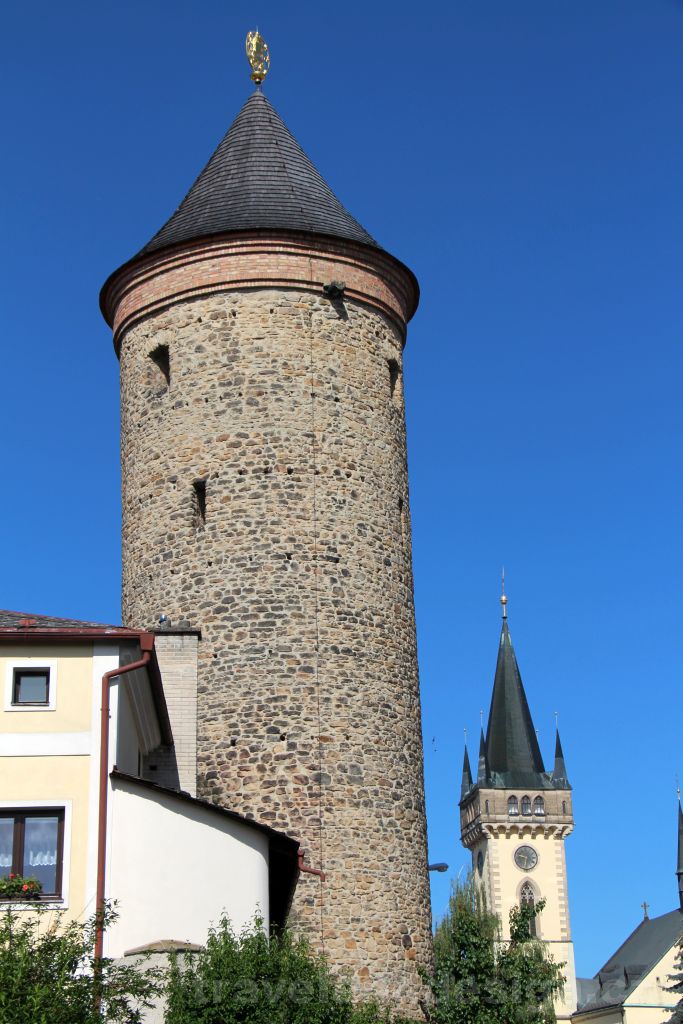
None of the original four town gates, the Upper, Lower, Hradiště and Šindelářská gates, remain from the Gothic fortifications. Only the remains of the Upper Gate and the Šindelářská Tower, which once protected the adjacent Šindelářská Gate, can be found. However, some sections of the stone walls have been preserved, especially at the Church of St. John the Baptist and around the Upper Gate. The cylindrical Šindelářská Tower is 20 metres high and slightly inclined to the south.
The most important religious monument of the town is the Church of St. John the Baptist, which replaced the original Romanesque building at the end of the 14th century by decision of Queen Sophie of Bavaria. It was later modified in Baroque style but was nevertheless re-regurgitated in 1893‒1900. The Baroque Church of the Exaltation of the Holy Cross was personally financed by Empress Maria Theresa after 1750.
In 1867, Hank’s House was built on today’s Resistance Square to commemorate the discovery of the Manuscript of Hanover, which now serves as the town theatre.
The largest zoological garden in Bohemia is located in the town on an area of 64 hectares, which breeds 2,300 species of animals. In the summer, a safari opens in parts of the zoo, which can be reached by car or by off-road bus, but there is also the possibility of staying in glamping tents. However, there is also a gallery with paintings of prehistoric themes by the painter Zdeněk Burian.
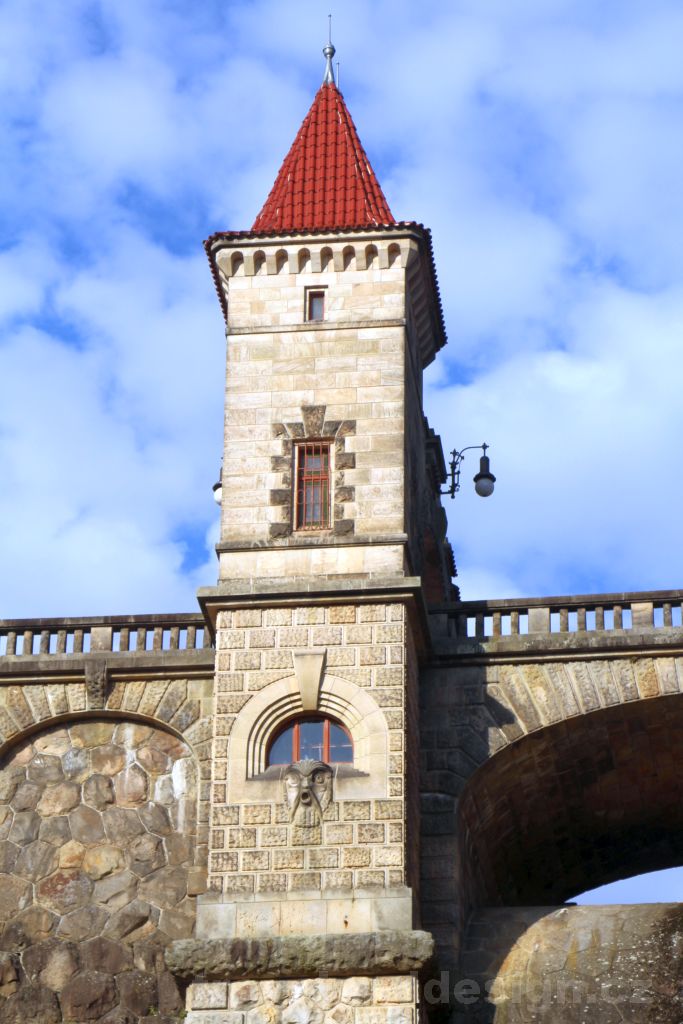
Not far from the town is the most beautiful Czech dam, Les Království, built in 1920 in the style of late German Romanticism with battlements and towers, complete with an Art Nouveau hydroelectric power station below the dam. The degree of decorative style here is unparalleled elsewhere in the Bohemian lands.
Famous Dvůr Králové natives
Otto Gutfreund, sculptor (*1889)
Rudolf Antonín (R. A.) Dvorský, composer and singer (*1899)
Josef Rakoncaj, mountaineer and photographer (*1951)
Martin Šonka, acrobatic aviator (*1978)
The famous who stayed in the city
Václav Hanka, librarian and discoverer of the Manuscript of Dvůr Králové
Josef Vágner, director of the zoo and founder of the African safari in the town