Chomutov
(the royal city since 1605)
47 000 inhabitants
Ústí nad Labem Region, district Chomutov
Historical milestones
1252: The first mention of the Komotau Commandery of the Order of German Knights, the founders of the town. German colonization of the town follows.
2nd half of the 14th century:The town replaced the palisade fortifications with stone walls with four gates.
1410: After the Battle of Grünwald, in which the Teutonic Knights were defeated, king Wenceslas IV. Luxemburg seized the Order’s property in Chomutov.
1421: Hussites besieged the town. After the conquest, they burned it down and murdered almost the entire population of about 2000 people.
1488-1560: Chomutov was owned by the noble family of Krabitz of Veitmile, who rebuilt the commandery into a Renaissance chateau. Silver and other ores were mined in the vicinity of the town.
1558-1813: Mining of alum and iron ore in the oldest mine Kryštof.
1560-1593: Under the new owners of Chomutov – the Popels of Lobkowicz, a harsh process of re-catholization takes place.
1589: Jesuits are invited to the town by George Popel of Lobkowicz and establish their college.
1591: A rebellion of the townspeople against the authorities ends with the defeat and execution of two leaders.
1593: Emperor Rudolf II confiscated the town from George Popel of Lobkowicz for alleged treason.
1598: A great fire burns down most of the town.
1605: Chomutov redeemed itself from serfdom and became a royal city.
1621: The town lost its privileges for participating in the Estates‘ Revolt, which were returned to it six years later.
1647: Chomutov is burnt down by the Swedish army.
1813-1814: Devastating columns of Napoleonic troops passed through the city.
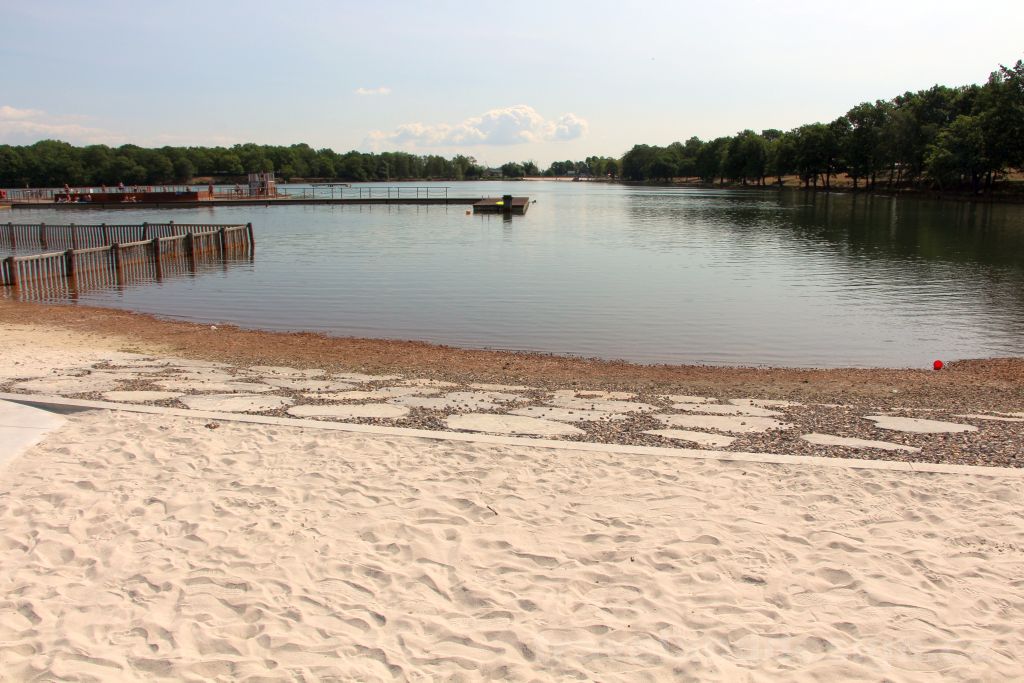
1850: The abandoned Kryštof mine for stone slates and the adjacent vitriol plant were flooded, and so from 1809 the Alum Lake was created here, supplemented at the beginning of the 20th century by the Alum Baths.
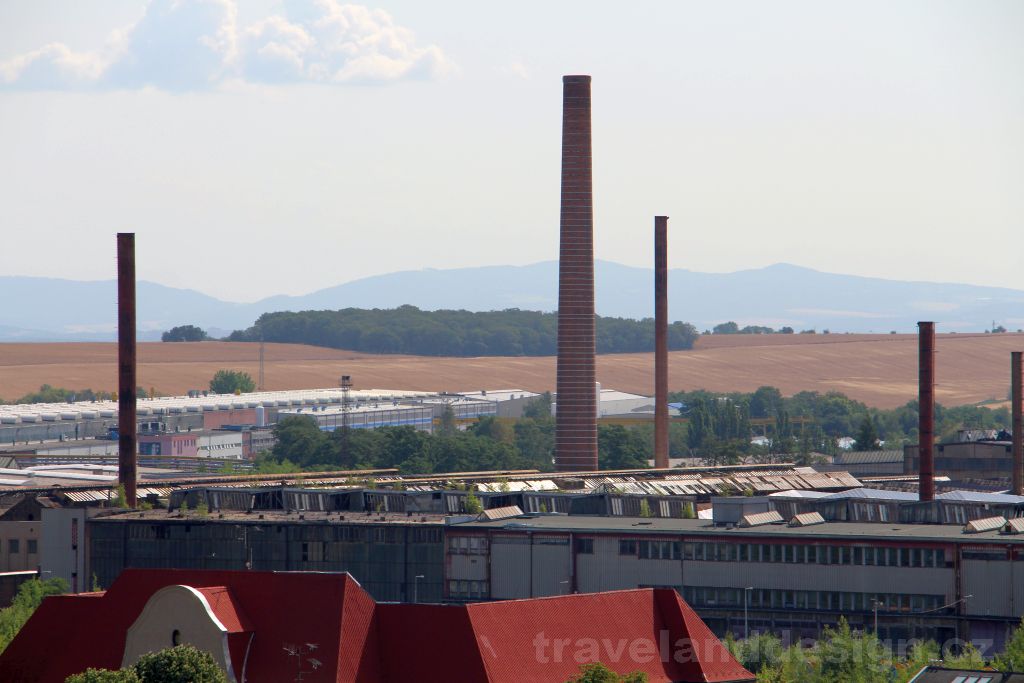
1870: Erzgebirge Iron and Steel Company, later Mannesmann Tube Rolling Mills, is founded in the town.
1870-1875: Chomutov becomes a new railway junction in Northwest Bohemia after the construction of railway lines.
1938: The last surviving Jewish synagogue (1876) in the town is burned down during the Kristallnacht.
Spring 1945: Three Allied air raids on the town fell victim mainly to the Chomutov railway station and several residential blocks.
July – September 1945: the German population of the town was displaced in fifteen transports and replaced mainly by domestic population from the eastern parts of Czechoslovakia.
Since 1992: The city centre has become an urban conservation area.
Interesting facts about the city
The town derives its name from the “chomout”, a part of a horse’s harness. In the early days of its existence, toll was collected here on the important trade route from Prague to Saxony, which was derived from the number of harnesses.
The lignite underground mines in the town were functional until 1992, when the last mine, Jan Žižka, was closed.
The successful industrial boom in the second half of the 19th century in the local ironworks culminated in 1891 with the production of the world’s first seamless pipe.
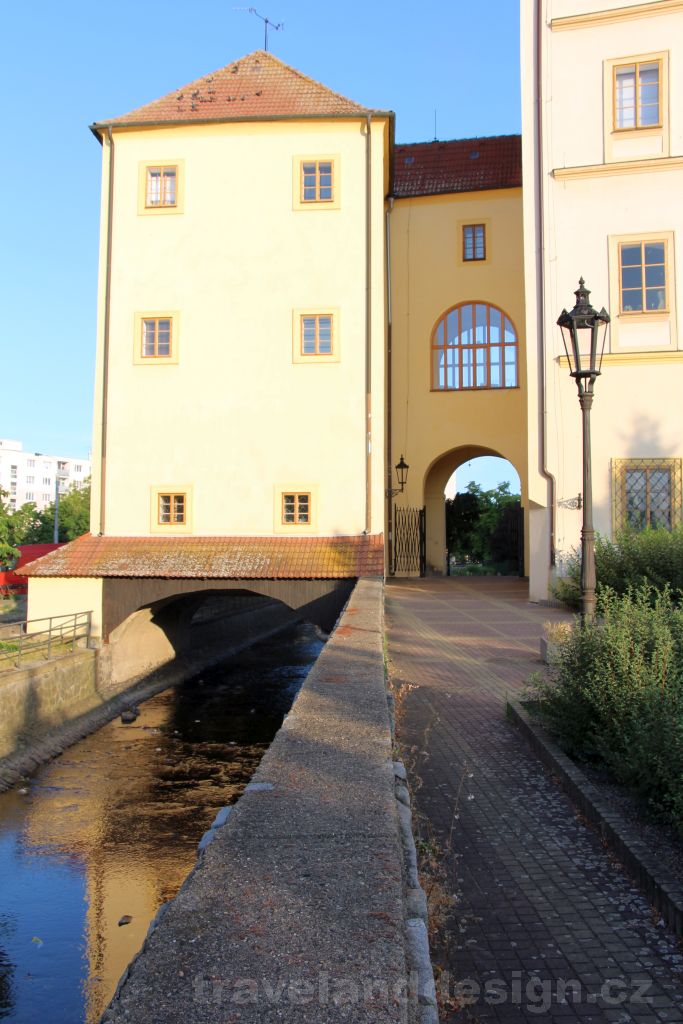
Chomutov lies on the border between the Most coal basin and the Erzgebirge (Ore) Mountains, which rise directly above it. The mountains can be accessed from the town through the wide and 13-kilometre long Bezruč valley along the wild Chomutovka river, which then flows through the town centre. On the way through this longest valley in the Erzgebirge, you can refresh yourself in two former mills.
In the town, you can bath in the 16-hectare Alum (Kamenec) Lake, which is free of algae and cyanobacteria due to its one percent alum content. The lake has sandy beaches and healing properties.
The local zoo with 160 species of animals, mainly bison, lynxes, wolves and bears, is also of recreational and touristic importance. With 112 hectares, it is the largest in the Czech Republic. It also includes the Kaštanka orchard as the northernmost set of chestnut trees sown in the Czech Republic and a pool with seals.
Chomutov has had the status of a statutory town since 2006 and is headed by a mayor.
The biggest tourist magnets
The Chomutov fortification belts have been preserved with the former moats only on the northern and eastern side of the historic centre.
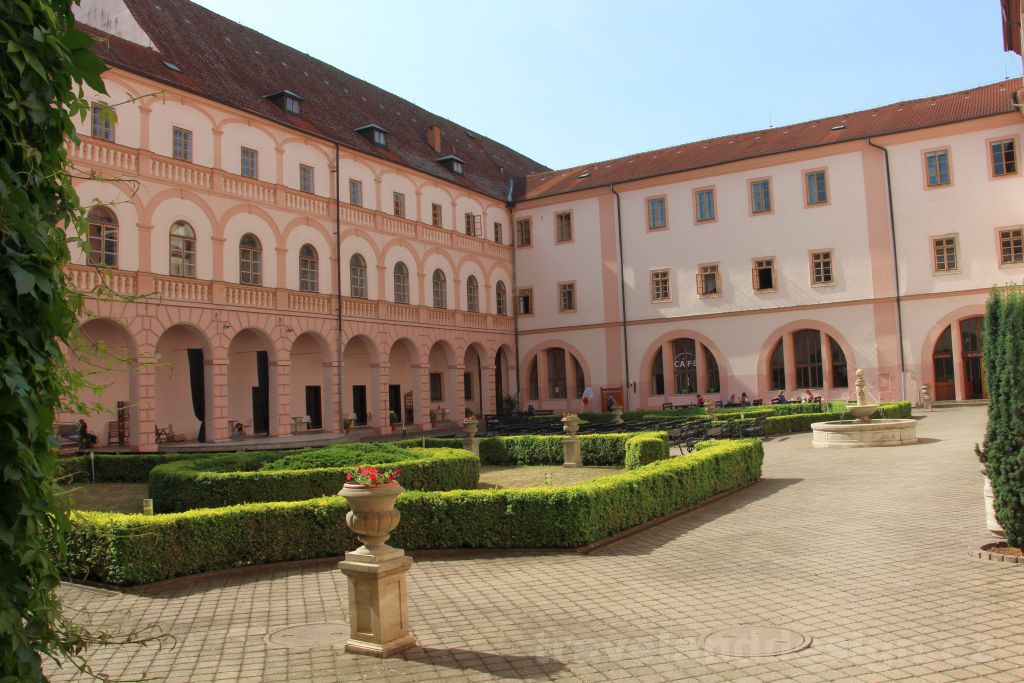
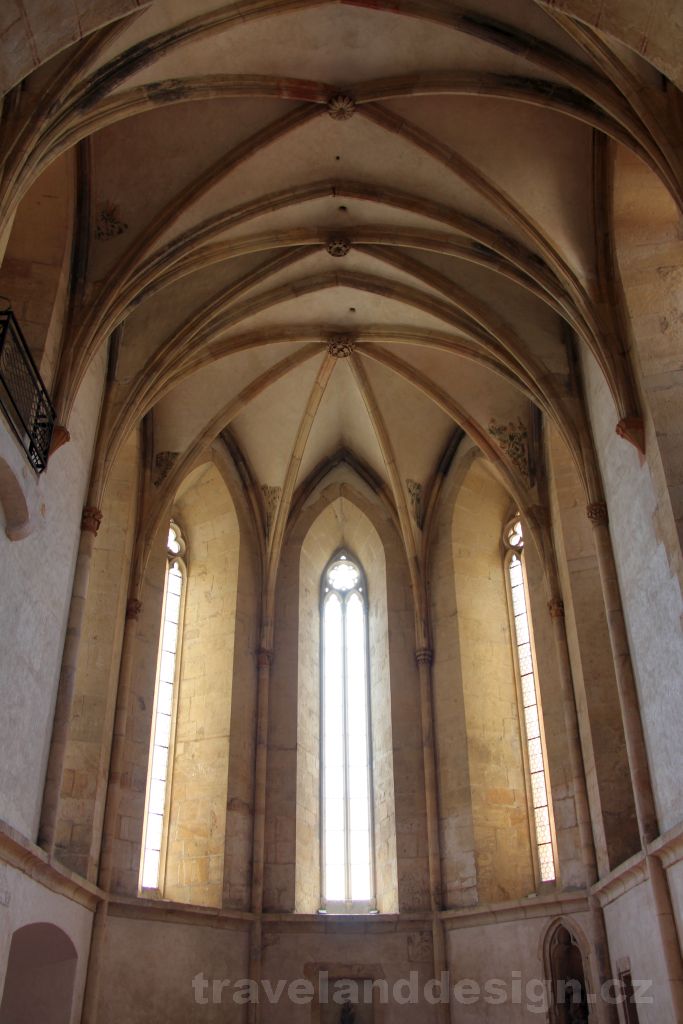
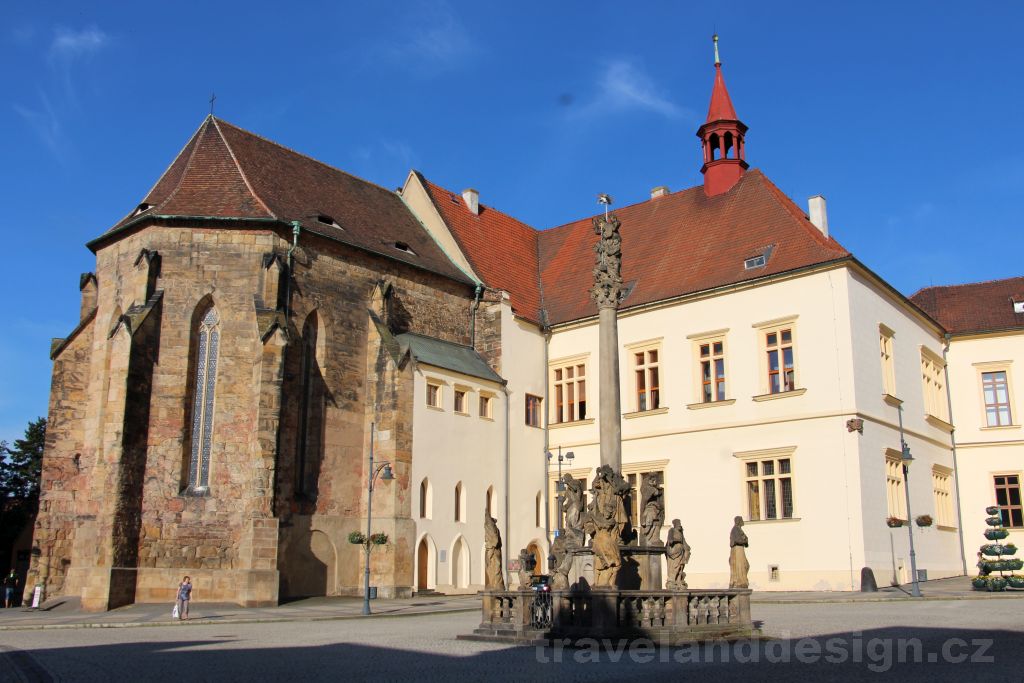
The square is dominated by the oldest building in the town, which is the former commandery of the Order of German Knights with the Gothic church of St. Catherine from 1281. The oldest parts of the commandery are part of a tour through the town museum with a number of Gothic sculptures from churches that were demolished in connection with post-war lignite mining. The Commandery was converted into a Renaissance castle under the Krabitz family and has served as the town hall since 1605.
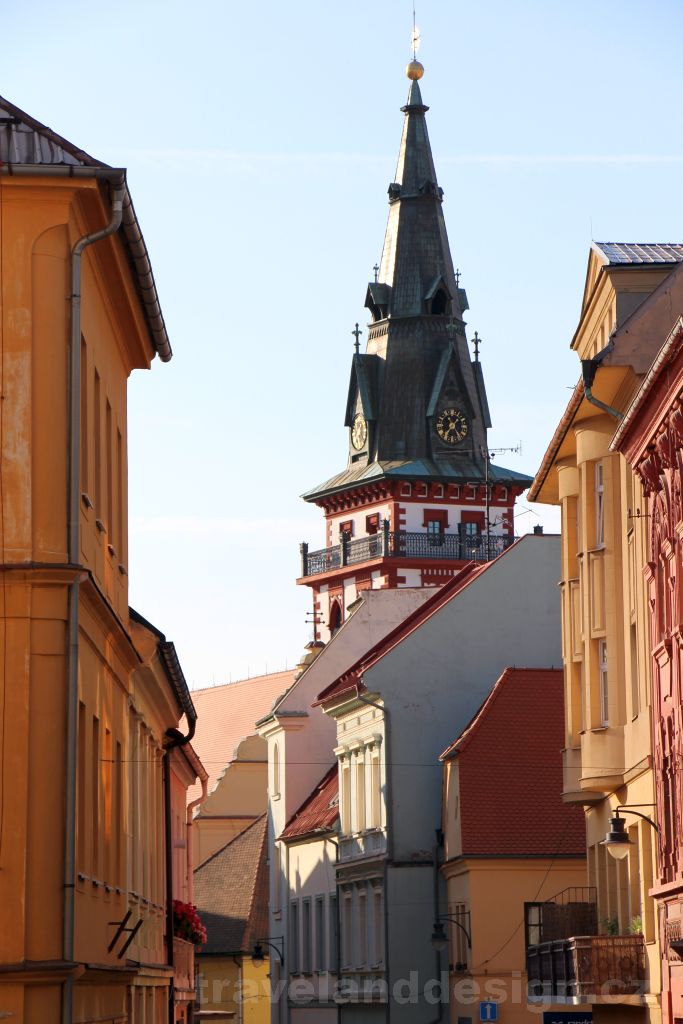
The Gothic parish church of the Assumption of the Virgin Mary with a series of ribbed vaults was uniquely rebuilt in Bohemia in the Renaissance style in the first half of the 16th century and supplemented with a 53-metre-high bell tower with a view of the town. Due to an earthquake in the 19th century, it had to be renovated in the Neo-Renaissance style.
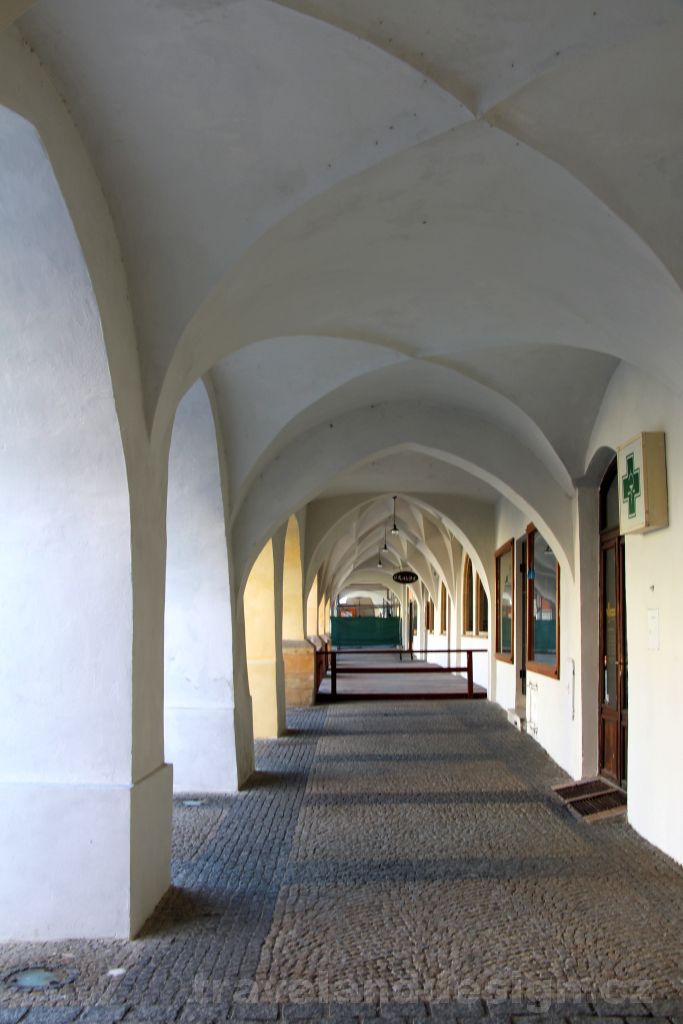
The most valuable townhouses can be found on the long northern side of the square. The best example of late Gothic in the town is the facade of the Collin-Luther House No. 9 from around 1500.
The Baroque style in Chomutov is represented by the deanery building and also by the massive Holy Trinity Column (1697) by Ambrose Laurentis right in front of the former knight´s commandery. There are a total of seven statues of saints from the first half of the 18th century.
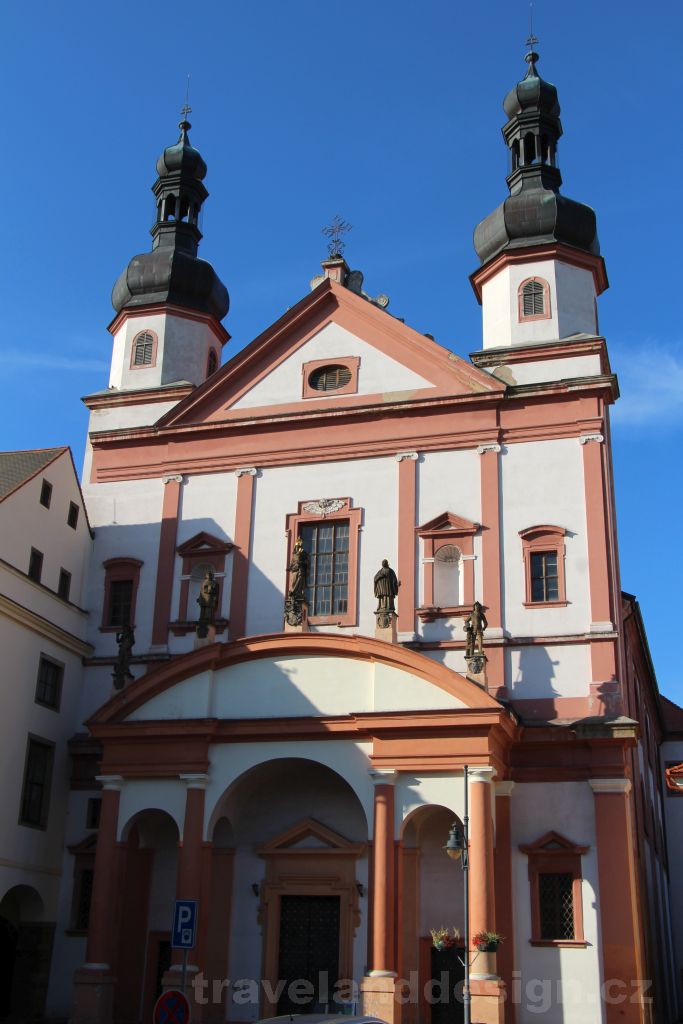
The famous Italian architect Carlo Lurago built the Jesuit church of St. Ignatius with two front towers and the so-called Spejchar between 1663-1671, where the theatre was later performed.
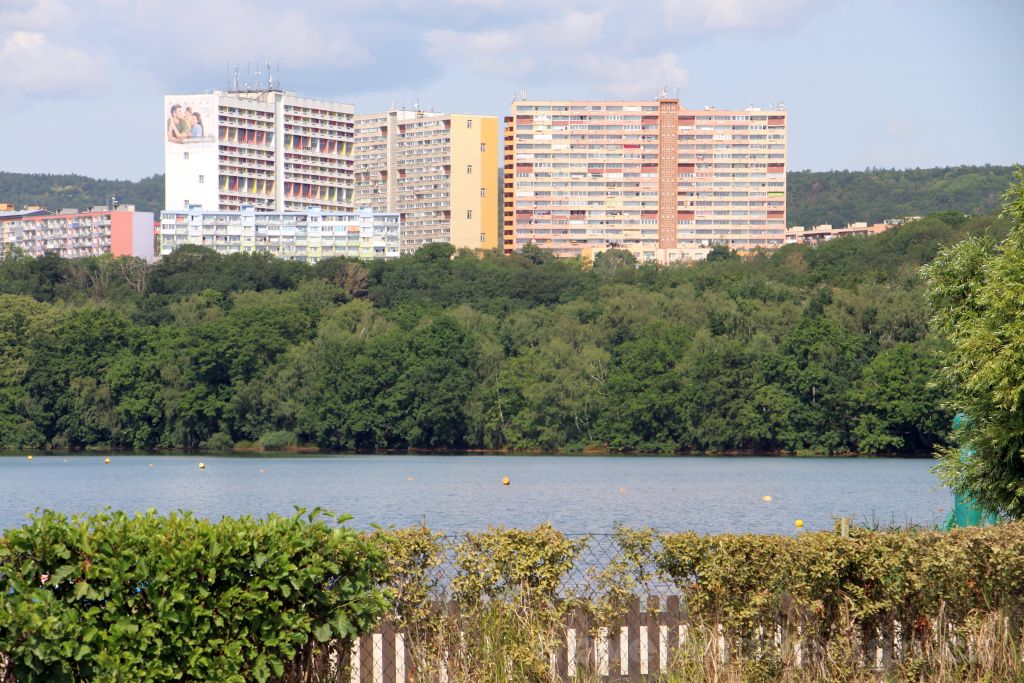
After the Second World War, a torso of brutalist architecture called Experiment was built in Chomutov between 1970 and 1980 in the form of three prefabricated residential buildings with mostly duplex apartments. The houses were designed in a fan-shaped layout by architect Rudolf Bergr, who was inspired by the French architect Le Corbusier.
Famous Chomutov natives
František Josef Gerstner, founder of the Prague Polytechnic and designer of the Budweis – Linz horse railway (*1758)
Jiří Žáček, poet, writer and translator (*1945)
Vlastimil Harapes, dancer and actor (*1946)
Jiří Hromada, actor, dubber and politician (*1958)
Zdeněk Godla, Romani actor (*1975)
Marek Hilšer, physician and politician (*1976)