Český Brod
(the royal city since 1437)
7 500 inhabitants
Central Bohemia Region, Kolín district
Historical milestones
1st half of the 12th century: the market settlement Biskupský Brod was founded by Bishop John I of Prague near the Romanesque fortress.
1268: Bishop of Prague Jan III of Dražice elevated Biskupský Brod to the status of a town and granted it the right to build walls.
1289: The market town was sacked and burned by Conrad and George of Altenburg.
1291: The restored town was renamed Český Brod.
around 1350: Archbishop of Prague Arnošt of Pardubitz had the newly elevated town surrounded by stone walls.
1421: The town was conquered by the Prague army, burned all the monks and 200 other inhabitants, and became a member of the Union of Orphan Towns on the side of the Hussites.
1437: Sigismund of Luxembourg promotes Český Brod to a royal town.
1512: The town was affected by a great fire, which negatively affected its further development.
1547: For participation in the first anti-Habsburg resistance, the town’s land property was confiscated.
1618-1648: During the Thirty Years‘ War, the town was twice conquered and plundered, deserted and almost depopulated.
1845: Český Brod was connected by rail with the Prague-Olomouc railway and its industrialisation began.
8 May 1945: In the Gymnasium in Český Brod, German General Reumann signed the surrender of the Nazi armies of the Centre Group.
1990: The historic centre of the town became a city conservation area.
Interesting facts about the city
The river Šembera flows through the town, from whose ford on the Trstenice Trail the name of the town was derived.
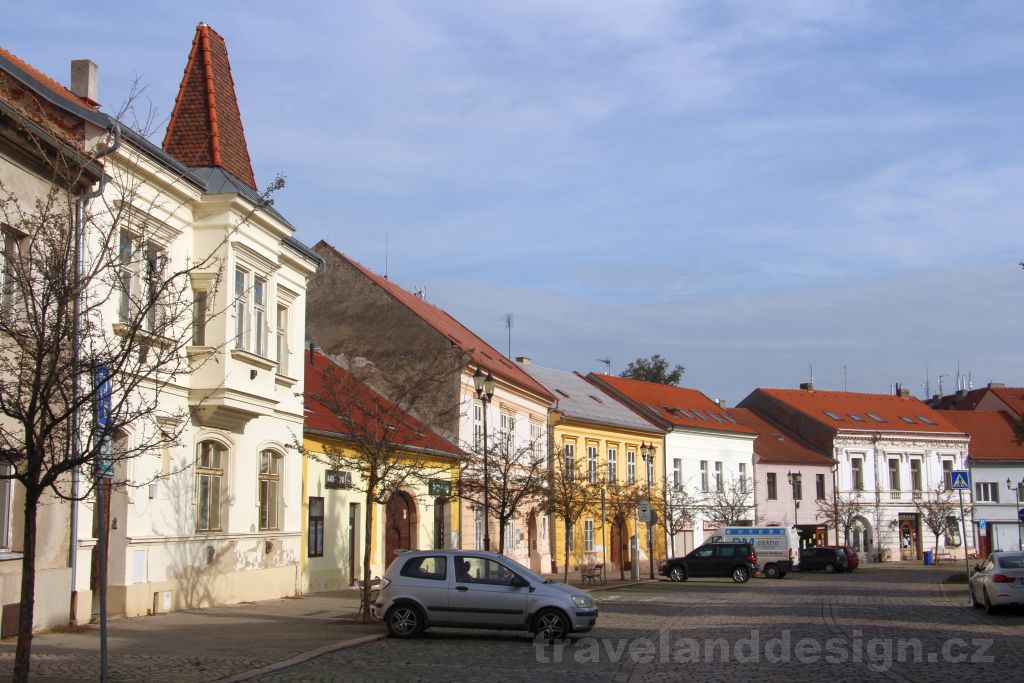
The historic core of the town has a well-preserved chessboard layout with a central square, which is overlooked by the preserved Meat Shops.
Český Brod is said to have the oldest town hall in Bohemia (before 1402), from which you can enter the Gothic underground and the preserved town cloakroom.
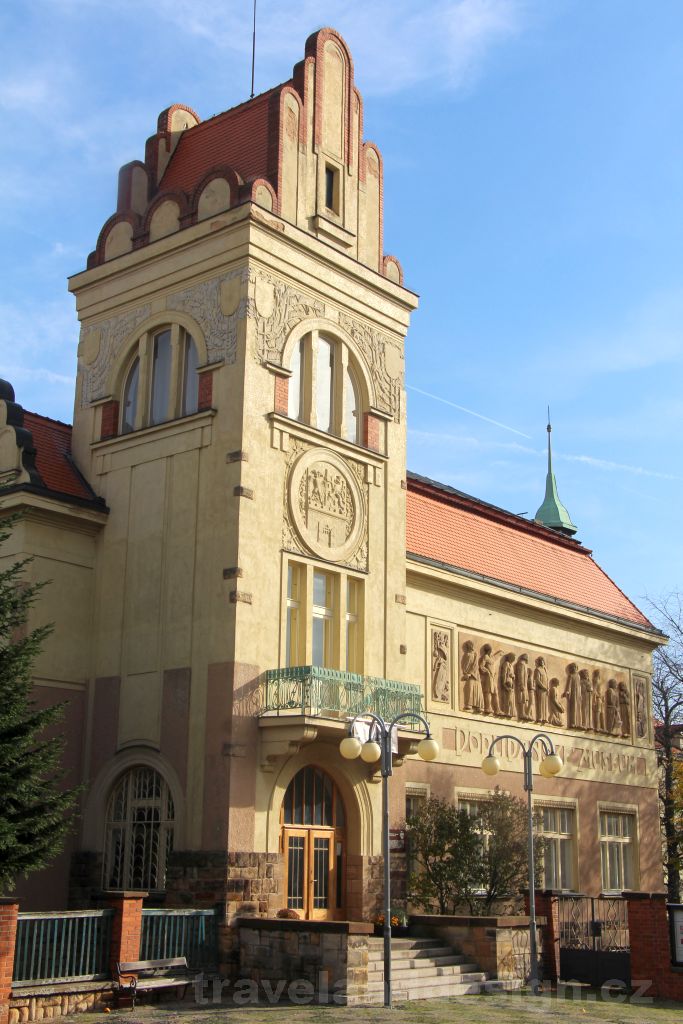
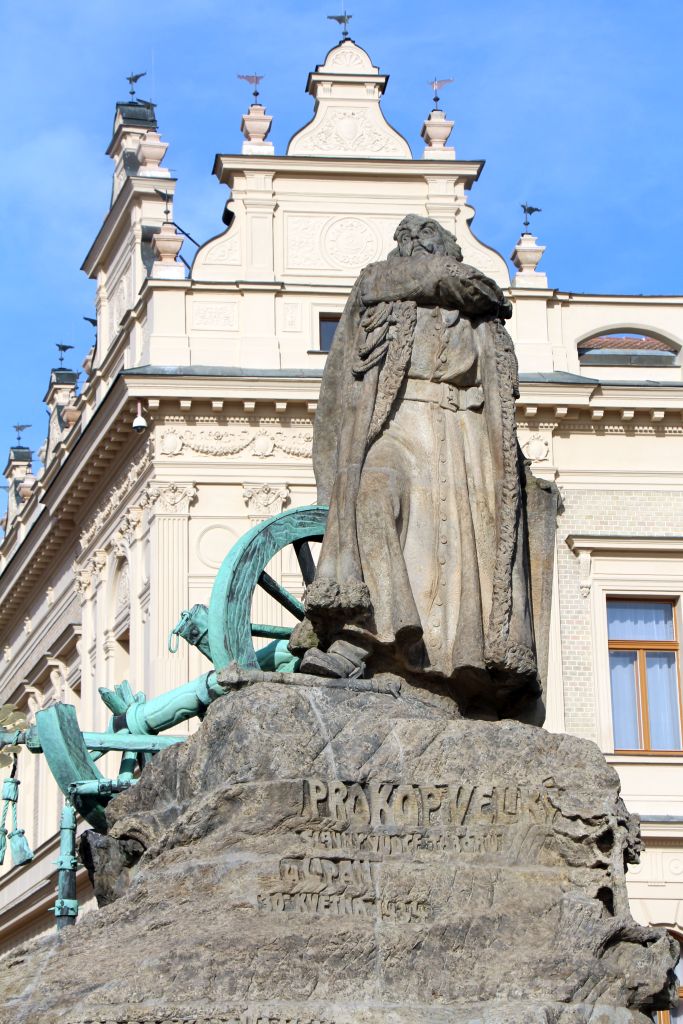
The glorious Hussite past of the town is evidenced by the permanent exhibition of Hussitism in the Podlipanske Museum, including the infamous Battle of Lipany (1434), which took place not far from the town, and the personality of the Hussite leader Prokop Holý. The author of the representative Art Nouveau building was architect and local native Antonín Balšánek. The monumental Art Nouveau memorial to Prokop Holý, the last Hussite leader, was unveiled here in 1910. Its author was Karel Opatrný. Master Jan Hus has a monument in the town by Ladislav Šaloun from 1920. It consists of a central granite boulder and seven smaller stones with the names of famous Hussites, including Prokop Holý and Jan Žižka.
The biggest tourist magnets
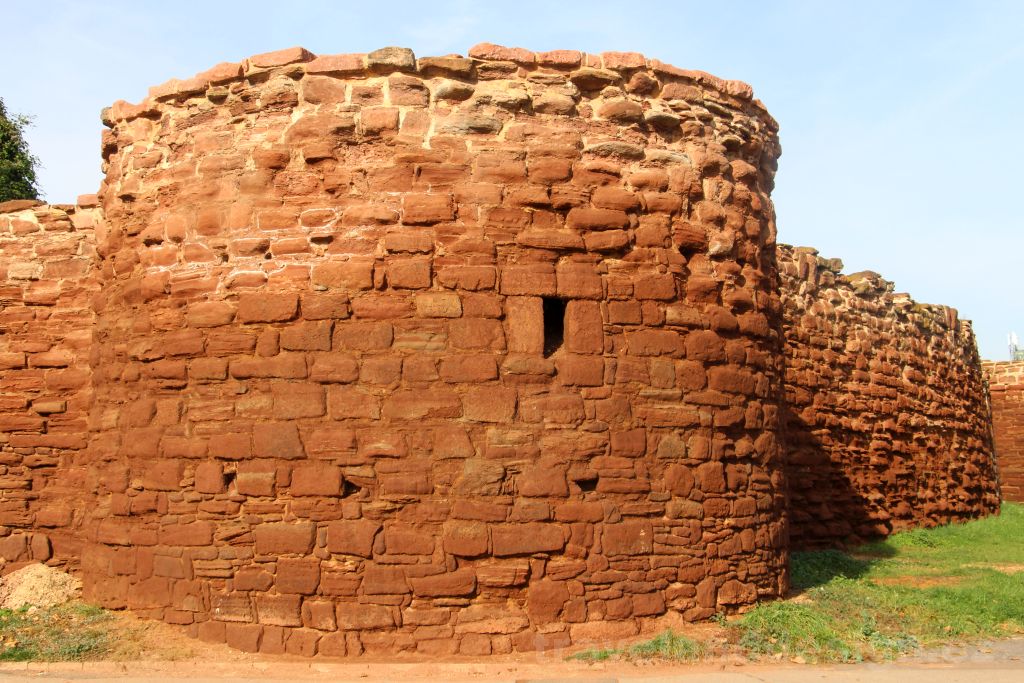
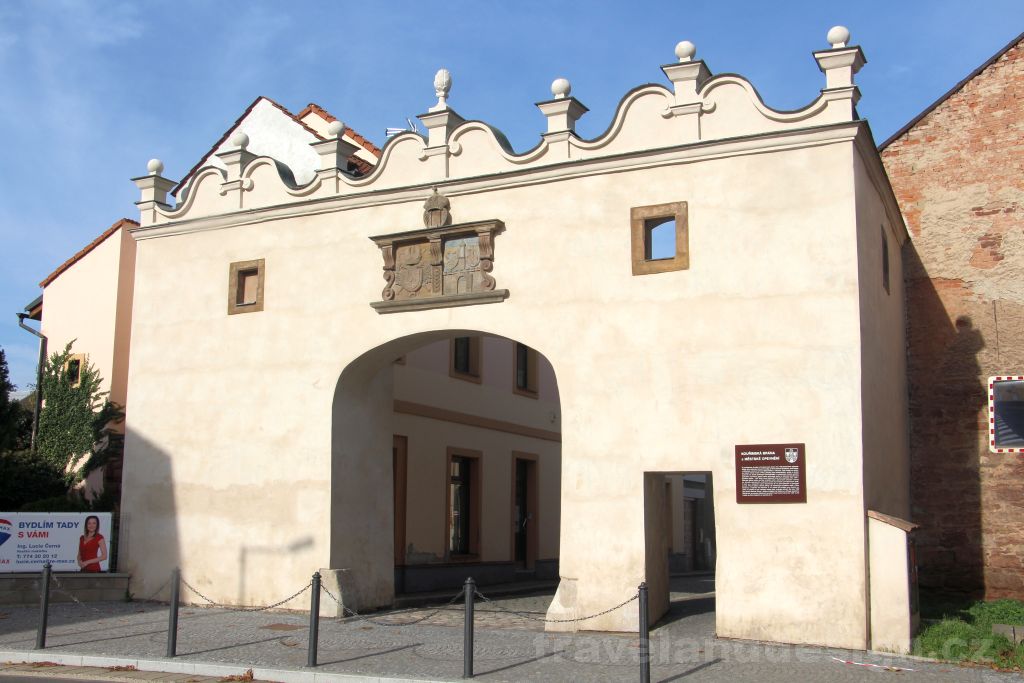
Of the original three gates to the town, not a single one has survived, as they were demolished in the 19th century, but at least the Renaissance front part of Kouřim Gate and part of the reddish stone fortification have been preserved.
The main square is divided by the originally Renaissance Meat Shops, which are permeated by a narrow alley with a Renaissance entrance gate. Meat was once sold here. The building was amended in Baroque style in the second half of the 18th century.
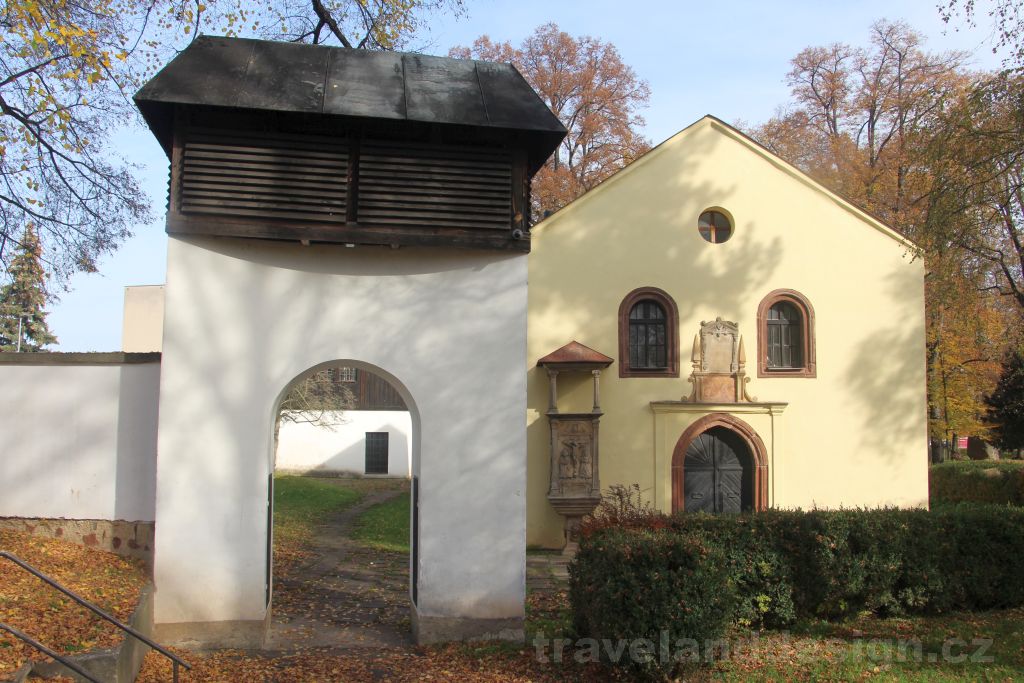
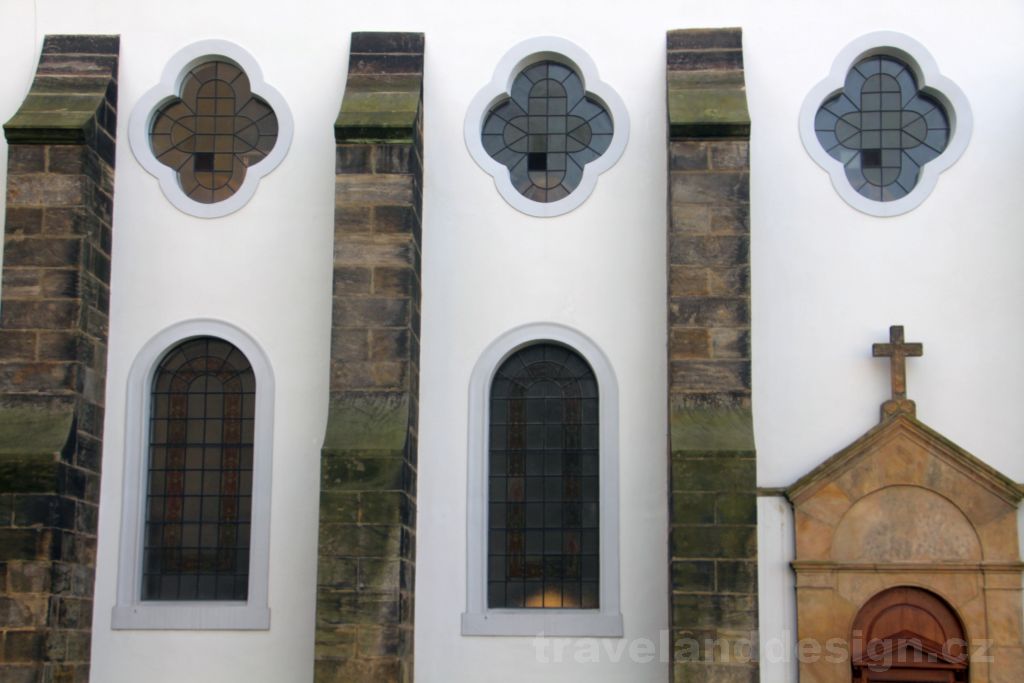
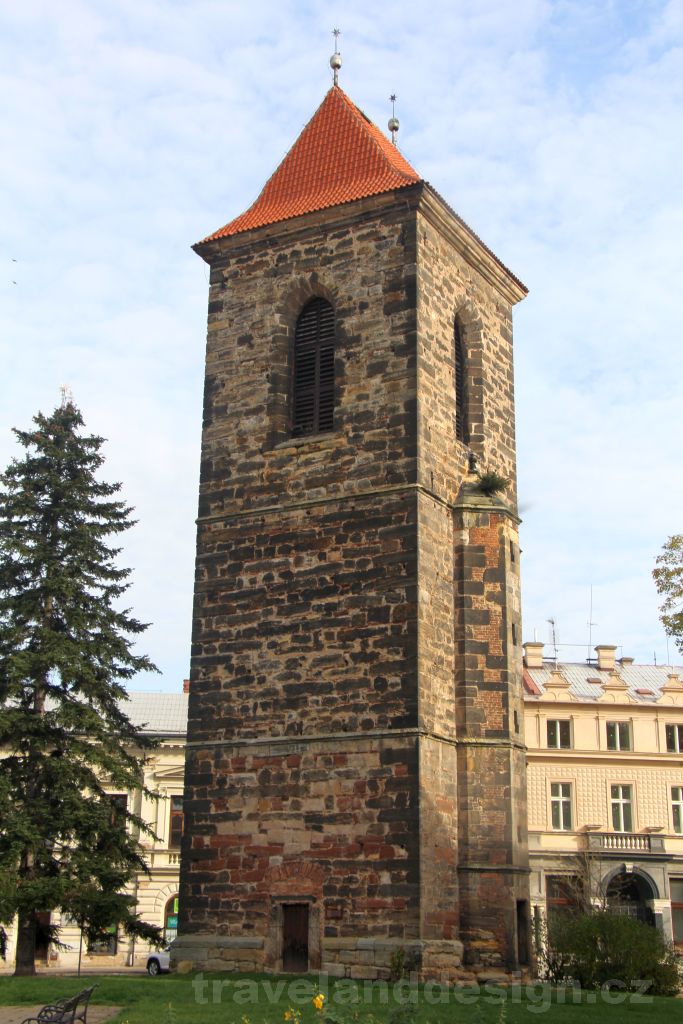
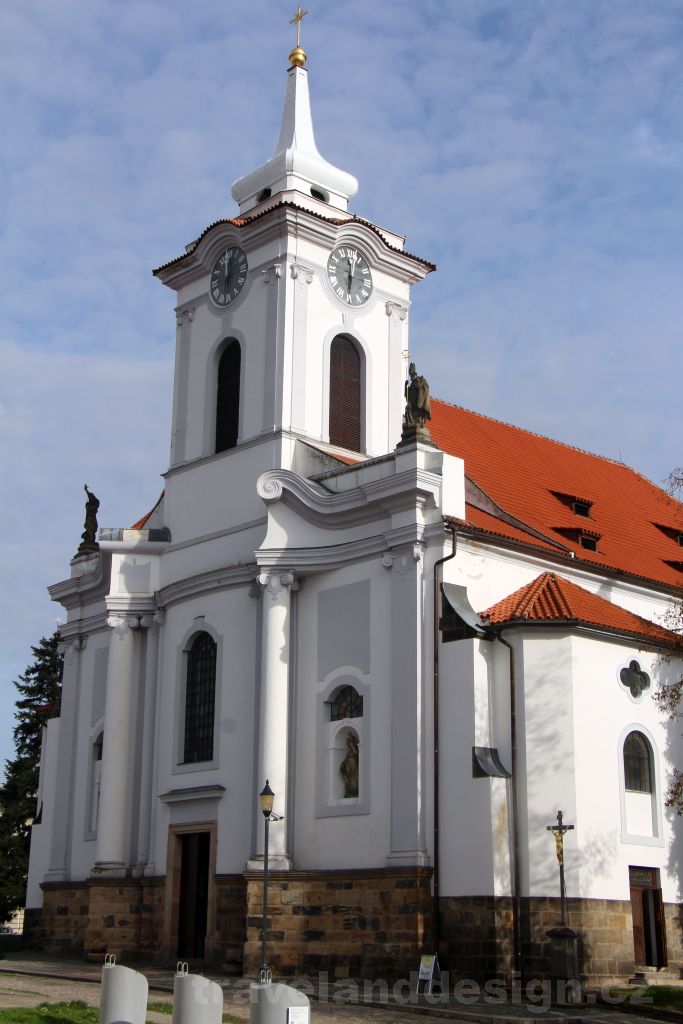
The dominant feature of the town is the Gothic church of St. Gotthard from the 13th century, whose Romanesque predecessor stood here already around 1130. The basilica did not escape the Baroque modifications of 1765-72. In its neighbourhood stands a lonely Renaissance bell tower from 1575-85 with the bell named Mary from 1689.
Another interesting building is the Neo-Renaissance Sokolovna by architect Jan Koula from 1884 and the Neo-Renaissance New Town Hall, a former civic credit union from 1897-8 by architect Antonín Turek.
Famous Český brod natives
Antonín Balšánek, architect (*1865)
Radovan Lukavský, actor (*1919)
Yvetta Simonova, singer (*1928)
František Mrázek, businessman and underworld boss (*1958)