Březové Hory
(the royal mining town since 1896)
1,320 inhabitants
Central Bohemian Region, Příbram District
Historical milestones
1525: John of Vitence granted permission to establish the free mining settlement of Březové Hory.
1559: Emperor Rudolf II granted the municipality of Březové Hory self-government under the authority of the Příbram magistrate.
1620: The town was first plundered by the estates‘ army and then by the imperial army.
1631: The town was then invaded by the Saxon army and most of it burned down.
1639: Březové Hory was ravaged by Swedish troops.
1797: The mining authority’s jurisdiction over Březové Hory was abolished.
1880: Březové Hory was removed from the Příbram cadastre.
1896: Březové Hory was granted the status of a royal mining town by Emperor Franz Joseph I.
1953: Permanent annexation of Březové Hory to Příbram.
1978: End of silver mining in the Březové Hory cadastral area and the beginning of the construction of one of the largest mining open-air museums in Europe.
Interesting facts about the town
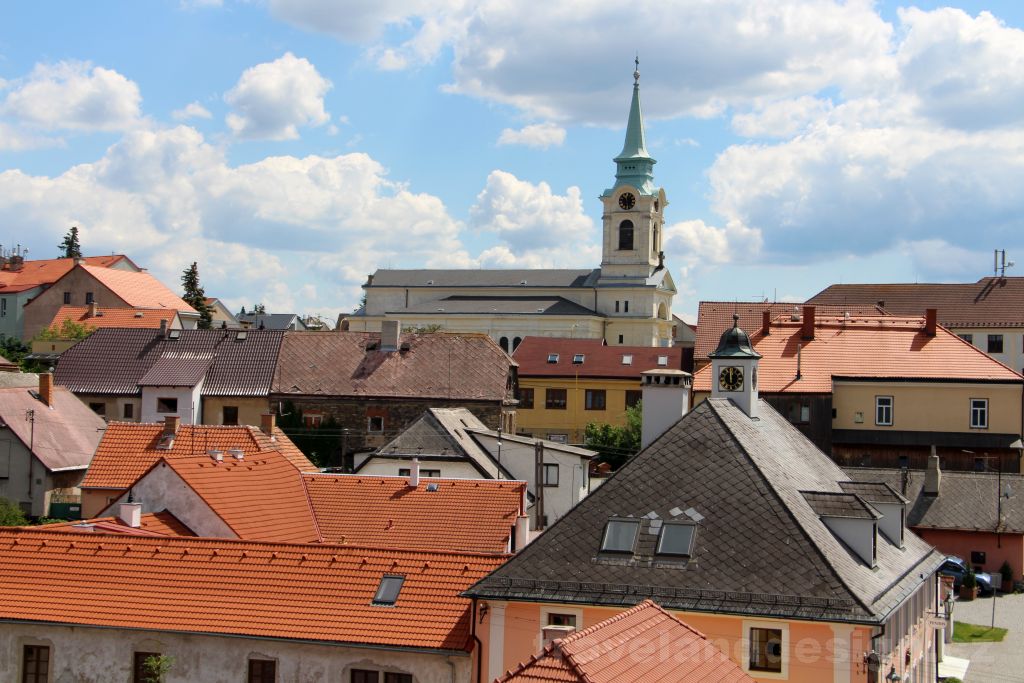
Today, Březové Hory is no longer an independent town, but forms the western part of another royal mining city – Příbram. The history of this mining town is largely a reflection of its tense and problematic relationship with its larger and more important neighbour. Ever since the town was founded in the 16th century, its history has been marked by a tug-of-war between the local government and the mining authority on the one hand, and the Příbram magistrate on the other. The mining authority was of the opinion that Březové Hory had its own local government and was governed by its own laws, which ultimately prevailed. For many centuries, Březové Hory enjoyed a fragile stability in its relations with its more powerful neighbour. It was not until 1797 that the mining authority’s power over Březové Hory was abolished, despite strong local protests. At that time, the town fell under the authority of the Příbram Town Hall for more than 80 years. In 1880, however, it finally regained its independence in all respects and immediately achieved the status of a royal mining town. At that time, practically all the mines were located in Březové Hory, and not in Příbram. However, it is true that the fateful connection between Březové Hory and neighbouring Příbram was renewed in 1953, partly due to the considerable geographical proximity of the two areas. Březové Hory thus became a permanent part of Příbram that year.
From the beginning of its existence, silver was the main metal mined in Březové Hory. The mining of this precious metal reached its peak at the turn of the 18th and 19th centuries, when the five underground mines in the area accounted for 97 % of silver production in what was then Austria. First, the Vojtěch mine was established here in 1779, followed ten years later by the Anna mine and, in 1813, the Ševčinský mine on the site of an older 16th-century mine. This was followed in 1822 by the opening of the Marie mine and, five years later, the Prokop mine. The five mines were secured by another mine, Drkolnov, which, however, was only used to pump out mine water. Silver mining in the deepest mines of the Empire and later Czechoslovakia continued until the end of the 1970s, when it was terminated due to unprofitability and the miners were replaced by museum curators. It was the local mines that became famous for the greatest mining depth ever achieved, an incredible 1,600 metres!
The biggest tourist magnets
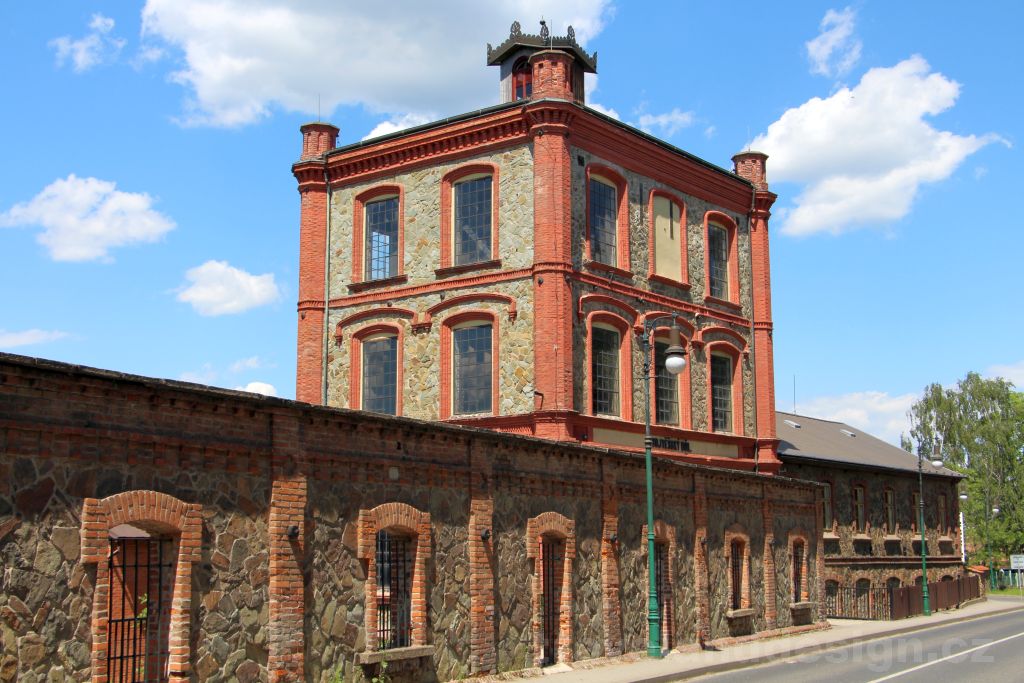
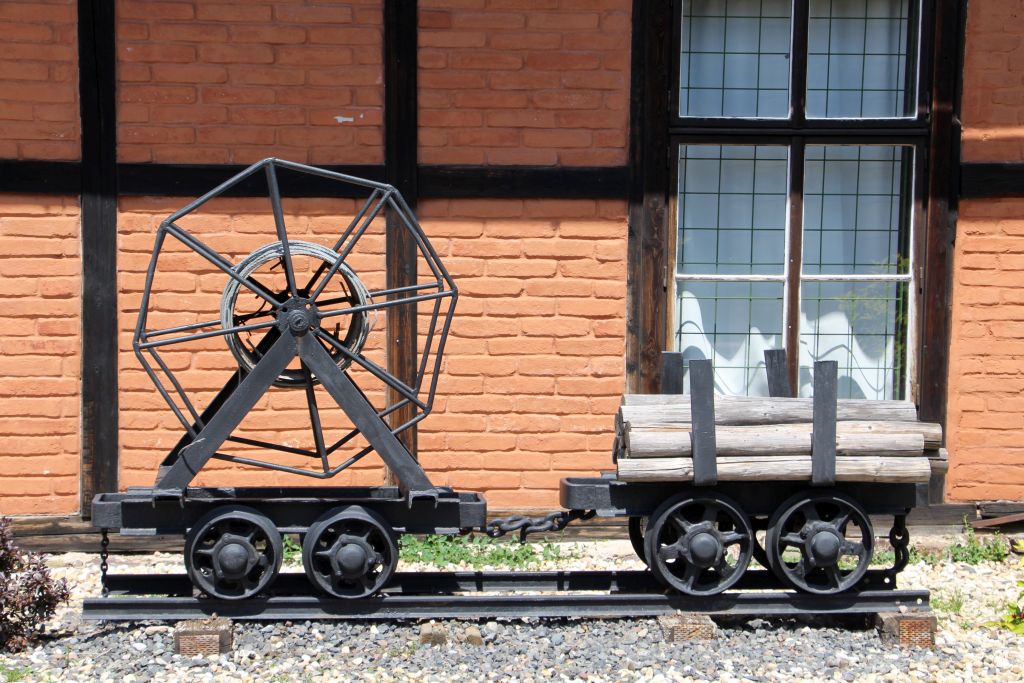
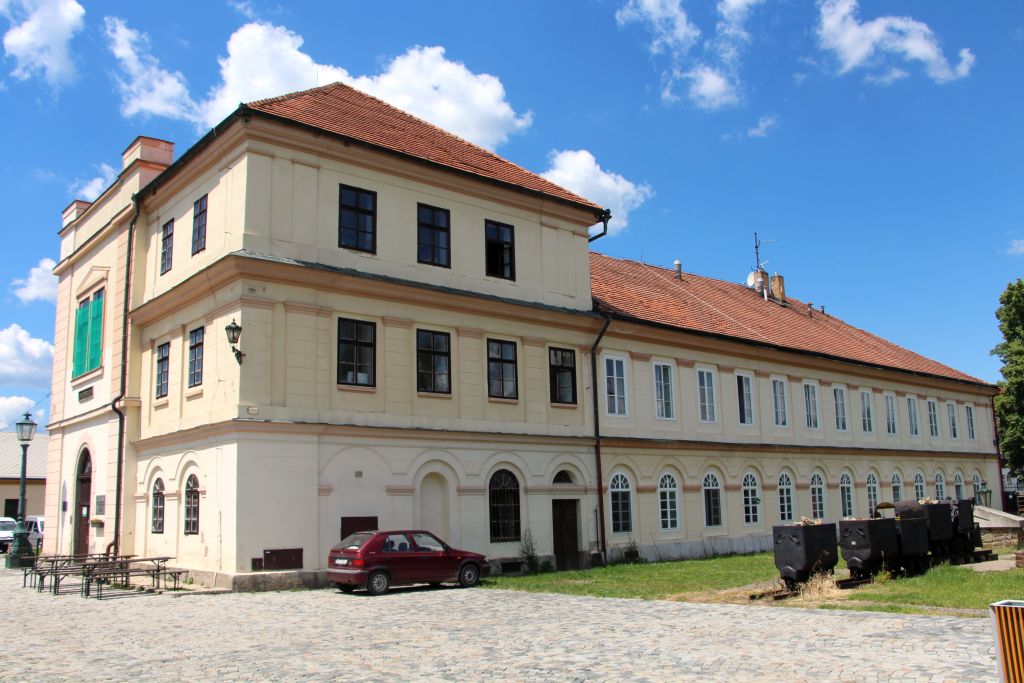
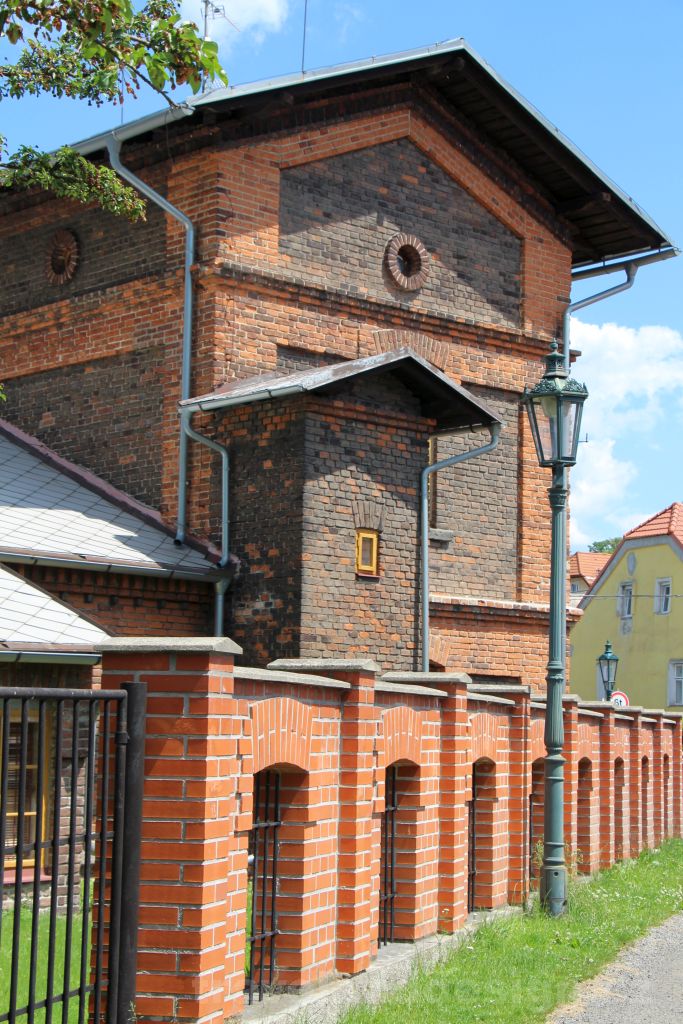
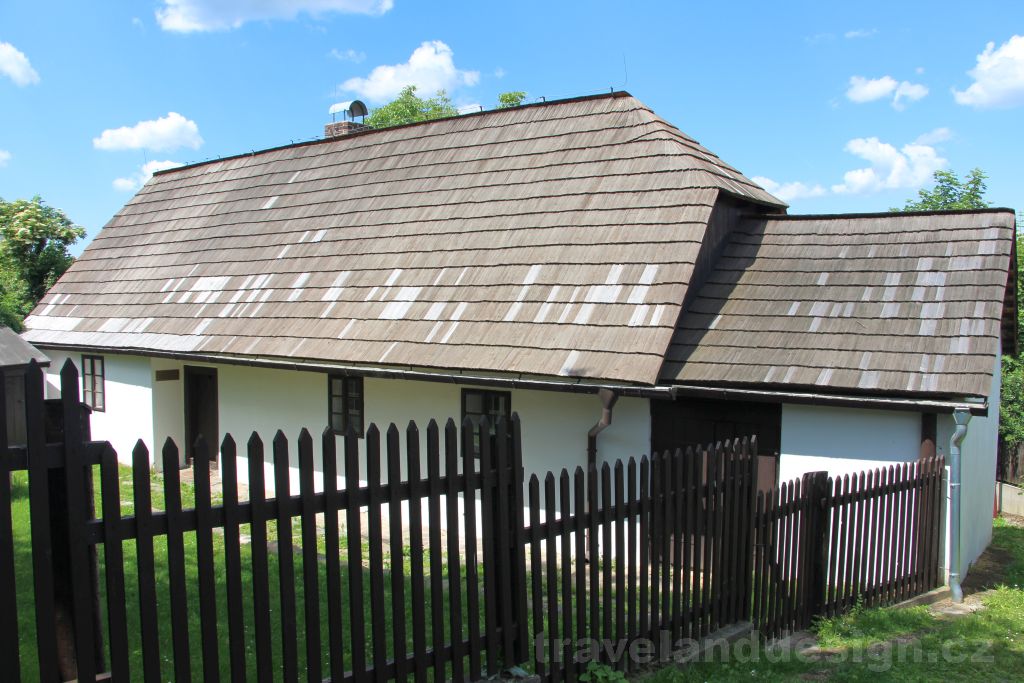
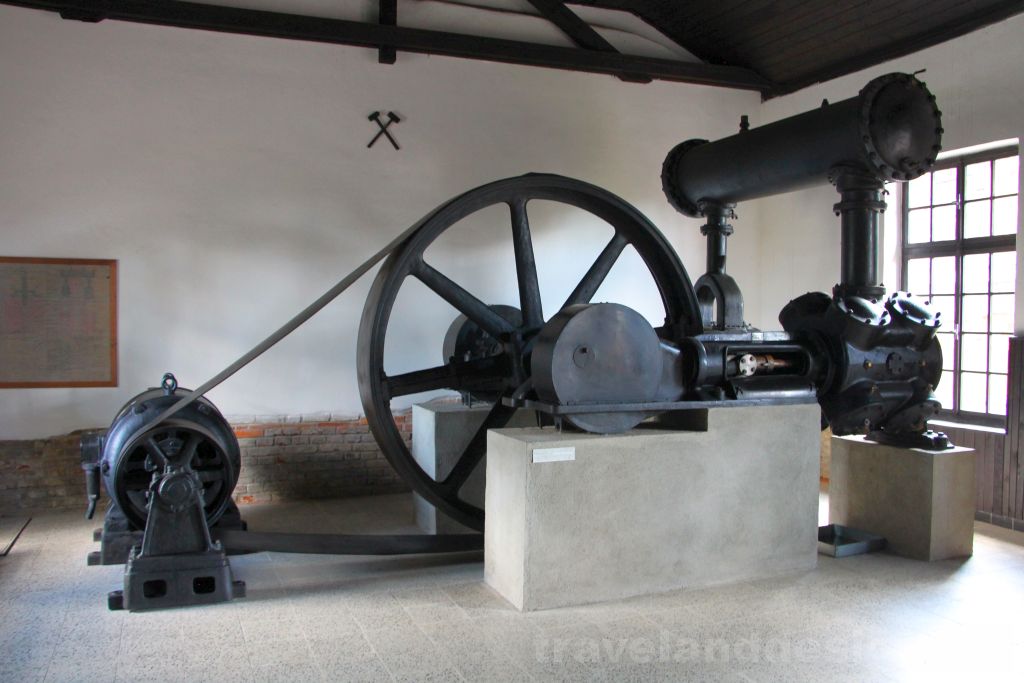
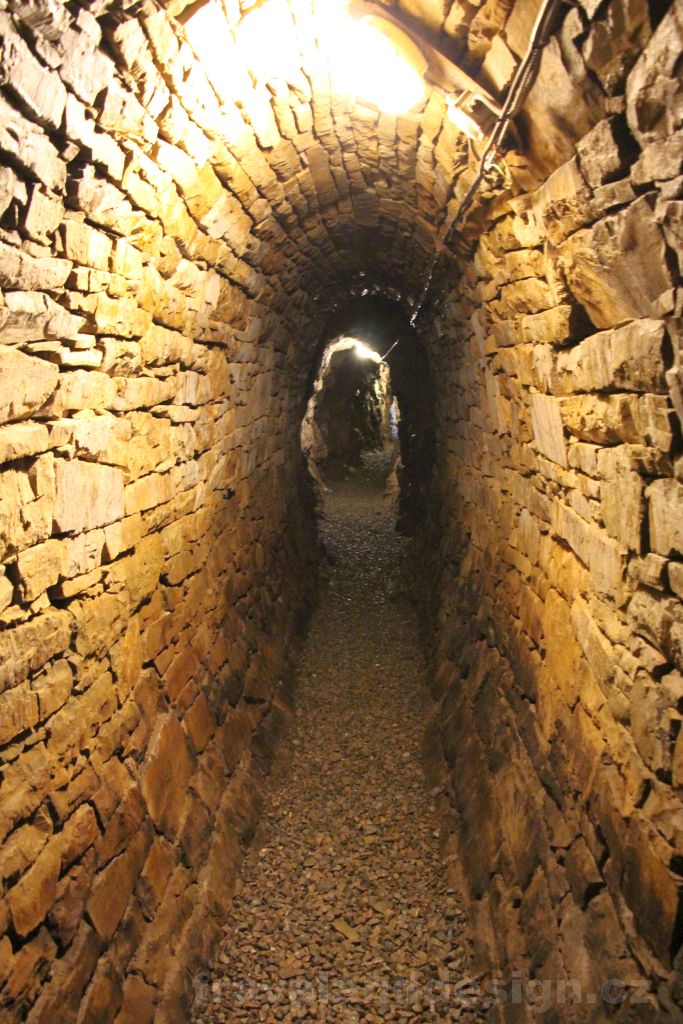
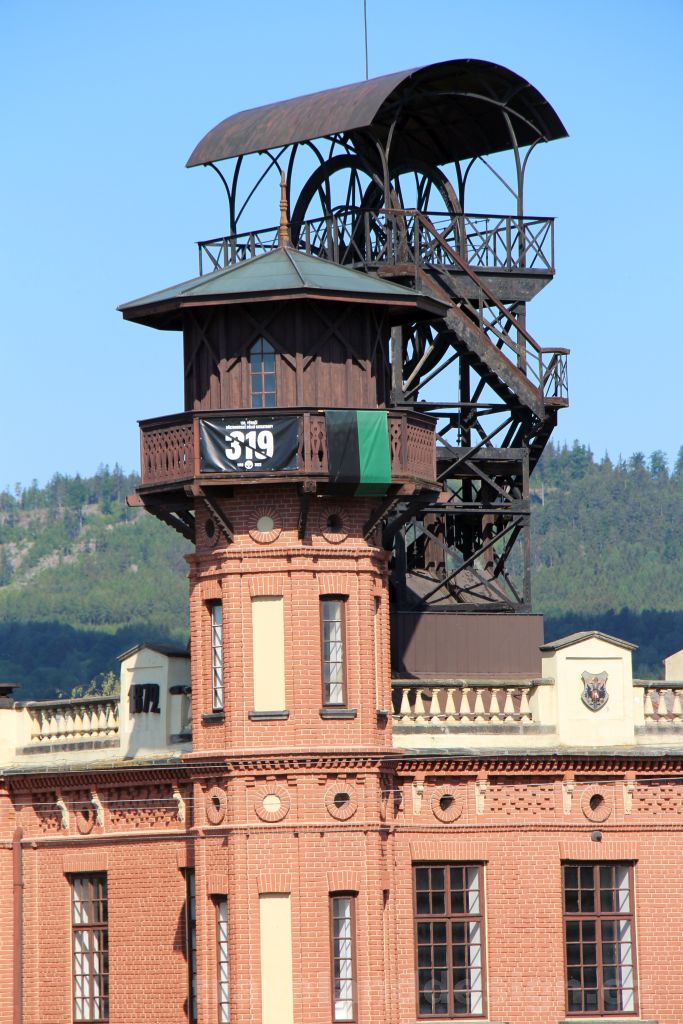
The most important sights in the former Březové Hory area mainly include a collection of technical monuments in the form of mining works, which are concentrated in the Příbram Mining Museum, one of the largest institutions of its kind in Europe. Today, you can take a ride on an above-ground mining train at the Ševčinský Mine or ride down a 51-metre-long mining slide. Of the five mining works, the Ševčinský Mine and the Vojtěch and Anna Mines are partially accessible. The latter two mines still have their original steam mining machines from 1889 and 1914, respectively. The Drkolnov mine has a completely unique 19th-century water pump wheel, which has an impressive diameter of 12.4 metres. In a preserved 17th-century miner’s cottage, visitors can see the largest piece of silver ever mined in Europe, as well as an exhibition of typical miner’s family life at the beginning of the 20th century. Visitors can also take a ride on an underground mining train, which will take them through the Prokopská adit to the deepest silver mining sites.
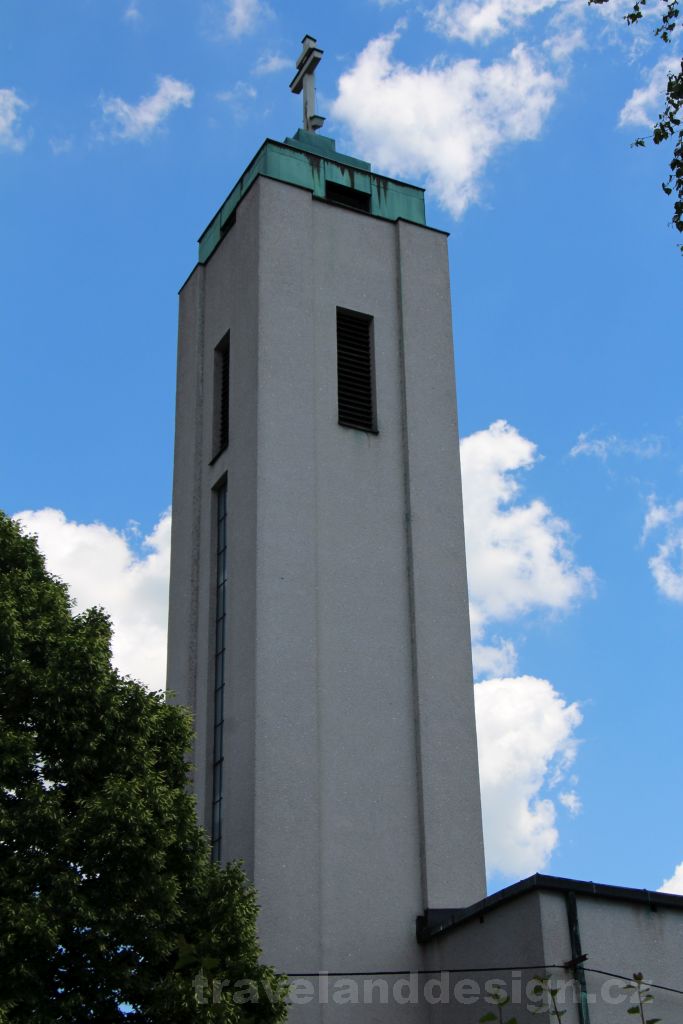
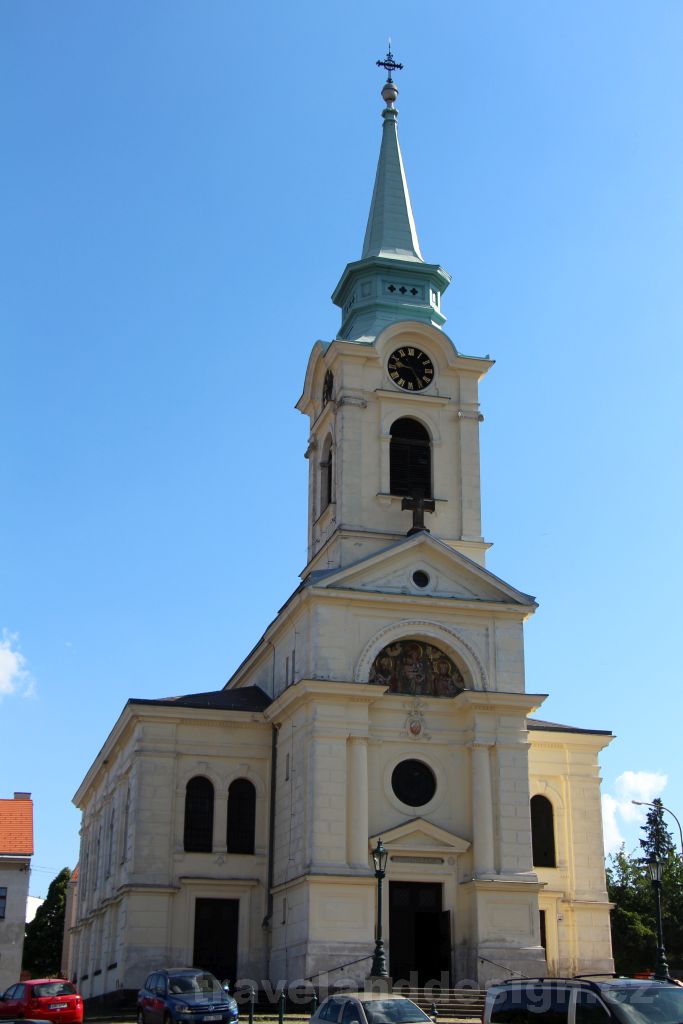
Among the historical monuments, both local churches are also interesting – the massive Church of St. Adalbert from 1886 to 1889, which was built on J. A. Alis Square in the neo-renaissance style at the time of the independence of Březové Hory from neighbouring Příbram, and the Church of St. Prokop. The latter is more closely linked to the history of the former mining settlement, as the bell tower of St. Prokop stood on this site as early as the 16th century, replaced in 1733 by the construction of the Chapel of St. Prokop. The present-day sanctuary, with elements of the neo-romanesque and neo-gothic styles, was built together with the cemetery in 1901 and today belongs to the Orthodox Church.
Famous Březové Hory natives
Hermína Týrlová, director and animator (*1900)
Antonín Jedlička, actor (*1923)
The famous who stayed in the town:
Karel Effa, actor