Beroun
(the royal city since 1295)
21 500 inhabitants
Central Bohemia Region, district Beroun
Historical milestones
1265: King Přemysl Otakar II promoted the settlement of Bern on the right bank of the Berounka River near the ford to a market village.
1295: King Wenceslas II built a new royal town with massive Gothic fortifications on its site.
1421: Beroun was conquered by the Hussites led by Jan Žižka, who had 37 Dominicans burnt to death after capturing the town.
1680: A devastating plague epidemic sweeps through the town, to which 341 inhabitants succumb.
18th century: Iron ore and limestone began to be mined around the town.
1862: Beroun was connected to the railway corridor from Prague to Pilsen.
1872: The most devastating flood in its history hits the city, submerging three-quarters of it.
1992: The city centre was declared a conservation area.
Interesting facts about the city
Beroun is situated in the protected landscape area of the Bohemian Karst with a number of caves, at the confluence of the Berounka and Litávka rivers. On the other side of the river is another protected landscape area – Křivoklátsko.
Its name was derived from the German name for a bear. It was called Bern in German and Verona in Italian, so it could be confused with much larger foreign cities. The city also has a bear in its coat of arms.
In the entrance corridor of the town hall there is a representation of Klepáček, a leprechaun who used to knock on the wall and punish dishonest officials and merchants.
The town is famous for its annual pottery fairs and the Talich’s Beroun festival.
The longest motorway bridge in Bohemia is located on the D5 motorway from Prague to Pilsen, with a length of 721 metres.
The series Man at the Town Hall was filmed in Beroun.
The biggest tourist magnets
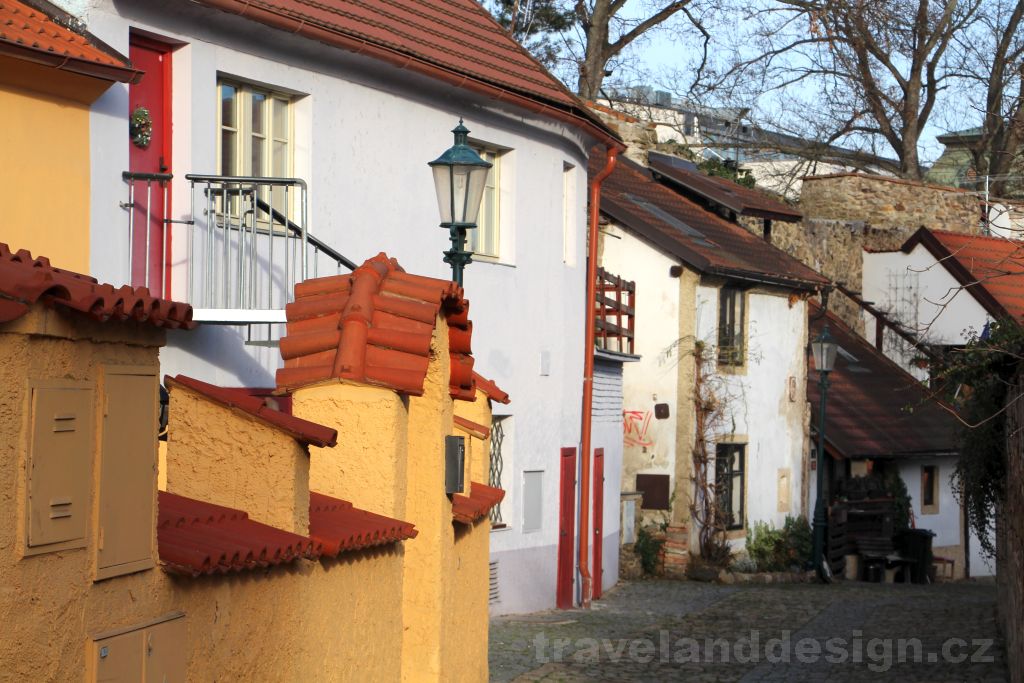
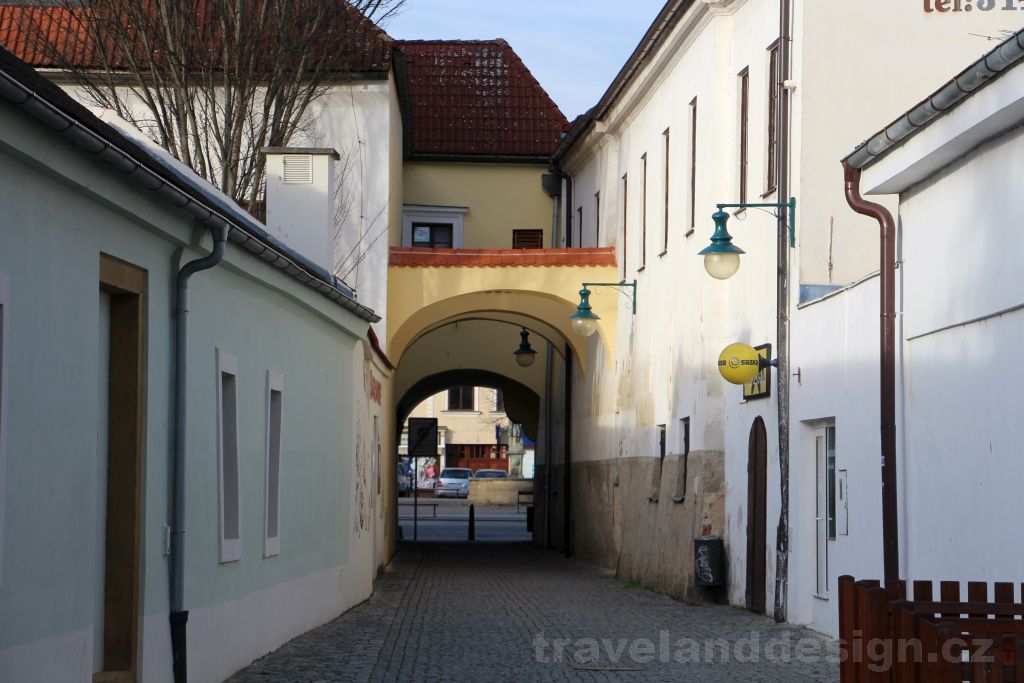
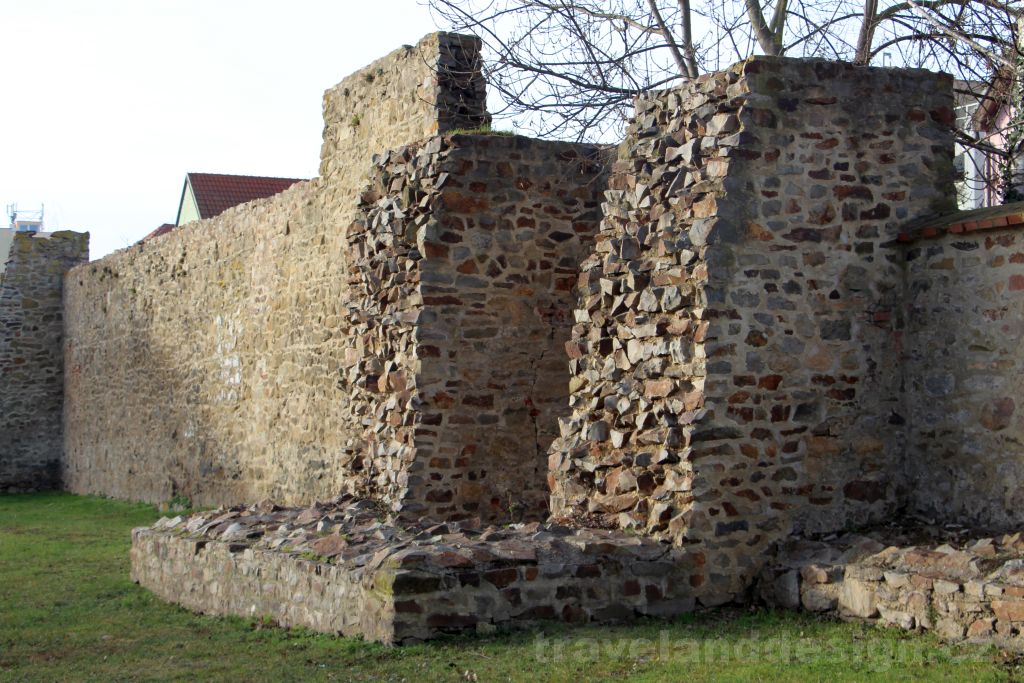
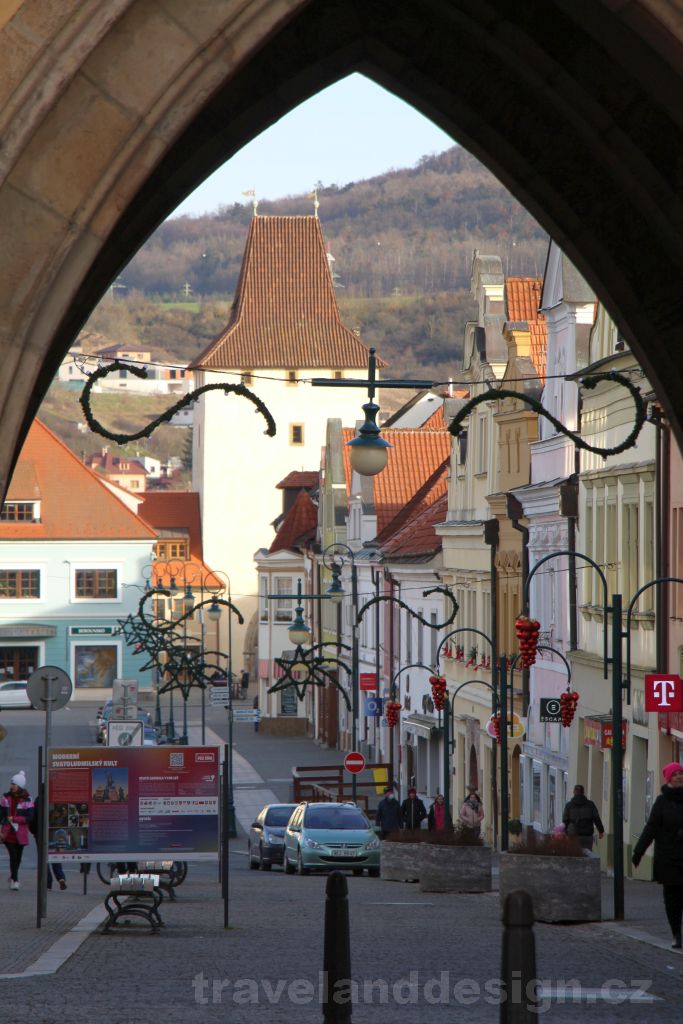
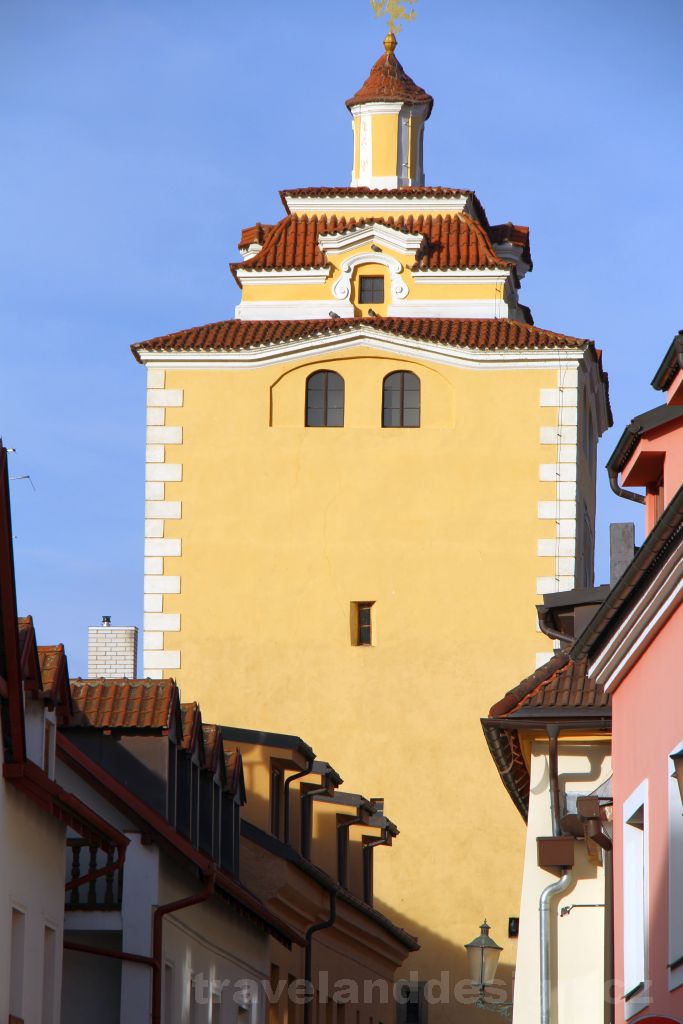
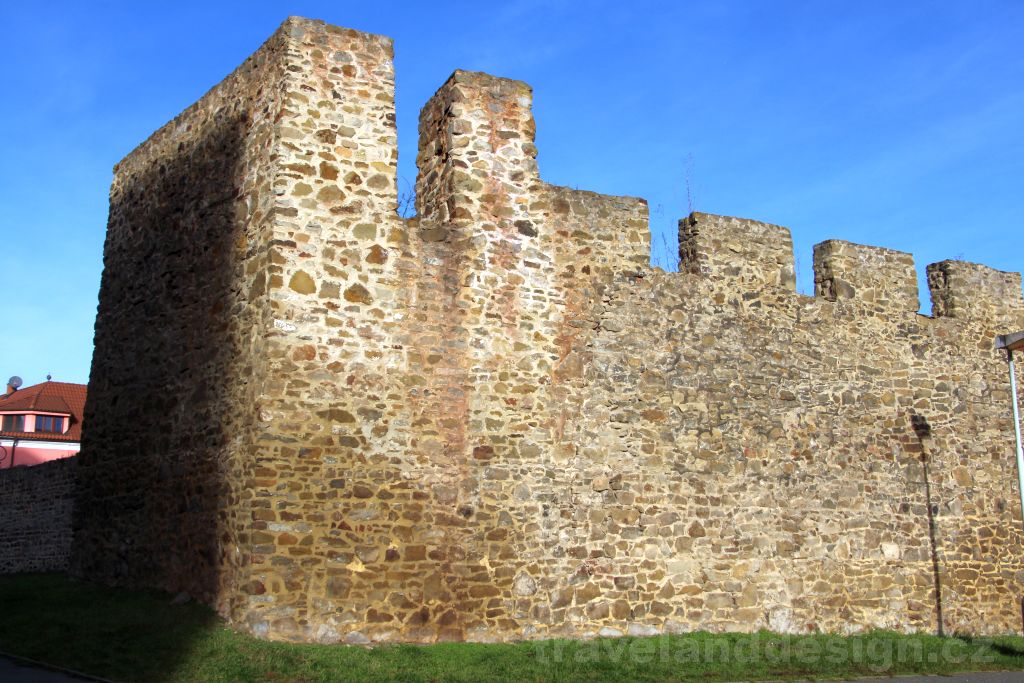
The historic centre of the town is entered through two preserved Gothic gates. The Upper Gate, known as the Pilsen Gate, and the Lower Gate, known as the Prague Gate, were built between 1300 and 1320, along with a massive double-walled fortification with 37 prismatic bastions of the inner wall and four cylindrical towers of the outer wall. Of the total length of 1,200 metres, a massive strip on the west side has survived.
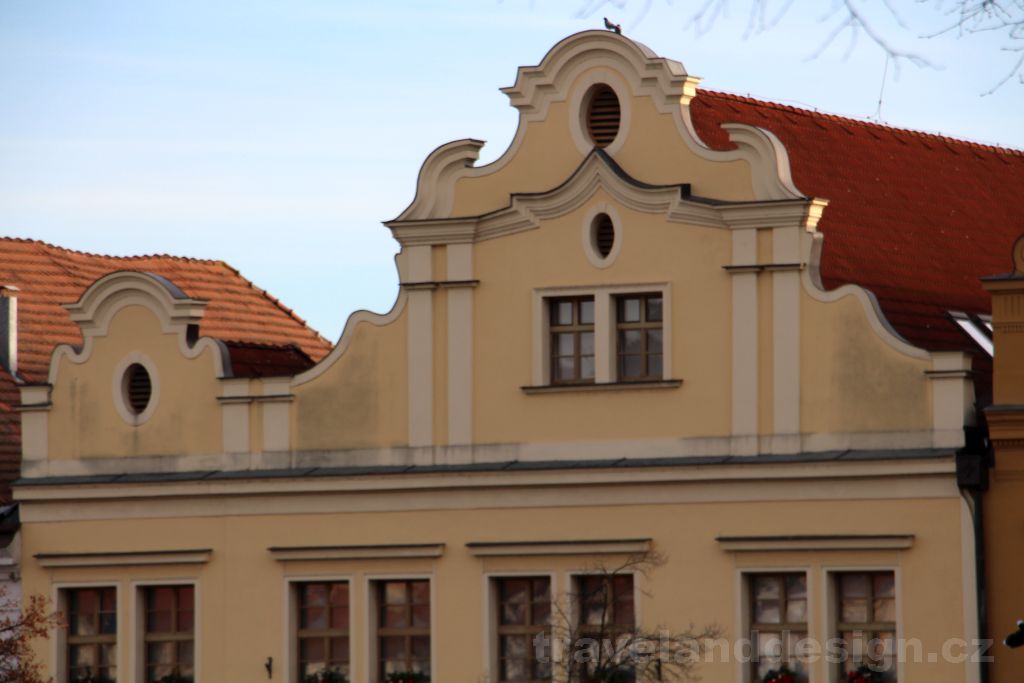
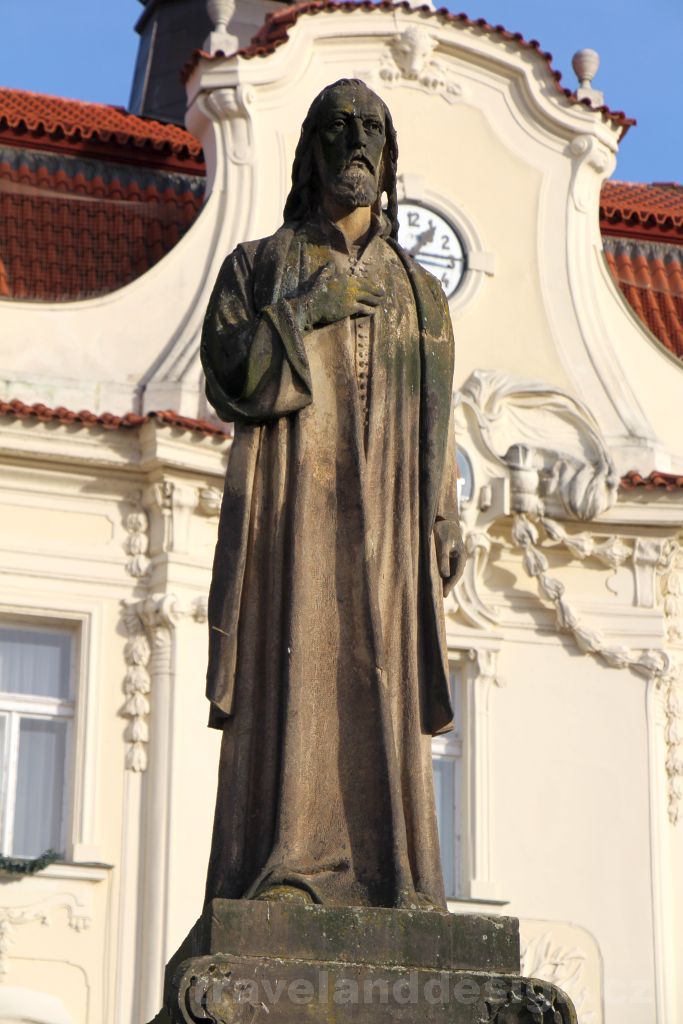
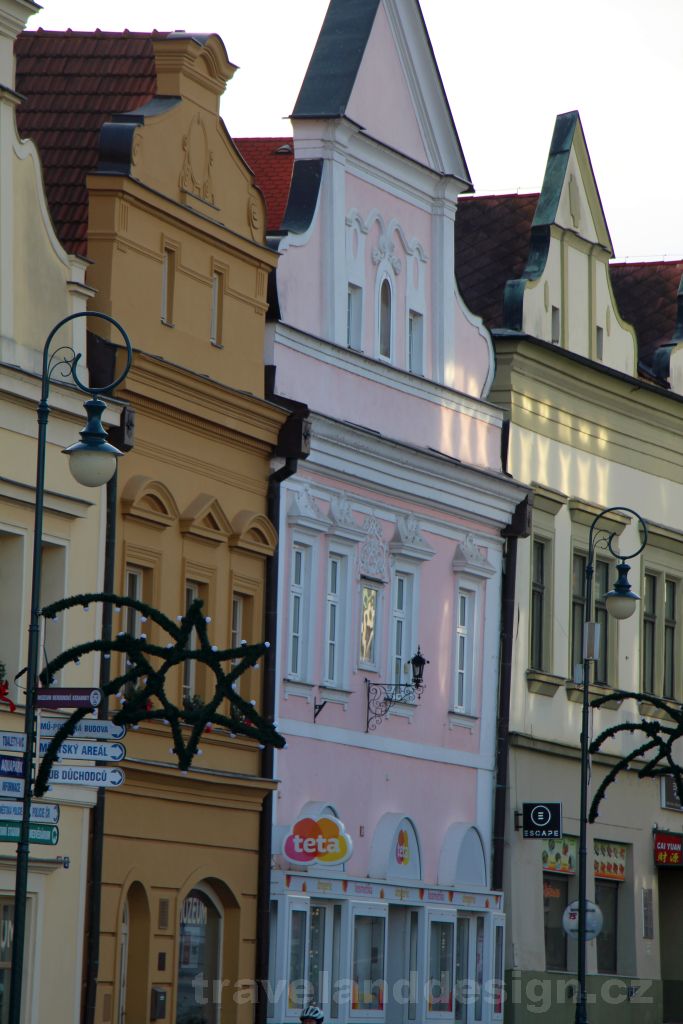
The most interesting buildings stand on the main Hus Square. In addition to a number of Renaissance and Baroque houses, there is also a neo-Baroque town hall from 1903 and an Art Nouveau monument to Hus from 1908 by the Velík – Kvasnička duo.
The most valuable is the late Renaissance Jenštejn House No. 87 from 1612, which houses the Museum of the Bohemian Karst. It is haunted by the ghost of the White Lady, the maid who caused the drowning of two children. There is also the Renaissance inn U červeného orla (Red Eagle), which is even older.
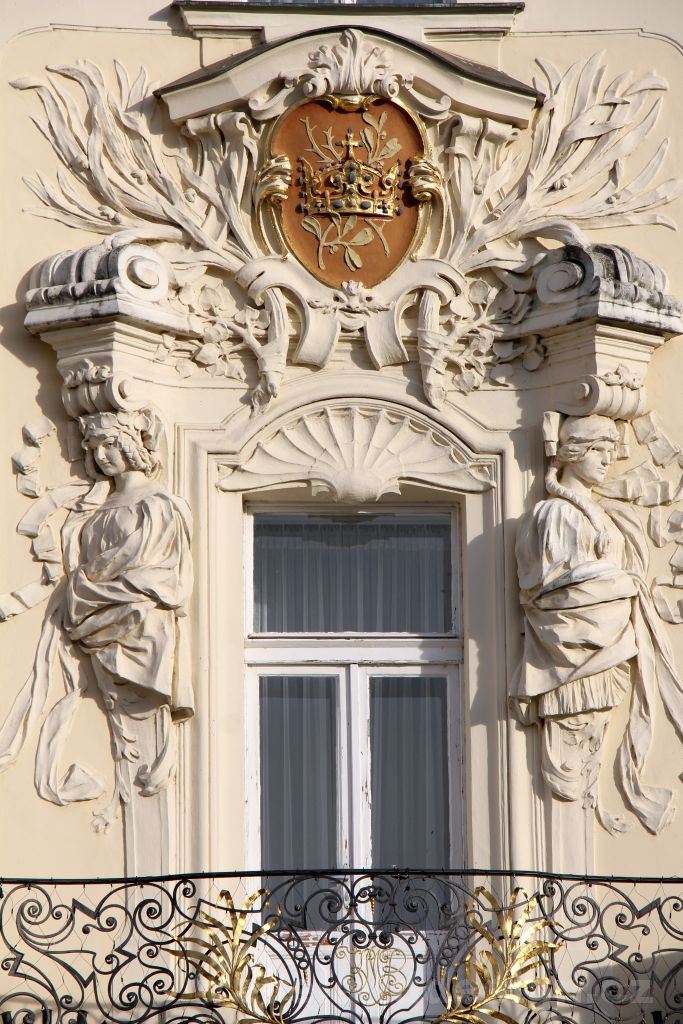
The Baroque period of the town’s restoration is represented by the premises of the Bohemian Court from 1715 and the House of the Three Crowns from 1684.
The Gothic church of St. James dates back to the end of the 13th century, but it was still modified in the late Gothic style at the end of the 16th century, later modified in Baroque style and finally modernized in 1903-7 by the architect Josef Fanta. The pearl of the interior is completed by Baroque paintings of saints by Jan Petro Molitor.
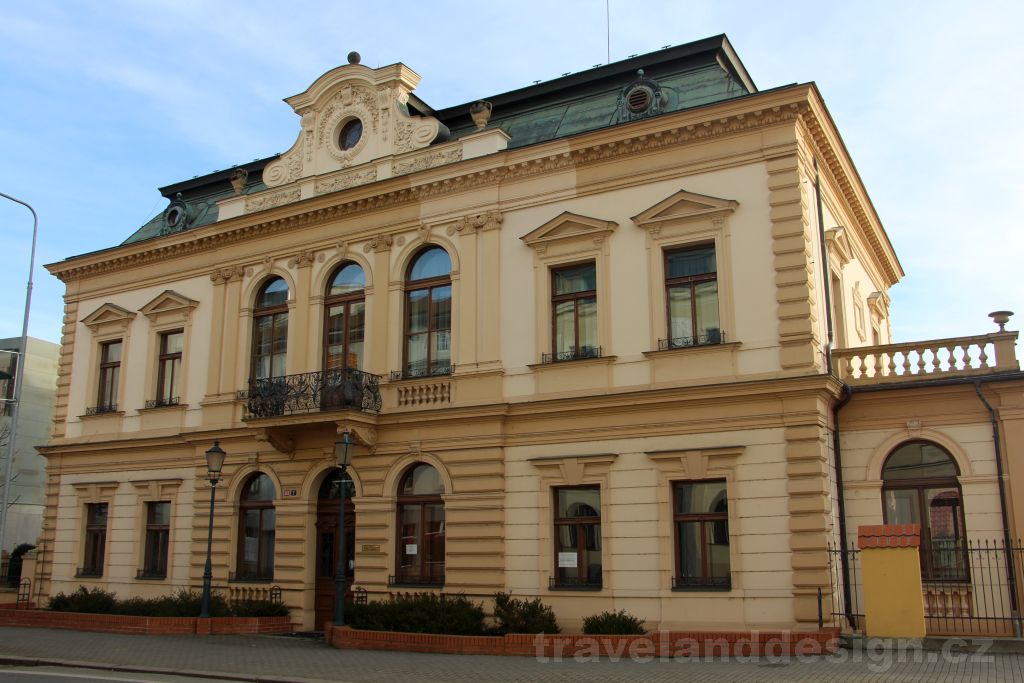
The Neo-Renaissance Dusla Villa by architect Antonín Wiehl now serves as an exhibition space for the town gallery.
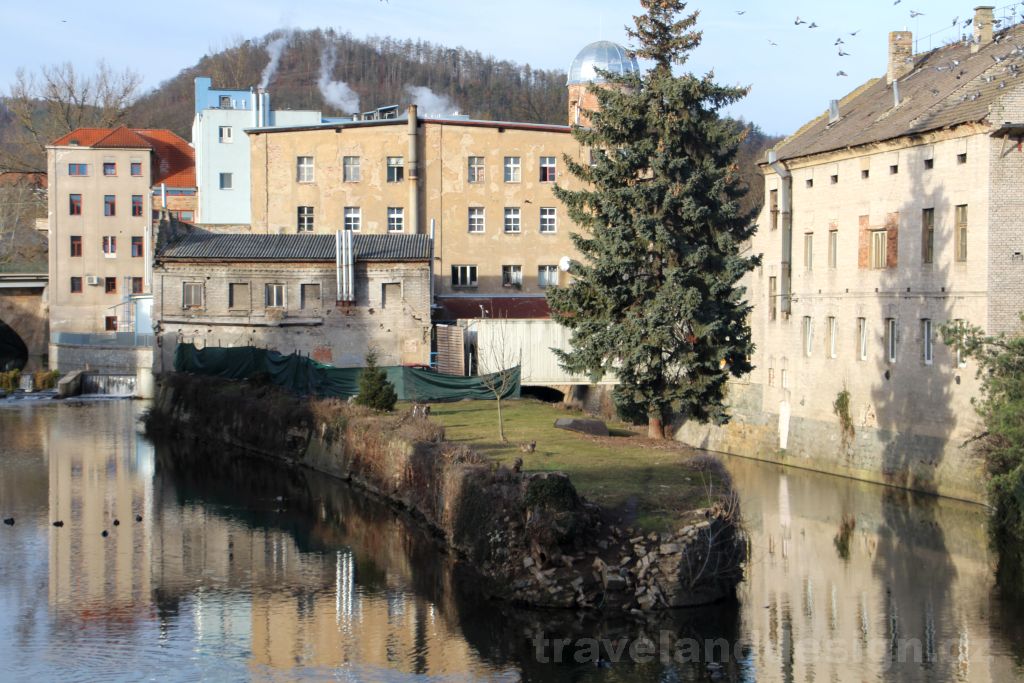
A group of water mills on an island called Mlýnská strouha or also Čertovka stands on the Berounka embankment. The oldest Kříž mill stood here as early as 1437.
Famous Beroun natives
Jan Preisler, painter (*1872)
František Branislav, poet, writer and translator (*1900)
Leoš Mareš, moderator (*1976)
The famous who stayed in the city
Josef Jungmann, linguist and writer
František Nepil, writer
Václav Talich, conductor